

We may earn a commission when you buy through links on this page, at no extra cost to you. Learn more.
Organic cava is Spanish traditional-method sparkling wine crafted from certified organically farmed grapes without synthetic pesticides, herbicides, or chemical fertilizers. Under Denomination of Origin (D.O.) Cava regulations, every top-tier Cava de Guarda Superior bottle—covering Reserva, Gran Reserva, and Paraje Calificado—must be 100 percent organic starting with the 2025 vintage. Most bottles fall between 10 and 11.5 percent ABV and showcase bright citrus, orchard fruit, and toasted almond notes.
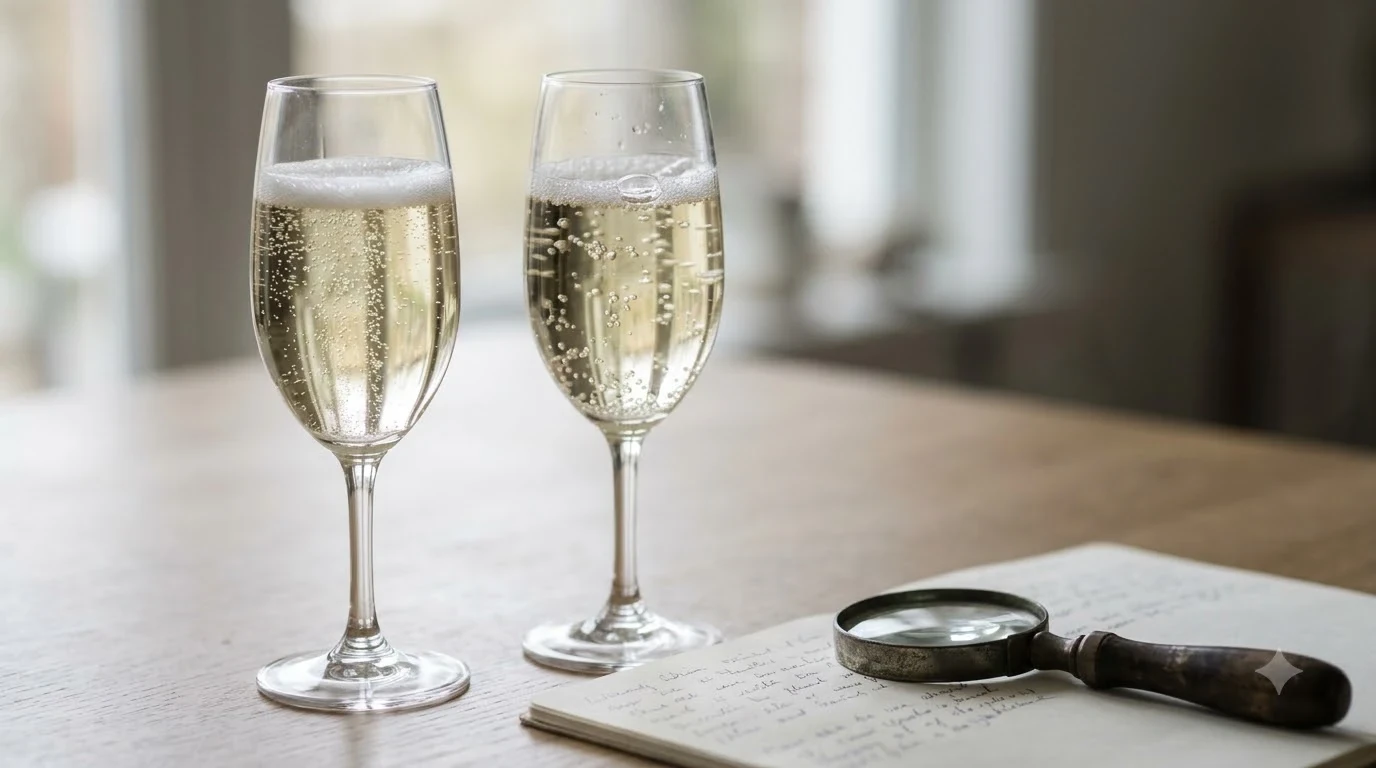
Spanish sparkling wine has long earned praise on American dinner tables for delivering bottle-fermented craftsmanship at accessible everyday value, yet a quiet agricultural shift has transformed the appellation. For shoppers navigating Wine Buying Guides, understanding how organic viticulture intersects with Cava’s strict aging tiers makes it much easier to pick a bottle with genuine character and clean farming credentials.
What Is Organic Cava?
Organic cava is a bottle-fermented sparkling wine produced within Spain’s official D.O. Cava appellation using grapes grown under certified European Union or USDA organic agricultural standards. Rather than relying on synthetic chemical sprays or artificial fertilizers, growers maintain soil vitality through cover crops, compost, and natural pest management.
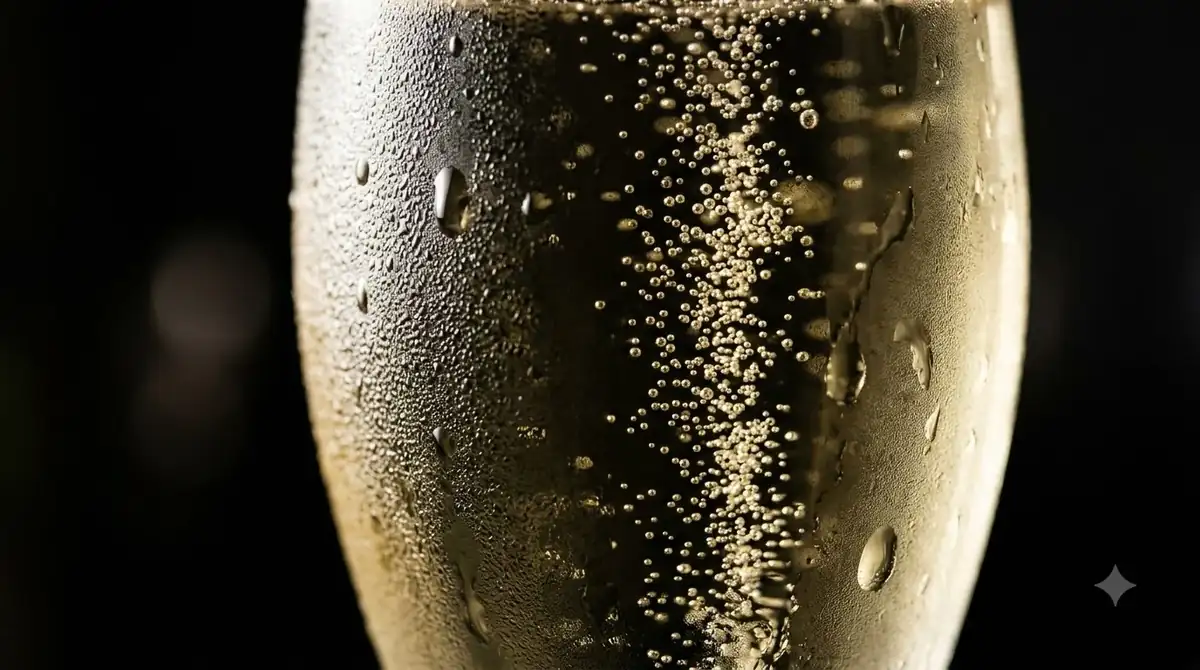
Like Champagne, Cava undergoes its secondary fermentation inside the very bottle you eventually uncork, trapping fine carbon dioxide bubbles naturally. The wine rests on its dead yeast cells—known as lees—for a legally mandated minimum period before the yeast plug is frozen and expelled through disgorgement. Winemakers then top off the bottle with a small dose of wine and cane sugar, called licor de expedición, to set the final sweetness level.
While organic viticulture used to be a voluntary niche pursued by sustainability-minded estates, Decanter reports on Cava’s organic shift that D.O. Cava mandated 100 percent organic vineyard certification across its entire Guarda Superior tier starting with the 2025 vintage. Entry-level Cava de Guarda bottles can still be farmed conventionally, though a growing share of younger releases now carry the green European organic leaf logo on their back labels as well.
Flavor Profile, Grapes, and Styles
Organic cava typically delivers vibrant acidity, crisp orchard fruit, and subtle savory complexity shaped by indigenous Spanish grape varieties and extended lees aging. According to Wine Folly’s Cava grape guide, the classic trio of Macabeu, Xarel·lo, and Parellada anchors most blends, yielding primary notes of quince, lime, yellow apple, chamomile, and raw almond.
Each native grape contributes a distinct structural element to the finished blend. Macabeu (known as Viura in Rioja) brings bright lemon-blossom aromatics and crisp green apple freshness. Xarel·lo supplies backbone, earthy minerality, and weight on the mid-palate that allows longer-aged bottles to evolve gracefully. Parellada, often grown at cooler high-altitude sites, adds delicate floral lift and zesty citrus acidity. Winemakers also permit Chardonnay, Pinot Noir, Garnacha, and Trepat, particularly in vintage reserves and rosé bottlings.
Beyond grape selection, two label indicators govern how an organic cava tastes in the glass: aging tier and dosage level. Longer lees contact transforms fresh pear and citrus notes into brioche, roasted hazelnut, dried apricot, and toasted bread crust, while residual sugar determines whether the finish feels razor-sharp or softly rounded.
| Sweetness Style | Residual Sugar | Flavor Impression | Allowed Aging Tiers |
|---|---|---|---|
| Brut Nature | 0 to 3 g/L (no added sugar) | Bone-dry, saline, chalky, pure citrus and yeast | All tiers (Guarda through Paraje Calificado) |
| Extra Brut | 0 to 6 g/L | Very dry, crisp green apple, subtle toasted almond | All tiers (Guarda through Paraje Calificado) |
| Brut | Up to 12 g/L | Dry, balanced orchard fruit, bright floral lift | All tiers (Guarda through Paraje Calificado) |
| Extra Seco | 12 to 17 g/L | Off-dry, ripe peach, soft citrus, gentle roundness | Guarda and Reserva only |
| Seco | 17 to 32 g/L | Medium-dry, honeyed pear, creamy mid-palate | Guarda and Reserva only |
| Semi Seco | 32 to 50 g/L | Noticeably sweet, candied citrus, pastry notes | Guarda and Reserva only |
| Dulce | Greater than 50 g/L | Lush dessert sweetness balanced by lively acidity | Guarda and Reserva only |
Notice that top-tier Gran Reserva and single-vineyard Paraje Calificado bottlings are legally restricted to the three driest categories—Brut Nature, Extra Brut, and Brut—so extended aging character is never masked by heavy sugar.
Where Organic Cava Grows
Although D.O. Cava spans several non-contiguous Spanish wine zones, roughly 95 percent of production originates in Catalonia’s Comtats de Barcelona zone, centered around the town of Sant Sadurní d’Anoia in Penedès. Warm Mediterranean sunshine ripens grapes reliably here, while coastal breezes and hilly inland elevations preserve essential natural acidity.
Dry, sunny Mediterranean summers actually give Catalan growers a natural advantage when transitioning to organic agriculture. Lower rainfall and steady breezes reduce fungal pressure such as downy mildew, allowing vineyard teams to manage vines without synthetic fungicides. Across Penedès, limestone and clay soils encourage deep root systems that help organic vines withstand summer heat without artificial irrigation.
Smaller recognized D.O. Cava sub-zones also contribute certified organic sparkling wines, including Valle del Ebro (covering parts of Rioja, Navarra, and Aragón), Viñedos de Almendralejo in Extremadura, and Alto Levante near Valencia. Because D.O. Cava introduced stricter origin zoning rules alongside its organic reforms, front and back labels now specify the exact production zone and sub-zone where the grapes were harvested.
How to Serve Organic Cava
Serve organic cava well chilled between 38 and 45 degrees Fahrenheit (3 to 7 degrees Celsius) to keep its lively mousse tight and refreshing. Youthful Cava de Guarda bottles shine closest to 38 to 40 degrees, whereas complex Gran Reserva bottlings open up more aromatically closer to 45 degrees.
If your bottle has been stored at room temperature, chill it in the main compartment of a standard refrigerator for at least three hours, or submerge the bottle in an ice-and-water bath for 20 to 30 minutes. If you are wondering how much is a wine cooler capable of holding sparkling bottles at steady cellar temperatures, dedicated dual-zone units make storing bottle-fermented wines effortless year-round.
Tip: Skip narrow champagne flutes when pouring aged organic Reserva or Gran Reserva cava—a tulip-shaped sparkling glass or standard white wine stem gives toasted almond and brioche aromas room to open up while still preserving fine bubbles.
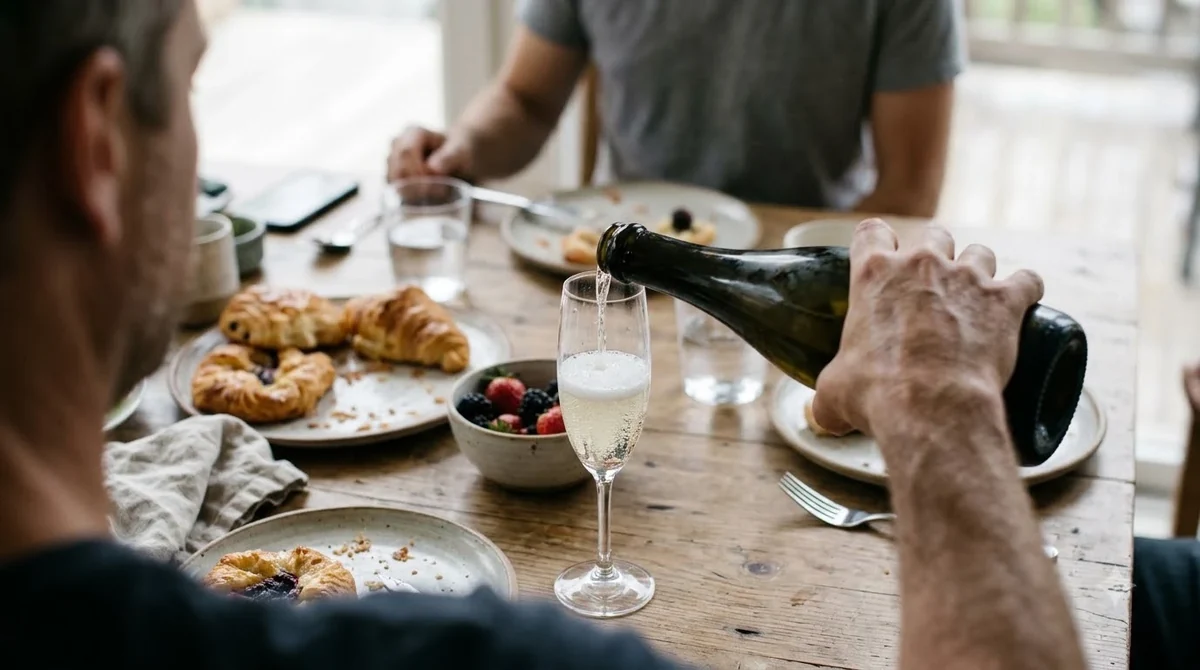
When uncorking, peel away the foil, keep one thumb firmly over the wire cage as you untwist the loop six half-turns, and hold the cork steady while rotating the base of the bottle. Letting the pressure ease out with a quiet sigh rather than a loud pop prevents foam from gushing over and preserves carbonation in the glass.
Food Pairing Ideas
High natural acidity and fine, palate-cleansing bubbles make organic cava one of the most versatile food wines on the table. Crisp Brut Nature and Extra Brut bottles cut effortlessly through rich fats, fried textures, and salty cured meats without overwhelming delicate ingredients.
Traditional Spanish tapas provide an immediate match: think jamón ibérico, Marcona almonds, pan con tomate, salted anchovies, and crispy patatas bravas. Brut and Reserva bottlings also pair smoothly with seafood paella, grilled shrimp, oysters on the half shell, and fried calamari, where the wine’s lemony snap acts like a fresh squeeze of citrus.
Do not limit organic cava to Mediterranean menus, however. Reviewers at Wine Folly highlight its affinity for Mexican dishes—including fish tacos, carnitas, and even red bean chili—because effervescence refreshes the palate between spiced bites. Aged Gran Reserva styles carry enough nutty depth to accompany roast chicken, wild mushroom risotto, and aged Manchego cheese, while a lightly chilled Semi Seco bottle balances fruit tarts and almond pastries. If you enjoy exploring certified organic wines across different styles, comparing bright Spanish bubbles alongside a structured red like organic malbec shows how clean farming lets regional terroir shine—much like contrasting dry sparkling wine against fruit-forward sweet malbec highlights the impact of residual sugar.
How to Choose an Authentic Bottle
Shopping for organic cava becomes straightforward once you know which official seals and aging terms to look for on the label. Every authentic bottle bears a numbered D.O. Cava quality stamp on the neck or back label, color-coded by aging tier so you can verify provenance at a glance.
- Look for the European Organic Leaf or USDA Organic Seal: A green rectangular logo featuring a leaf outlined in white stars confirms third-party EU organic vineyard certification, while imported bottles may also display the green-and-white USDA Organic seal.
- Check the Guarda Superior Tier: Any bottle labeled Reserva (aged at least 18 months on the lees), Gran Reserva (at least 30 months), or Cava de Paraje Calificado (at least 36 months from a single qualified estate) from the 2025 vintage onward is guaranteed 100 percent organic by D.O. Cava law.
- Inspect the Vintage and Disgorgement Dates: Guarda Superior labels must print the harvest year and often include the disgorgement date on the back label, helping you confirm freshness and bottle age before buying.
- Match Sweetness to Your Occasion: Choose Brut Nature or Extra Brut for raw seafood and crisp aperitif service, Brut for all-purpose dinner hosting, and Seco or Semi Seco when serving spicy takeout or brunch pastries.
Frequently Asked Questions
Is all cava organic now?
Not every bottle of cava is organic, though all upper-tier Cava de Guarda Superior wines (Reserva, Gran Reserva, and Paraje Calificado) are legally required to be 100 percent organic starting with the 2025 vintage. Entry-level Cava de Guarda, aged for a minimum of nine months, can still be made from conventionally farmed grapes unless the label carries an official organic certification seal.
Does organic cava contain sulfites?
Yes, organic cava contains naturally occurring sulfites produced during fermentation, and European Union organic wine rules allow producers to add small amounts of sulfur dioxide to protect freshness and prevent oxidation. However, EU organic standards enforce stricter maximum sulfite limits than conventional winemaking regulations.
How long can you store an unopened bottle of organic cava?
Most non-vintage Cava de Guarda bottles are disgorged ready to drink and taste best within one to three years of purchase when stored in a cool, dark place. Organic Reserva and Gran Reserva cavas possess greater structural acidity and lees complexity, allowing unopened bottles to cellar gracefully for three to five years or longer.
What is the difference between organic cava and prosecco?
Organic cava is made in Spain using the traditional method, where secondary fermentation happens inside each individual bottle to create fine, persistent bubbles and toasty, nutty notes. Prosecco is produced in northern Italy primarily from the Glera grape using pressurized stainless-steel tanks, resulting in lighter, fruitier aromatics of green pear and white peach.
Whether you are pouring a crisp Brut Nature alongside weeknight tapas or uncorking an extended-age Gran Reserva for a celebratory dinner, organic cava rewards label-reading shoppers with transparent farming standards and traditional-method precision. Keep an eye on the D.O. Cava quality stamp and organic leaf logo next time you browse the sparkling aisle to bring home a bottle that reflects Spain’s cleanest vineyards.
More in Wine Buying Guides
 Riesling Gift: Choose a Bottle They’ll LoveUpdated Nov 21, 2026
 Sweet Red Wine Gift: Choose a Bottle They’ll LoveUpdated Nov 21, 2026
 Malbec Gift: How to Choose a Memorable Bottle for Any OccasionUpdated Nov 21, 2026
 Sherry Gift Ideas That Match Every Wine LoverUpdated Nov 21, 2026
 Moscato Gift: How to Choose a Sweet Wine They’ll LoveUpdated Nov 21, 2026
 Merlot Gift: How to Choose a Bottle They’ll AppreciateUpdated Nov 21, 2026