

We may earn a commission when you buy through links on this page, at no extra cost to you. Learn more.
Depending on which meaning you are asking about, how much is a wine cooler comes down to bottle capacity for the appliance or alcohol and volume for the bottled beverage. As a temperature-controlled storage appliance, a home wine cooler typically holds anywhere from 6 to over 150 standard 750-milliliter bottles and maintains an internal climate around 55 degrees Fahrenheit. As a ready-to-drink beverage, a single wine cooler bottle or can typically measures 12 fluid ounces at roughly 4 to 6 percent alcohol by volume.
Because the phrase refers to two completely different things in the wine world—a refrigerated storage cabinet and a fruit-flavored, low-alcohol bottled drink—answering the question accurately requires separating storage metrics from pouring measurements. Whether you are measuring kitchen cabinetry for a new undercounter fridge or calculating standard drinks for a casual gathering, knowing the exact numbers behind both definitions keeps your wine collection and your serving plans on track.
Understanding the Two Meanings of Wine Cooler
In modern wine terminology, “wine cooler” describes both a dedicated thermoelectric or compressor-driven refrigerator for wine bottles and a lightly carbonated, fruit-infused alcoholic beverage. Both definitions revolve around specific capacities, temperatures, and volumes rather than guesswork.
When collectors and home cooks ask about a wine cooler today, they are most often referring to a specialized appliance designed to protect wine from heat, light, and vibration. Unlike a standard kitchen refrigerator that runs cold and dry to preserve perishable food, a wine storage cabinet creates a steady, moderately cool environment tailored to cork integrity and slow, even maturation.
At the same time, the beverage meaning remains part of American drinking culture. Originating as a simple blend of table wine, fruit juice, and carbonated water, commercial wine coolers surged in popularity during the 1980s before evolving into today’s canned wine spritzers and ready-to-drink wine seltzers, as VinePair’s look at wine-based seltzers notes. Knowing which category you are measuring determines whether you are looking at cubic feet and bottle counts or fluid ounces and alcohol percentages.
Wine Cooler Appliance Capacity and Dimensions
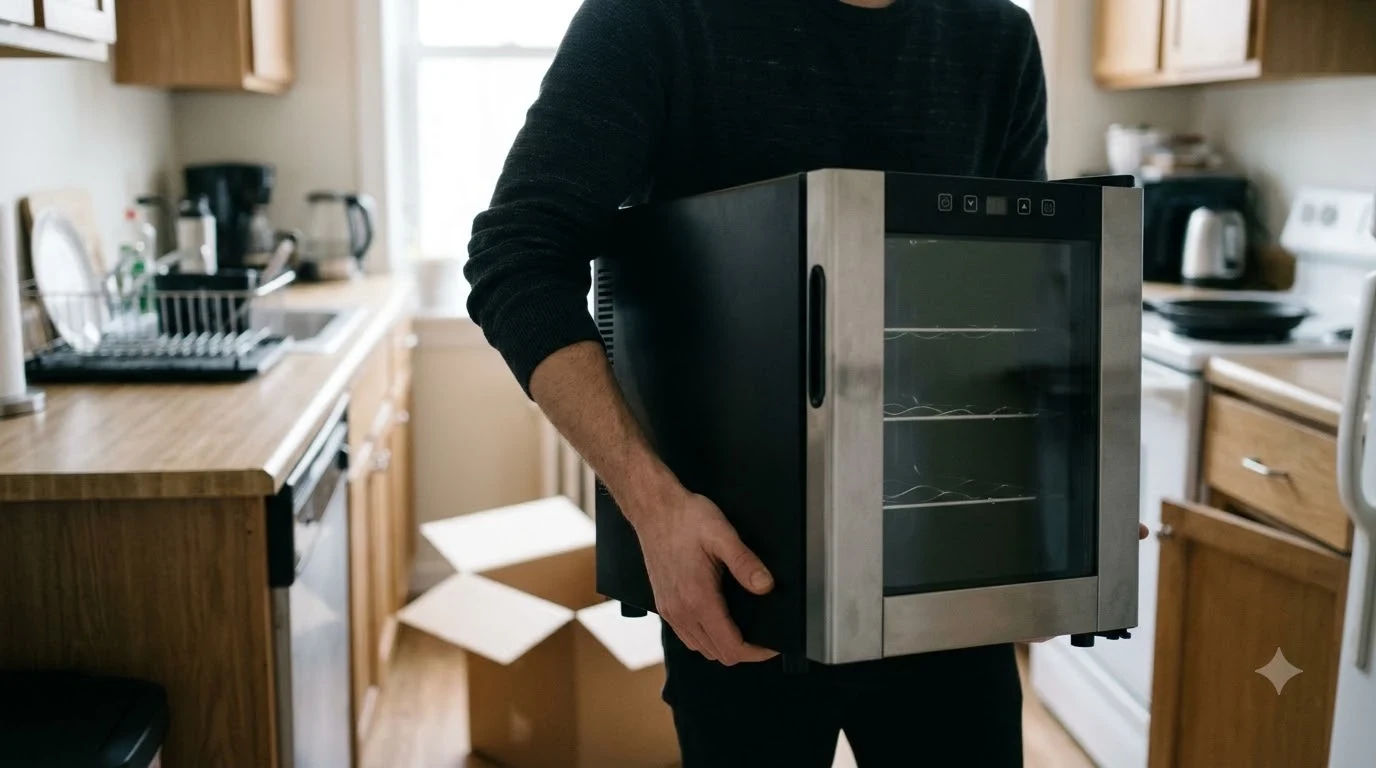
Home wine coolers are categorized by how many standard 750-milliliter Bordeaux bottles they hold, ranging from compact 6-bottle countertop units to freestanding cabinets holding more than 150 bottles. Physical dimensions scale closely with those bottle counts, making cabinet width the primary measurement for kitchen planning.
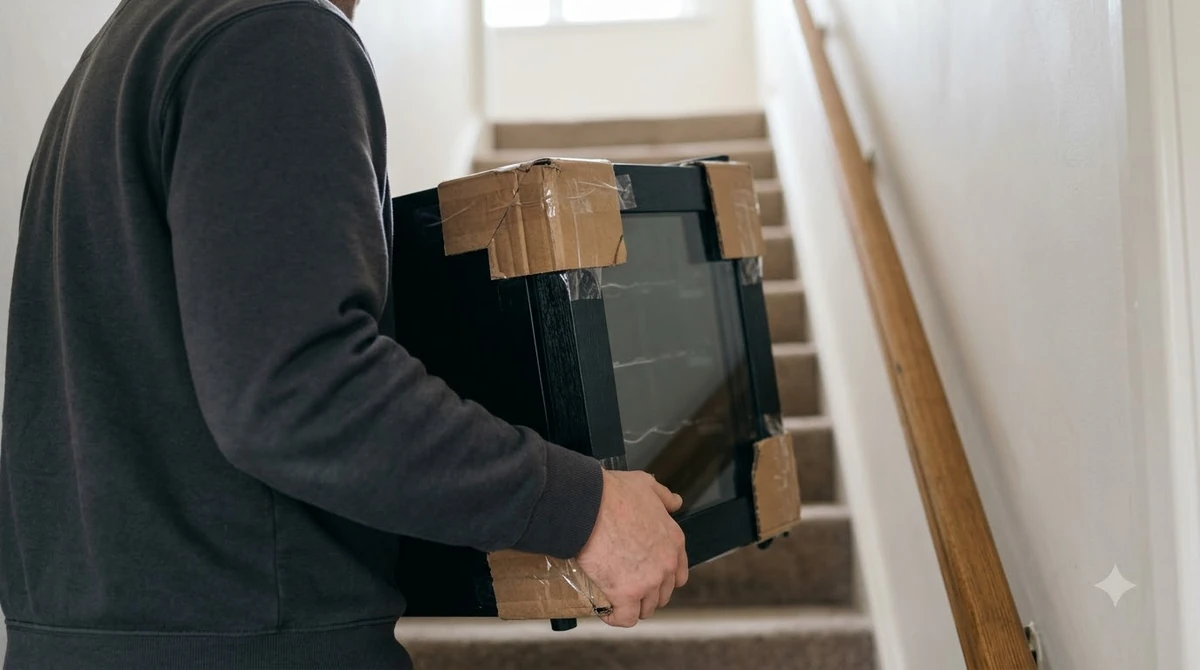
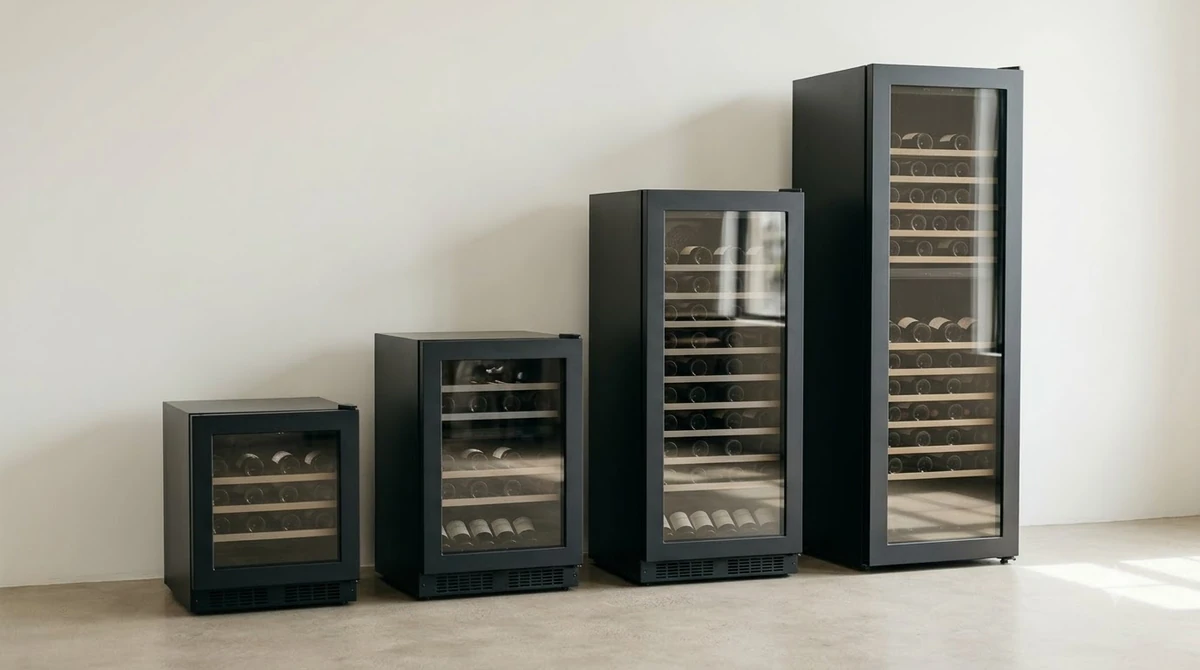
Manufacturers calculate stated bottle capacity using a uniform reference: the straight-sided, 750-milliliter Bordeaux bottle, which measures roughly 3 inches in diameter and 12 inches in height. Compact countertop and slimline models typically hold between 6 and 20 bottles and fit narrow spaces between 10 and 18 inches wide. Undercounter units built to slide into standard kitchen cabinetry usually measure 15 or 24 inches wide, accommodating anywhere from 18 to 50 bottles depending on shelf spacing.
Larger freestanding wine refrigerators move beyond kitchen counter height, standing roughly 40 to 74 inches tall and holding between 80 and 160 bottles. However, real-world capacity almost always falls below the maximum advertised number once you load wider bottle shapes. Sloped-shoulder Burgundy bottles, heavy-glass Champagne bottles, and magnum formats require extra clearance, often reducing usable capacity by 15 to 25 percent unless you remove a shelf.
| Wine Cooler Category | Advertised Capacity (750 mL Bordeaux) | Typical Width | Common Installation |
|---|---|---|---|
| Compact / Countertop | 6 to 20 bottles | 10 to 18 inches | Freestanding on counters or floors |
| Slim Undercounter | 18 to 30 bottles | 15 inches | Built-in under kitchen counters |
| Standard Undercounter | 32 to 50 bottles | 24 inches | Built-in or freestanding |
| Mid-Size Cabinet | 51 to 100 bottles | 23.5 to 27 inches | Freestanding |
| Full-Height Cellar | 101 to 160+ bottles | 23.5 to 31.5 inches | Freestanding |
Temperature, Humidity, and Noise Levels
A properly calibrated wine cooler maintains a steady storage temperature around 55 degrees Fahrenheit and relative humidity between 50 and 70 percent, while operating quietly at roughly 39 to 42 decibels. These environmental benchmarks separate true wine refrigerators from standard beverage centers.
Temperature stability matters far more than extreme cold. According to Wine Enthusiast’s wine fridge buying guide, all wines—whether red, white, or sparkling—age best at a consistent 55 degrees Fahrenheit in a single-zone unit. If you want bottles ready to pour straight from the cabinet without an ice bucket, a dual-zone cooler lets you set one compartment between 41 and 54 degrees Fahrenheit for whites and sparkling wines and the other between 55 and 66 degrees Fahrenheit for reds.
Humidity and acoustic output are equally measurable. Keeping relative humidity between 50 and 70 percent prevents natural corks from drying out and shrinking, which would otherwise let oxygen spoil the wine, while avoiding excessive moisture above 80 percent that encourages label mold. Meanwhile, modern inverter compressors keep operating noise around 39 to 42 decibels—roughly the volume of a quiet library or soft refrigerator hum—so the unit will not disrupt conversation in an open-plan kitchen or dining room.
Tip: Leave a newly delivered wine cooler unplugged and upright for at least 24 hours before turning it on so the compressor oils and refrigerant can settle completely.
How Much Is a Wine Cooler Beverage?
As an alcoholic beverage, a standard bottled or canned wine cooler contains 12 fluid ounces of liquid at roughly 4 to 6 percent alcohol by volume, delivering about 14 grams of pure alcohol. In practical terms, one 12-ounce bottle equals one standard U.S. alcoholic drink.
That measurement makes portioning straightforward when comparing wine coolers to traditional table wine. A standard 5-ounce pour of dry table wine at 12 percent alcohol by volume contains the exact same amount of pure alcohol as a 12-ounce wine cooler at 5 percent alcohol by volume. Because the wine base is diluted with fruit juice, sparkling water, and sweeteners, the serving volume is more than twice as large while the overall alcohol impact per container remains identical.
Today’s market has largely shifted from heavy glass 12-ounce bottles to sleek 12-ounce cans of wine spritzers and wine-based seltzers, many of which maintain that same 4 to 6 percent alcohol range with lower sugar levels. If you prefer an effervescent, lower-alcohol pour without added fruit syrups, exploring crisp sparkling wines such as organic Cava offers a dry, refreshing alternative around 11.5 to 12 percent alcohol by volume.
Choosing the Right Capacity and Setup for Your Home
Selecting the right wine cooler size starts with counting your current bottles, accounting for wide-format shapes, and leaving at least 20 percent open headroom for future purchases. Matching the cooling mechanism and ventilation design to your room prevents premature wear on the appliance.
Start by auditing the bottles you regularly keep on hand. If you mostly drink bold reds like an organic Malbec or plush, fruit-forward styles such as sweet Malbec, check the interior shelf spacing carefully, as many New World producers bottle their wines in heavier, wider-shouldered glass than traditional Bordeaux shapes. A cabinet rated for 46 standard bottles may comfortably hold closer to 36 to 38 wide-shouldered bottles without scraping labels.
Installation placement also dictates which model works best. Built-in undercounter coolers feature front-venting grilles at the base so heat escapes safely into the room, whereas freestanding models require several inches of clearance around the back and sides for airflow. Avoid placing any wine cooler in an uninsulated garage or near a kitchen range, since most residential units are engineered to operate reliably only when surrounding room temperatures stay between 50 and 90 degrees Fahrenheit. For more guidance on building and organizing a versatile home collection, review our core Buying Basics.
Frequently Asked Questions
How many standard drinks are in one wine cooler bottle?
One 12-ounce wine cooler at 5 percent alcohol by volume counts as one standard U.S. alcoholic drink. It contains roughly 14 grams of pure alcohol, which matches a 5-ounce glass of 12 percent table wine or a 12-ounce regular beer.
How much electricity does a home wine cooler use?
Most residential undercounter wine coolers consume roughly 120 to 140 kilowatt-hours of electricity per year under normal indoor conditions. Keeping the unit away from direct sunlight and heat sources helps the compressor cycle less frequently and maintain steady efficiency.
Why does my wine cooler hold fewer bottles than advertised?
Manufacturers measure capacity using uniform 750-milliliter Bordeaux bottles stacked neck-to-base on every shelf. Wider Burgundy, Rhône, Champagne, and magnum bottles take up extra horizontal and vertical space, typically reducing real-world capacity by 15 to 25 percent.
Can I store white and red wine together in a single-zone wine cooler?
Yes, a single-zone wine cooler set to 55 degrees Fahrenheit safely stores red, white, and sparkling wines together for months or years. Before serving, simply place white or sparkling bottles in your kitchen refrigerator or an ice bucket for 20 to 30 minutes to reach their crisper serving temperature.
Whether you are sizing an undercounter refrigerator by bottle count and inches or measuring a 12-ounce bottled spritzer by alcohol by volume, the numbers behind a wine cooler are straightforward once you separate the appliance from the drink. Focusing on accurate bottle dimensions, steady 55-degree storage conditions, and standard serving volumes ensures every bottle in your home stays fresh and ready to enjoy.
More in Wine Buying Guides
 Riesling Gift: Choose a Bottle They’ll LoveUpdated Nov 21, 2026
 Sweet Red Wine Gift: Choose a Bottle They’ll LoveUpdated Nov 21, 2026
 Malbec Gift: How to Choose a Memorable Bottle for Any OccasionUpdated Nov 21, 2026
 Sherry Gift Ideas That Match Every Wine LoverUpdated Nov 21, 2026
 Moscato Gift: How to Choose a Sweet Wine They’ll LoveUpdated Nov 21, 2026
 Merlot Gift: How to Choose a Bottle They’ll AppreciateUpdated Nov 21, 2026