

We may earn a commission when you buy through links on this page, at no extra cost to you. Learn more.
A sweet malbec is a red or rosé dessert-style wine made from the Malbec grape that retains measurable unfermented grape sugar, unlike standard dry Malbec bottlings. Winemakers produce these styles by arresting fermentation early with cold temperatures, harvesting late-season raisined fruit, or fortifying the fermenting must with neutral grape spirit. Depending on the production method, residual sugar typically ranges from roughly 50 grams per liter in light natural styles up to 110 grams per liter in fortified French expressions.
Most wine drinkers know Malbec as a dry, plush red built for grilled steak, where ripe blackberry and plum notes give a fruity impression without actual sugar. True sweet expressions take that same dark-fruited grape and preserve its natural sweetness through deliberate cellar choices, resulting in everything from refreshing low-alcohol patio sippers to rich, Port-style after-dinner bottles.
What It Is and How It Is Made
Standard dry Malbec finishes fermentation with virtually no sugar left in the liquid, whereas sweet styles keep significant grape sugars intact to balance the variety’s firm tannins and natural acidity. Producers rely on three primary cellar techniques—arrested fermentation, late-harvest picking, and fortification—to create distinct sweetness and alcohol levels.
According to the Wine Folly Malbec guide, classic dry table bottlings typically contain less than 1 gram per liter of residual sugar and sit between 13.5% and 15% ABV. When drinkers perceive sweetness in a standard bottle, they are tasting concentrated ripe fruit flavors and vanilla notes from oak aging rather than actual sucrose or fructose. To make an authentically sweet bottle, the winemaker must prevent yeast from converting every gram of grape sugar into alcohol.
In Argentina, many wineries achieve this by chilling the fermentation tank early, a method that yields light-bodied wines labeled as dulce natural. Under official Argentine wine regulations, a registered vino dulce natural must contain at least 7% ABV and retain a minimum of 60 grams per liter of natural grape sugar without any added sweetening liqueur. Another non-fortified route involves leaving grapes on the vine past normal harvest until they dehydrate into raisin-like berries, concentrating both sugar and acidity before gentle pressing.
A third, more traditional method borrows from Portuguese Port production through fortification. At Château du Cèdre in Cahors, winemakers apply a technique called mutage by adding a pure, neutral grape spirit during active fermentation. The alcohol spike stops yeast activity immediately, locking in roughly 110 grams per liter of residual sugar while bringing the final strength to 17% ABV.
Flavor Profile and Main Styles
Sweet Malbec spans three recognizable styles—light natural sweet, late-harvest, and fortified—each offering a distinct balance of dark berry fruit, acidity, and alcohol warmth. Across all three categories, the grape’s signature black plum, blackberry, and violet notes remain front and center, backed by enough natural tannin to keep the palate from feeling syrupy.
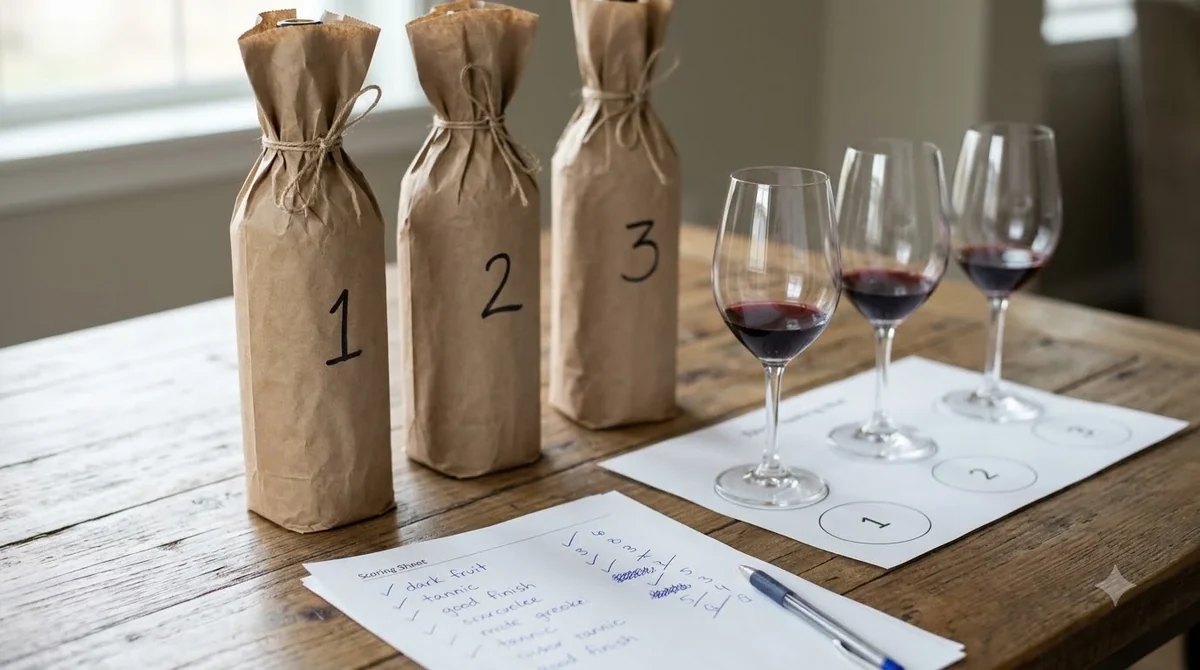
Light, unfortified dulce natural bottlings represent the brightest and most approachable end of the spectrum. Typically bottled in red or vibrant rosé versions around 7% to 11% ABV, these wines deliver fresh aromas of crushed strawberry, raspberry, and juicy plum with crisp acidity. Because fermentation stops early, the texture stays lively and refreshing rather than heavy, making these bottles easy to drink chilled on warm afternoons.
Late-harvest expressions offer deeper concentration and secondary spice complexity. Producers like Susana Balbo in Mendoza craft late-harvest Malbec from ultra-ripe, partially raisined clusters, yielding aromas of dark berries, sweet tobacco, clove, and cinnamon. The mouthfeel is fuller and more velvety than a standard table red, with lush fruit sweetness balanced by a gentle phenolic grip on the finish.
Fortified bottlings sit at the richest, most structured extreme, resembling Ruby or Tawny Port depending on barrel aging. Tasting notes from Château du Cèdre’s fortified cuvée highlight concentrated layers of blackcurrant, blackberry jam, fruit paste, nougat, and a subtle savory hint of soy after a year in seasoned oak barrels. Despite carrying over 100 grams per liter of sugar, the combination of vibrant acidity and fine-grained Malbec tannins keeps the finish clean and lifted.
| Style | Winemaking Method | Typical ABV | Residual Sugar | Core Flavor Notes |
|---|---|---|---|---|
| Dry Table Malbec (Reference) | Full fermentation to dryness | 13.5%–15% | Under 1 g/L | Blackberry, black plum, cocoa, violet |
| Dulce Natural (Red or Rosé) | Chilled early to arrest fermentation | 7%–11% | 50–60+ g/L | Fresh strawberry, raspberry, sweet plum |
| Late Harvest Malbec | Ripe, partially raisined grapes pressed gently | 12%–14% | 60–90 g/L | Dark berries, clove, cinnamon, sweet tobacco |
| Fortified (Vin de Liqueur) | Neutral spirit added during fermentation (mutage) | 17% | ~110 g/L | Blackberry jam, blackcurrant paste, nougat |
Where Sweet Malbec Grows
Argentina and southwest France produce the vast majority of the world’s sweet Malbec, reflecting the two historic strongholds of the grape. High-altitude desert vineyards in Mendoza and cool, alluvial river terraces in Cahors provide the long growing seasons needed for grapes to accumulate high natural sugar without losing vital acidity.
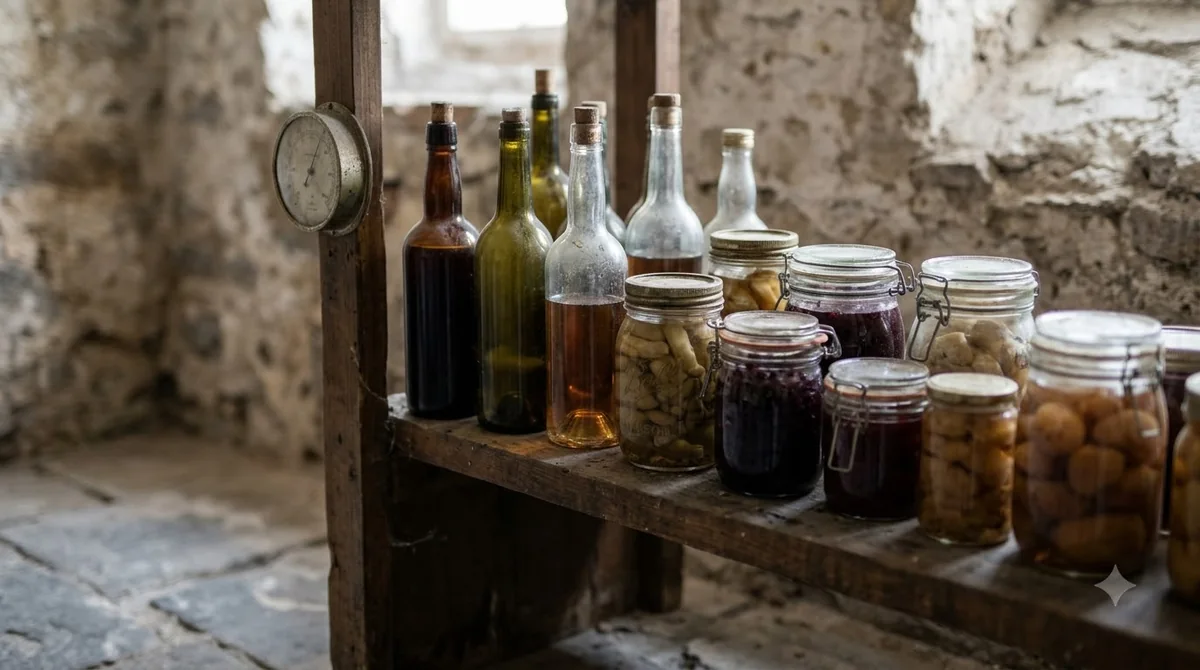
In Argentina, Mendoza leads production across sub-regions like Luján de Cuyo and the Uco Valley, where intense sunlight and cool mountain nights ripen Malbec grapes to high sugar levels. Vineyards sitting near 3,200 feet above sea level experience wide diurnal temperature swings that preserve tartness even as berries dehydrate on the vine for late-harvest bottlings. Further south in Patagonia, cooler conditions allow producers such as Bodega Moschini to craft delicate, lower-alcohol rosé dulce natural wines with crisp natural freshness.
Across the Atlantic, Cahors in southwest France—the ancestral home of Malbec, known locally as Auxerrois or Côt—offers a distinctly different terroir. Vines planted on ancient Mindel alluvial terraces along the Lot River develop thicker skins and firmer tannic structure than their Argentine counterparts. While most Cahors estates focus on structured dry reds, select producers revive regional traditions by fortifying late-picked Malbec into age-worthy vin de liqueur bottlings.
Small pockets of production also appear in California’s North Coast, such as Yorkville Highlands in Mendocino County, where producers like Yorkville Cellars have made limited-release dessert bottlings. Reviewers at Wine Review Online have noted that California versions often emphasize bright raspberry and baking spice notes with a pleasant, slightly bitter finish that prevents the wine from tasting cloying.
How to Serve and Store It
Serving temperature and glassware depend directly on whether your bottle is a light natural sweet red, a late-harvest wine, or a high-alcohol fortified expression. Chilling these wines slightly below standard red wine room temperature sharpens their acidity and keeps the residual sugar from feeling heavy on the palate.
For light dulce natural red or rosé styles, chill the bottle to 50°F–55°F (10°C–13°C), roughly equivalent to 45 to 60 minutes in a standard kitchen refrigerator. Serve these lighter bottles in a standard white wine or universal tulip glass to focus their fresh red-berry aromatics. Late-harvest and fortified styles show best slightly warmer, around 55°F–60°F (13°C–16°C), poured in smaller three-ounce dessert portions into a tulip-shaped glass that concentrates dark fruit and spice aromas without emphasizing alcohol heat.
Storage longevity after opening varies dramatically by alcohol and sugar levels. Unfortified sweet Malbecs behave much like standard table wines and should be recorked and kept in the refrigerator, where they stay fresh for three to four days. Fortified versions fortified to 17% ABV are far more resilient against oxidation; once opened and stored in a cool, dark place or wine fridge, they maintain their vibrancy for several weeks. If you are building a dedicated storage setup at home, checking how much is a wine cooler can help you find dual-zone units capable of holding both cellar temperatures and cooler serving zones.
Tip: Never serve sweet Malbec at warm room temperature above 68°F, as heat amplifies both sugar perception and alcohol burn; twenty minutes in the fridge before pouring brings fortified and late-harvest bottles right into their sweet spot.
Food Pairing Ideas
Sweet Malbec pairs best with salty cheeses, rich dark chocolate, berry-driven desserts, and moderately spiced savory dishes where sugar and acidity act as counterweights. Matching the weight and sweetness level of the wine to the dish ensures neither overwhelms the other at the table.
Salty, pungent cheeses create one of the most reliable contrasts with sweet red wines. The concentrated blackcurrant and jammy plum flavors of a fortified or late-harvest Malbec cut straight through the creamy saltiness of Roquefort, Gorgonzola, or aged Manchego. Adding walnuts, fig compote, and cured charcuterie turns a simple cheese board into a complete pairing spread.
For dessert pairings, follow the classic sommelier rule of making sure the wine is at least as sweet as the food on the plate. Dark chocolate truffles, flourless chocolate cake, brownies, and tarts topped with fresh blackberries or raspberries echo the grape’s natural cocoa and dark-berry notes without clashing. Lighter dulce natural bottlings also work alongside fruit-forward desserts like Malbec-poached pears or berry pavlova, as well as savory dishes featuring mild chili heat or sweet barbecue glazes.
How to Choose a Bottle
Reading the front and back labels carefully prevents buying a rich, fruit-forward dry Malbec when you actually want a bottle with noticeable residual sugar. Because the word “Malbec” alone almost always signals a dry wine, specific production terms and alcohol percentages serve as your best buying clues.
Start by scanning the label for explicit sweetness indicators. On Argentine bottles, look for phrases like Dulce Natural, Sweet, or Late Harvest (Cosecha Tardía), which confirm unfermented grape sugar remains in the wine. On French bottles from Cahors, terms such as Vin de Liqueur or Sweet Malbec indicate a fortified dessert style, often sold in half-size 375 ml or 500 ml bottles rather than standard 750 ml formats.
Checking the ABV printed on the label gives an immediate hint about style before you even open the cork. A bottle listing 7% to 11.5% ABV indicates fermentation was halted early, leaving behind significant natural sweetness and light body. Conversely, a bottle sitting at 16% to 18% ABV signals fortification with grape spirit, while a standard 13.5% to 14.5% ABV bottle without harvest or sweetness designations will almost certainly taste fully dry. Shoppers interested in sustainable vineyard practices can also explore organic malbec producers, as several estates in Cahors and Mendoza farm certified organic fruit for both dry and sweet bottlings, or browse broader Wine Buying Guides for tips on decoding regional dessert wine labels.
Frequently Asked Questions
Is regular Malbec a sweet wine?
No, standard Malbec is a dry red wine that typically contains less than 1 gram per liter of residual sugar. While its lush flavors of ripe blackberry, black plum, and vanilla oak can give a fruity impression of sweetness, almost all grape sugars are converted into alcohol during fermentation.
What is the difference between Late Harvest Malbec and Dulce Natural Malbec?
Dulce Natural Malbec is made by chilling regular-harvest grape juice early to stop fermentation, resulting in a lighter-bodied, lower-alcohol wine around 7% to 11% ABV with bright red-berry flavors. Late Harvest Malbec is pressed from overripe, partially raisined grapes left longer on the vine, creating a richer, fuller-bodied dessert wine with deeper dark fruit and spice notes.
Does sweet Malbec contain added table sugar?
Quality sweet Malbec gets its sweetness entirely from natural unfermented grape sugars rather than added cane or beet sugar. Winemakers preserve this natural sweetness either by stopping fermentation early through chilling or fortification, or by harvesting dehydrated grapes with naturally high sugar concentration.
How long does an opened bottle of sweet Malbec last?
Unfortified sweet Malbec styles, including Dulce Natural and Late Harvest bottlings, last about three to four days when recorked and stored in the refrigerator. Fortified sweet Malbecs at 17% ABV are much more stable against oxygen and remain fresh for three to four weeks in a cool, dark spot or wine fridge.
Whether you prefer a lightly chilled Argentine dulce natural for casual sipping or a richly concentrated fortified bottling from Cahors alongside dark chocolate and blue cheese, sweet Malbec showcases a softer, dessert-friendly side of this classic dark grape. Checking the alcohol level and harvest terms on the label makes it easy to match the exact level of richness and sweetness to your table.
More in Wine Buying Guides
 Riesling Gift: Choose a Bottle They’ll LoveUpdated Nov 21, 2026
 Sweet Red Wine Gift: Choose a Bottle They’ll LoveUpdated Nov 21, 2026
 Malbec Gift: How to Choose a Memorable Bottle for Any OccasionUpdated Nov 21, 2026
 Sherry Gift Ideas That Match Every Wine LoverUpdated Nov 21, 2026
 Moscato Gift: How to Choose a Sweet Wine They’ll LoveUpdated Nov 21, 2026
 Merlot Gift: How to Choose a Bottle They’ll AppreciateUpdated Nov 21, 2026