

We may earn a commission when you buy through links on this page, at no extra cost to you. Learn more.
Sonoma cutrer white wine refers primarily to a portfolio of cool-climate California Chardonnays—alongside a limited-release Sauvignon Blanc—produced in Sonoma County’s Russian River Valley and Sonoma Coast appellations. Founded in 1973 as a vineyard operation before releasing its first wines in 1981, the estate pairs Burgundian winemaking techniques with Pacific-cooled California fruit. Its signature bottles balance creamy barrel texture and stone fruit richness against crisp, citrus-driven natural acidity.
While red blends and bold Cabernet Sauvignons often dominate American wine aisles, Sonoma-Cutrer built its national reputation almost entirely on white wine. From flagship appellations that appear on restaurant wine lists across the country to small-lot single-vineyard releases, understanding how these bottles differ helps drinkers pick the exact style they want at the table.
Who Makes Sonoma-Cutrer White Wine
Sonoma-Cutrer Vineyards is a Windsor, California winery established by Brice Cutrer Jones in 1973. Originally planted as a dedicated grape-growing enterprise supplying fruit to other producers, the estate transitioned into an independent winery eight years later, releasing its inaugural 1981 vintage and focusing heavily on Chardonnay.
According to the Sonoma-Cutrer Vineyards estate overview, the winery farms six primary estate properties across Sonoma County: The Cutrer, Les Pierres, Vine Hill, Owsley Ranch, Kent, and Shiloh. Morning and evening fog rolling inland from the Pacific Ocean through coastal gaps keeps daytime temperatures moderate and nighttime temperatures cool. This diurnal temperature swing slows grape ripening, allowing sugars to develop gradually while preserving bright natural acidity in the berries.
In the cellar, the winemaking team draws inspiration from classic French Burgundy, blending precision fruit sorting with gentle whole-cluster pressing to avoid extracting harsh phenolics from grape skins and seeds. For major bottlings like the Sonoma Coast Chardonnay, the free-run juice is fermented and aged in a combination of French oak barrels—predominantly neutral oak alongside a modest fraction of new wood—and stainless steel tanks. Rather than chasing heavy, syrupy oak flavors, the house style aims for structural tension between rounded malolactic creaminess and clean, mineral-laced freshness.
The White Wine Lineup
The Sonoma-Cutrer white wine portfolio centers on Chardonnay across three distinct tiers—regional appellation blends, flagship Russian River Ranches, and single-vineyard bottlings—supplemented by a small-production Sauvignon Blanc.
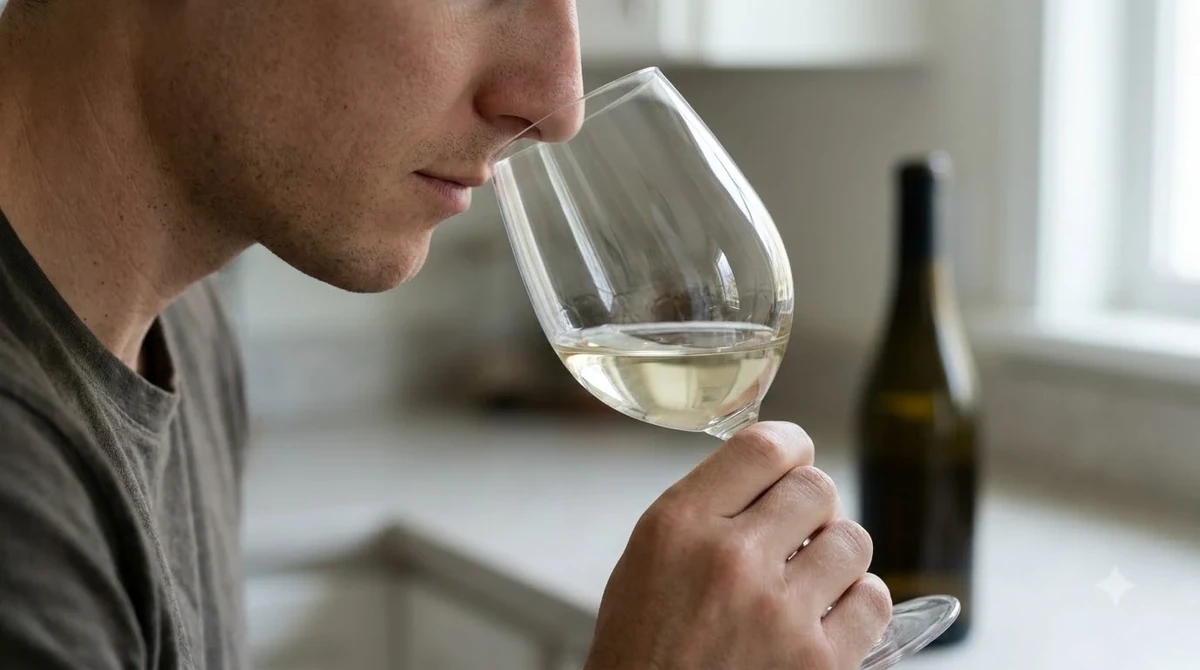
At the most widely distributed level sits the Sonoma Coast Chardonnay, first introduced with the 2005 vintage. As detailed in the Sonoma-Cutrer Sonoma Coast Chardonnay technical sheet, this 100 percent Chardonnay bottling typically checks in at 13.9 percent ABV, sees roughly eight months of aging with 14 percent new French oak and 86 percent neutral oak, and undergoes full malolactic fermentation split between barrel and tank. Just above it in concentration is Russian River Ranches Chardonnay, the winery’s signature flagship cuvee crafted from select estate blocks and partner growers in the Russian River Valley and Sonoma Coast.
For drinkers exploring site-specific terroir, Sonoma-Cutrer bottles single-vineyard Chardonnays from standout estate parcels. The Cutrer Chardonnay comes from rolling hills of ancient ocean floor and volcanic soils on the main 450-acre Windsor estate, where low-nutrient earth restricts vine vigor and concentrates flavor. Les Pierres Chardonnay hails from a former rock quarry at the southern end of the Sonoma Coast appellation, where soils contain 50 to 70 percent rock, yielding tightly focused wines with pronounced minerality. Additional single-vineyard and cellar offerings include Vine Hill Chardonnay from Goldridge sandy loam slopes, plus a limited Winemaker’s Release Sauvignon Blanc.
| Bottling | Primary Grape | Appellation | Typical ABV | Defining Style Traits |
|---|---|---|---|---|
| Sonoma Coast Chardonnay | 100% Chardonnay | Sonoma Coast | 13.9% | Bright citrus, Golden Delicious apple, subtle barrel spice, crisp finish |
| Russian River Ranches Chardonnay | 100% Chardonnay | Sonoma Coast / Russian River Valley | 13.8% | Flagship balance of ripe pear, lemon curd, toasted almond, and lively acidity |
| The Cutrer Chardonnay | 100% Chardonnay | Russian River Valley | 13.9% | Richer stone fruit, white peach, baking spice, and silky, layered mid-palate |
| Les Pierres Chardonnay | 100% Chardonnay | Sonoma Coast | 13.9% | Steely minerality, grapefruit, lime zest, and tightly focused acidity from rocky soils |
| Winemaker’s Release Sauvignon Blanc | 99% Sauvignon Blanc, 1% Chardonnay | Russian River Valley | 13.2% | Vibrant lemon, Mandarin orange, green apple, and refreshing, medium-bodied texture |
Taste Profile and Critical Reception
Across the core Chardonnay range, Sonoma-Cutrer white wines exhibit a medium straw hue and balance orchard fruit, citrus zest, and restrained French oak spice against brisk coastal acidity.
According to producer tasting notes for the Sonoma Coast Chardonnay, the nose opens with white peach, nectarine, apple blossom, and hints of pineapple before moving into flavors of ripe pear, Golden Delicious apple, and gentle barrel spice. Because the winery relies largely on neutral French oak rather than heavy new toasted barrels, vanilla, clove, and toasted nut nuances frame the fruit rather than masking it. Malolactic fermentation softens sharp malic acid into a rounder, creamier mouthfeel reminiscent of lemon curd or pastry, yet the underlying pH—around 3.4 on the Sonoma Coast bottling—keeps the finish brisk and clean.
Wine critics frequently highlight this textural balance when reviewing recent releases. Reviewers at Wine Enthusiast have awarded the Sonoma Coast and Russian River Ranches bottlings scores between 90 and 92 points, noting layers of baked apple, honeyed peach, and vanilla carried on an elegant, lifted frame. Wine Spectator reviewers similarly point to smooth texture and notes of lemon meringue pie, shortbread, and wildflower honey. Meanwhile, the estate’s small-batch Sauvignon Blanc trades barrel richness for zesty aromatics of grapefruit, lemon, green apple, and orange blossom with a crisp, lively finish.
How to Serve and Pair Sonoma-Cutrer
Serving Sonoma-Cutrer white wines slightly warmer than refrigerator temperature—around 50 to 55 degrees Fahrenheit—allows their stone fruit aromatics and subtle oak spice to open fully without dulling the acidity.
Pulling a bottle straight from a standard household refrigerator at 38 to 40 degrees Fahrenheit can mute the delicate white peach, pear, and toasted nut notes on the nose. Letting the bottle rest on the counter for 15 to 20 minutes before pouring brings it into the ideal cellar-cool window. Standard white wine glasses with a moderately wide bowl work well for the Sonoma Coast and Russian River Ranches bottlings, while a slightly larger Burgundy-style Chardonnay glass gives single-vineyard releases like The Cutrer or Les Pierres extra room to aerate. Decanting is unnecessary for current vintages, which are crafted to show smoothly right upon uncorking or unscrewing.
At the dinner table, the combination of creamy texture and bright citrus acidity makes these Chardonnays highly adaptable partners for rich proteins and coastal seafood. Classic pairings include roast herb chicken, pan-seared halibut or sea bass with lemon butter, Dungeness crab cakes, and grilled shrimp. The wine’s acidity cuts cleanly through cream sauces such as fettuccine Alfredo or corn and crab chowder, while its toasted almond and baking spice undertones echo aged Alpine cheeses like Gruyere and Comte or soft triple-cream Brie.
Tip: Reseal leftover Chardonnay tightly with its screw cap or a wine stopper and store it upright in the refrigerator; most Sonoma-Cutrer whites retain bright fruit and structure for three to five days after opening.
Who Sonoma-Cutrer White Wine Suits
Sonoma-Cutrer white wines suit drinkers who appreciate classic California Chardonnay fruit and subtle oak creaminess but prefer brisk, food-friendly acidity over heavy, overly buttery styles.
If your palate gravitates toward structured European whites—such as white Burgundy from Macon or Chablis, or crisp Italian whites featured in our overview of zenato wine—Sonoma-Cutrer offers a familiar sense of restraint and mineral precision alongside riper Pacific coast orchard fruit. Diners who normally find heavily oaked domestic Chardonnays tiring after a single glass often find the Sonoma Coast and Les Pierres bottlings far more refreshing.
Conversely, drinkers looking for sweet, low-acid crowd-pleasers or fruit-forward blends like those explored in our guide to main and vine wine or apothic brew may find Sonoma-Cutrer drier and more linear than expected. Within the broader landscape of domestic Wine Brands, Sonoma-Cutrer sits comfortably in the mid-premium tier: accessible enough for weeknight roast chicken yet nuanced enough in its single-vineyard releases for celebratory dinners.
Frequently Asked Questions
Is Sonoma-Cutrer white wine sweet or dry?
Sonoma-Cutrer white wines are dry table wines with virtually no residual sugar. Ripe flavors of white peach, pear, pineapple, and vanilla can give an impression of fruit richness on the mid-palate, but crisp coastal acidity keeps the finish clean and dry.
Is Sonoma-Cutrer Chardonnay heavily oaked or buttery?
Sonoma-Cutrer uses moderate, restrained oak aging rather than heavy new-barrel toast. On the Sonoma Coast Chardonnay, for instance, only about 14 percent of the barrels are new French oak while 86 percent are neutral oak, creating a silky texture with subtle spice rather than an overpowering butter bomb.
What is the difference between Sonoma-Cutrer Sonoma Coast and Russian River Ranches?
Sonoma Coast Chardonnay is blended entirely from cool-climate Sonoma Coast fruit and highlights bright apple, citrus, and crisp acidity. Russian River Ranches is the winery’s flagship cuvee, drawing from premier estate vineyards across both the Russian River Valley and Sonoma Coast for slightly deeper stone fruit complexity and a longer, layered finish.
Does Sonoma-Cutrer make any white wine besides Chardonnay?
Yes, Sonoma-Cutrer produces a small-lot Winemaker’s Release Sauvignon Blanc sourced from the Russian River Valley. Typically blended with around 1 percent Chardonnay and bottled near 13.2 percent ABV, it offers bright grapefruit, lemon, and green apple notes rather than barrel-aged richness.
Whether you start with a widely available bottle of Sonoma Coast Chardonnay or seek out rocky, mineral-driven single-vineyard releases like Les Pierres, Sonoma-Cutrer demonstrates how Pacific fog and disciplined French oak aging shape California white wine. Serving these bottles properly chilled alongside seafood, poultry, or aged cheeses brings out the bright acidity and layered texture that define the winery’s house style.
More in Wine Brands
 Underwood Wine Price: Compare Bottles, Cans, and Pack SizesUpdated Nov 21, 2026
 Zenato Wine Price: Compare Styles and Choose the Right BottleUpdated Nov 21, 2026
 Zuccardi Wine Price: Compare Bottles and Find the Right RangeUpdated Nov 21, 2026
 Yellow Tail Moscato Review: Taste, Sweetness and Serving TipsUpdated Nov 21, 2026
 Wolf Blass Yellow Label Review: Choose Your Best StyleUpdated Nov 21, 2026
 Wolffer Estate Rose Review: Choose the Right Bottle for Your TableUpdated Nov 21, 2026