

We may earn a commission when you buy through links on this page, at no extra cost to you. Learn more.
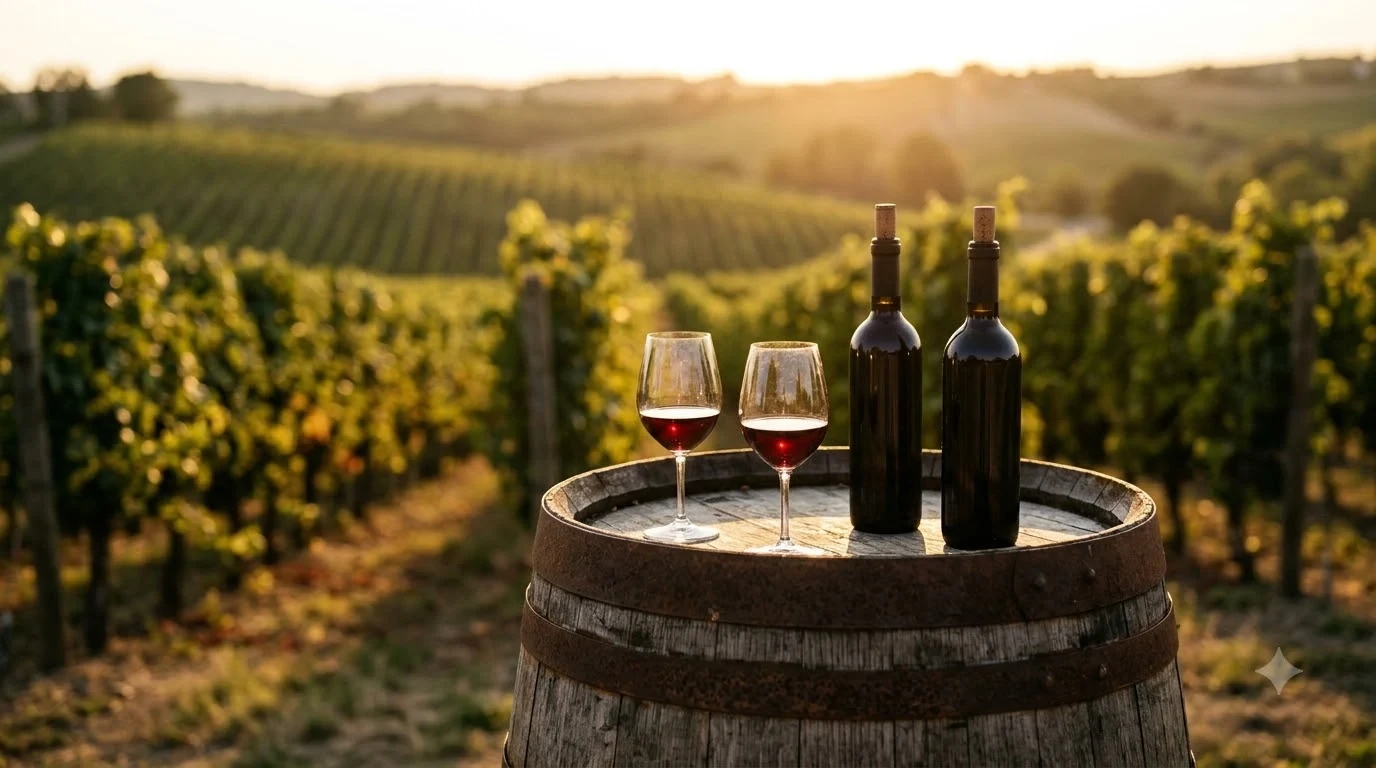
J Vineyards wine is a portfolio of traditional-method sparkling wines and cool-climate varietal still wines produced in Sonoma County’s Russian River Valley. Founded by Judy Jordan in 1986 near Healdsburg, California, the winery built its reputation on Pinot Noir, Chardonnay, and Pinot Meunier sparkling cuvees before expanding into single-vineyard Pinot Noir, Chardonnay, and widely distributed Pinot Gris. Today, the estate farms more than 250 acres of Certified Sustainable vineyards and remains a fixture of both grocery shelves and fine-dining wine lists.
Shoppers usually encounter the brand in two very different settings: either spotting a sleek bottle of California Pinot Gris or Cuvee 20 Brut at a neighborhood wine shop, or booking a multi-course tasting at the Healdsburg estate. Understanding how those tiers fit together makes it much easier to pick the right bottle for dinner, a celebration, or a cellar.
Who Makes J Vineyards Wine
J Vineyards & Winery was founded in 1986 by second-generation vintner Judy Jordan in Healdsburg, California, and is now led by Estate Director and Head Winemaker Nicole Hitchcock. The winery focuses on cool-climate viticulture across Sonoma County’s Russian River Valley.
Judy Jordan grew up in the Sonoma wine community as the daughter of Jordan Vineyard & Winery founder Tom Jordan. After earning a degree in Earth Sciences and Geology from Stanford University, she launched her own sparkling wine project at age 25, starting in an old processing barn with a focus on traditional-method winemaking. Her first release, the 1987 J Vintage Brut, debuted in 1991 and helped establish the brand’s signature brush-stroke “J” emblem on the label.
In 1996, Jordan acquired the former Piper Sonoma winery along Old Redwood Highway just south of Healdsburg, giving the operation a permanent home and Coquard basket presses designed for gentle whole-cluster pressing. Over the following decades, the estate assembled more than 250 acres across roughly nine to ten vineyard blocks in the Russian River Valley, all certified under the California Sustainable Winegrowing Alliance. E. & J. Gallo Winery later acquired the property, preserving its Russian River Valley focus while expanding national distribution for its core releases.
Under Head Winemaker Nicole Hitchcock—named Wine Enthusiast’s Winemaker of the Year in 2022—the cellar maintains Old World sparkling traditions alongside modern still-wine precision. If you are exploring wine brands that bridge everyday retail availability with true estate winemaking, J sits squarely in that middle ground, similar in spirit to heritage names like Zenato wine in Italy.
The J Vineyards Wine Lineup
The J Vineyards portfolio spans three distinct tiers: traditional-method sparkling wines, widely available California and Russian River Valley varietals, and small-lot single-vineyard releases. Each tier draws from specific coastal and valley microclimates to match its intended style.
At the heart of the winery’s identity is its traditional-method sparkling program, modeled on Champagne production where secondary fermentation happens inside each individual bottle. Entry-level bottles like California Cuvee offer bright, fruit-driven bubbles sourced across California’s cool coastal pockets, while Sonoma County and Russian River Valley bottlings such as Cuvee 20 Brut, Brut Rose, Blanc de Blancs, Blanc de Noirs, and Late Disgorged Vintage Brut spend extended time aging on the lees. Certain non-vintage lots of Cuvee 20, for example, blend 52 percent Chardonnay, 43 percent Pinot Noir, and 5 percent Pinot Meunier with a 10-gram dosage for balance.
Alongside the sparklers, the still-wine program has grown into an equal pillar of the brand. J Vineyards California Pinot Gris is one of the winery’s highest-volume releases, fermented in cold stainless steel without malolactic fermentation to preserve crispness. Stepping up into the Russian River Valley appellation tier brings estate-influenced Chardonnay, Pinot Noir, Vin Gris, and single-vineyard Pinot Noir bottlings from sites like Nicole’s Vineyard, Foggy Bend, Eastside Knoll, Canfield, and Annapolis Ridge.
| Wine Tier | Notable Bottles | Primary Grapes | Key Production Detail |
|---|---|---|---|
| Core Sparkling | California Cuvee, Cuvee 20 Brut, Brut Rose | Chardonnay, Pinot Noir, Pinot Meunier | Traditional method; secondary fermentation in bottle with lees aging |
| Vintage & Reserve Sparkling | Vintage Brut, Blanc de Blancs, Blanc de Noirs, Late Disgorged | Chardonnay, Pinot Noir, Pinot Meunier | Extended lees aging up to 11 years on Extra Late Disgorged releases |
| Everyday Still Varietals | California Pinot Gris, Russian River Valley Chardonnay | Pinot Gris, Chardonnay | Stainless steel for Pinot Gris; French oak barrel fermentation for Chardonnay |
| Single-Vineyard & Reserve Still | Barrel 16, Foggy Bend, Eastside Knoll, Annapolis Ridge | Pinot Noir, Chardonnay | Small-lot selections aged in French oak barrels |
Taste Profile and Regional Character
J Vineyards wine is defined by crisp natural acidity, clean orchard and red-berry fruit, and a restrained, savory finish shaped by Pacific coastal fog. Even the riper single-vineyard Pinot Noirs keep a bright structural backbone rather than turning heavy or jammy.
That signature balance comes directly from the Russian River Valley climate. Morning fog rolls inland from the Pacific Ocean through the Petaluma Gap and along the river corridor, cooling the vines overnight before warm afternoon sunshine ripens the fruit. This wide diurnal temperature swing lets Chardonnay, Pinot Noir, and Pinot Gris develop aromatic complexity while holding onto the tart malic acidity essential for sparkling base wines and structured still reds.
In the glass, the sparkling cuvees show distinct layers depending on lees contact and dosage. According to tasting notes from The Wine Advocate and James Suckling on Cuvee 20, the wine combines fine-grained bubbles and a creamy mousse with flavors of Braeburn apple, lemon meringue, brioche, ginger, and white pepper. Brut Rose leans toward mandarin orange, roasted strawberry, and slivered almond, while Extra Late Disgorged releases develop nutty, beeswax, and mushroom-like autolytic depth after more than a decade on the yeast.
The still wines mirror that cool-climate clarity. California Pinot Gris delivers bright notes of Meyer lemon, green apple, white peach, and honeysuckle with a brisk mineral finish. Russian River Valley Chardonnay balances yellow apple, pear, and lemon curd with subtle toasted vanilla from French oak fermentation, whereas the Pinot Noirs layer black cherry, raspberry, cranberry, and cola notes over fine, silky tannins.
How to Serve and Pair J Vineyards Wine
Serving J Vineyards wine at the proper cellar temperature preserves its delicate bubbles and coastal acidity, while its bright fruit and savory structure make it remarkably adaptable at the dinner table. Most bottles require minimal decanting and perform best with thoughtful chilling.
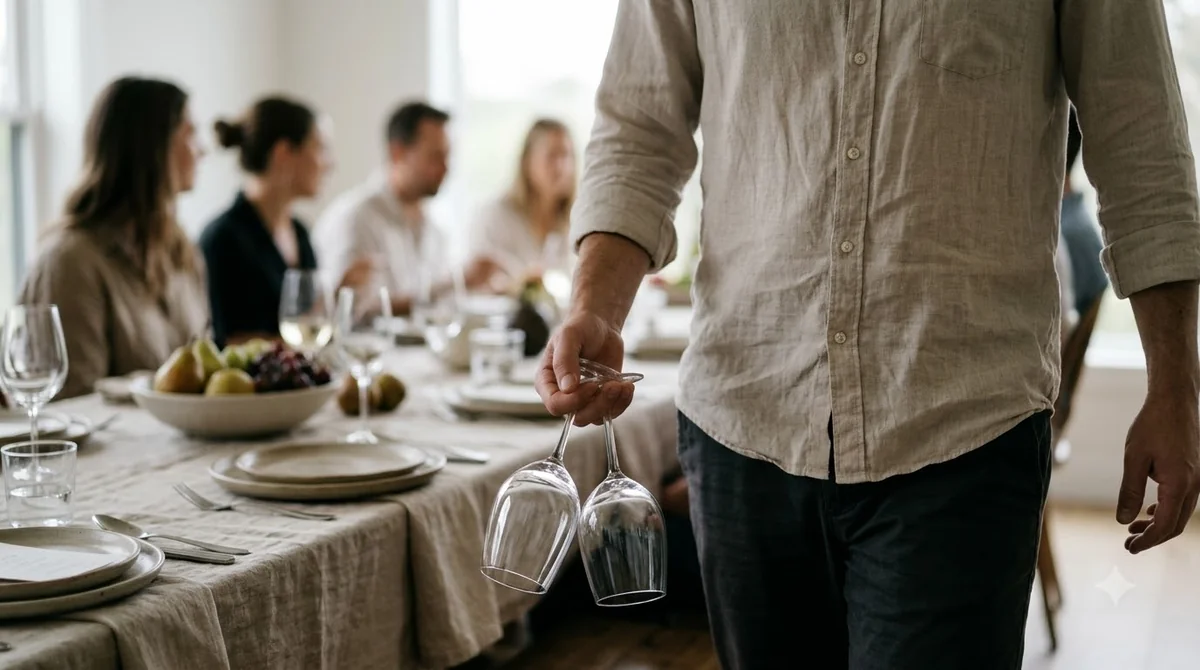
For traditional-method sparkling wines like Cuvee 20, Brut Rose, and Blanc de Blancs, chill the bottle thoroughly in the refrigerator for at least three hours or in an ice-and-water bucket for 20 to 30 minutes before opening. Serve them in tulip-shaped sparkling glasses or standard white wine stems rather than narrow flutes; the wider bowl lets aromas of brioche, citrus peel, and crushed berries open up without dissipating the bead too quickly. California Pinot Gris and Russian River Valley Chardonnay shine slightly warmer than the sparklers, giving their stone-fruit and subtle oak notes room to breathe.
Russian River Valley Pinot Noir benefits from a brief chill before pouring—about 15 to 20 minutes in the refrigerator brings room-temperature bottles down into the ideal cellar range where red fruit stays crisp and alcohol stays tucked in. Young single-vineyard Pinot Noirs also open nicely after 20 to 30 minutes in a decanter or large Burgundy glass.
Tip: Skip narrow champagne flutes when pouring Cuvee 20 or Brut Rose; a tulip glass or white wine glass captures the toasty lees aromas that make traditional-method sparkling wine worth buying.
At the table, the high acidity and creamy texture of J’s sparkling wines cut effortlessly through rich or salty dishes. Head Winemaker Nicole Hitchcock recommends pairing Cuvee 20 with fresh Dungeness crab, melted butter, and crusty sourdough bread, while Brut Rose matches cleanly with cedar-plank salmon, duck prosciutto, or triple-cream brie. California Pinot Gris pairs naturally with ceviche, goat cheese salads, and Thai herb dishes, and Russian River Valley Pinot Noir is a natural partner for roast chicken, wild mushroom risotto, and grilled pork tenderloin.
Who J Vineyards Wine Suits Best
J Vineyards wine suits drinkers who appreciate bright, food-friendly California wines with Old World restraint, whether they are picking up an easy weeknight white or collecting vineyard-designated Pinot Noir. It is less suited to fans of heavily oaked, sweet, or high-extract styles.
For casual shoppers and hosts, the core grocery-tier lineup offers dependable crowd-pleasers without requiring specialist wine knowledge. California Pinot Gris and California Cuvee deliver clean, refreshing fruit profiles that feel right at home alongside Main and Vine wine for everyday dinners, brunch spreads, and outdoor gatherings. Meanwhile, Cuvee 20 and Brut Rose provide genuine traditional-method complexity at a widely accessible tier for anniversaries, toasts, and holiday meals.
Wine enthusiasts and Sonoma travelers get a deeper experience through the winery’s small-lot offerings and Healdsburg hospitality program. At the estate’s Bubble Room and Legacy Lounge, Estate Chef Forest Kellogg rotates seasonal multi-course pairing menus every six to eight weeks alongside library sparklers and single-vineyard Pinot Noirs. Wine drinkers who enjoy crossover craft beverages or playful blends like Apothic Brew may find J’s drier, higher-acid profile noticeably crisper, making it an ideal stepping stone toward classic cool-climate Pinot Noir and sparkling wine.
Frequently Asked Questions
Is J Vineyards wine sweet or dry?
Most J Vineyards wines are made in a dry style. Traditional-method sparkling wines like Cuvee 20 Brut and Brut Rose receive a small dosage—around 9 to 10 grams per liter—purely to balance their crisp coastal acidity rather than to taste sweet, while the still Pinot Gris, Chardonnay, and Pinot Noir are fermented dry.
Where is J Vineyards located?
J Vineyards & Winery is located on Old Redwood Highway just south of downtown Healdsburg in Sonoma County, California. Its vineyards sit within the Russian River Valley American Viticultural Area, a cool coastal region famous for Pinot Noir, Chardonnay, and sparkling wine.
What is J Vineyards best known for?
The winery is best known for its traditional-method sparkling wines—especially Cuvee 20 Brut and Brut Rose—alongside its Russian River Valley Pinot Noir and crisp California Pinot Gris. It is also well regarded for its Bubble Room tasting experience in Healdsburg, which pairs estate releases with seasonal multi-course menus.
Can you age J Vineyards sparkling wine and Pinot Noir?
Non-vintage releases like Cuvee 20 and California Pinot Gris are crafted to be enjoyed fresh upon release, though Cuvee 20 holds well in a cool dark place for two to three years. Vintage sparkling wines, Late Disgorged releases, and single-vineyard Russian River Valley Pinot Noirs have the acidity and structure to develop gracefully in a proper cellar for five to ten years.
Whether you start with a chilled bottle of California Pinot Gris for weeknight seafood or uncork a bottle of Cuvee 20 for a celebratory dinner, J Vineyards wine offers a reliable window into Russian River Valley winemaking. Paying attention to the appellation on the label—California for crisp everyday drinking, Russian River Valley for layered estate character—will point you straight to the style that fits your table best.
More in Wine Brands
 Underwood Wine Price: Compare Bottles, Cans, and Pack SizesUpdated Nov 21, 2026
 Zenato Wine Price: Compare Styles and Choose the Right BottleUpdated Nov 21, 2026
 Zuccardi Wine Price: Compare Bottles and Find the Right RangeUpdated Nov 21, 2026
 Yellow Tail Moscato Review: Taste, Sweetness and Serving TipsUpdated Nov 21, 2026
 Wolf Blass Yellow Label Review: Choose Your Best StyleUpdated Nov 21, 2026
 Wolffer Estate Rose Review: Choose the Right Bottle for Your TableUpdated Nov 21, 2026