

We may earn a commission when you buy through links on this page, at no extra cost to you. Learn more.
Faustino red wine is a classic Spanish Rioja line produced by Bodegas Faustino in Oyón, Rioja Alavesa, led by the Tempranillo grape and aged in oak barrels. The lineup is best known for its matte bottles featuring a seventeenth-century portrait and a Roman numeral naming system where lower numbers signal longer barrel and bottle maturation. Its flagship, Faustino I Gran Reserva, is one of the most widely exported Rioja Gran Reservas in the world, delivering savory notes of dried cherry, vanilla, leather, and sweet spice.
Walking down the Spanish wine aisle in any American shop, that frosted bottle with the classic Dutch-style portrait immediately catches the eye. While many shoppers recognize the label, the Roman numerals and traditional Spanish aging tiers can feel confusing at first glance. Understanding how Bodegas Faustino structures its reds makes choosing the right bottle for tonight’s dinner straightforward.
Who Makes Faustino Red Wine
Bodegas Faustino is a family-owned winery founded in 1861 in Oyón, a town located within the Rioja Alavesa sub-region of northern Spain. Today, the estate is operated by the Martínez Zabala family and ranks among the largest vineyard owners in the Denominación de Origen Calificada (DOCa) Rioja, managing roughly 650 to 700 hectares across all three Rioja sub-regions.

The winery’s roots trace back to Eleuterio Martínez Arzok, who began producing and selling bulk wine in Oyón during the second half of the nineteenth century. In the 1960s, the family shifted toward estate-bottled branding and launched Faustino I Gran Reserva following the legendary 1964 Rioja vintage. According to the Consejo Regulador DOCa Rioja, the winery maintains a massive cellar stock of over nine million bottles of Reserva and Gran Reserva wines resting in its temperature-controlled vaults.
Unlike boutique producers that source fruit exclusively from a single hillside, Bodegas Faustino draws from vineyards in Rioja Alavesa, Rioja Alta, and Rioja Oriental. High-elevation chalky soils in Rioja Alavesa and Rioja Alta provide bright acidity and aromatic finesse, while warmer sites in Rioja Oriental contribute deeper color and ripe body. Much like exploring other established wine brands, learning how Faustino blends these distinct microclimates explains why its house style stays consistent from vintage to vintage.
The Faustino Red Wine Lineup
Faustino organizes its core red wines using Roman numerals and official Spanish aging classifications, where a smaller Roman numeral indicates longer maturation before release. Every bottle in the standard red range relies primarily on Tempranillo, occasionally blended with small portions of Graciano and Mazuelo in the top tiers.
Under DOCa Rioja regulations, red wines earn specific back-label seals based on minimum time spent in oak barrels and glass bottles. Crianza requires at least two years of total aging with one year in oak, Reserva requires three years total with at least one year in oak, and Gran Reserva mandates five years total with at least two years in oak and three in bottle. Bodegas Faustino frequently exceeds these legal minimums, aging its top Gran Reservas in a cellar stocked with tens of thousands of predominantly American oak barriques.
| Bottle Name | Rioja Tier | Primary Grapes | Oak & Bottle Aging | Core Style |
|---|---|---|---|---|
| Faustino VII Tinto | Joven / Oak-Aged Young | Tempranillo | Short maturation in American oak (around 10 months) | Bright red fruit, supple tannins, light spice |
| Faustino Crianza | Crianza | Tempranillo | Around 14 months in American oak barrels | Fresh cherry, vanilla, balanced acidity |
| Faustino V Reserva | Reserva | Tempranillo, Mazuelo | Minimum 3 years total, at least 16–24 months in oak | Ripe plum, toasted oak, rounded structure |
| Faustino I Gran Reserva | Gran Reserva | Tempranillo, Graciano, Mazuelo | At least 24–26 months in oak plus 3+ years in bottle | Dried cherry, leather, tobacco, vanilla, silky finish |
Beyond the everyday core range, the winery periodically releases special cellar selections such as Gran Faustino I Gran Reserva and the Mythical Vintage series. These bottles come from harvests rated as exceptional by the Rioja regulatory board and rest in the Oyón cellars for a decade or more before reaching retail shelves. If you enjoy comparing traditional European house styles such as Zenato wine from Italy alongside Spanish classics, Faustino’s tiered system offers a clear roadmap from young and fruity to mature and tertiary.
Taste Profile and Winemaking Style
Faustino red wine embodies the classic, oak-aged Rioja profile characterized by medium-to-full body, bright natural acidity, and prominent notes of vanilla, coconut, and sweet baking spice. Because the winery relies heavily on American oak barrels—accounting for roughly eighty percent of its barrel stock—its reds develop signature aromatic warmth alongside red and dark berry fruit.
In younger bottlings like Faustino VII and Faustino Crianza, primary fruit flavors lead the palate. Reviewers note lively aromas of crushed strawberry, red cherry, and raspberry accented by gentle hints of toasted wood and cinnamon. The tannins remain soft and approachable right out of the bottle, making these tiers easy to enjoy without decanting.
As you move up to Faustino V Reserva and Faustino I Gran Reserva, extended oxygen exchange inside the barrel and slow bottle maturation transform the wine’s character. Reviewers at Wine Enthusiast and Wine Spectator frequently highlight how aged vintages of Faustino I trade fresh berry brightness for savory layers of dried plum, tobacco leaf, old leather, cedar, and orange peel. Alcohol levels across the red range typically sit between 13.5 and 14 percent ABV, keeping the finish balanced rather than heavy.
Tip: When opening an older vintage of Faustino I Gran Reserva, stand the bottle upright for 24 hours beforehand so natural sediment settles to the bottom, then decant gently for 30 to 45 minutes before pouring.
How to Serve and Pair Faustino Red Wine
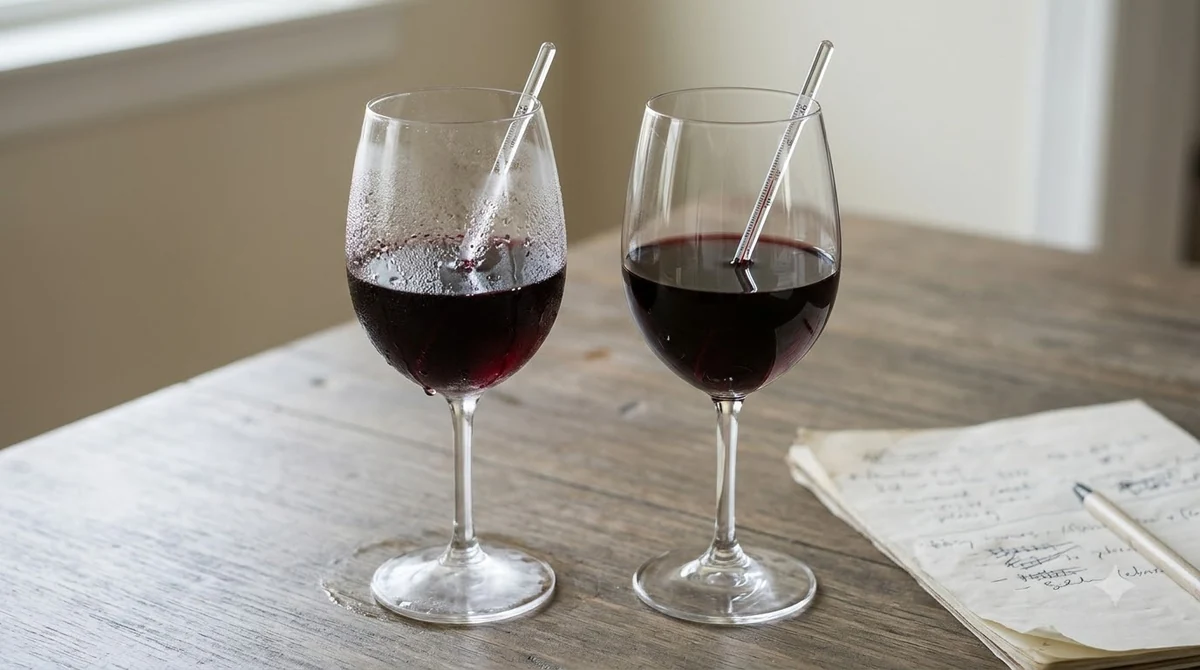
Proper serving temperature and thoughtful food pairings bring out the savory acidity and oak spice in Faustino’s Tempranillo blends. Serving red Rioja too warm emphasizes alcohol, while serving it slightly cool keeps the red fruit crisp and refreshing.
For Faustino VII Tinto, aim for a light cellar chill around 59 to 61 degrees Fahrenheit (15 to 16 degrees Celsius) in a standard medium-sized red wine glass. Faustino Crianza and Faustino V Reserva shine best at 61 to 63 degrees Fahrenheit (16 to 17 degrees Celsius). For mature bottles of Faustino I Gran Reserva, serve between 63 and 65 degrees Fahrenheit (17 to 18 degrees Celsius) in a tall, wide-bowled Bordeaux glass that gives complex leather and spice aromas room to open.
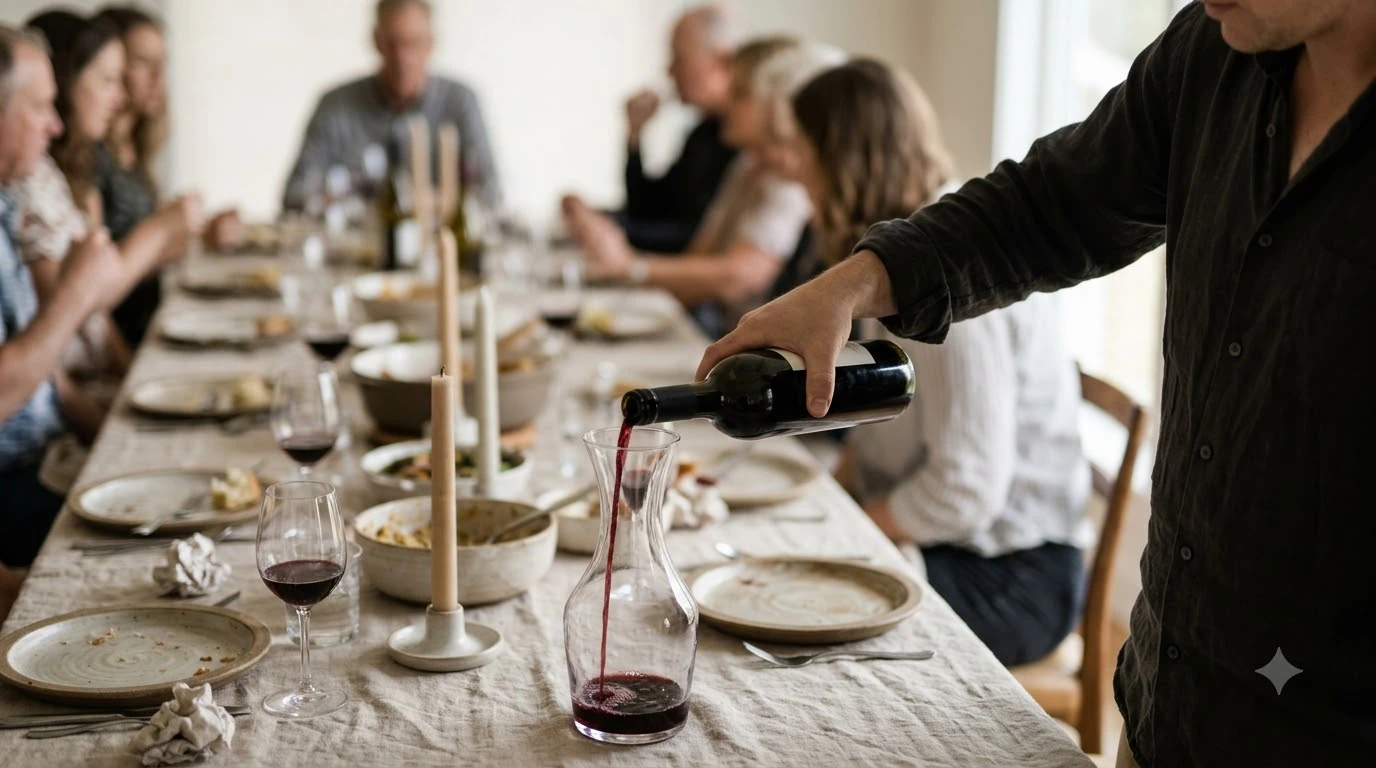
At the dinner table, Tempranillo’s natural acidity and moderate tannins make it remarkably versatile with savory foods. Younger bottles like Faustino VII and Crianza pair effortlessly with tapas, chorizo, flatbreads, and roasted chicken—much like approachable domestic pours such as Main and Vine wine fit casual weeknight meals. Step up to Faustino V Reserva or Faustino I Gran Reserva when serving herb-crusted rack of lamb, grilled ribeye, jamón ibérico, wild mushroom risotto, or aged sheep’s milk cheeses like Manchego.
Who Faustino Red Wine Suits Best
Faustino red wine suits drinkers who appreciate traditional European structure, savory oak complexity, and ready-to-drink maturity rather than jammy, high-alcohol fruit bombs. Because Bodegas Faustino holds its Reserva and Gran Reserva bottles in its own cellars until they reach peak integration, buyers do not need a home wine cellar to enjoy aged wine.
Wine lovers who typically reach for plush, modern blends like Apothic Brew will notice that Faustino finishes drier, brighter, and noticeably more earthy. Conversely, fans of classic Cabernet Sauvignon, Bordeaux, or Chianti Classico often gravitate toward Faustino V and Faustino I for their dusty tannins, cedar notes, and food-friendly acidity. Whether you need an unfussy weeknight red or a mature celebratory bottle with a decade of bottle age already complete, the numbered label tells you exactly what style sits inside.
Frequently Asked Questions
What do the Roman numerals on Faustino wine labels mean?
The Roman numerals indicate the aging tier of the wine, with lower numbers representing longer maturation. Faustino VII is the young, fruit-forward red, Faustino V is the oak-aged Reserva, and Faustino I is the flagship Gran Reserva aged for at least five years before release.
Is Faustino red wine dry or sweet?
Faustino red wines are fully dry table wines with virtually no residual sugar. Ripe cherry fruit and American oak aging contribute sweet-smelling notes of vanilla, coconut, and caramel, which can give a smooth, rounded impression on the palate despite the dry finish.
What grape is used in Faustino red wine?
Tempranillo is the primary grape in every Faustino red wine, forming 100 percent of the blend in Faustino VII and Faustino Crianza. In Faustino V Reserva and Faustino I Gran Reserva, Tempranillo is blended with small amounts of traditional Rioja varieties like Graciano and Mazuelo for added color, acidity, and aging longevity.
Does Faustino I Gran Reserva need to be aged at home?
No, Faustino I Gran Reserva is aged in the winery’s cellars in Oyón for a minimum of five years—and often much longer—before being released for sale. While well-stored bottles from strong vintages can continue developing for another decade or more, every bottle is ready to drink the day you buy it.
By matching the Roman numeral on the matte bottle to your meal, you can navigate Bodegas Faustino’s portfolio with confidence. Choose Faustino VII or Crianza for vibrant berry fruit at casual gatherings, or reach for Faustino V and Faustino I when a special roast calls for silky, cellar-aged Rioja complexity.
More in Wine Brands
 Underwood Wine Price: Compare Bottles, Cans, and Pack SizesUpdated Nov 21, 2026
 Zenato Wine Price: Compare Styles and Choose the Right BottleUpdated Nov 21, 2026
 Zuccardi Wine Price: Compare Bottles and Find the Right RangeUpdated Nov 21, 2026
 Yellow Tail Moscato Review: Taste, Sweetness and Serving TipsUpdated Nov 21, 2026
 Wolf Blass Yellow Label Review: Choose Your Best StyleUpdated Nov 21, 2026
 Wolffer Estate Rose Review: Choose the Right Bottle for Your TableUpdated Nov 21, 2026