

We may earn a commission when you buy through links on this page, at no extra cost to you. Learn more.
The best crystal decanter for most wine drinkers is a wide-base, lead-free crystal vessel with a standard 750-milliliter to 1.5-liter capacity, as it maximizes oxygen exposure while remaining durable and easy to clean. Choosing the right silhouette depends heavily on the age and body of the bottles you open most frequently. Young, full-bodied reds need broad, sweeping bowls to soften tannins quickly, whereas fragile older vintages require narrow, upright profiles that separate sediment without over-aerating delicate aromas.
Crystal has long been the preferred material for serious wine service because its high refractive index gives wine remarkable visual brilliance, while its structural strength allows glassmakers to blow thinner, more expressive shapes than standard soda-lime glass. Whether you are shopping for an everyday weeknight pourer or a sculptural centerpiece for dinner parties, matching the decanter geometry to your cellar habits makes a noticeable difference in the glass.
Quick Comparison
Different decanter silhouettes control how much surface area of the wine meets the air and how easily you can manage sediment or storage space.
| Decanter Type | Best Wine Style | Aeration Speed | Ease of Cleaning | Storage Footprint |
|---|---|---|---|---|
| Wide-Base (Ship’s) | Young, full-bodied reds | Fast | Moderate | Large |
| Narrow / Upright | Aged reds and delicate whites | Slow | Easy | Compact |
| Swan / Duck | Special occasions and magnums | Fast | Difficult | Large |
| Integrated Aerator | Weeknight drinking | Immediate | Moderate | Compact |
| Square / Stoppered | Spirits and short-term serving | Minimal | Easy | Compact |
Best for Young, Full-Bodied Reds
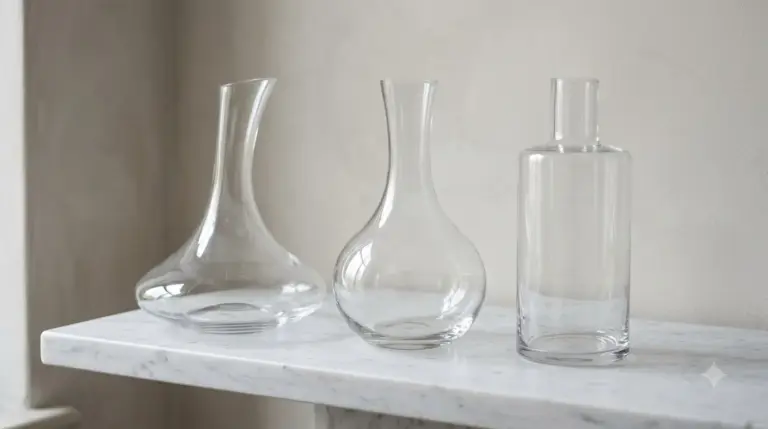
A classic wide-base crystal decanter—often called a ship’s decanter—features a broad, flat bottom and a tapering neck that exposes a full 750-milliliter bottle to the maximum possible surface area of oxygen.
Why it stands out: According to Wine Folly’s guide to choosing a wine decanter, crystal is stronger than standard glass, which allows artisans to craft wide, sweeping bases with thin walls that showcase a wine’s deep ruby or garnet hue. Spreading the wine into a thin layer across a broad base accelerates oxidation, softening harsh tannins and blowing off closed, reductive aromas in young Cabernet Sauvignon, Syrah, Malbec, or Barolo within 30 to 60 minutes. The low center of gravity also makes this shape exceptionally stable on a crowded dining table.
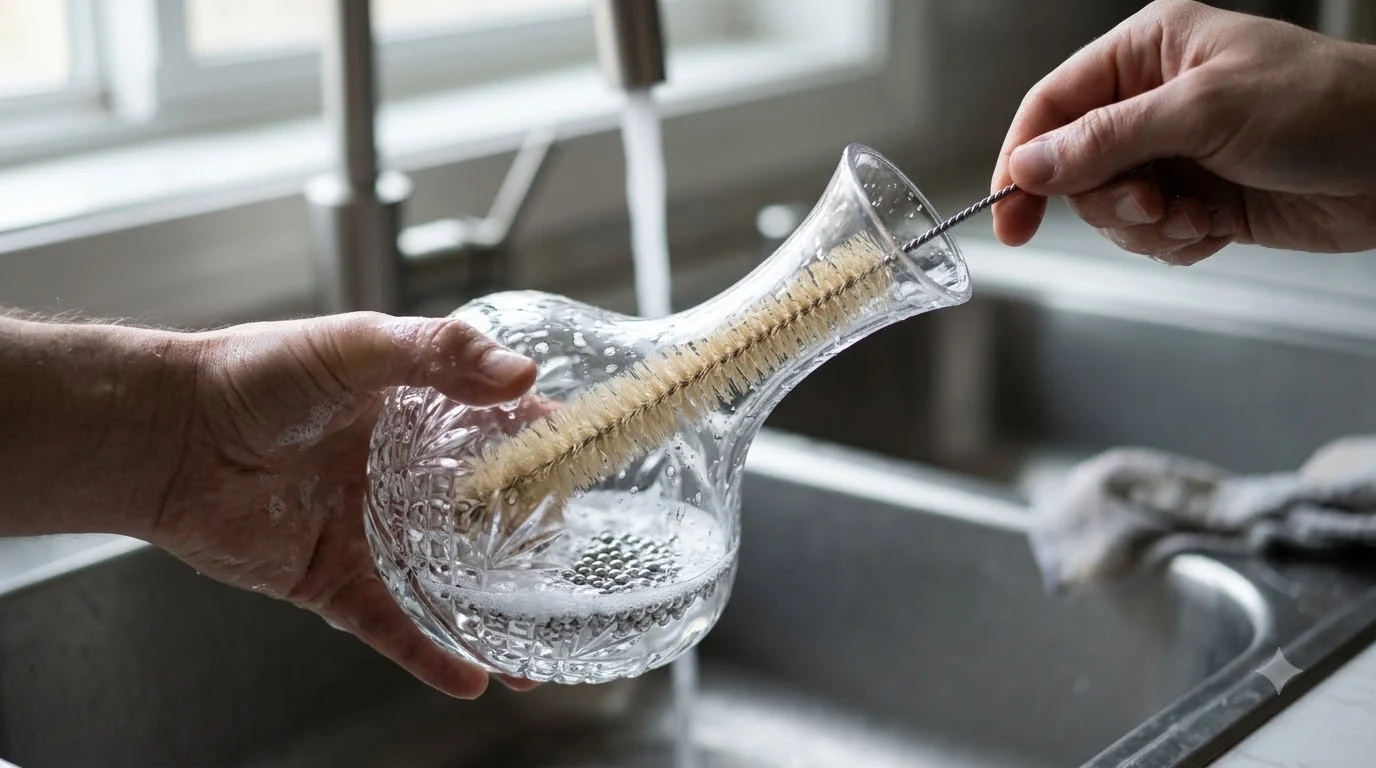
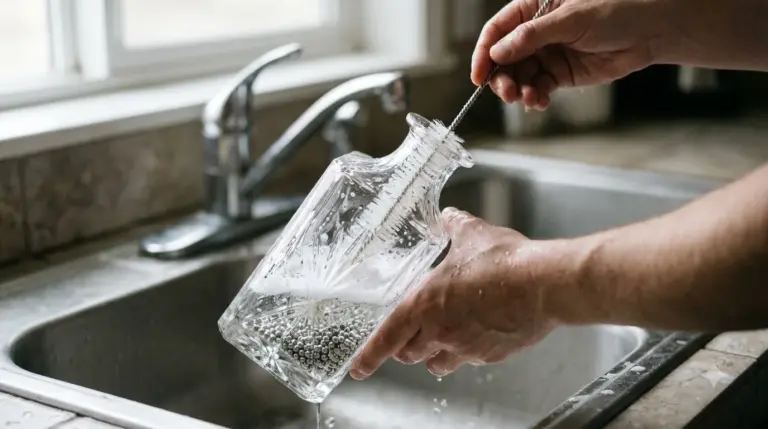
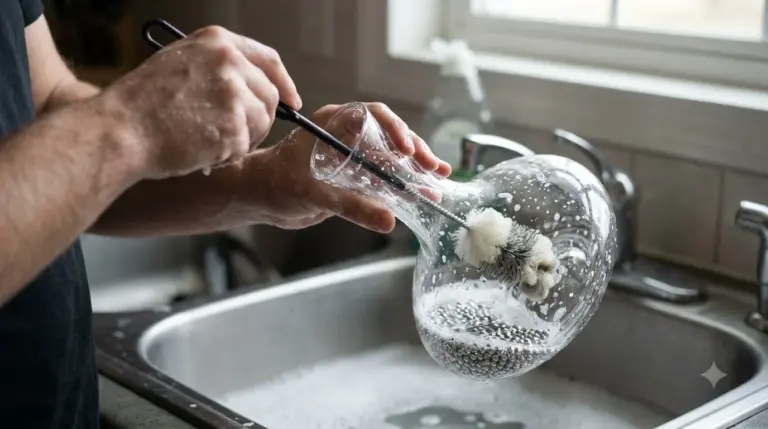
Keep in mind and best for: Because the base can measure eight to ten inches across, this style demands generous cabinet clearance and a dedicated drying stand to prevent water spots from pooling at the bottom. Reviewers note that reaching the outer edges of the base requires a bent foam brush or stainless-steel cleaning beads. This is the ideal choice for hosts who regularly open bold, youthful reds and want reliable, no-fuss performance from a versatile wine decanter.

- Material
- Lead-free crystal
- Volume
- 800 mL (about 27 oz)
- Height
- 215 mm (about 8 in)
- Stopper
- Crystal stopper
Young, full-bodied reds often open up with a little air, and this round decanter gives them room to do it. The lead-free crystal body holds 800 mL, stands about 8 inches tall, and comes with a matching crystal stopper. Its clear, modern shape fits most decor, so it works as a plain everyday pour-and-serve vessel on the dinner table.
Pros & ConsView
- Lead-free crystal construction
- Matching crystal stopper included
- 800 mL volume suits a standard bottle
- Smaller footprint than tall show decanters
- Listed as a liquor decanter, no aerating base
Best for Aged Vintages and Delicate Wines
A tall, slender, or medium-bellied crystal decanter with a narrower base limits oxygen exposure while providing a clear view of the shoulder during pouring to catch bitter sediment.
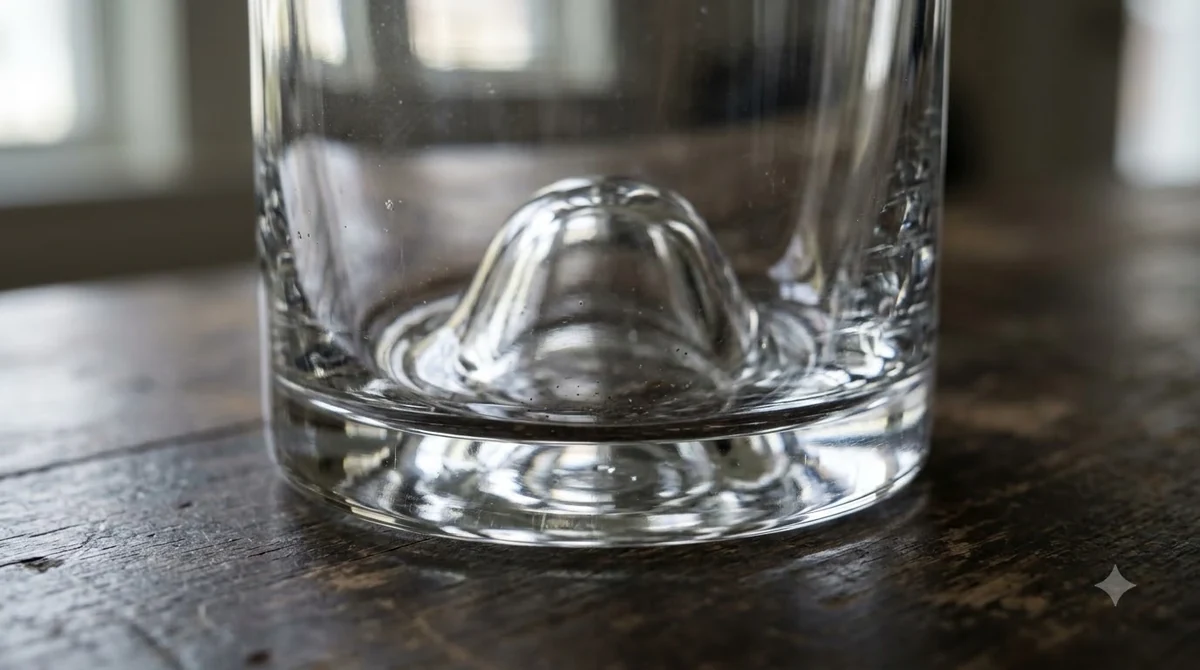
Why it stands out: Older bottles of Bordeaux, Rioja, or Vintage Port have already spent years slowly evolving through the cork, meaning aggressive aeration can strip away their nuanced tertiary aromas of dried fruit, leather, and earth in minutes. A narrower profile keeps the surface-to-volume ratio small, letting the wine breathe gently while holding back fine particulate matter that settles at the bottom of the bottle. Many crystal designs in this category also include an indented punt at the base, giving your thumb a secure grip for steady, one-handed pouring.
Keep in mind and best for: You will still want to stand an aged bottle upright for at least 24 hours before opening so sediment drops cleanly to the bottom, and pour slowly over a light source. If you do not finish the entire vessel in one sitting, knowing how long does red wine last after opening helps prevent over-oxidation overnight. Choose this silhouette if your collection leans toward mature cellar bottles, Pinot Noir, or aromatic whites like aged Riesling and white Burgundy that benefit from a slight chill.
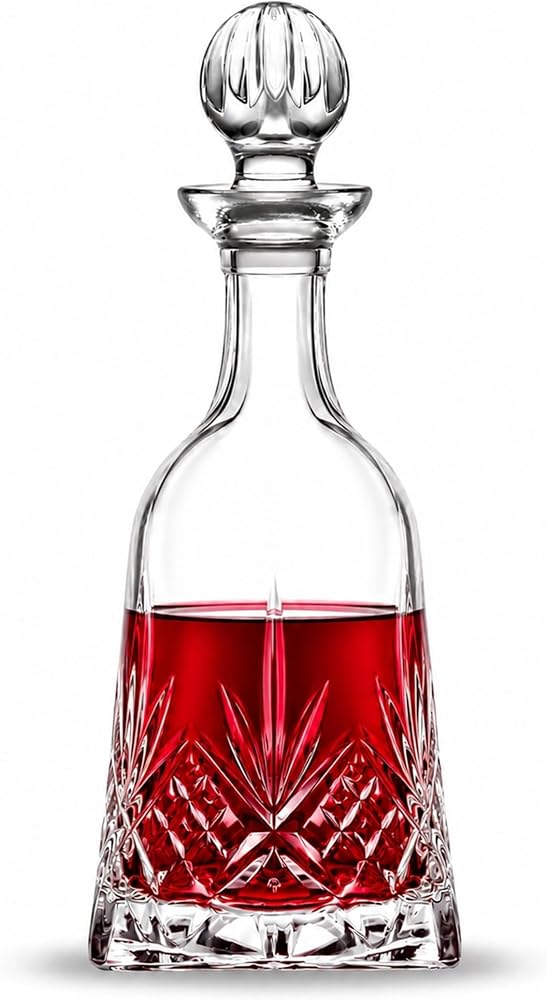
Older vintages and delicate wines call for a slow, careful pour, and this tall square decanter is designed for easy pouring. The glass body is described as non toxic, the glass stopper keeps the contents covered between servings, and the classic styling suits a bar cart or hosting table. At 13 inches tall it also doubles as a display piece.
Pros & ConsView
- Easy pour design for controlled serving
- Glass stopper covers contents between pours
- Tall 13 inch profile with classic styling
- Needs roomy shelf space at 13 inches tall
- Listed as a liquor decanter, not wine specific
Best for Dramatic Table Presentation
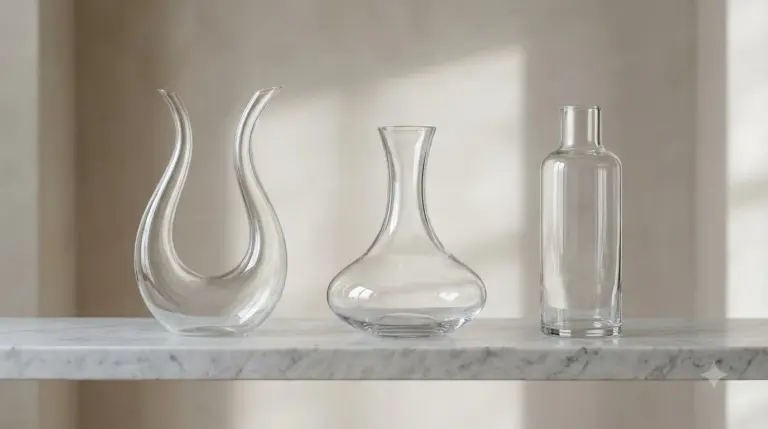
Sculptural swan, duck, and U-shaped crystal decanters use elongated, curved necks and dual openings to turn wine service into a centerpiece moment while aerating wine twice during filling and pouring.
Why it stands out: Hand-blown lead-free crystal allows glassblowers to stretch molten material into graceful, asymmetrical curves that would crack or sag in ordinary glass. As you pour wine into the wider tail or funnel opening, the liquid sheets along the interior curve, creating immediate turbulence and oxygen pickup before settling into the belly. When serving guests, the slender, angled spout offers pinpoint control that prevents drips from staining linen tablecloths.
Keep in mind and best for: Dramatic curves come with practical trade-offs in maintenance and storage. Standard bottle brushes cannot navigate tight bends, so you will need flexible cleaning beads and patient air-drying on a specialized rack to avoid mineral buildup. These artistic pieces are best for collectors, holiday hosts, and gift buyers who value table theater alongside functional aeration.

- Capacity
- 29 oz (828 ml)
- Material
- Non-lead glass
- Stopper
- Air-tight glass stopper
- Care
- Dishwasher safe
Made for a dramatic table presentation, this decanter shows off an engraved rhombus pattern that refracts light across a thick, heavy-weighted base. It holds 29 ounces, closes with an air-tight glass stopper, and arrives in a foam-protected gift box. The classic European styling gives a dinner centerpiece real visual weight, and it is dishwasher safe afterward.
Pros & ConsView
- Engraved pattern catches light on the table
- Thick sides and heavy weighted base
- Air-tight glass stopper, dishwasher safe
- Heavy base adds weight when it is full
- Tall 10.4 inch height needs clearance
Best for Quick Weeknight Aeration
Crystal decanters paired with built-in shower-head aerators or mesh sediment strainers bypass the hour-long wait by infusing wine with oxygen the moment you empty the bottle.
Why it stands out: Editors at Wine Enthusiast highlight filtering and aerating decanter systems for their ability to clarify wine and release bound aromatic compounds in seconds rather than hours. These designs typically feature a precision-engineered crystal carafe topped with a perforated glass or stainless-steel dispersion funnel that cascades wine down the interior walls. The increased surface contact mimics a traditional decant almost instantly, while an integrated fine-mesh screen traps tartrate crystals and stray cork fragments.
Keep in mind and best for: Multi-piece systems require washing the aerator insert and filter screen separately from the crystal body, and small detachable parts can be misplaced if not stored together. Still, if you explore modern Aerators & Decanters for spontaneous Tuesday-night dinners when you forgot to open a bottle ahead of time, this hybrid style delivers immediate drinkability.

- Capacity
- 34 oz
- Material
- Glass
- Stopper
- Leakproof glass stopper
- Size
- 4.6"W x 9"H
When a weeknight bottle needs to go straight into a decanter with no ceremony, this 34-ounce clear glass pitcher is a simple answer. It holds wine or spirits, closes with a leak-proof glass stopper, and its 9 inch height tucks easily into a kitchen cabinet or a home bar. The crystal-inspired finish keeps the look tidy but unfussy.
Pros & ConsView
- Leakproof glass stopper
- Large 34 oz capacity
- Compact 9 inch height
- Glass, not true crystal
- Listed weight of 3.6 pounds is substantial
Best for Spirits and Entertaining Sets
Heavy-base square or faceted crystal decanters fitted with ground-glass stoppers provide an airtight seal and timeless bar-cart appeal for whiskey, bourbon, brandy, or short-term wine service.
Why it stands out: Unlike open-neck wine carafes built to encourage airflow, stoppered decanters are designed to protect contents from evaporation and dust while displaying amber spirits or fortified wines through brilliant light-catching facets. Thick crystal walls give the vessel reassuring heft in the hand, and precision-lapped stoppers create a snug seal that preserves aroma integrity between pours. Many of these vessels are sold alongside matching tumblers or stemware as a cohesive decanter set for home bars and formal dining rooms.
Keep in mind and best for: Even when using modern lead-free crystal, stoppered decanters are intended for serving and short-to-medium-term display rather than multi-year spirit aging, and they do not provide enough surface area to aerate tight young red wines. Pick this style if you want a versatile bar-cart anchor for bourbon, scotch, Port, or formal entertaining.

- Capacity
- 33.8 oz
- Material
- Lead-free glass
- Style
- Diamond cut
- Care
- Dishwasher safe
Built around spirits, this decanter suits entertaining sets where whiskey, bourbon or scotch is served from one bottle at the bar. The diamond cut pattern takes cues from vintage barware, and the heavy body is comfortable to hold and pour. It holds 33.8 ounces, is made from recyclable lead-free glass, and goes in the dishwasher.
Pros & ConsView
- Diamond cut design inspired by vintage barware
- Recyclable lead-free glass
- Large 33.8 oz capacity, dishwasher safe
- Sold as a single decanter, glasses not included
- Aimed at spirits more than wine
How to Choose
Evaluating a few core material and structural details ensures your crystal decanter performs well and survives years of regular hosting.
- Lead-Free vs. Leaded Crystal: Modern manufacturers rely almost exclusively on lead-free crystal fortified with barium, zinc, or titanium oxides. It delivers the same clarity, brilliance, and acoustic ring as traditional leaded crystal without any concern about lead leaching if wine or spirits sit in the vessel for several days.
- Capacity and Headspace: A standard wine bottle holds 750 milliliters (about 25.4 ounces), so look for a decanter rated between 1,000 and 1,500 milliliters. Extra capacity ensures the widest part of the bowl sits below the fill line, leaving generous surface area for oxygen contact without risking spills while swirling.
- Neck Width and Rim Design: A wider neck makes it far easier to pour wine in without a funnel and allows a sponge or brush inside during cleanup. Look for a clean, cold-cut or gently flared rim that shears liquid cleanly at the end of a pour rather than dribbling down the side.
- Weight and Balance: Hand-blown crystal feels noticeably lighter and nimbler when tilted full of wine, whereas machine-pressed crystal offers thicker walls and greater resistance to accidental knocks against the sink faucet.
Tip: Never put fine hand-blown crystal in the dishwasher, as high heat and harsh detergents can cloud the finish over time. Rinse your decanter with warm water immediately after dinner before tannins dry onto the glass, and use a drop of mild dish soap only when necessary followed by thorough rinsing with distilled water to prevent spotty mineral deposits.
Frequently Asked Questions
What is the difference between crystal and regular glass decanters?
Crystal contains mineral oxides that increase its refractive index, giving the material superior sparkle, clarity, and light transmission compared to standard soda-lime glass. Because crystal is structurally stronger at thin profiles, glassmakers can blow lighter, thinner walls and more intricate aerodynamic shapes that showcase a wine’s true color.
Is lead-free crystal safe for storing wine or spirits?
Yes, lead-free crystal uses safe mineral substitutes like titanium, zinc, or barium to achieve brilliance and durability without any lead content. If you own a vintage leaded-crystal decanter, it is completely safe for aerating and serving wine during a meal, though you should avoid leaving acidic wine or spirits stored inside it for more than a day or two.
How long should you decant red wine in a crystal decanter?
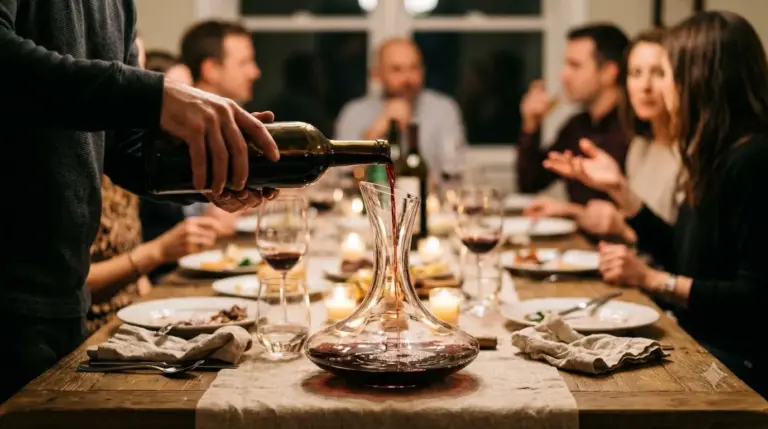
Young, tannic reds such as Cabernet Sauvignon, Syrah, or Nebbiolo typically benefit from 45 minutes to two hours in a wide-base decanter to soften astringency and open up fruit aromas. Older, fragile wines over 10 to 15 years old usually need only 15 to 30 minutes in a narrower decanter to separate sediment before their delicate bouquet begins to fade.
How do you remove red wine stains and water spots from a crystal decanter?
Fill the decanter halfway with warm water and add a teaspoon of uncooked rice, coarse salt, or stainless-steel cleaning beads, then swirl gently for a minute to scrub away stubborn tannin residue without scratching the crystal. Rinse thoroughly with warm water followed by a splash of white vinegar or distilled water, and invert the vessel on a padded drying stand so moisture evaporates completely.
Selecting the right crystal decanter comes down to matching the vessel’s shape to the wines you enjoy most, whether that means a wide-base bowl for bold weeknight reds or a slender profile for treasured cellar bottles. Prioritizing lead-free crystal, a drip-free rim, and manageable cleaning access will give you a centerpiece piece of barware that improves every pour for years to come.
More in Decanters & Aerators
 Best Whiskey and Wine Decanter: Choosing One Vessel for Both DrinksUpdated Nov 18, 2026
 Best Tower Decanter: How to Pick the Right Shape for Your WineUpdated Nov 18, 2026
 Best Cleaning Brush Decanter Options for Narrow Necks and Deep BowlsUpdated Nov 19, 2026
 Best U Shaped Decanter Picks for Aerating Bold Red WineUpdated Nov 18, 2026
 Best Electric Decanter Styles for Faster, Smoother Wine PoursUpdated Nov 18, 2026
 Best Hand Blown Decanter Styles for Every Bottle and TableUpdated Nov 18, 2026