

We may earn a commission when you buy through links on this page, at no extra cost to you. Learn more.
The best aerating decanter combines high-surface-area glass geometry with an integrated pouring spout or showerhead diffuser to expose wine to oxygen in minutes rather than hours. For young, full-bodied reds that need immediate softening, a carafe with a built-in stainless steel or glass aerator funnel delivers the fastest results. If you regularly open older vintages with heavy sediment, a dual-stage filtering decanter with a fine mesh strainer protects clarity while breathing the wine gently, whereas wide-base crystal carafes remain the top choice for slow, unhurried dinner service.
Standard vessels rely entirely on passive surface exposure, which often forces hosts to open bottles two or more hours before guests arrive. By integrating internal glass ridges, multi-hole shower spouts, or bottle-top breather mechanisms, modern aerating decanters accelerate evaporation of harsh volatile compounds and round out tight tannins on contact. Choosing the right style comes down to how quickly you want to pour, what styles of wine sit on your rack, and how much time you are willing to spend washing delicate glassware afterward.
Quick Comparison
Different aerating decanter designs trade off speed, sediment filtration, and ease of cleaning depending on how their oxygenation mechanics are built.
| Decanter Type | Aeration Mechanism | Typical Wait Time | Sediment Filtration | Cleanup Difficulty |
|---|---|---|---|---|
| Showerhead Spout Carafe | Multi-hole diffuser spreads wine down inner walls | 0–15 minutes | Optional mesh screen | Moderate (two-piece rinse) |
| Bottle-Top Breather Decanter | Seals onto bottle neck and cascades wine into carafe | 0–10 minutes | None (relies on upright settling) | Low (wide mouth, dishwasher-safe base) |
| Dual-Stage Filtering Decanter | Fine mesh sieve plus coiled or grooved glass chamber | 15–30 minutes | Built-in fine strainer | Moderate to High (small crevices) |
| Grooved Wide-Base Crystal Vessel | Handblown vertical ribs maximize passive surface area | 30–90 minutes | None | High (handwash with cleaning beads) |
| Dual-Spout Sculptural Decanter | Narrow fill tube forces turbulent flow into broad base | 15–45 minutes | None | High (curved channels trap moisture) |
Best for Instant Weeknight Aeration: Showerhead Spout Aerating Decanters
Showerhead spout decanters pair a wide-bottomed glass carafe with a removable stainless steel or silicone diffuser that disperses wine in thin streams along the interior glass wall. This immediate, high-surface-area cascade introduces oxygen the second you tip the bottle, making young reds approachable right away.
Reviewers at Wine Enthusiast note that multi-stage pouring stoppers and integrated aerator tops eliminate the mess of holding a separate handheld gadget over a narrow glass while preventing drips down the side of the vessel. Because the wine fans out across the entire circumference of the glass bowl, volatile sulfur compounds burn off rapidly without requiring vigorous swirling. Most designs also include a drip-free pouring lip so you can leave the aerator insert in place throughout dinner service.
Keep in mind that multi-part silicone and steel inserts require prompt rinsing after use so red wine pigments do not stain the gaskets or clog tiny dispersion holes. While the glass base itself is often sturdy enough for everyday handling, the diffuser top works best when washed by hand with warm water right after the final pour. This style is ideal for busy weeknight drinkers who want to open a young Cabernet Sauvignon, Syrah, or Malbec at 6:30 PM and pour a smooth glass with dinner at 6:45 PM.
Best for Mess-Free Flip-Top Convenience: Bottle-Top Breather Decanters
Bottle-top breather decanters attach directly to the neck of an opened wine bottle via a silicone seal, allowing you to invert the two vessels together so wine showers down the inner walls of the carafe. Once aeration finishes, you can either serve straight from the carafe or flip the assembly back over to pour from the original bottle.
This design stands out for its zero-spill transfer and compact footprint, making it particularly practical for apartment kitchens or crowded dining tables where tall, wide-bellied vessels take up too much room. When inverted, the wine passes through an internal breathing channel that maximizes contact with air in seconds, and flipping the wine back into its original bottle lets guests read the label at the table. Because the carafe portion typically has a wide, straight-sided opening, reaching inside with a sponge is noticeably easier than scrubbing narrow-necked crystal.
The primary limitation is capacity and compatibility with non-standard bottle shapes, such as heavy-shouldered sparkling bottles or oversized magnums that will not seat securely into the silicone collar. Additionally, because you invert the entire bottle upside down, any fine sediment resting at the bottom gets mixed directly into the carafe. Choose this type if you drink young, unfiltered-free wines and value fast cleanup and compact storage above traditional table presentation.
Best for Aged Wines with Sediment: Dual-Stage Filtering Aerating Decanters
Dual-stage filtering decanters combine a removable fine-mesh stainless steel strainer with a spiral or grooved glass aerating chamber that sits inside the neck of the vessel. As you pour, the screen traps bitter tartrate crystals and grape solids while the lower chamber gently swirls the clarified liquid to wake up muted aromas.
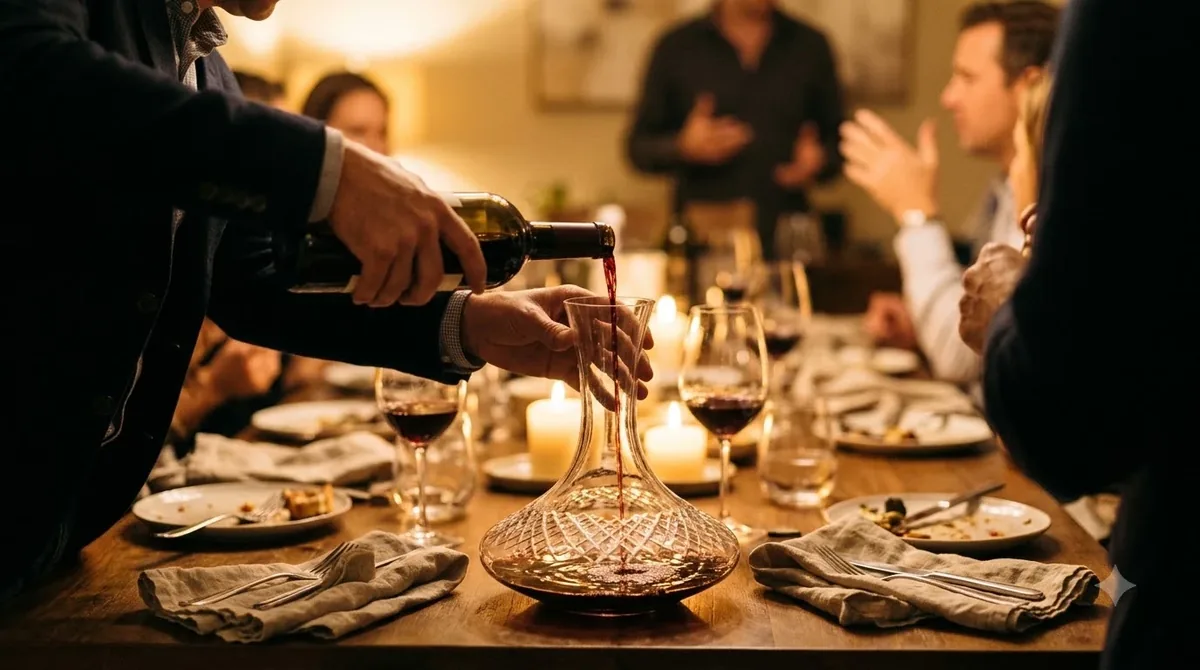
Wine educators at Wine Folly point out that while aggressive handheld aerators can strip nuance from delicate older bottles, pairing controlled oxygenation with a fine strainer keeps gritty sediment out of your glass without over-exposing mature vintages. Coiled glass aerators and internal funnel inserts create a gentle, visual cascade that looks refined on a formal dining table while protecting fragile aromatics. Many models also include a small glass stand or resting cup so you can remove the wet strainer and aerator insert without leaving purple rings on your tablecloth.
Keep in mind that delicate glass spirals and fine mesh screens demand careful handling during cleanup, as trapped grape skins can dry onto the wire mesh if left overnight. Avoid using metal cleaning beads inside vessels that feature intricate interior reliefs or topographic glass molds, since small beads can lodge inside narrow crevices. This category is built for collectors opening aged Bordeaux, Barolo, or vintage Rioja who need reliable sediment separation alongside gentle breathing.
Best for Full-Bodied Reds and Long Dinners: Grooved Wide-Base Crystal Decanters
Grooved wide-base crystal decanters rely on an expansive, broad-bottomed silhouette lined with handblown vertical ribs or an interior punt to agitate wine as it swirls. Rather than forcing wine through small plastic or metal apertures, these all-glass designs increase oxygen exposure through surface geometry and fluid movement.
The main advantage of an all-crystal grooved design is purity of flavor and effortless table elegance, as there are no silicone gaskets, mesh screens, or removable parts to misplace or absorb dish soap odors. When you pour wine down the side of a ribbed crystal wall, the ridges create natural turbulence that opens up tightly wound tannins while displaying the deep garnet color of the wine. If you are shopping across different styles of Aerators & Decanters, a broad-base crystal vessel offers the highest capacity for hosting multi-course dinners or accommodating oversized magnum bottles.
Because these vessels lack a mechanical diffuser, they still require 30 to 60 minutes of resting time to soften big, tannic reds like Nebbiolo or Petite Sirah, though swirling the wide base speeds up the process. Washing requires patience, warm water, and a flexible foam brush to prevent water spots inside the broad shoulder. Opt for this style if you host frequent dinner parties, prefer pure lead-free crystal over multi-material gadgets, and enjoy watching a bold red evolve over a three-hour meal.
Best for Visual Presentation and Gifting: Dual-Spout Sculptural Aerating Decanters
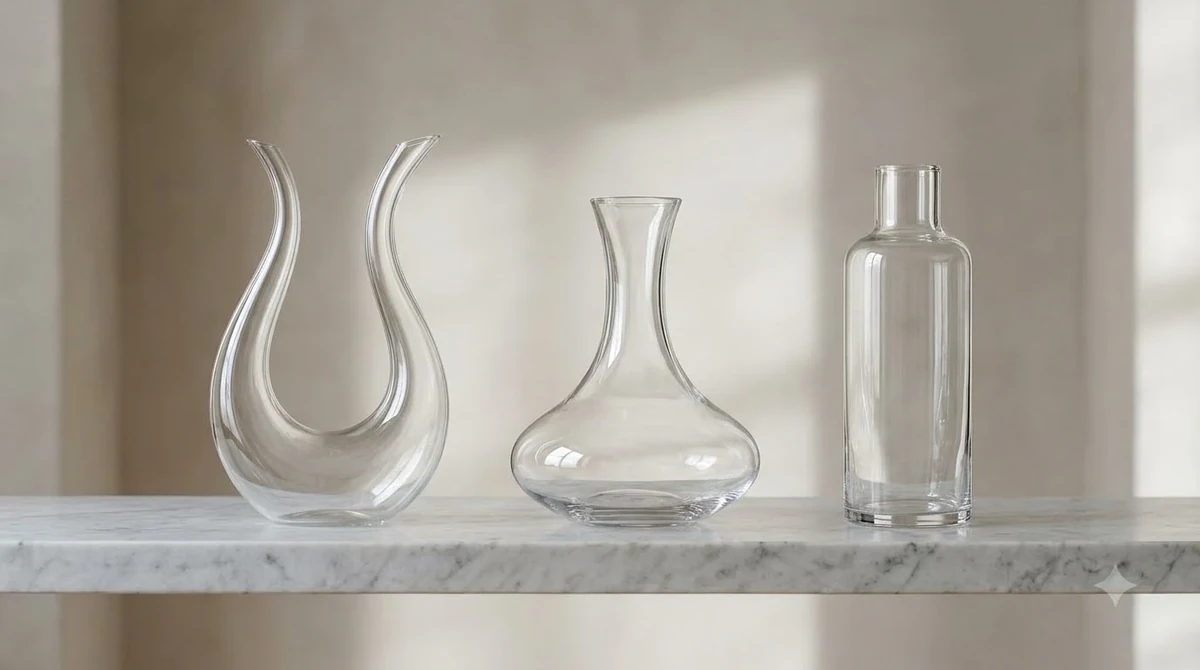
Dual-spout sculptural decanters—often shaped like graceful swans, U-curves, or twisted loops—feature a wide, angled filling mouth on one end and a slender, tapered pouring spout on the other. Pouring wine into the larger opening forces the liquid through a tight, curved channel before it spreads across the lower reservoir, aerating the wine twice: once on entry and once on exit.
These artistic pieces double as functional bar-cart centerpieces, turning routine wine service into a memorable visual moment for guests. The ergonomic dual-handle geometry often makes pouring easier on the wrist compared to lifting a heavy, flat-bottomed carafe from the base, while the narrow pouring spout delivers precise control that prevents splashes. When paired with matching stemware as part of a complete decanter set, a sculptural dual-spout carafe makes an impressive wedding or housewarming gift.
On the practical side, curved U-shaped and swan-neck tubes are notoriously tricky to dry completely, which can leave mineral spots or trapped moisture inside the bends unless you use a dedicated drying stand. They also offer little room for a bottle brush to reach tight corners, so immediate rinsing with hot water after every use is non-negotiable. Pick this type if visual drama at the table matters just as much to you as faster oxygenation.
How to Choose an Aerating Decanter
Match aeration speed to your favorite wine styles: Young, high-tannin reds such as Cabernet Sauvignon, Syrah, Malbec, and Tempranillo respond well to aggressive showerhead diffusers and bottle-top breathers that introduce oxygen rapidly. By contrast, lighter-bodied Pinot Noir or delicate aged wines benefit from gentler glass spirals or wide-base vessels where you can control air exposure gradually.
Check capacity against standard bottle sizes: A standard wine bottle holds 750 milliliters (roughly 25.4 ounces), so look for a decanter with a total volume of at least 40 to 60 ounces. That extra headspace ensures the wine rests at the widest diameter of the bowl, maximizing the liquid-to-air surface ratio rather than filling up into the narrow neck.
Consider material durability and maintenance: Lead-free crystal offers superior clarity, brilliance, and thin, drip-resistant pouring rims, while thicker borosilicate glass stands up better to daily dishwasher cycles and casual weeknight handling. Before buying, inspect the neck width and internal angles to make sure your hand, a bottle brush, or stainless steel cleaning beads can reach every interior surface.
Look for drip-free rims and stable bases: A laser-cut, cold-finished rim prevents red wine from running down the outside of the carafe onto white linens. Likewise, a heavy, wide base or indented thumb punt keeps the vessel steady when you swirl wine at the table or rest it on an outdoor patio table. If you also want traditional vessels without built-in diffusers for slow cellared bottles, compare classic shapes in our guide to the best wine decanters.
Tip: Never use hot water followed immediately by cold water when rinsing thin handblown crystal, as sudden temperature swings can cause thermal shock and crack the glass. Rinse with lukewarm water right after finishing the bottle, then air-dry upside down on a padded stand.
Frequently Asked Questions
Do aerating decanters actually make inexpensive wine taste better?
Yes, rapid aeration often improves budget-friendly red wines noticeably within minutes. Many everyday bottles are sealed under screw caps or tight closures that trap volatile sulfur compounds, creating a muted or slightly rubbery initial aroma. Pushing the wine through an aerating decanter lets those harsh compounds evaporate quickly, bringing forward cleaner fruit flavors and softer texture.
Can you use an aerating decanter for white or sparkling wine?
Full-bodied white wines like oaked Chardonnay, white Rioja, or skin-contact orange wines can open up nicely after 15 to 20 minutes in an aerating decanter, especially if they smell slightly closed right after uncorking. Avoid putting sparkling wines like Champagne or Prosecco through aggressive aerator spouts, however, as turbulent pouring strips away carbonation and leaves the wine flat.
How do you clean and dry a narrow-neck aerating decanter without water spots?
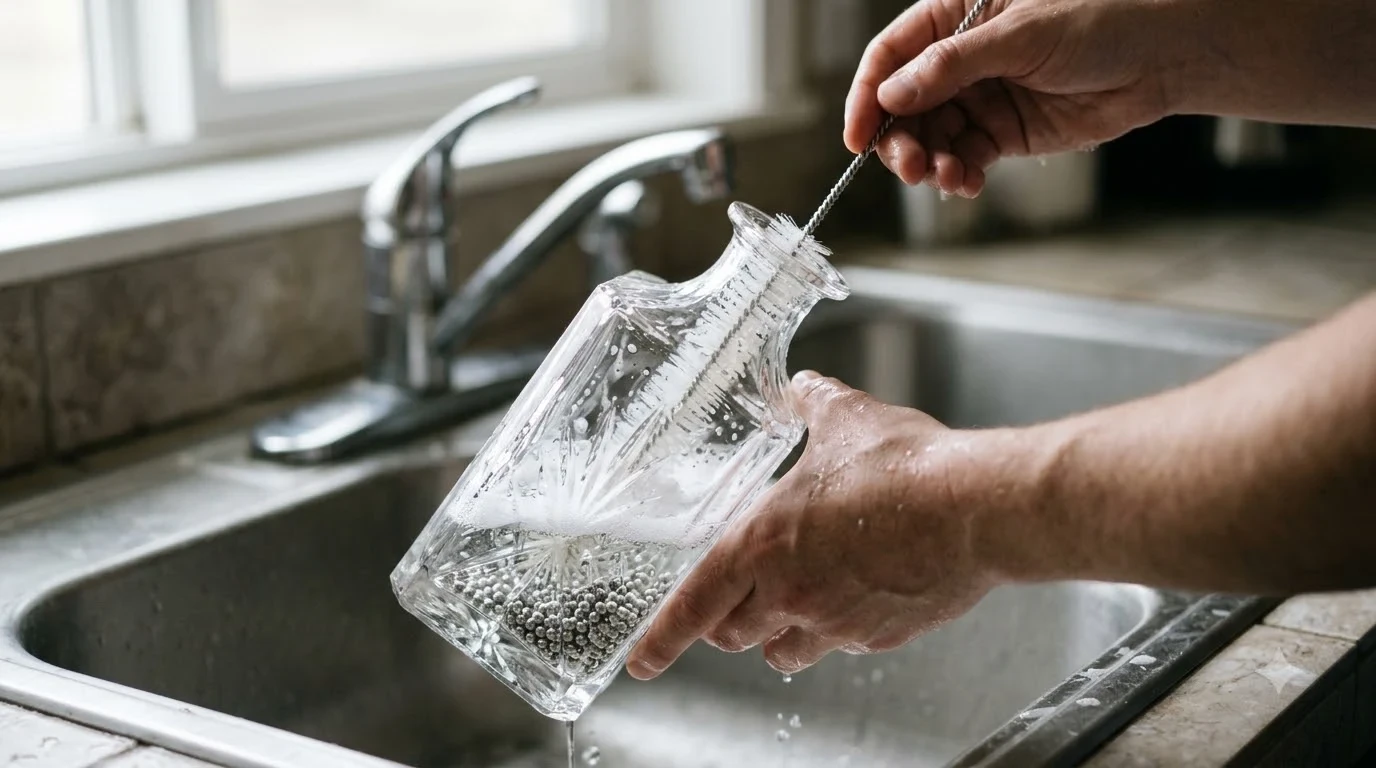
Rinse the decanter with warm water immediately after pouring the last glass so tannins do not bond to the glass, using a drop of fragrance-free dish soap only when necessary. Swirl stainless steel cleaning beads or a soft foam bottle brush inside the bowl, rinse thoroughly with distilled water to prevent mineral spotting, and invert the vessel on a ventilated drying rack.
How long does wine stay fresh inside an aerating decanter?
Once wine passes through an aerating decanter, its peak drinking window typically lasts between 4 and 18 hours depending on the grape variety and age of the bottle. Because rapid oxygenation accelerates aging, leftover decanted wine will taste flat or overly oxidized by the following evening unless you funnel it back into the original bottle, seal it tightly, and refrigerate it—see our breakdown on how long does red wine last after opening for exact storage timelines.
Selecting the right aerating decanter ultimately depends on whether you prioritize five-minute weeknight speed, reliable sediment filtration for older bottles, or show-stopping crystal presentation for weekend guests. Start by matching the aeration mechanism to the wines you pour most frequently, and keep cleanup simple so your decanter earns a permanent spot on the counter rather than gathering dust in a cabinet.
More in Decanters & Aerators
 Best Whiskey and Wine Decanter: Choosing One Vessel for Both DrinksUpdated Nov 18, 2026
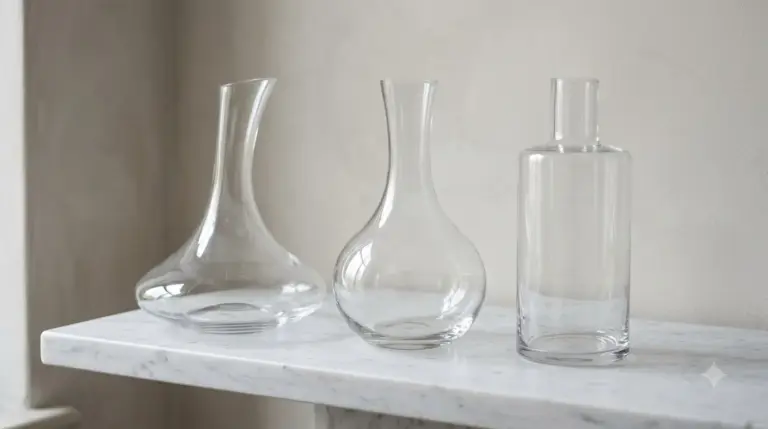 Best Tower Decanter: How to Pick the Right Shape for Your WineUpdated Nov 18, 2026
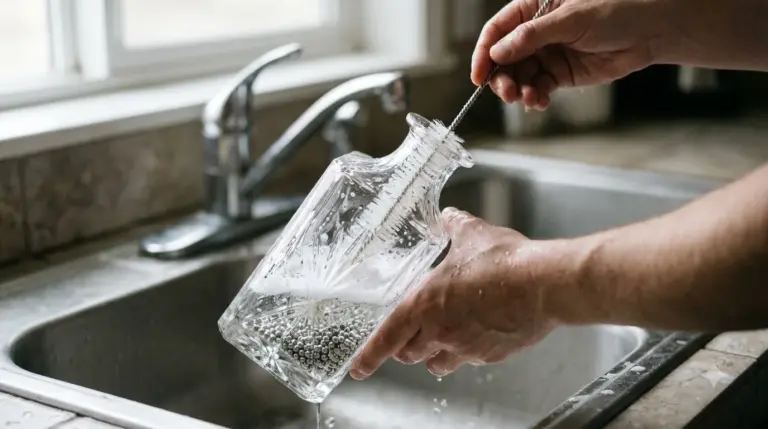 Best Cleaning Brush Decanter Options for Narrow Necks and Deep BowlsUpdated Nov 19, 2026
 Best U Shaped Decanter Picks for Aerating Bold Red WineUpdated Nov 18, 2026
 Best Electric Decanter Styles for Faster, Smoother Wine PoursUpdated Nov 18, 2026
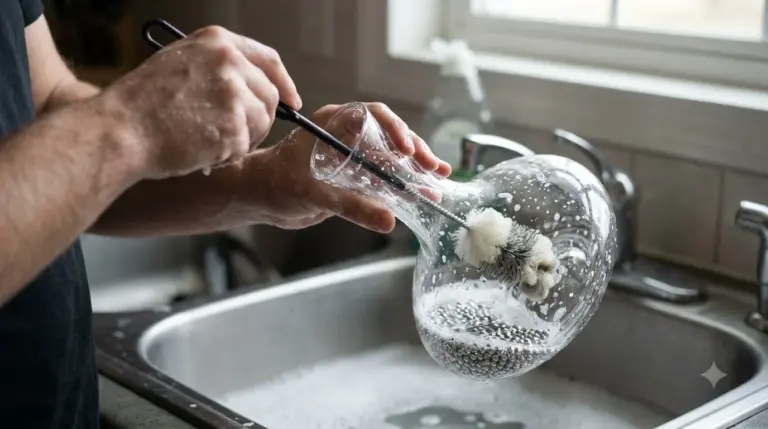 Best Hand Blown Decanter Styles for Every Bottle and TableUpdated Nov 18, 2026