

We may earn a commission when you buy through links on this page, at no extra cost to you. Learn more.
The best wine chiller for your home depends on whether you want to drop a warm bottle’s temperature fast or keep an already-cold bottle crisp through dinner. Electric countertop and dual-zone wine refrigerators give collectors steady, degree-specific control, while double-walled insulated sleeves and tabletop chillers hold pre-chilled bottles at serving temperature without dripping condensation. For hosts who need rapid cooling from room temperature in minutes, an ice-and-water bucket or a motorized rapid chiller remains the fastest tool on the bar.
Serving wine at the right temperature changes how aromatics, acidity, and alcohol register on the palate, yet most household refrigerators run too cold for long-term storage and standard room temperatures sit too warm even for bold reds. Choosing between passive insulation, freezer-gel sleeves, ice baths, and dedicated thermoelectric or compressor units comes down to how quickly you open bottles and where you pour them. You can browse our full selection of Chillers & Buckets alongside the breakdown below to match each style of wine chiller to the way you entertain.
Quick Comparison
Each wine chiller category solves a different cooling bottleneck, trading speed, portability, and active temperature control depending on the design.
| Chiller Type | Cooling Method | Active Chilling vs. Holding | Bottle Capacity | Portability | Ideal Use Case |
|---|---|---|---|---|---|
| Double-Walled Insulated Chiller | Vacuum-insulated stainless steel or acrylic | Holds pre-chilled bottles | 1 standard 750ml bottle | High (no power or ice) | Tabletop dinner service and patio sipping |
| Freezable Gel Sleeve | Pre-frozen non-toxic gel cells | Chills room-temp wine in 15–20 minutes | 1 standard or Champagne bottle | Very high (folds flat) | Picnics, travel, and weeknight bottles |
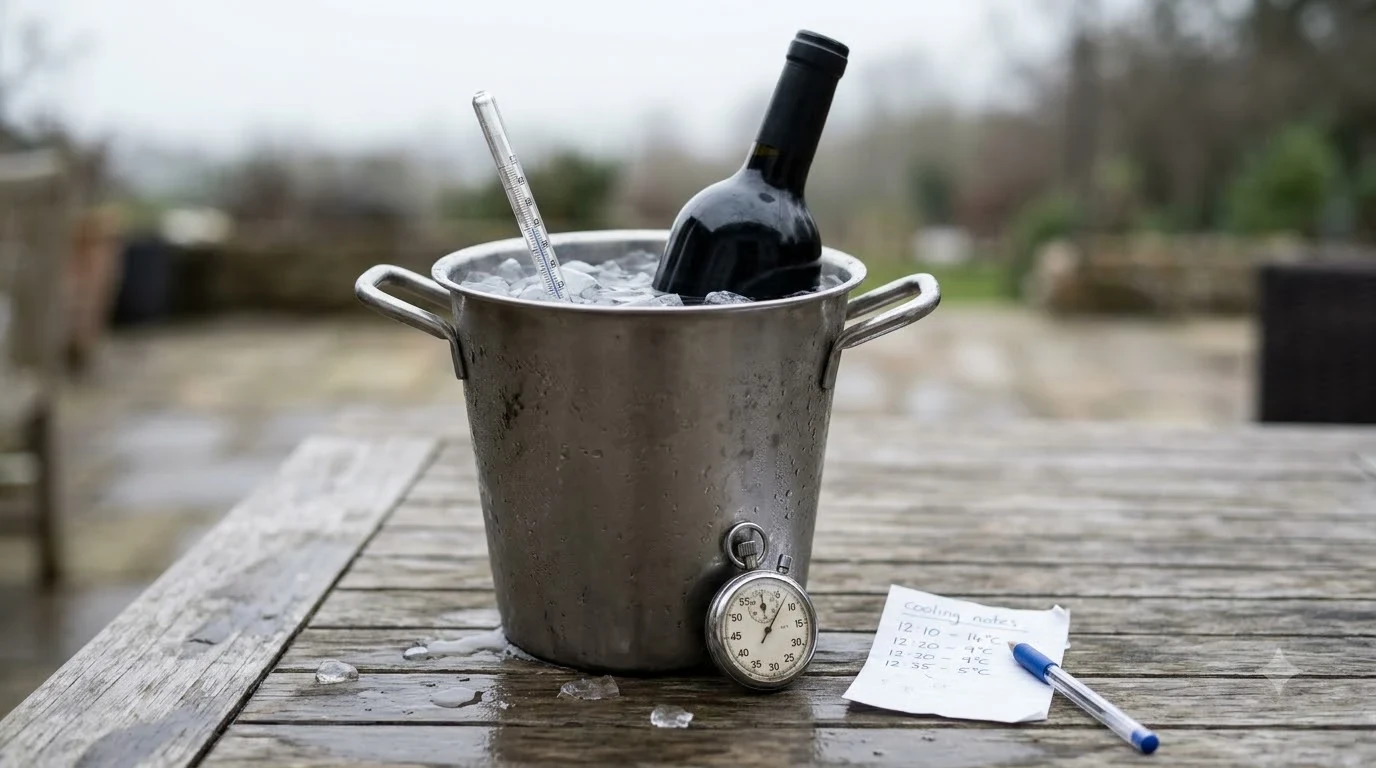
| Traditional Ice & Water Bucket | Thermal conduction via ice water bath | Rapidly chills warm bottles in 10–15 minutes | 1 to 3 bottles | Moderate (requires ice) | Dinner parties and sparkling wine service |
| Single-Bottle Countertop Chiller | Thermoelectric or electric cooling collar | Actively cools and holds set degrees | 1 bottle | Low (requires outlet) | Precision pouring at a home bar or desk |
| Multi-Bottle Wine Refrigerator | Compressor or thermoelectric cabinet | Long-term storage and multi-zone holding | 6 to 70+ bottles | Stationary | Mixed red and white collections |
Best for Drip-Free Tabletop Dining: Double-Walled Insulated Bottle Chillers
Double-walled insulated chillers use vacuum-sealed stainless steel or thick double-pane acrylic to trap cold air around an already-chilled bottle, keeping white, rosé, and sparkling wines crisp for hours without ice or exterior sweating.
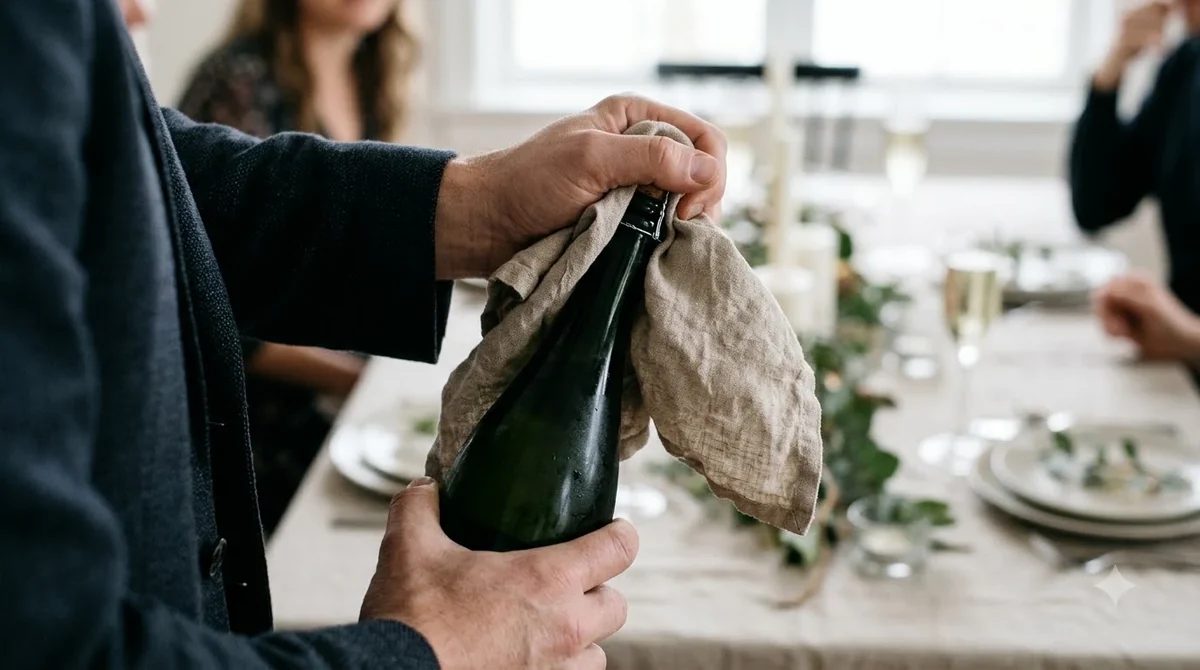
Why it stands out: Unlike traditional buckets that leave puddles on wood dining tables and soak paper wine labels until they peel, a vacuum-insulated cylinder creates a dry thermal barrier. Reviewers at kitchen and wine publications consistently favor double-walled stainless steel models because they require zero advance prep in the freezer—as long as the bottle starts cold from the refrigerator, the chamber slows heat transfer dramatically over a two- or three-hour meal. Many modern designs also feature threaded collars or tapered interiors that grip standard 750ml Bordeaux and Burgundy bottles snugly so the chiller lifts cleanly with the bottle when you pour.
Keep in mind: Passive insulation cannot cool down a warm bottle pulled straight from a pantry shelf, so planning ahead with refrigerator time is mandatory. Bottle geometry also matters; wider Champagne punts or tall, sloped Alsatian Riesling bottles can bind inside narrow metal sleeves, making an open-top wider cylinder safer if you drink varied shapes. This category is best for hosts who already chill white wines in their kitchen fridge and want an effortless, tidy centerpiece on the dining table.

- Capacity
- One 750 ml bottle
- Material
- Stainless steel
- Walls
- Double wall insulated
- Size
- 6.25 x 7.5 in
A classic tabletop bucket for white wine or champagne, sized to hold one standard 750 ml bottle. Double-wall stainless steel insulation helps the contents stay at serving temperature longer, and it also keeps red wine at cellar temperature. It works indoors or outdoors, at the table, in the kitchen or at the bar. Hosts with several bottles will need more than one.
Pros & ConsView
- Double-wall insulation holds serving temperature
- Suits white wine, champagne or reds
- Works indoors and outdoors
- Holds a single bottle
- Hand wash only
Best for Picnics and Spontaneous Weeknights: Freezable Gel Wine Sleeves
Freezable gel sleeves wrap directly around a bottle with flexible, pre-frozen cooling pockets that can bring a room-temperature white down to cellar temperature in roughly 15 to 20 minutes.
Why it stands out: Reviewers at wine gear outlets highlight gel sleeves as the most versatile low-profile tool for small kitchens and outdoor outings because they fold completely flat in a freezer drawer until needed. Once slipped over a bottle, the elastic side panels press the frozen gel cells flush against the glass, transferring cold evenly without rattling or dripping water inside a tote bag. They work equally well for rescuing a warm bottle bought on the way home from work or keeping a chilled rosé cold at an outdoor concert where ice buckets are impractical.
Keep in mind: Gel sleeves rely on stored thermal mass, which means their active cooling power fades after about an hour in warm summer air before they need a trip back to the freezer. Heavy condensation can also form on the outside of nylon-wrapped sleeves in humid weather, so setting the bottle on a coaster protects delicate surfaces. Choose a freezable sleeve if you want a lightweight, packable chiller that bridges the gap between warm storage and immediate pouring.
Best for Dinner Parties and Sparkling Wine: Traditional Ice and Water Buckets
A dedicated ice and water bucket remains the fastest non-electric method for chilling warm bottles, using an ice-water bath to drop wine temperatures in 10 to 15 minutes while accommodating multiple bottles at once.
Why it stands out: Plain ice cubes leave air pockets around glass, whereas a 50-50 mixture of ice and cold water maximizes surface contact and pulls heat out of wine faster than a freezer ever could. If you are deciding between a single-bottle chiller and a broader ice bucket, larger double-walled metal or heavy acrylic tubs let you chill two or three bottles simultaneously during a gathering. According to Wine Folly’s serving temperature guidelines, sparkling and light-bodied white wines show their brightest acidity between 38°F and 45°F, a range an ice-water bath hits reliably without freezing the liquid.
Keep in mind: Ice buckets take up noticeable table or counter space and require a steady supply of ice cubes plus a bar towel nearby to wipe wet bottles before pouring. Single-walled metal tubs will sweat heavily on wooden furniture unless they feature double-wall construction or sit on a tray. This style suits frequent entertainers who open several bottles per evening or regularly serve Champagne and Prosecco that need deep chilling.

- Type
- Freezer chiller stick
- Material
- 18/10 stainless steel
- Freeze Time
- 2 hours minimum
- Extras
- Aerator, pour spout
Instead of a bucket, this slim rod chills from inside the bottle, so there is no wet bottle or ice to manage at the table. Freeze it for at least two hours, then insert it after pouring a little wine. A dual intake aerator and drip-free spout are built in, and the stainless steel will not dilute the wine the way melting ice can.
Pros & ConsView
- No ice or wet bottle at the table
- Built-in aerator and drip-free spout
- Fits standard 750 ml wine bottles
- Needs at least two hours in the freezer first
- Chills only the bottle it sits in
Best for Exact Serving Temperatures: Electric Single-Bottle Countertop Chillers
Electric single-bottle chillers sit on a counter or home bar and use thermoelectric cooling plates or temperature-controlled chambers to bring a single open bottle to an exact digital degree setting and hold it there indefinitely.
Why it stands out: Most households drink red wine too warm—often above 70°F in heated living rooms—and white wine too cold straight from a 38°F kitchen refrigerator. Compact single-bottle electric chillers solve both problems with precise push-button thermostats, allowing you to dial in 55°F for an oaked Chardonnay or 60°F for a Pinot Noir without running back and forth to the kitchen. Because thermoelectric modules contain no refrigerant compressor, they run quietly and without vibration, keeping sediment undisturbed while a bottle stays open over the course of an evening.
Keep in mind: Electric countertop units require proximity to a wall outlet and typically take 30 to 45 minutes to drop a warm bottle by ten degrees, making them better for maintaining and fine-tuning temperatures than emergency last-minute chilling. Like rigid metal sleeves, cylindrical cooling wells can struggle with oversized magnums or unusually wide sparkling bottles. They are the smartest choice for one-bottle-at-a-time drinkers who care about hitting textbook serving temperatures for both reds and whites.

- Material
- 18/8 stainless steel
- Capacity
- 750 ml bottle
- Insulation
- Triple-layer vacuum
- Finish
- Teakwood
This chiller is not electric. It relies on triple-layer vacuum insulation to hold a bottle's chill without a cord. The exterior stays dry to the touch, so there are no water rings on the table, and it fits most standard 750 ml bottles. A teakwood-inspired finish suits dinner parties and patio gatherings alike. Choose it for steady serving temperature rather than adjustable settings.
Pros & ConsView
- Condensation-free exterior stays dry
- Triple-layer vacuum insulation
- BPA-free 18/8 stainless steel
- No temperature controls to adjust
- Holds one 750 ml bottle only
Best for Collectors and Mixed Varietals: Multi-Bottle Dual-Zone Wine Refrigerators
Multi-bottle wine refrigerators provide dedicated, humidity-balanced storage with independent temperature compartments so you can keep crisp whites ready to pour while aging or holding reds at proper cellar conditions.
Why it stands out: According to Wine Enthusiast’s wine cooler buying guides, dual-zone cabinets give enthusiasts the flexibility to set one section between 41°F and 50°F for sparkling and white wines while maintaining a separate zone between 55°F and 64°F for light and full-bodied reds. Quality units include UV-tinted double- or triple-pane glass doors, vibration-dampened compressors, and extendable wire or beechwood racks that cradle bottles horizontally to keep corks moist. Even compact countertop or undercounter models holding 12 to 32 bottles free up valuable space in your main kitchen refrigerator while protecting wine from the smell of groceries.
Keep in mind: Compressor-driven wine fridges generate mild operational hum and require proper ventilation clearance—especially freestanding units, which vent heat from the back or sides rather than through a front grille. Advertised bottle counts also assume uniform 750ml Bordeaux bottles, meaning wider Burgundy or Pinot Noir bottles will reduce real-world capacity by 15 to 25 percent. Invest in a multi-bottle cooler if you keep more than a case of wine on hand and want bottles ready to open at any moment.

Two independently controlled zones let you keep whites and sparkling wine cooler than reds in the same cabinet, across a 41 to 64°F range. It holds up to 33 standard bottles on adjustable shelves, leaving room for a growing collection. Compressor cooling with air circulation, a touch LED display and a double-layer glass door round out a freestanding unit measuring 17 by 20 by 33.4 inches.
Pros & ConsView
- Independent dual-zone temperature control
- Holds up to 33 standard bottles
- Double-layer glass door with digital display
- Compressor system can produce operating noise
- Freestanding unit needs 17 by 20 inches of floor
How to Choose
Start by matching the chiller to your bottle turnaround speed. If you buy wine the same afternoon you plan to drink it, prioritize active cooling mass—either a freezable gel sleeve or an ice-and-water bucket—because passive vacuum sleeves only preserve cold that is already inside the glass. If you keep six or more bottles on hand at all times, a compact thermoelectric or compressor wine fridge eliminates pre-party timing guesswork altogether.
Next, check bottle compatibility and interior dimensions before buying any rigid cylinder or multi-bottle cabinet. Standard 750ml Bordeaux bottles measure roughly 3 inches in diameter, whereas Champagne, Pinot Noir, and Turley-style Zinfandel bottles flare noticeably wider at the base. Look for chillers with an interior diameter of at least 3.5 inches or adjustable shelving if your wine rack leans toward sparkling wines, Rhône blends, or Pinot Noir.
Finally, consider where the chiller will live between uses. Tabletop insulated vessels and electric single-bottle units stay out on the counter or bar cart, so brushed stainless steel, matte finishes, and drip-free bases matter for aesthetics and furniture protection. Gel sleeves and collapsible buckets tuck neatly into a drawer or pantry shelf when storage space is tight.
Tip: When chilling a warm bottle in an ice bucket, add a generous handful of kosher salt to the ice and cold water—salt lowers the freezing point of water, creating a super-chilled brine that drops a bottle’s temperature several minutes faster than ice water alone.
Frequently Asked Questions
What is the ideal serving temperature for red and white wine?
Sparkling wines and crisp, light-bodied whites like Pinot Grigio or Sauvignon Blanc taste brightest between 38°F and 45°F, while fuller-bodied whites such as oaked Chardonnay show more complexity between 49°F and 55°F. Light reds like Pinot Noir shine around 55°F to 60°F, and bold reds like Cabernet Sauvignon taste best between 60°F and 65°F—noticeably cooler than a typical 70°F living room.
How fast can a wine chiller cool a room-temperature bottle?
An ice-and-water bath is the fastest option, dropping a 70°F bottle into the upper 40s in roughly 10 to 15 minutes. Freezable gel sleeves take about 15 to 20 minutes for a noticeable chill, whereas electric thermoelectric single-bottle chillers typically require 30 to 45 minutes to lower wine by 10 to 15 degrees. Passive double-walled insulated chillers do not actively cool warm wine at all and should only be used with pre-chilled bottles.
Can I put a bottle of wine in the freezer to chill it quickly?
A standard kitchen freezer can chill a warm bottle in about 20 to 25 minutes, but it carries the real risk of forgetting the bottle until the liquid freezes, expands, and pushes out the cork or cracks the glass. Using a freezable gel sleeve or an ice-water bucket delivers comparable speed right on your counter without risking a ruptured bottle.
Do I need a dual-zone wine chiller if I drink both red and white wine?
If you only use a chiller to hold bottles for long-term aging, a single-zone cabinet set to a steady 55°F works for both reds and whites. However, if you want bottles stored at ready-to-pour serving temperatures without extra fridge time, a dual-zone cooler lets you keep whites crisp in the 40s while holding reds in the upper 50s or low 60s. Keeping track of how many glasses in a bottle of wine you plan to pour for guests will also help you decide whether a single-bottle chiller or a multi-bottle fridge makes more sense.
The right wine chiller takes the guesswork out of serving temperatures so every bottle tastes balanced from the first pour to the last drop. Pair your chiller with well-proportioned wine glasses to let aromatics open up properly as the wine warms slightly in the bowl. Whether you need a packable gel sleeve for weekend picnics or a dual-zone cabinet for your kitchen, matching the cooling method to your routine ensures your wine is always ready when you are.
More in Chillers & Buckets
 The Best Insulated Wine Bottle for Picnics, Events, and ServingUpdated Nov 18, 2026
 Best Wine Chiller Stick for Fast, Undiluted Cooling at HomeUpdated Nov 18, 2026
 Best Wine Cooler Sleeve: Which Chilling Sleeve Fits Your PoursUpdated Nov 18, 2026
 The Best Wine Travel Bag for Every Trip, From Flights to Road TripsUpdated Nov 18, 2026
 The Best Wine Bottle Chiller for Every Table, Patio, and Bottle ShapeUpdated Nov 18, 2026
 Best Wine Tote Styles for Safe, Chilled Bottle TravelUpdated Nov 18, 2026