

We may earn a commission when you buy through links on this page, at no extra cost to you. Learn more.
Pinot blanc vs pinot gris comes down to body and fruit: pinot blanc is usually a crisp, fresh white with apple and floral notes, while pinot gris ranges from light and zesty to rich and spicy. Both grapes come from the same Pinot family and share a genetic origin with pinot noir. Their wines can look similar on a shelf, but they taste different enough to matter at dinner.
This guide explains how the two white grapes differ in origin, flavor, body, acidity, availability and food pairings. It also gives you a simple way to choose the right bottle for the meal or the mood in front of you.
What Are Pinot Blanc and Pinot Gris?
Pinot blanc and pinot gris are both white wine grapes that belong to the Pinot family. According to the University of California Davis Pinot history, the Pinot group includes several forms, and most of them are mutations that arose within the original Pinot variety. The most common form is pinot noir, the black-skinned grape that makes red Burgundy.
Pinot blanc is generally described as a point mutation of pinot noir. Wikipedia’s entry on the grape explains that the change happened when a vine produced white fruit on a single cane. Pinot gris has a similar story. It is thought to be a mutant clone of pinot noir, and its skins take on a pinkish-gray tint that gives the grape its name.
The practical takeaway is that these are close relatives, not the same grape. They share a lot of DNA, so they can taste related, yet winemakers treat them as separate varieties with their own habits in the vineyard and the cellar.
Origins and Key Wine Regions
Pinot blanc and pinot gris both have deep roots in Europe, but they found different homes afterward. Pinot blanc is strongly tied to Alsace in France, where it is the most common base for sparkling Crémant d’Alsace. Pinot gris is a major grape in Alsace too, and it is also central to Italy, Oregon and New Zealand.
Pinot blanc has a smaller global footprint. Wikipedia reports about 5,540 hectares in Germany in 2018 and about 1,232 hectares in France that same year, with most French plantings in Alsace. Germany calls it Weissburgunder, and Austria and Hungary grow it too. Canada’s Okanagan Valley has also built a reputation for the wine. In the United States, much of the plantings are in California.
Pinot gris spread more widely and quickly. The University of California, Davis notes that Oregon’s Pinot gris acreage was a distant second to pinot noir in 2015, with about 3,600 acres. California plantings of pinot gris approached 17,000 acres in 2016, according to the California Department of Food and Agriculture figures cited by the university. Those numbers help explain why pinot gris is easier to find on store shelves.
Both grapes also have a naming puzzle. In Italy, the same grape is sold as pinot grigio, and in Germany it is Grauburgunder. Pinot blanc has its own set of local names, including Klevner in Alsace and Pinot bianco in Italy and Spain. Check the label for the country and the grape name before you assume you know what is inside.
Flavor, Aroma and Body Differences
Pinot blanc usually shows fresh orchard fruit, such as apple and pear, with soft floral notes. Wine producers often describe it as delicately fruity and less aromatic than many other white wines from Alsace. It tends to feel clean and balanced rather than bold.
Pinot gris covers a wider range. Alsatian versions are medium to full-bodied, with a rich, somewhat floral bouquet and a spicy character. Oregon examples often show pear, apple and melon, with a medium body. California pinot gris is usually lighter, with crisp fruit and hints of pepper and arugula. Italian pinot grigio is typically light-bodied, lean and crisp.
Because of this range, pinot gris is harder to pin down than pinot blanc. A bottle from Italy and a bottle from Alsace can share a grape name yet feel like different wines. When you read a label, the country of origin tells you more about the glass than the grape name alone.
Body, Acidity and Style Comparison
Acidity and body are the fastest ways to compare these two wines. Pinot blanc is often described as high in acidity and fresh, while some Alsatian examples with more full-bodied character can show moderate acidity. Pinot gris from Alsace usually has moderate to low acidity and a slightly oily texture, while Italian styles lean more acidic.
Winemaking changes the result as well. Pinot blanc is frequently fermented in tanks to keep its freshness, while the more prestigious versions may see large, used oak barrels. Some producers, however, age pinot blanc in new oak and run malolactic fermentation to make it resemble chardonnay. Pinot gris can be made in many styles, from crisp and quick to market to richer wines that can age.
The table below summarizes the typical differences. Treat it as a starting point, because producer and region can shift the profile a lot.
| Feature | Pinot blanc | Pinot gris |
|---|---|---|
| Typical body | Light to medium, often full in Alsace | Light (Italy, California) to full (Alsace) |
| Typical acidity | Often high, fresh and crisp | Moderate to low in Alsace, higher in Italy |
| Common aromas | Apple, citrus, floral, sometimes stone fruit | Pear, melon, apple, sometimes spice |
| Texture | Clean and lively | Often rich, sometimes oily in Alsace |
| Best known style | Sparkling and dry white from Alsace | Crisp Italian pinot grigio and rich Alsatian styles |
Price and Availability
Pinot gris is generally easier to find, especially in its pinot grigio form. Its large plantings in Oregon, California, Italy and New Zealand mean it appears on many wine lists and shelves. Pinot blanc is less common, so your local shop may carry only a few bottles.
Pinot blanc also tends to be sold in smaller quantities and by specialist importers, which can make choices narrower. Some bottles are made for quick sale, while others come from small producers who focus on a single style. Price depends on region, producer and vintage, so compare bottles by what you get in the glass rather than by the grape name.
Pinot gris from Alsace can age well, while most other pinot gris is meant to be drunk early. Pinot blanc is usually made for immediate drinking. If you plan to hold a bottle for years, check the producer’s notes or the label for guidance, and avoid assuming any white wine will improve with time.
Best Food Pairings for Each Wine
Pinot blanc suits lighter dishes where its freshness can lift the flavors. Try it with grilled fish, roast chicken, soft cheeses, or a shared plate of salads and vegetables. Its crisp acidity also works well with creamy sauces, because the wine cuts through richness without overwhelming the food.
Pinot gris is more flexible. Crisp versions pair with fried seafood, salads and fresh herbs, while richer Alsatian styles can stand up to pork, smoked fish and spiced dishes. The spice notes in Alsatian pinot gris also suit Asian-inspired cooking. Oregon-style pinot gris is a classic match for salmon.
When you are unsure, match the wine’s weight to the food’s weight. Lighter wines suit simple dishes, and fuller wines suit richer preparations. For more ideas on matching drinks with meals, the Wine vs Wine section covers how styles compare at the table.
How to Choose Between Them
Choose pinot blanc when you want a crisp, fresh white with orchard fruit and a clean finish. Choose pinot gris when you want a range of styles, from light and zesty to rich and spicy. Use the steps below to narrow your options quickly.
- Decide how much body you want. Light and crisp points toward Italian pinot grigio or many pinot blancs, while fuller points toward Alsatian pinot gris.
- Check the country on the label. The origin usually predicts the style better than the grape name.
- Match the wine to your meal. Pick a lighter bottle for seafood and salads, and a richer one for pork or spiced dishes.
- Look for a producer note that describes acidity and aroma. Short tasting notes help you compare bottles without guessing.
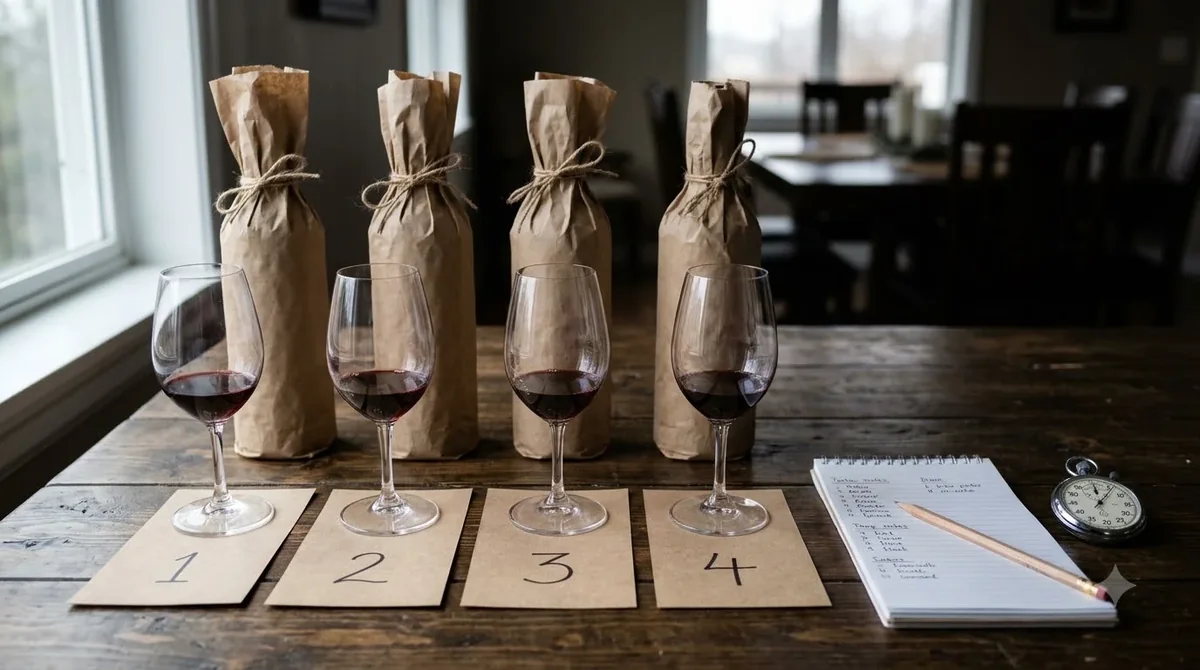
- Start with one bottle of each, serve them side by side, and note which you prefer. That simple test teaches you more than any chart.
If you enjoy pinot gris, you may also like comparing it with other aromatic whites. The pinot gris vs riesling comparison looks at how those styles differ in sweetness and acidity. For a look at the Italian side of the family, the pinot blanc vs pinot grigio guide explains the styles in more detail.
Frequently Asked Questions
Is pinot blanc the same as pinot gris?
No. They are separate varieties that both descend from pinot noir through mutation. They share a family resemblance, but pinot gris is often richer and more varied in style, while pinot blanc is usually crisper and fresher.
Is pinot grigio the same grape as pinot gris?
Yes, pinot grigio is the Italian name for the pinot gris grape. The name on the label often signals a style, with Italian pinot grigio usually lighter and crisper than many pinot gris made in Oregon or Alsace.
Which is sweeter, pinot blanc or pinot gris?
Sweetness depends on the producer and the style, so neither grape is always sweet. Many dry examples of both exist. Check the label or producer notes for sweetness, since the grape name alone does not settle it.
Which one should a beginner try first?
Pinot gris is often the easier starting point because it is widely available and comes in many styles. Start with a crisp, light version, then try a richer one to see how the style changes. Drink responsibly and pace your glasses with food.
Pinot blanc and pinot gris are close relatives with different personalities. Pinot blanc tends to be fresh and clean, while pinot gris offers more range from light to rich. Use the origin on the label, your meal and your preferred body to choose the right bottle.
More in Wine vs Wine
 Nero d’Avola vs Pinot Noir: Taste, Body, and Pairing DifferencesUpdated Nov 21, 2026
 Chenin Blanc vs Pinot Blanc: Key Differences in Taste, Acidity, and PairingsUpdated Nov 21, 2026
 Chardonnay vs Shiraz: Key Differences in Taste, Serving, and PairingUpdated Nov 21, 2026
 Chardonnay vs Verdejo: How Spain’s Crisp White Compares to the World’s ChameleonUpdated Nov 21, 2026
 Chardonnay vs Sancerre: Key Differences in Taste, Grapes, and PairingUpdated Nov 21, 2026
 Chardonnay vs Malbec: Key Differences in Taste, Body, and PairingUpdated Nov 21, 2026