

We may earn a commission when you buy through links on this page, at no extra cost to you. Learn more.
Whispering Angel rose is a dry Provence rosé made by Château d’Esclans in the Côtes de Provence appellation. It is usually a blend of Grenache, Cinsault and Rolle, the local name for Vermentino, and some recent vintages add Syrah. Reviewers describe it as pale pink, dry, and smooth, with red berry and citrus notes, and market research cited by trade publications has named it among the best-selling rosés in the United States. Most people searching for it want to know what it tastes like, how to serve it, and how it compares with other pink wines.
This guide covers where the wine comes from, how the blend shapes its flavor, what the winery has said about its style, and how to serve and pair it. It also explains how to pick a bottle when several vintages sit side by side on the shelf.
Where Whispering Angel Comes From
Château d’Esclans sits in the hills of Provence, in the south of France, and the estate makes its rosés under the Côtes de Provence label. According to the estate’s public profile, the property was once a residence of the Counts of Provence before it passed through several owners. The château’s modern era began when Sacha Lichine bought it in the mid-2000s, and it has since grown into one of the best-known names in Provence rosé. The estate’s public history describes a large jump in output over a decade, which helped make the brand widely available. For background on the estate and its history, see the Château d’Esclans entry on Wikipedia.
The estate’s main rosé is Whispering Angel, which the producer treats as its flagship. Other estate wines, including Garrus, use grapes grown on the estate itself, while lesser wines in the range can be made from purchased fruit. That split matters when you read labels, because the Whispering Angel bottle is the everyday wine many people buy first.
What Goes Into the Blend
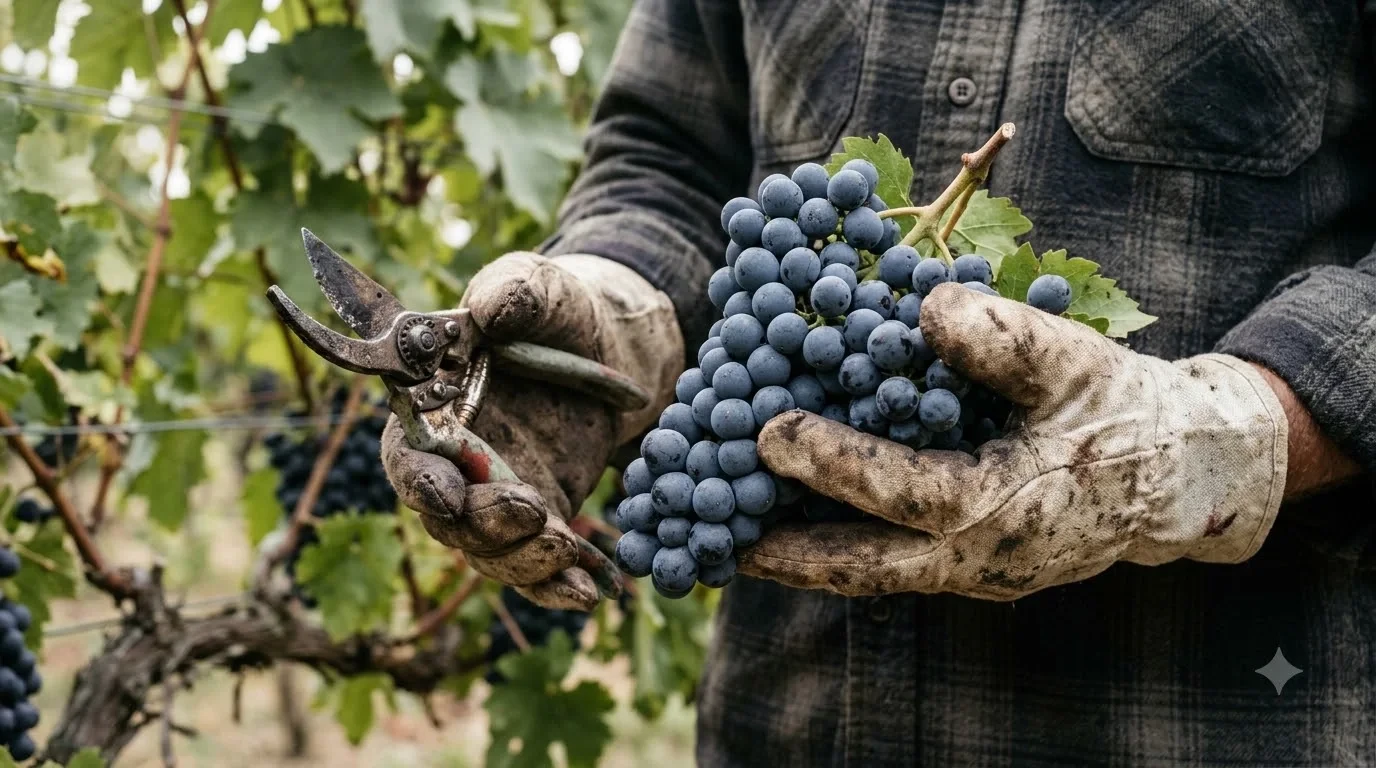
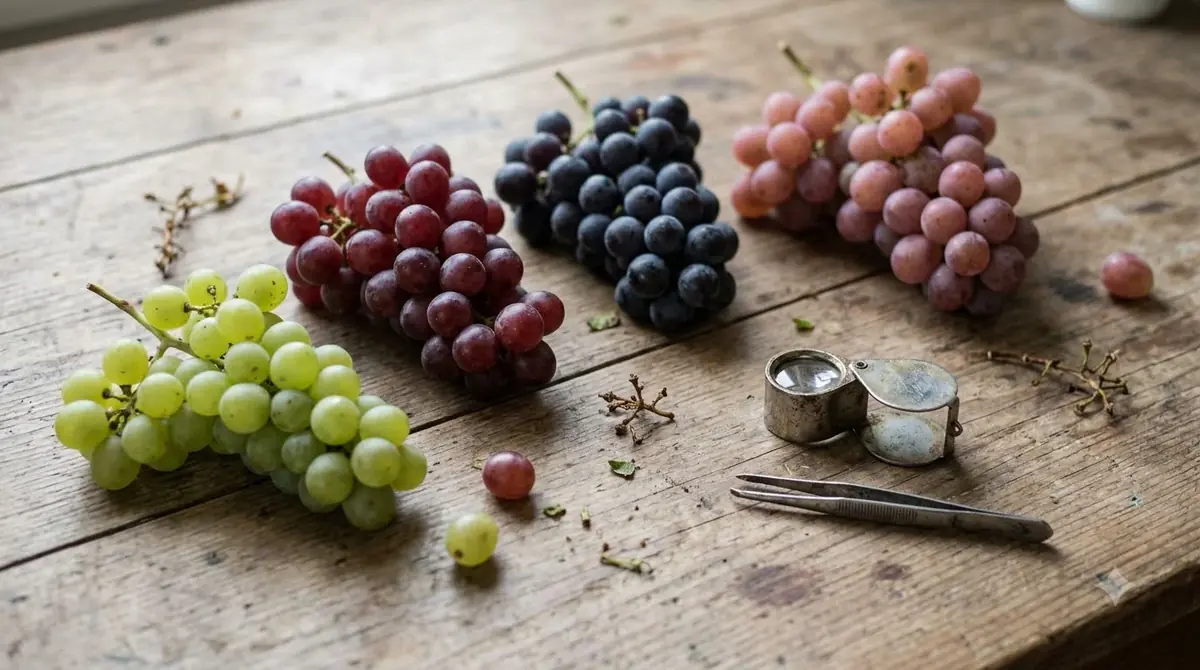
Whispering Angel is a blend rather than a single grape. Most producer and retailer listings name Grenache, Cinsault and Rolle as the core varieties. Grenache brings red berry fruit and body, Cinsault adds a light, floral lift, and Rolle, the name used in Provence for Vermentino, contributes freshness and citrus tones.
Some recent vintages include Syrah as well, which can add a little spice and structure. The exact percentages change from year to year, so the safest way to know the current blend is to read the back label or the producer’s current sheet for that vintage.
| Grape | Typical contribution | What you notice in the glass |
|---|---|---|
| Grenache | Body and red fruit | Strawberry and cherry notes |
| Cinsault | Lightness and floral character | Soft aroma, delicate texture |
| Rolle (Vermentino) | Freshness and acidity | Citrus, herbs, a clean finish |
| Syrah (in some vintages) | Structure and spice | A slightly deeper color and pepper hint |
How the Wine Tastes
Provence rosé is known for being pale, dry, and fresh, and Whispering Angel follows that pattern. The wine is typically described as bone dry, with a smooth, rounded mouthfeel that reads as fuller than many lighter pinks. Strawberry, watermelon and citrus notes are common in tasting descriptions, and the finish is clean rather than sweet.
Because the wine is dry, it can feel refreshing on a hot afternoon but still has enough body to pair with a meal. Drinkers who expect a sweet blush wine are often surprised by how crisp it is, while those who enjoy classic Provence rosés usually find the style familiar.
Rosé gets its color from a short contact between freshly pressed red grape juice and the skins. VinePair, in its rosé guide, explains that this brief soak imparts a little of the red grape skin color along with some flavor and aroma. The same guide describes rosé as light and fresh and light on tannin, which is why the style leans toward fruit and lift rather than the heavy structure of many red wines. A pale pink color is therefore a guide to how the wine was made, not a sign that it is sweet.
How to Serve Whispering Angel
Rosé is best served cold, and Whispering Angel is no exception. Most guides suggest a temperature of about 45 to 50 degrees Fahrenheit, which is cooler than many people expect. A bottle left in the refrigerator for two or three hours before opening usually reaches that range.
A standard white-wine glass works well because it keeps the aromas focused and the wine cool in the hand. Avoid pouring it into large glasses that let it warm quickly. Rosé does not need decanting or long aeration, so open it and pour when you are ready.
The same VinePair guide recommends rosé especially when it is served cold, so the chilling advice above matches how the style is meant to be enjoyed. Cold wine shows its freshness and keeps the fruit crisp, which is exactly what most people want from a bottle of dry pink on a warm day.
Tip: Keep a second bottle chilling if you are hosting. Rosé warms faster than most white wines once it leaves the fridge, so a bucket of ice on the table keeps the last glass as cold as the first.
Food Pairings That Fit the Style
Dry rosé pairs well with food that has bright acidity and moderate richness. Grilled shrimp, herbed goat cheese, and a Niçoise-style salad with tuna and green beans all match the wine’s citrus and fresh red fruit. Chicken with lemon and herbs is another easy choice.
Summer dishes often suit Provence rosé best. Tomato-based salads, zucchini fritters, and light pasta with pesto can all sit comfortably beside the wine. For a heavier dinner, roast salmon or a mushroom risotto works, since the wine’s body can stand up to creamy textures without overwhelming them.
When you plan a menu around the bottle, start with the lightest dish and move toward the richer ones. A rosé served with a simple first course keeps its freshness, and the same glass can carry through to a main course that has a little more fat or herb. Picnic food works well for the same reason: cold chicken, soft cheese and crusty bread let the wine’s clean finish do most of the work.
How Whispering Angel Compares With Other Rosés
Many shoppers compare Whispering Angel with other popular bottles from the same category. Provence rosés share a general profile of dryness and freshness, but producers differ in how much body and fruit they show. A wine with a heavier texture may suit a rich dinner, while a lighter one is better for a picnic or a glass on the porch.
If you enjoy the style, you can explore other labels that make pale, dry pinks, such as Hampton Water rose, La Vieille Ferme rose, and Veuve Clicquot rose. Each one has its own character, so tasting a few side by side is the simplest way to find the one you prefer.
Frequently Asked Questions
Is Whispering Angel a sweet or dry rosé?
It is generally described as dry. The fruit is ripe and round, but the wine finishes clean rather than sweet, which is typical of Provence rosé.
What grapes are in Whispering Angel?
Most sources name Grenache, Cinsault and Rolle, which is Vermentino under its local name. Some recent vintages also include Syrah. Check the label of your specific bottle for the current blend.
Can you age Whispering Angel?
It is made to be drunk young and fresh. Rosé is generally best within a year or two of the vintage, so buying the most recent release gives you the brightest flavor.
What is the best temperature to serve it?
Serve it chilled, around 45 to 50 degrees Fahrenheit. A couple of hours in the refrigerator before opening is usually enough.
Whispering Angel is an easy starting point for anyone exploring dry rosé, and the wine rewards simple, relaxed drinking. For a wider view of how producers approach pink wine, the Wine Brands collection puts these labels in context. Chill a bottle, pour it into a proper glass, and see whether the style matches what you want from a summer wine.
More in Wine Brands
 Underwood Wine Price: Compare Bottles, Cans, and Pack SizesUpdated Nov 21, 2026
 Zenato Wine Price: Compare Styles and Choose the Right BottleUpdated Nov 21, 2026
 Zuccardi Wine Price: Compare Bottles and Find the Right RangeUpdated Nov 21, 2026
 Yellow Tail Moscato Review: Taste, Sweetness and Serving TipsUpdated Nov 21, 2026
 Wolf Blass Yellow Label Review: Choose Your Best StyleUpdated Nov 21, 2026
 Wolffer Estate Rose Review: Choose the Right Bottle for Your TableUpdated Nov 21, 2026