

We may earn a commission when you buy through links on this page, at no extra cost to you. Learn more.
Veuve Clicquot Rose is a pink Champagne from the Veuve Clicquot house in Reims, France, made mainly from Pinot Noir and known for its fruit-forward, structured style. The house is credited with making one of the first blended rosé Champagnes in 1818, and the rosé is a non-vintage blend with a pink color, red fruit aromas and a fine, lively mousse. It is a good choice for people who want a serious sparkling rosé with more body than a light summer wine.
Veuve Clicquot is one of the best-known Champagne names in the world, and its rosé is often the first pink bottle people think of for celebrations. The name can be confusing, though. Some shoppers expect a sweet pink wine, while others are unsure whether the rosé is a true Champagne. This guide explains what Veuve Clicquot Rose is, how the house makes it, what it tastes like and how to serve it.
What Veuve Clicquot Rose Is
Veuve Clicquot Rose is a rosé Champagne, which means it comes from the Champagne region of France and follows the traditional method of secondary fermentation in the bottle. Like the house’s other wines, it is built around the Pinot Noir grape, which gives Champagne its structure and red fruit character. Its pink color comes from the red wine added during blending rather than from a long skin contact alone.
The rosé sits within the house’s wider range of Champagnes. It is a serious, food-friendly sparkling wine rather than a casual pink bubbly, and it is often compared with the house’s standard Yellow Label, which is more about richness and toasty complexity. If you already know the brand’s classic bottle, the rosé is the same house style with a brighter, more fruit-driven personality.
A Short History of the House
The house was founded in 1772 in Reims by Philippe Clicquot, a textile merchant. After his son François died unexpectedly in 1805, his widow, Barbe-Nicole Clicquot Ponsardin, took over the business at a young age. She is remembered as one of the most influential figures in Champagne history, and the house still builds its identity on her legacy.
Among her best-known contributions are the first vintage Champagne, released in 1810, and the riddling table, introduced in 1816 to help clear sediment from bottles. The house also credits her with the first blended rosé in 1818, a step that helped shape the category. According to the house’s own account on its LVMH profile page, the approach she set out still guides the house: wines should please both the palate and the eye.
How the Rosé Is Made
Veuve Clicquot’s rosé is made by blending. The house adds a measured amount of still red wine from Pinot Noir to a base of white Champagne, rather than relying only on a short contact with grape skins. Blending gives the house more control over color, aroma and the balance of fruit and acidity in the finished wine.
The house emphasizes Pinot Noir throughout its vineyards and its cellar work. Its vineyard sourcing is based on a mix of grape varieties, with Pinot Noir playing the leading role in the rosé. The house also points to its chalk cellars, the Crayères, which run for about 24 kilometers and help keep the wines at stable temperatures during long aging.
| Feature | What the house describes | What it means in the glass |
|---|---|---|
| Core grape | Pinot Noir is central to the house style | Red fruit notes and a firm, structured frame |
| Method | Blending with still red wine | Controlled, consistent pink color and aroma |
| Cellars | Chalk Crayères, about 24 km long | Long, steady aging that supports fine bubbles |
| Vineyard care | Herbicide-free vineyards since 2018 | A reflection of the house’s focus on sustainable farming |
Tip: Rosé Champagne is fine for everyday drinking, but a bottle with aging behind it usually shows more depth. If you want to taste the house style, serve it at a celebration or with a meal rather than treating it as a background drink.
Because the blend includes a measured share of red wine, the rosé has a clearer pink color than a standard white Champagne and a different aromatic profile. The house’s approach keeps the wine recognizable from bottle to bottle, which is one reason many buyers choose it for gifts and celebrations where a consistent style matters.
Taste Profile and Style
Veuve Clicquot Rose is generally described as dry, with red fruit character and a soft finish. The bubbles are fine and lively, which keeps the wine feeling fresh even though it has more fruit weight than a plain white Champagne. It is not sweet, although some people find the fruit character gives an impression of softness.
The style sits between a crisp rosé and a richer Champagne. It has enough structure to pair with food, but it is still bright enough to drink before a meal. That balance is why it appeals to both Champagne fans and people who usually choose still rosés.
Sparkling rosé also works well as an aperitif, served before a meal while guests are gathering. Its fine bubbles and fresh fruit make it a lively opener, and it can carry the evening from appetizers into a main course without feeling out of place.
How to Serve and Pair It
Sparkling rosé is usually served well chilled, and Champagne is typically poured into a tulip-shaped flute or a wide wine glass so the aromas can open. Chill the bottle thoroughly before opening, and pour gently to keep the mousse soft.
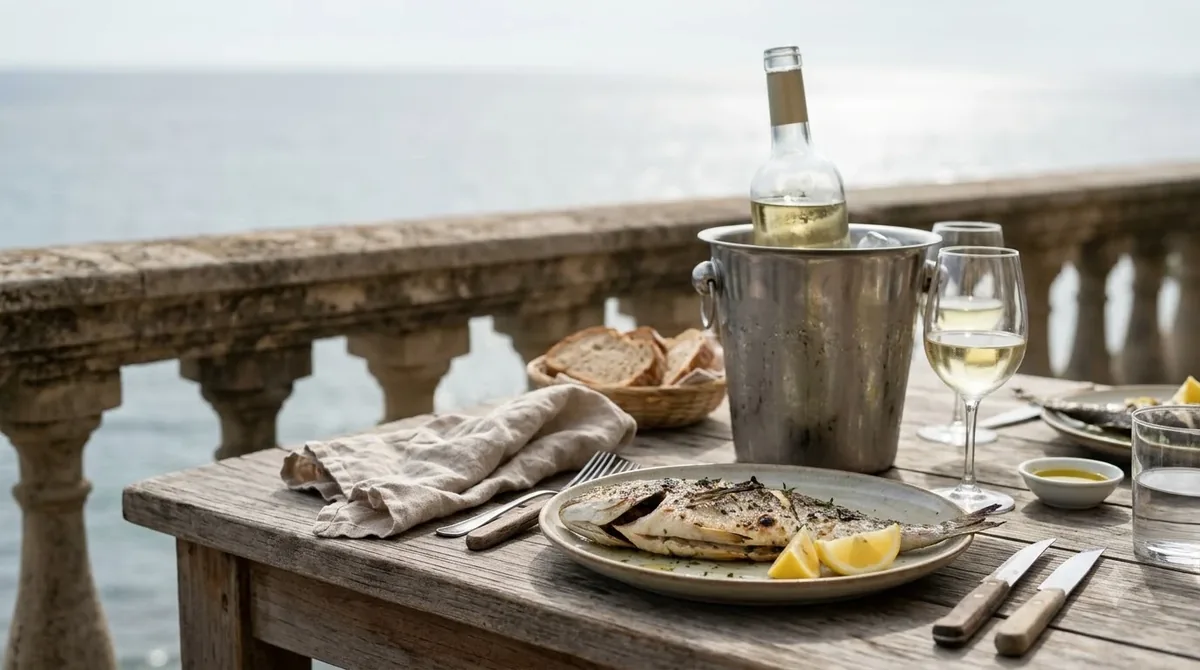
The rosé pairs well with seafood, roast chicken, salmon, charcuterie and soft cheeses, and it works with many light dishes that would clash with a heavier red. Strawberries, raspberries and lightly sweet pastries are also good companions. If you want to compare the brand’s rosé with other pink wines, the Whispering Angel rosé and the Hampton Water rosé are useful points of reference, since they show how a still, dry rosé differs from a sparkling one.
Who Veuve Clicquot Rose Suits
This rosé suits people who want a celebratory sparkling wine with a clear house identity and a serious, food-friendly profile. It is a good choice for special dinners, gifts and gatherings where a classic Champagne feels too formal. Drinkers who prefer sweet, light pink sparkling wines may find it drier and more structured than they expect.
Because it is a Champagne, the rosé is also a good example of why the region’s name matters. Only sparkling wine from the Champagne region of France can use the Champagne name, so the bottle carries a protected origin, not just a style.
When choosing a bottle, look for the Champagne name on the label, the house name and any indication of vintage or non-vintage style. Non-vintage bottles like the rosé are blended across several years to keep the house style steady, while vintage wines reflect a single harvest. Both approaches have their place, and the non-vintage style is the one most drinkers meet first.
Frequently Asked Questions
Is Veuve Clicquot Rose a real Champagne?
Yes. It is a rosé Champagne made in the Champagne region of France using the traditional method. The name Champagne applies only to sparkling wines from that region, so the label reflects its origin as well as its style.
Is Veuve Clicquot Rose sweet?
It is generally considered dry, with fruit flavors that can make it taste soft or lightly rounded. Drinkers who prefer sweeter pink sparkling wines may find it more structured than they expect.
What does Veuve Clicquot Rose taste like?
Most people describe it with red fruit notes and a soft finish. The bubbles are fine and lively, giving the wine a fresh feel with more fruit weight than a plain white Champagne.
What food goes well with Veuve Clicquot Rose?
It pairs well with seafood, salmon, roast chicken, charcuterie and soft cheeses. Fresh berries and lightly sweet pastries also work, since the fruit in the wine matches those flavors.
Veuve Clicquot Rose is a recognizable, food-friendly rosé Champagne with a long house history behind it. For a broader view of how this producer fits among other famous labels, see the wine brands guide, and for the house’s own account, read the Veuve Clicquot profile on the LVMH website.
More in Wine Brands
 Underwood Wine Price: Compare Bottles, Cans, and Pack SizesUpdated Nov 21, 2026
 Zenato Wine Price: Compare Styles and Choose the Right BottleUpdated Nov 21, 2026
 Zuccardi Wine Price: Compare Bottles and Find the Right RangeUpdated Nov 21, 2026
 Yellow Tail Moscato Review: Taste, Sweetness and Serving TipsUpdated Nov 21, 2026
 Wolf Blass Yellow Label Review: Choose Your Best StyleUpdated Nov 21, 2026
 Wolffer Estate Rose Review: Choose the Right Bottle for Your TableUpdated Nov 21, 2026