

We may earn a commission when you buy through links on this page, at no extra cost to you. Learn more.
La Vieille Ferme Rosé is a dry, easy-drinking rosé from the southern Rhône, made by the Perrin family from Cinsault, Grenache and Syrah. The wine is pale pink to salmon in colour, with floral and red-fruit aromas and a fresh finish. Producers recommend serving it cold, around 10 to 12 °C, as an aperitif or with a casual meal.
La Vieille Ferme is widely available in many markets, which makes it a familiar name for people shopping for an easy-drinking French rosé. This guide explains what is in the bottle, how it is made, how it tastes, how to serve and pair it, and how to decide whether it is the right rosé for your table. For a broader view of how producers approach their wines, the wine brands guide is a useful companion.
Where the Wine Comes From and Who Makes It
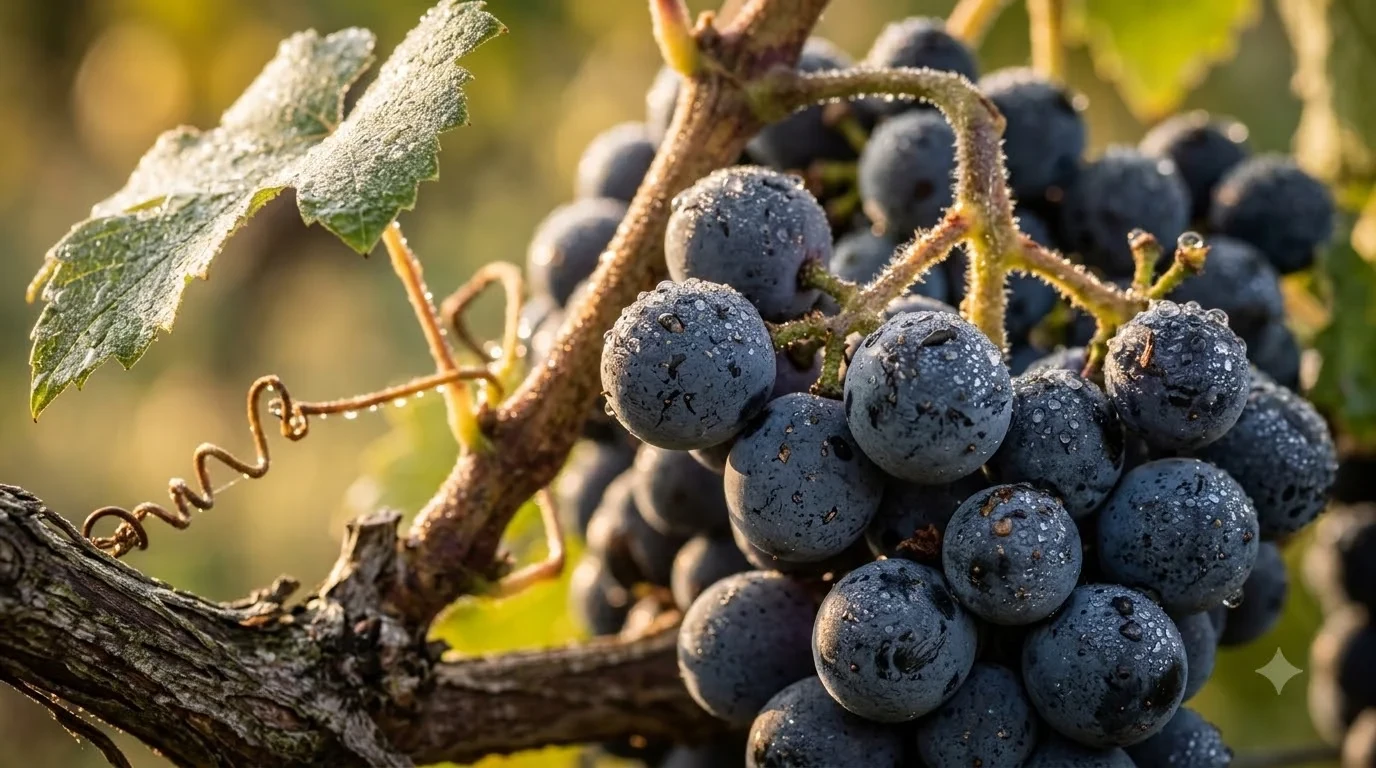
La Vieille Ferme is made by the Perrin family, who also own Château de Beaucastel in the southern Rhône. The family has a long history in the region, and the label is positioned as a fresh, approachable rosé rather than a premium estate wine. The producer’s product sheet describes the vineyards as sitting on the slopes of Mont Ventoux, the prominent limestone massif north of Avignon.
The appellation on the label can vary by vintage and by market. Some listings use Côtes du Luberon or simply Luberon, while others use the broader Rhône label or a Ventoux designation on the producer’s rosé sheet. The safest approach is to read the appellation on the bottle you are buying, because the regional name tells you a good deal about where the fruit was grown.
Grapes and How the Wine Is Made
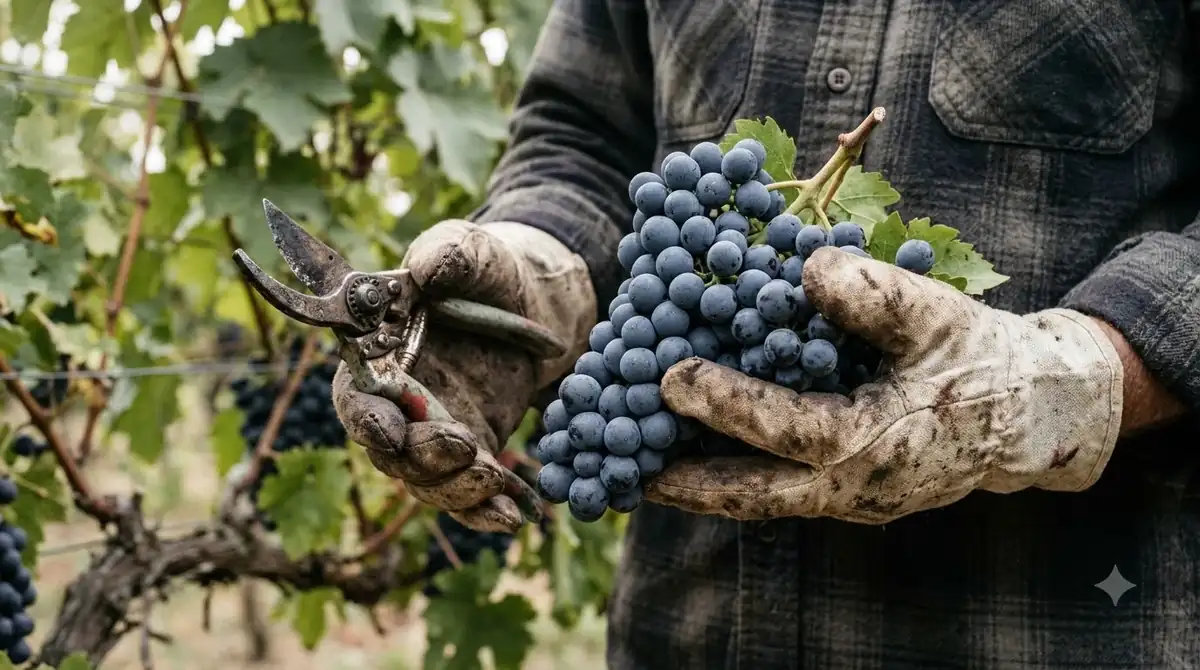
The blend is consistently listed as Cinsault, Grenache and Syrah. Cinsault brings a light, delicate fruit, Grenache adds body and red-berry notes, and Syrah contributes a little structure and savory depth. Together they give the rosé its balance between freshness and fruit.
The producer’s technical notes describe the wine as made by bleeding off juice from the vat, a method known as saignée, and then fermented and held in stainless steel. Stainless steel keeps the fruit clean and crisp, which suits the bright, fresh style the brand aims for. Long skin contact is also mentioned in the vintage notes, which helps the wine develop its colour and aromatic character.
| Element | What the producer describes |
|---|---|
| Grape varieties | Cinsault, Grenache and Syrah |
| Colour | Pink with red tones, pale in the glass |
| Aromas | Floral notes, with hints of aniseed and brown sugar |
| Palate | White flowers, cherries and fruit drops |
| Serving temperature | 10 to 12 °C, in tulip-shaped glasses |
Tip: Rosé is best enjoyed young. Check the vintage on the label and choose the most recent bottle you can find for the freshest fruit.
How the Rosé Tastes in Practice
Reviewers and producers describe the wine as fresh, fruity and easy to drink rather than heavy or complex. The first impression is of floral aromatics and red fruit, with a light texture and a dry finish. Some listings mention peach and nectarine notes in certain vintages, so the fruit can shift slightly from year to year.
Because the wine is dry, it does not taste sweet, even though its fruit is generous. Drinkers who prefer a sweeter pink wine may find it crisper than they expect, while those who enjoy a dry, mineral rosé will often see it as a good everyday choice.
Texture is another part of the experience. The wine has a light body and a clean, slightly tart edge that keeps each sip fresh. That lightness makes it easy to drink over a long afternoon, and it also means the wine can be enjoyed without the heavy feeling that some full-bodied rosés leave behind.
How to Serve La Vieille Ferme Rosé
Serve the rosé cold, close to 10 to 12 °C, which keeps the aromas bright and the finish clean. A glass that is too warm can make the wine taste flat, while one that is too cold can mute the fruit, so a short time in the fridge before pouring is usually enough.
The wine works as an aperitif on a warm evening, and it fits well with salads, grilled vegetables and lighter fare. Producers and reviewers have suggested pairing it with charcuterie, grilled white meats and seafood, where its acidity and red-fruit character can cut through richer flavors without overwhelming them.
How to Choose the Right Bottle
The main decision is whether you want a straightforward everyday rosé or a more distinctive wine from a smaller producer. La Vieille Ferme belongs to the first group, which makes it a dependable choice for casual meals, picnics and gatherings where several people want something easy to drink.
When you pick a bottle, look at the vintage, the appellation and the producer’s notes. Recent vintages are usually the freshest, and the label will tell you which region the grapes came from. Storing the bottle somewhere cool and out of direct sun before you open it also helps keep the fruit bright. If you are planning a celebration, a sparkling rosé may suit the moment better, and the La Marca Prosecco guide covers a popular sparkling option that works well as a bright opener.
If you already know you enjoy this style, the Whispering Angel rosé guide is a useful next step for comparing a different rosé from the same general region and style.
Who This Rosé Suits
La Vieille Ferme suits drinkers who want a fresh, dry rosé that does not demand much attention. It is a practical choice for hosts who want a wine that works across a range of tastes, and for anyone who wants a light red-fruit white alternative in warm weather. Drinkers who want a deeper, more complex rosé with long aging potential may prefer a different style, and they will find more structure in a rosé made from a single estate or a long-lived bottling.
The rosé also makes sense for a relaxed weekend lunch, a backyard meal or a casual dinner with friends who are not wine experts. Its approachable style means it rarely needs an explanation, and it gives people a dry pink option that feels fresh without being demanding. For many buyers, that simplicity is exactly the point. Buying two or three bottles at once is also a sensible plan, since a rosé like this is best enjoyed while it is fresh and tends to be most rewarding within a short window after release.
Frequently Asked Questions
What grapes go into La Vieille Ferme Rosé?
The producer lists Cinsault, Grenache and Syrah. The blend gives the wine its floral aromatics, red-fruit character and fresh, dry finish.
Is La Vieille Ferme Rosé dry or sweet?
It is dry. The fruit is expressive and the palate is light, but the wine does not finish sweet, which suits meals as well as aperitifs.
How should I serve La Vieille Ferme Rosé?
The producer recommends serving it between 10 and 12 °C in a tulip-shaped glass. A short chill in the fridge before pouring is usually enough.
What foods go well with this rosé?
It pairs with aperitifs, salads, grilled vegetables, charcuterie, grilled white meats and seafood. Its acidity and red-fruit notes help it cut through richer dishes.
La Vieille Ferme Rosé is a sensible choice for anyone who wants a dependable, fresh rosé for everyday drinking or casual entertaining. Choose the most recent vintage, serve it cold and pair it with light, savory food to get the best of its character.
More in Wine Brands
 Underwood Wine Price: Compare Bottles, Cans, and Pack SizesUpdated Nov 21, 2026
 Zenato Wine Price: Compare Styles and Choose the Right BottleUpdated Nov 21, 2026
 Zuccardi Wine Price: Compare Bottles and Find the Right RangeUpdated Nov 21, 2026
 Yellow Tail Moscato Review: Taste, Sweetness and Serving TipsUpdated Nov 21, 2026
 Wolf Blass Yellow Label Review: Choose Your Best StyleUpdated Nov 21, 2026
 Wolffer Estate Rose Review: Choose the Right Bottle for Your TableUpdated Nov 21, 2026