

We may earn a commission when you buy through links on this page, at no extra cost to you. Learn more.
A dry rose is a pink wine with little or no residual sugar, made from dark-skinned grapes that spend only a short time in contact with their skins. That brief contact gives it color and flavor without the tannin of a red, so it tastes fresh and dry rather than sweet. Most dry rose wines are best within a year or two of the vintage and are served chilled.
This guide explains how dry rose is made, why its color ranges from pale salmon to deep pink, which grapes go into the most common styles, and what to look for when you buy a bottle. It is written for shoppers who see a wall of pink bottles and want a clear way to choose.
How dry rose is made
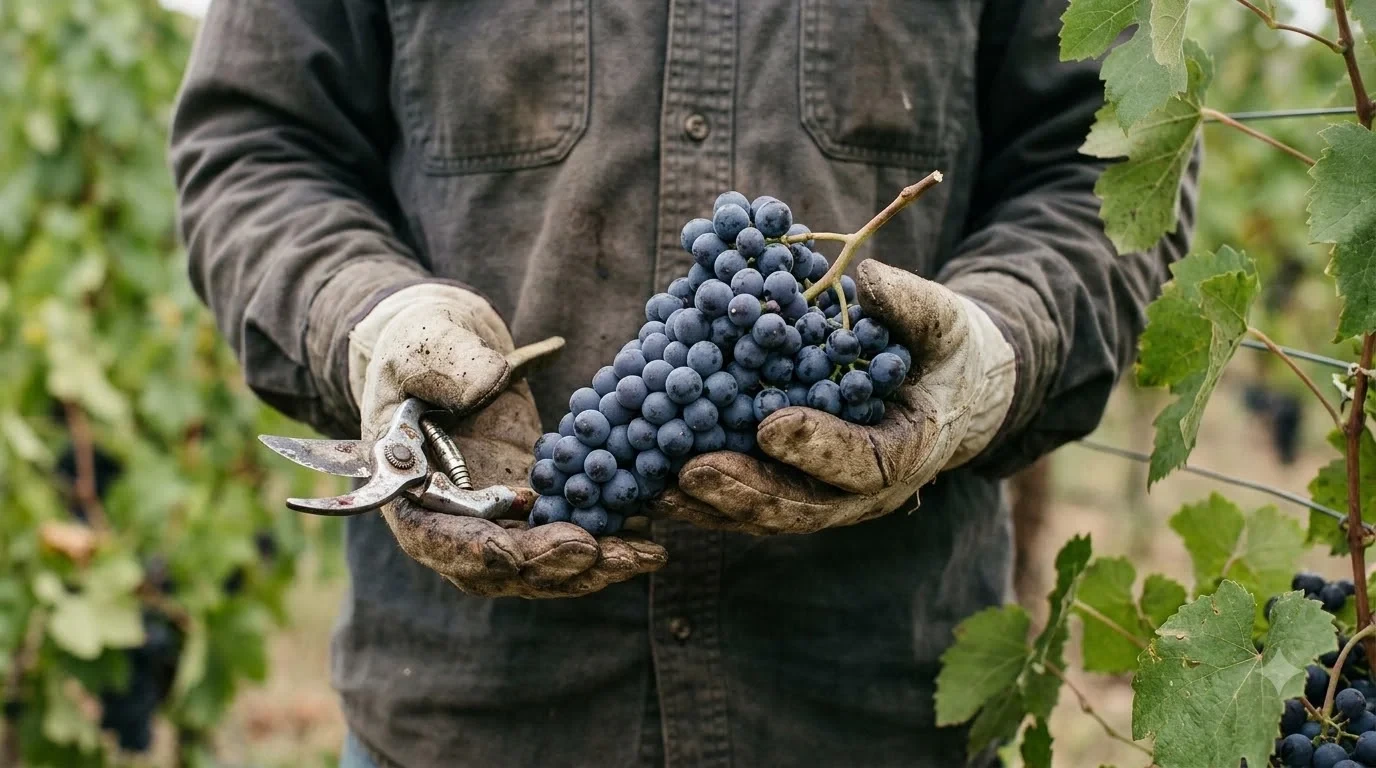
Dry rose is made in one of two main ways. The most common method is skin contact, also called maceration. Dark-skinned grapes are crushed and the juice is left on the skins for a short period before pressing. According to the reference article on rose wine, the contact time typically runs from about two to twenty hours, and 12 to 24 hours is a common range. Once the color is where the winemaker wants it, the skins are removed and the juice ferments on its own, the same way white wine does.
The second method is saignée, a French word meaning “bleeding.” Winemakers draw off some of the pink juice from a red wine fermentation early on. The red wine left behind becomes more concentrated, and the juice that was drawn off is fermented separately as rose. Because rose is often a by-product of red winemaking, you will see saignée rose from many producers who are mainly known for reds.
Mixing red wine into white to make pink is discouraged in most regions and is not allowed in France, with Champagne as the notable exception.
Colors, flavors and styles
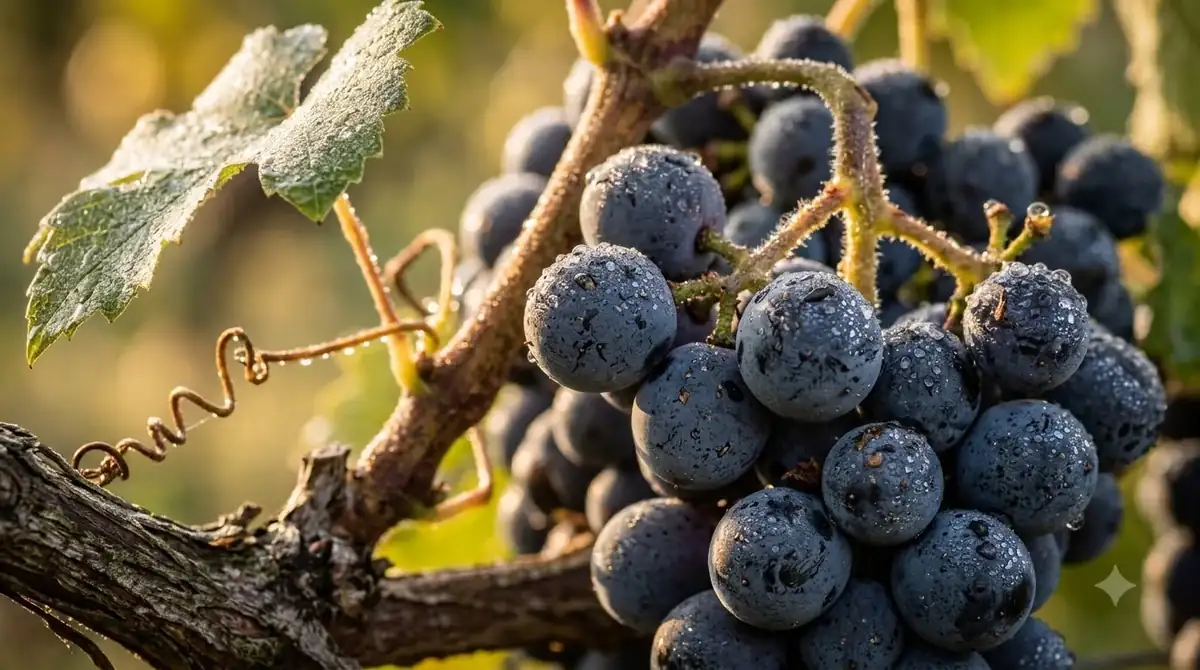
Color depends on the grape, the length of skin contact and the winemaker’s choice. Dry rose can look like pale onion skin, pink, coral or almost purple. Pale color usually signals a light, delicate style, but color alone does not tell you how dry or fruity a wine will taste.
In the rose wines of Provence, the flavors most often described are melon, peach, redcurrant, grapefruit, mango and mandarin orange. Rose from the Loire Valley tends to be a little more fruit-forward, and rose from Tavel in the southern Rhone is usually deeper in color and fuller in body. Sparkling rose from Champagne ranges from baby pink to a copper salmon shade and adds toasty, biscuit notes from bottle aging.
Common grapes and where they grow
Many different grapes make dry rose, and the regional rules often decide which ones are used. The table below lists the best-known styles and the grapes behind them. Wine Folly’s Grenache guide notes that the grape has its roots in northeastern Spain, where it is called Garnacha, and that the French have championed it in the southern Rhone Valley.
| Style | Typical grapes | What to expect |
|---|---|---|
| Provence, France | Grenache, with Syrah, Cinsault, Mourvedre and Tibouren | Pale, dry, herbal and citrusy |
| Tavel, France | Grenache (up to 60 percent) with at least 15 percent Cinsault | Deeper color, fuller body, more structure |
| Rose d’Anjou, Loire | Groslot (Grolleau), plus Cabernet Franc and Cabernet Sauvignon in Cabernet d’Anjou | Light, fruity and easy to drink |
| Champagne, France | Pinot noir and Pinot Meunier | Sparkling, with bready notes and fine bubbles |
| Spain | Garnacha (Grenache) | Ripe red fruit, often a little richer |
Tip: If the label names the grape and the region, you can predict the style. A Provence rose made from Grenache will usually be drier and lighter than a rose from a warm region where the fruit ripens more fully.
How to serve dry rose
Dry rose is best served cold but not icy. A cold glass keeps the wine fresh and brings out its acidity, while a wine served too cold loses much of its aroma. Use a standard white wine glass rather than a large red glass, so the aromas stay concentrated. Rose does not need decanting, and most bottles are ready to pour as soon as they are chilled.
Opening the bottle also matters. Pour a small amount first and let it sit in the glass for a minute, because a chilled rose gives up more aroma as it warms slightly. If the bottle is left open for several days, the fresh fruit fades quickly, so a half-finished rose is better kept in the refrigerator and finished within a day or two.
Storage matters more with rose than many people expect.
Keep the bottle in a cool, dark place, and drink it within one to two years of the vintage unless the label says it is built for aging. Rose that has been left in a warm car or on a sunny windowsill often tastes flat and tired.
What to eat with dry rose
Dry rose works with a wide range of food, which is one reason it has become so popular. Its acidity and fruit cut through rich dishes, and its lighter body suits foods that would overwhelm a delicate white. Provence rose is often served with Mediterranean dishes, especially garlicky aioli and bouillabaisse. Try it with grilled salmon, tomato-based pasta, goat cheese salads and spicy Thai food. Sparkling rose from Champagne pairs well with fried foods and salty snacks.
How to choose a bottle
Look for the region and the grape first, because they tell you more about the style than the color does. Next, check the alcohol level on the label. Lower-alcohol roses tend to feel crisper, while fuller roses from warm regions carry more weight. If you want a rose to drink on its own, choose a bottle described as dry and crisp. If you plan to serve it with food, a rose with more structure and acidity will hold up better.
Rose is also one of the few wine styles where the producer’s intent shows clearly in the glass. A rose made to be light and fresh will usually come from grapes picked early and a short skin contact, while a rose built to age or to pair with heavier food will taste more structured. If the producer notes describe the wine as bright, crisp or mineral, expect a lean, dry style. If they describe it as round, ripe or generous, expect more fruit and a little more body.
Price is not a reliable signal of quality in rose. Many good dry roses are modest in price, and the best value often comes from regions with long rose traditions. Read recent tasting notes from wine critics and compare a few bottles from the same region before you commit.
Frequently Asked Questions
Is dry rose sweet or dry?
Dry rose has little or no residual sugar, so it tastes fresh and crisp. Some pink wines are labeled sweet or off-dry, so check the label or producer notes if you prefer more sweetness.
Is dry rose just red wine mixed with white?
No. Most rose is made from dark grapes with a short skin contact, or by bleeding off juice from a red fermentation. Blending red and white wine is rare and is not allowed for still wine in France outside Champagne.
What is the best way to serve dry rose?
Serve it chilled in a white wine glass. A cool temperature keeps the wine lively and lets its aromas show, while a warm rose can taste heavy and flat.
Does dry rose age well?
Most dry rose is meant to be drunk young, within a year or two of the vintage. A small number of fuller roses can develop for a few years, but they are the exception rather than the rule.
Dry rose is a flexible wine that rewards a little attention to grape, region and color. Start with a Provence or Loire bottle, serve it cold and pair it with food you already enjoy. For more on the wines that sit beside rose on the shelf, see our guides to dry white wine and dry red wine, or browse the Wine Buying Guides for help choosing your next bottle.
More in Wine Buying Guides
 Riesling Gift: Choose a Bottle They’ll LoveUpdated Nov 21, 2026
 Sweet Red Wine Gift: Choose a Bottle They’ll LoveUpdated Nov 21, 2026
 Malbec Gift: How to Choose a Memorable Bottle for Any OccasionUpdated Nov 21, 2026
 Sherry Gift Ideas That Match Every Wine LoverUpdated Nov 21, 2026
 Moscato Gift: How to Choose a Sweet Wine They’ll LoveUpdated Nov 21, 2026
 Merlot Gift: How to Choose a Bottle They’ll AppreciateUpdated Nov 21, 2026