

We may earn a commission when you buy through links on this page, at no extra cost to you. Learn more.
Sparkling rose wine is a pink, bubbly wine that combines the fresh red fruit of rosé with the lift of carbonation. It gets its color from brief contact with red grape skins or from a blend, and its bubbles come from a second fermentation or a tank method. Most bottles are dry or nearly dry, and they are served chilled in a flute or a tulip glass.
This guide covers how sparkling rose is made, what it tastes like, how sweetness levels differ on the label, and how to serve and pair it. It also explains how it differs from still rosé and from other sparkling wines, so you can choose the right bottle for the occasion.
What Sparkling Rose Wine Is
Sparkling rose is a rosé wine with bubbles. The pink color comes from the grape skins, which are in contact with the juice for a short time before the skins are removed. Some producers also make pink sparkling wine by blending a small amount of red wine into a white base. Either way, the color is usually pale salmon, light coral or pale strawberry, and the wine is lighter than most still reds.
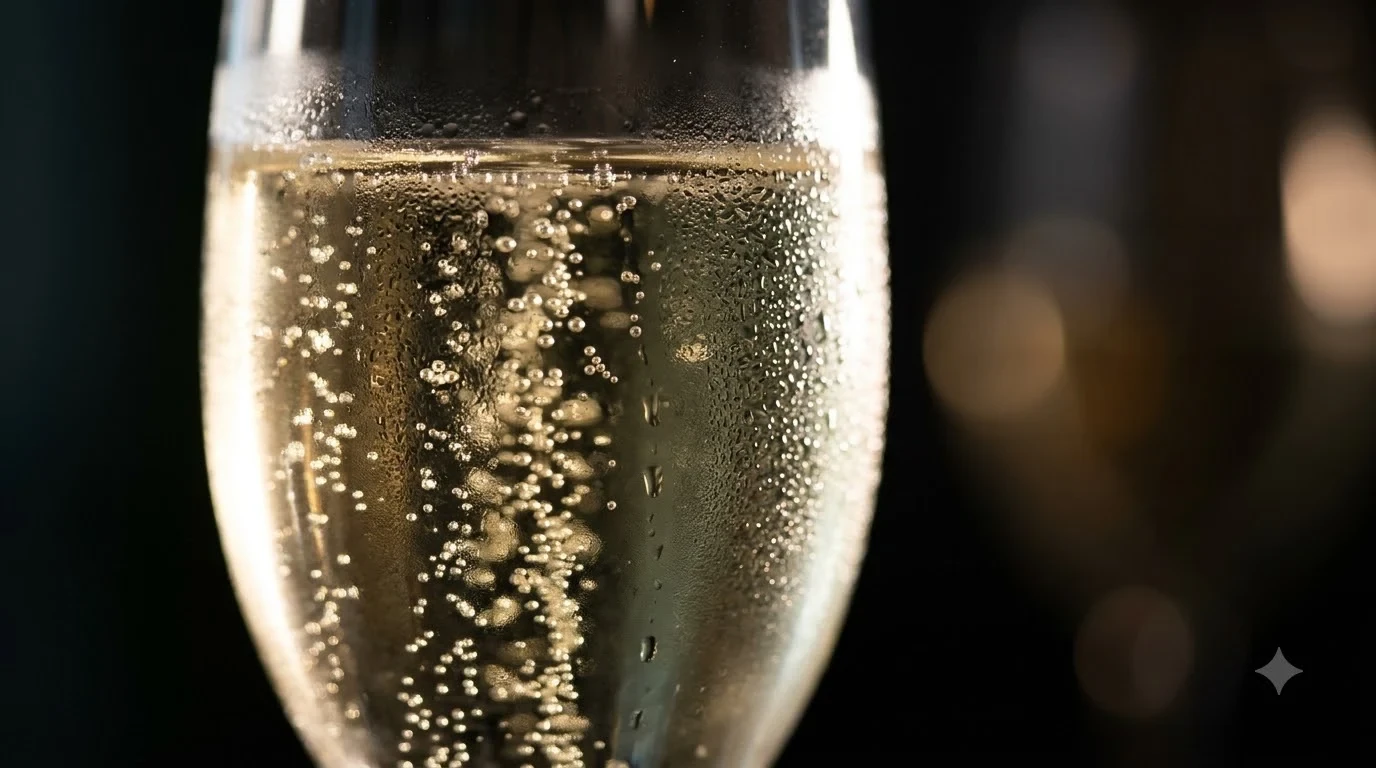
The fizz is the defining feature. Sparkling rose is made with carbon dioxide that stays dissolved in the wine until the bottle is opened. Because the bubbles carry aroma and make the wine feel fresh, even a simple bottle can taste lively and complex. If you enjoy a glass of still rose wine in the summer, the sparkling version adds texture and a crisp finish that many people find more refreshing.
How Sparkling Rose Is Made
Sparkling rose is usually made in one of two ways. The traditional method, used for Champagne and many high-quality bottles, creates the bubbles through a second fermentation inside the bottle. The wine then rests on its yeast for months or years, which adds biscuit, brioche and toasty notes. The Charmat method, used for many Prosecco-style and budget bottles, does the second fermentation in a large sealed tank. It keeps the fruit fresh and bright and is generally less expensive.
The pink color is created in one of two main ways. Short skin contact with red grapes lets the juice pick up color and tannin before pressing. Some producers instead blend a small amount of red wine into the white base. Blending is common in Champagne, where it is an accepted way to make rosé. The method affects the color and the flavor, so the back label or producer notes are worth a quick look.
| Method | How the pink color is made | What it usually tastes like |
|---|---|---|
| Short skin contact | Juice touches red skins briefly before pressing | Fresh red fruit, some structure, pale pink color |
| Blending with red wine | A small amount of red wine is added to white base | Consistent style, often crisp and clean |
| Traditional method | Second fermentation inside the bottle | Biscuit, brioche and fine, long-lasting bubbles |
| Charmat method | Second fermentation in a sealed tank | Bright fruit and fresh, lively bubbles |
Neither method is better in every case. Traditional-method bottles often suit a special dinner, while Charmat bottles are a practical choice for a party or an everyday glass. The label usually names the method, so you can match the bottle to the occasion.
What Sparkling Rose Tastes Like
Most sparkling rose shows red fruit first. Strawberry, raspberry, cherry and watermelon are the most common notes, and some bottles add a hint of citrus or rose petal. The bubbles lift these aromas and make the wine feel light on the palate. Acidity is usually bright, which gives the finish a clean, crisp quality that works well with food.
Body is light to medium, and the wine rarely feels heavy. Tannin is low, so the wine is easy to drink without food. Wine Folly’s guide to light red wines notes that lighter wines in general tend to have lower tannins, and the same softness is what makes a pink wine feel so approachable. Traditional-method bottles show more depth, with notes of toast, cream and nuts that build as the wine ages in the bottle before release. Charmat bottles are simpler and more fruit-forward, which many drinkers prefer for a casual glass.
Sweetness Levels on the Label
Sparkling wine labels use a standard set of sweetness terms, and they are worth learning because they tell you how dry the wine will taste. Brut is the driest and most common style, with little or no perceived sweetness. Extra dry is slightly sweeter and often feels rounder. Demi-sec is clearly sweet and pairs well with fruit desserts. Many people who want the fizz without too much sugar choose brut, while those who prefer a softer glass often look for extra dry.
Keep in mind that the sweetness term refers to the sugar added at the end of production, so the wine can taste fruitier or softer than its label suggests. A brut rose with ripe strawberry fruit may feel more generous than a drier white sparkling wine, which is why tasting a small glass first is a good way to find your preference.
How to Serve Sparkling Rose
Serve sparkling rose well chilled, with a bottle kept in the refrigerator or an ice bucket until it is poured. The cold temperature keeps the bubbles lively and the fruit fresh. A flute or a tulip-shaped glass helps the bubbles last and concentrates the aromas, while a wide, shallow glass can let the fizz escape quickly.
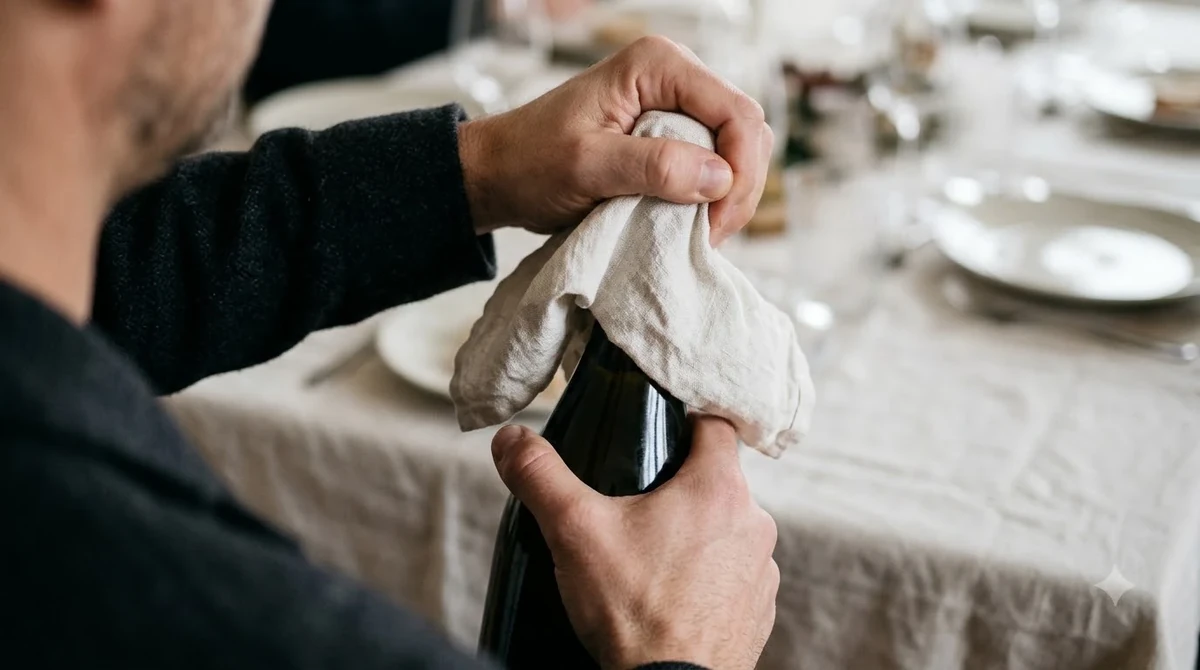
To open the bottle, hold the cork firmly and turn the bottle rather than the cork, keeping the bottle angled away from people. Pour slowly into the middle of the glass to limit foam. An opened bottle keeps its fizz for only a short time, so it is best to finish it the same day or use a sparkling-wine stopper and keep it chilled.
Food Pairings for Sparkling Rose
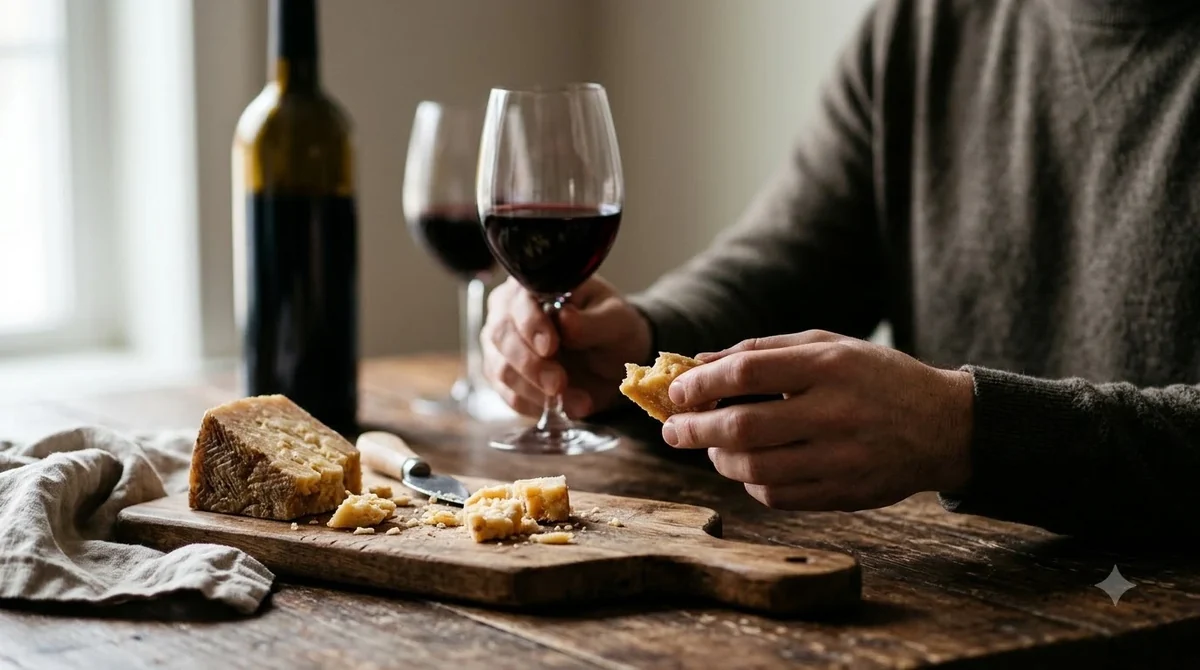
Sparkling rose is one of the most versatile wines at the table. Its acidity and bubbles cut through fried and rich foods, and its red fruit flavors match a wide range of dishes. It works well with salmon, shrimp, roast chicken and charcuterie. Fried food, such as fried chicken or crispy potato dishes, is a classic match because the bubbles refresh the palate between bites.
Fresh fruit and light desserts also pair well, especially strawberries, berry tarts and lemon cakes. For a relaxed meal, serve sparkling rose with a platter of cheese, cured meats and bread. Sweeter demi-sec styles suit fruit desserts, while brut styles work better with savory food. A brut bottle is a flexible choice for almost any starter, and it can carry a meal from the appetizer through to the main course.
How to Choose a Sparkling Rose Bottle
Start by deciding how you will drink the wine. For a celebration or a special dinner, a traditional-method bottle gives more depth. For a party or a casual evening, a Charmat-method bottle is bright and easy. Check the sweetness term, which for most people should be brut or extra dry unless they want a sweeter glass.
If you prefer a sweet, fruity sparkling wine with less dryness, a sparkling moscato wine is a softer alternative. For a still pink wine with a similar color, the guide to rose color explains how shades relate to winemaking. To see where sparkling rose fits among other pink and sparkling styles, the Wine by Type section is a useful reference.
Frequently Asked Questions
Is sparkling rose sweet?
It depends on the label. Brut and extra dry styles taste dry to slightly off-dry, while demi-sec is clearly sweet. Most people who want a crisp glass choose brut.
How is pink sparkling wine colored?
Producers either leave the juice in brief contact with red grape skins before pressing or blend in a small amount of red wine. The method changes the depth of the color and the flavor.
Can you keep sparkling rose after opening?
Only for a short time. Keep the bottle chilled and sealed with a sparkling-wine stopper, and try to finish it within a day or two, since the bubbles fade quickly.
What food goes with sparkling rose?
Fried food, salmon, shrimp, charcuterie and berry desserts all pair well. The bubbles and acidity make it a flexible choice from appetizers through dessert.
Sparkling rose is a bright, flexible wine for almost any table. Choose a brut bottle, serve it well chilled in a flute or tulip glass, and pair it with fried food, seafood or berries. Once you know the method and sweetness on the label, it is easy to find a style you enjoy.
More in Wine Types & Grapes
 Zinfandel Sugar Content: Dry Red vs. White Zinfandel GramsUpdated Nov 21, 2026
 Best Zinfandel Substitute Options for Sipping and CookingUpdated Nov 21, 2026
 Zweigelt Food Pairing: Best Dishes, Cheeses, and Serving TipsUpdated Nov 21, 2026
 Zinfandel Tannins Explained: How Structure Shapes Every BottleUpdated Nov 21, 2026
 Zinfandel Sweetness Level: Dry Red vs. Sweet White Zin ExplainedUpdated Nov 21, 2026
 Xinomavro Food Pairing: Best Dishes, Styles, and Serving TipsUpdated Nov 21, 2026