

We may earn a commission when you buy through links on this page, at no extra cost to you. Learn more.
When comparing carignan vs pinot noir, the core difference comes down to climate, structure, and savory depth: Carignan is a warm-climate red with medium body, medium tannins, and spicy, cured-meat undertones, while Pinot Noir is a cool-climate red known for a lighter, silkier frame, lower tannins, and delicate floral-and-forest-floor complexity. Both grapes share bright, mouthwatering acidity and vivid red-berry flavors like raspberry and cranberry. However, Carignan typically carries higher alcohol (13.5% to 15% ABV) and a rustic, baking-spice warmth, whereas Pinot Noir sits slightly lower in alcohol (12% to 14% ABV) and prioritizes finesse over grip.
Wine drinkers who love red-fruited, high-acid bottles often wonder how these two varieties stack up at the dinner table. Although Pinot Noir commands global fame and Carignan spent decades flying under the radar as a blending workhorse, old-vine bottlings have turned Carignan into one of the wine world’s most compelling alternatives—and exploring their contrast is a rewarding stop in any Wine vs Wine comparison.
What It Is
Carignan and Pinot Noir are both dry red wine grapes prized for vibrant acidity and red-fruit character, yet they come from completely different viticultural worlds. Carignan thrives in hot, sunny Mediterranean climates, whereas Pinot Noir is famously finicky and demands long, cool growing seasons.
Pronounced “care-in-yen,” Carignan (also spelled Carignane in California or Cariñena and Mazuelo in Spain) is an ancient variety widely believed to have originated in Aragon, Spain, before spreading across southern France and the broader Mediterranean basin. For much of the twentieth century, growers planted it heavily because young vines produce enormous yields, which often resulted in thin, astringent jug wine. As Wine Folly’s guide to Carignan explains, everything changes as those vines age: old-vine Carignan naturally restricts its crop load, concentrating the juice into deeply flavorful, structured red wine.
Pinot Noir, whose name comes from the French words for “pine” and “black” in reference to its tight, pine-cone-shaped clusters, is native to Burgundy, France. Growers frequently call it the “heartbreak grape” because its thin skins and compact bunches make it vulnerable to rot, frost, and sunburn. Unlike Carignan, which loves heat, Pinot Noir loses its signature delicacy if temperatures climb too high, which is why top vineyards cluster in cool coastal valleys and northern appellations. It also plays a major role outside still red wine, serving as a foundational grape in traditional-method sparkling wines like Champagne.
Flavor and Styles
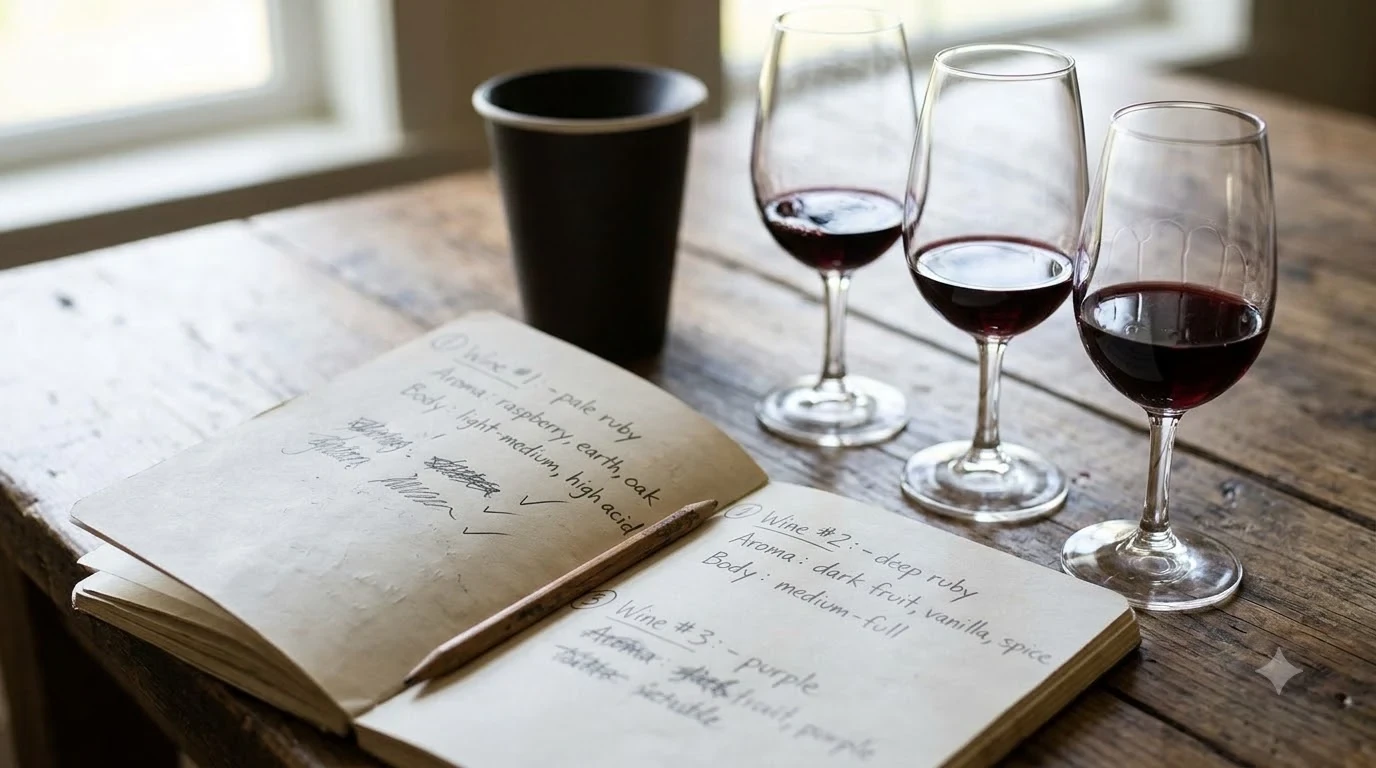
On the palate, Carignan delivers a punchy combination of tart red berries, exotic baking spices, and savory umami, while Pinot Noir leans toward translucent red fruit, dried florals, and damp earth. Even when both wines are made in a dry, medium-bodied style, their textures and aromatic signatures feel noticeably distinct.
Typical single-varietal Carignan bursts with flavors of raspberry, dried cranberry, and cranberry sauce, layered over warm notes of cinnamon, star anise, clove, and tobacco leaf. Many tasters also notice a distinctive savory edge—often compared to cured meat, smoked charcuterie, or leather—especially right after the cork is pulled. Winemakers take two main stylistic paths with the grape: some age old-vine fruit in oak barrels to highlight plush spice and sandalwood, while others use whole-cluster or carbonic fermentation to create crunchy, juicy, lower-alcohol reds around 12.5% ABV that drink almost like Beaujolais.
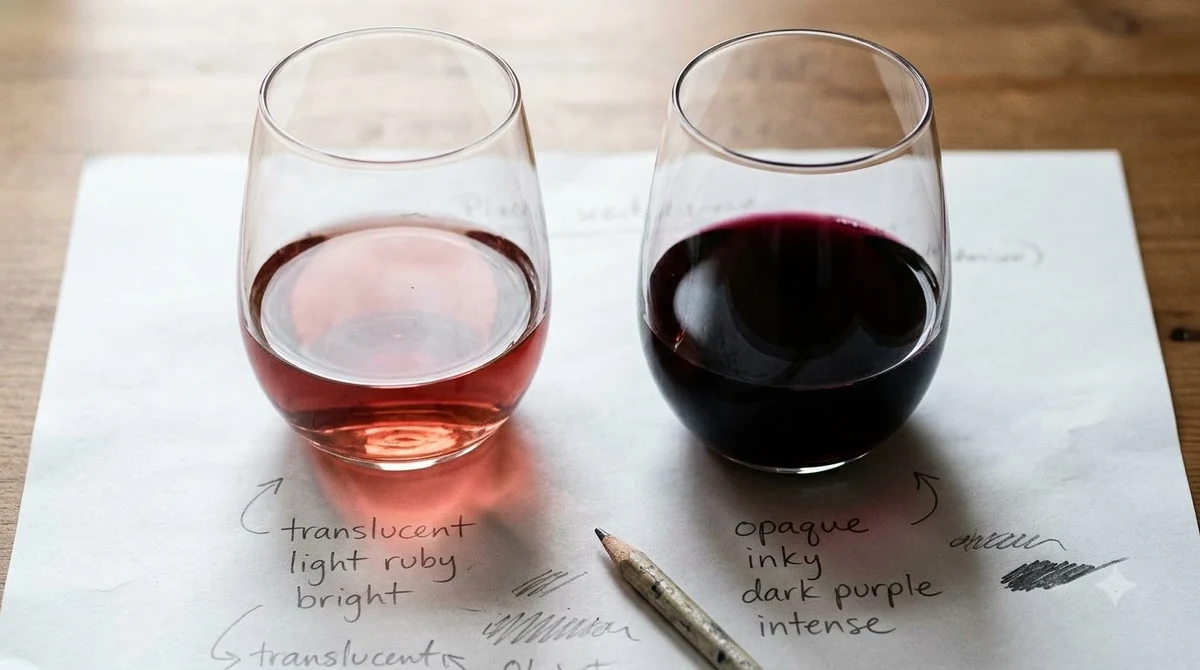
Pinot Noir trades that rustic, meaty spice for lifted aromatics and silky elegance. Classic bottlings showcase bright cherry, wild raspberry, and cranberry alongside rose petal, hibiscus, and a savory undertone of wild mushroom or forest floor. Because Pinot Noir has much thinner skins than Carignan, it imparts pale-to-medium ruby color and gentle, fine-grained tannins. Depending on where it is grown and how much new oak a winemaker uses, styles range from lean, earthy, and herbal in cool regions to plush, dark-cherry-driven, and subtly vanilla-scented in sunnier coastal sites, a contrast that also shows up when comparing grenache vs pinot noir.
| Attribute | Carignan | Pinot Noir |
|---|---|---|
| Body | Medium | Light to medium |
| Tannins | Medium | Low |
| Acidity | Medium-high | Medium-high |
| Typical ABV | 13.5%–15% | 12%–14% |
| Primary Flavors | Dried cranberry, raspberry, baking spices, cured meat, tobacco leaf | Cherry, raspberry, mushroom, hibiscus, vanilla |
| Ideal Serving Temp | 60–68°F (15–20°C) | 55–60°F (13–15°C) |
| Aging Potential | 5–10 years | 5–20 years (top bottles) |
Where It Grows
Carignan flourishes in sun-drenched Mediterranean vineyards with rocky, dry soils, whereas Pinot Noir seeks out cool, breezy valleys and maritime influences. Understanding their home turf explains why one grape builds warm spice while the other preserves crisp, translucent fruit.
Southern France remains the spiritual heartland of modern single-varietal Carignan, particularly across the Languedoc-Roussillon in appellations like Fitou, Corbières, Minervois, and Montpeyroux, where gnarled bush vines often exceed seventy years of age. Across the border in Spain, the grape—locally called Cariñena or Mazuelo—plays a vital role in the slate-soil blends of Priorat and Montsant, while Sardinia cultivates it as Carignano del Sulcis. In the New World, old-vine pockets survive in California’s Mendocino County, Contra Costa County, and Lodi, alongside dry-farmed heritage vineyards in Chile’s Maule Valley.
Pinot Noir’s global map follows cooler latitudes and ocean-cooled corridors. Burgundy’s Côte d’Or in France sets the historic benchmark, with limestone and clay soils producing age-worthy expressions of extraordinary nuance, while Alsace and the Loire Valley’s Sancerre craft lighter, crisper versions. In the United States, Oregon’s Willamette Valley and California’s Sonoma Coast, Russian River Valley, and Santa Rita Hills lead production. Outside North America and France, standout regions include New Zealand’s Central Otago and Martinborough, Germany’s Baden and Ahr valleys (where it is known as Spätburgunder), and coastal Chile’s Casablanca and Bío Bío valleys.
How to Serve
Both wines taste best when served slightly below room temperature, though Pinot Noir benefits from a slightly cooler chill and Carignan often rewards extra time in a decanter. Giving each bottle the right temperature and aeration unlocks its aromatics without letting alcohol or reduction mask the fruit.
Serve Pinot Noir at cellar temperature, roughly 55°F to 60°F (13°C to 15°C), which translates to about 15 to 20 minutes in the refrigerator before pouring. If Pinot Noir is served too warm, its alcohol stands out and its delicate floral and red-berry notes turn flat. Pour it into a large, wide-bowled Pinot Noir or Burgundy glass—often called an aroma-collector glass—to concentrate its subtle perfume, and give young bottles 15 to 30 minutes of air in the glass or a decanter.
Carignan handles a slightly wider serving window of 60°F to 68°F (15°C to 20°C), though chilling it toward the lower end of that range keeps its 13.5% to 15% ABV feeling fresh and balanced. Aeration matters even more here: freshly opened Carignan can sometimes give off a strong, funky, cured-meat aroma that blows off with oxygen. As VinePair’s feature on Carignan and sommelier tasting notes emphasize, decanting Carignan for 30 to 60 minutes softens its medium tannins and brings its bright raspberry and cinnamon character into focus.
Tip: If a newly opened bottle of Carignan smells strongly of smoked or cured meat, decant it for 30 to 60 minutes before serving so the savory reduction fades and the red berry and spice notes shine through.
Food Pairing
High acidity makes both Carignan and Pinot Noir exceptionally versatile at the table, but Carignan’s savory spice handles bolder herbs and smoke while Pinot Noir excels with earthy, delicate proteins. Matching the intensity of the dish to the weight of the wine is the easiest way to nail either pairing.
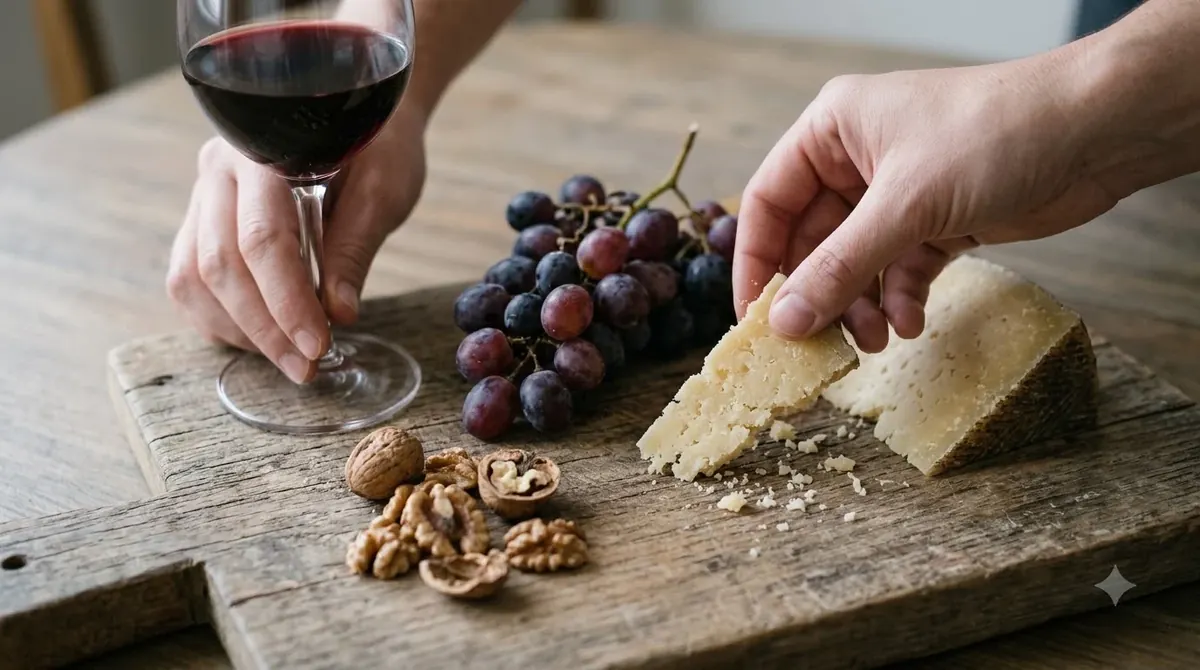
Carignan shines alongside dishes seasoned with warm spices like cinnamon, cumin, clove, star anise, and five-spice powder, because the wine mirrors those exact aromatics and makes the food taste sweeter and rounder. Reviewers at Wine Folly highlight its affinity for dark-meat roast turkey, roasted pork shoulder, duck, lamb gyros, beef brisket, and cured meats like soppressata and bresaola. It also pairs effortlessly with aged Gouda, Manchego, and wood-fired pizza, making it an ideal bottle for Thanksgiving spreads or casual weeknight roasts.
Pinot Noir is famous for bridging the gap between red and white wine pairings, working smoothly with dishes that would be overwhelmed by heavy tannins—much like the lighter side of nebbiolo vs pinot noir, though with far softer grip. Classic pairings include roasted duck breast, coq au vin, pork tenderloin, and wild mushroom risotto, where the wine’s forest-floor notes echo earthy ingredients. Because its tannins are low, Pinot Noir is also one of the few red wines that pairs cleanly with rich, oily fish such as grilled or pan-seared salmon.
How to Choose a Bottle
Choosing between Carignan and Pinot Noir comes down to whether you want rustic warmth and spice or silky finesse, as well as what kind of meal you are planning. Keeping a few label clues in mind will help you pick a standout bottle in either style.
Reach for Carignan when you want a crowd-pleasing, food-friendly red with rich fruit, warming baking spices, and a bit more mid-palate heft without the heavy astringency of Cabernet Sauvignon. On the label, look for phrases like “Vieilles Vignes” (old vines) from Languedoc-Roussillon appellations such as Fitou, Corbières, or Montpeyroux, or seek out heritage old-vine bottlings from Mendocino and Lodi in California. If you prefer a brighter, chillable style that leans closer to Gamay, look for producers noting whole-cluster or carbonic fermentation.
Pick Pinot Noir when a dish calls for lighter tannins, brighter floral aromatics, or a nuanced pairing with salmon, poultry, or mushrooms—and if you ever want a crisp white alternative for similar fare, check out pinot noir vs sauvignon blanc. When shopping for Pinot Noir, let the region guide your expectations: choose Burgundy, Oregon’s Willamette Valley, or Germany for leaner, earthier, cranberry-and-mushroom complexity, or look to California’s Russian River Valley and New Zealand’s Central Otago for riper dark-cherry fruit and plush texture.
Frequently Asked Questions
Is Carignan heavier than Pinot Noir?
Yes, Carignan is typically slightly fuller-bodied, darker in color, and firmer in tannin than Pinot Noir. While Pinot Noir usually falls into the light-to-medium-bodied category with low tannins and 12% to 14% ABV, Carignan sits solidly in the medium-bodied range with medium tannins and 13.5% to 15% ABV.
Does Carignan taste like Pinot Noir?
They share bright acidity and core red-fruit flavors like raspberry and cranberry, so lighter styles of Carignan can remind drinkers of Pinot Noir. However, Carignan stands apart with pronounced notes of baking spices, tobacco leaf, and cured meat, whereas Pinot Noir leans toward floral aromas like hibiscus and earthy forest-floor notes.
Which wine is better for Thanksgiving dinner?
Both are top choices for Thanksgiving because their medium-high acidity cuts through rich gravies and side dishes without clashing with poultry. Pinot Noir is the classic match for roasted turkey breast, cranberry sauce, and mushroom stuffing, while Carignan is especially rewarding with dark-meat turkey, sausage stuffing, and cinnamon- or clove-spiced autumn dishes.
Do you need to decant Carignan or Pinot Noir?
Carignan benefits significantly from decanting for 30 to 60 minutes, which helps blow off its signature cured-meat reduction and softens its medium tannins. Pinot Noir generally needs less aeration—often just 15 to 30 minutes in a wide-bowled glass—though structured, age-worthy bottles from Burgundy or Oregon also open up nicely in a decanter.
Ultimately, both grapes reward drinkers who prioritize lively acidity and vibrant red fruit over heavy oak and aggressive tannins. Keep Pinot Noir on hand for nuanced, earthy pairings and delicate proteins, and turn to old-vine Carignan whenever your table calls for warming spice, roasted meats, and rustic Mediterranean character.
More in Wine vs Wine
 Champagne vs Sauvignon Blanc: Key Differences in Taste, Bubbles, and PairingUpdated Nov 21, 2026
 Chablis vs Riesling: Key Differences in Taste, Sweetness, and PairingUpdated Nov 21, 2026
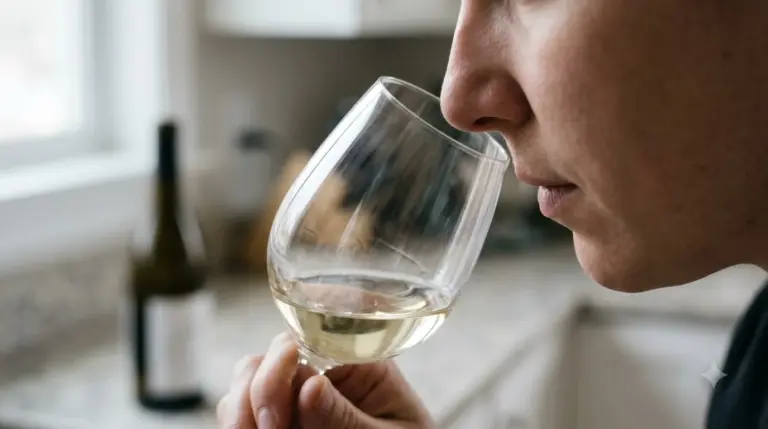 Cabernet Sauvignon vs White Zinfandel: Key Differences in Taste, ABV, and PairingUpdated Nov 21, 2026
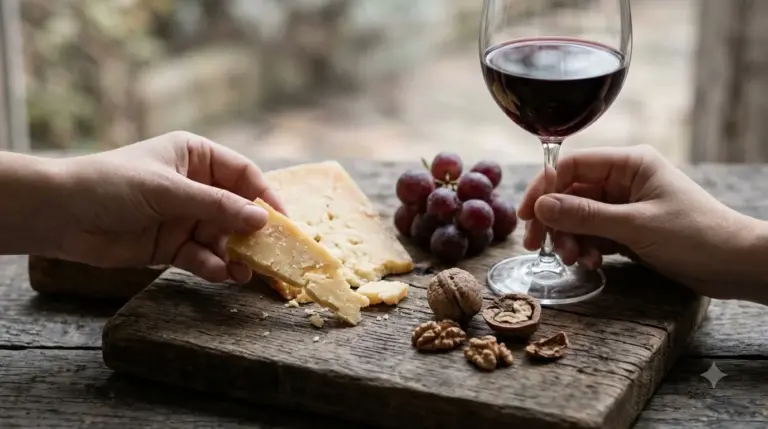 Cabernet Sauvignon vs Tempranillo: Taste, Tannins, and Food PairingUpdated Nov 21, 2026
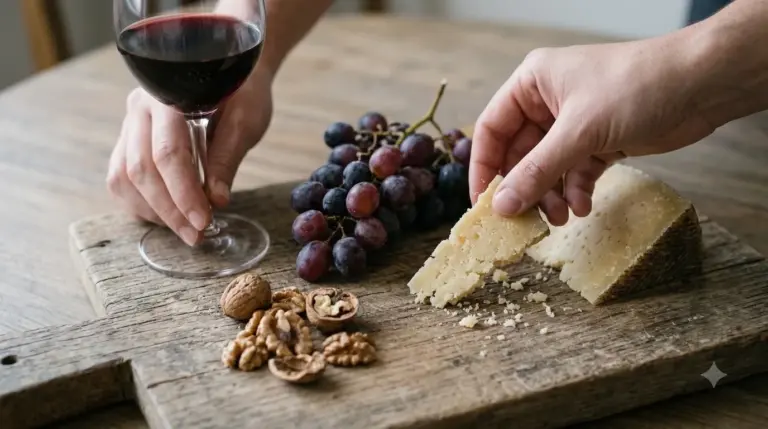 Cabernet Sauvignon vs Sangiovese: Flavor, Structure, and Pairing DifferencesUpdated Nov 21, 2026
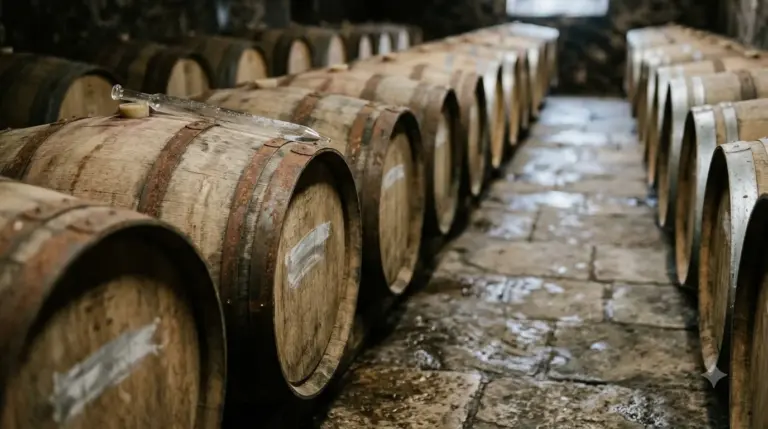 Cabernet Sauvignon vs Rioja: How Grape, Oak, and Flavor CompareUpdated Nov 21, 2026