

We may earn a commission when you buy through links on this page, at no extra cost to you. Learn more.
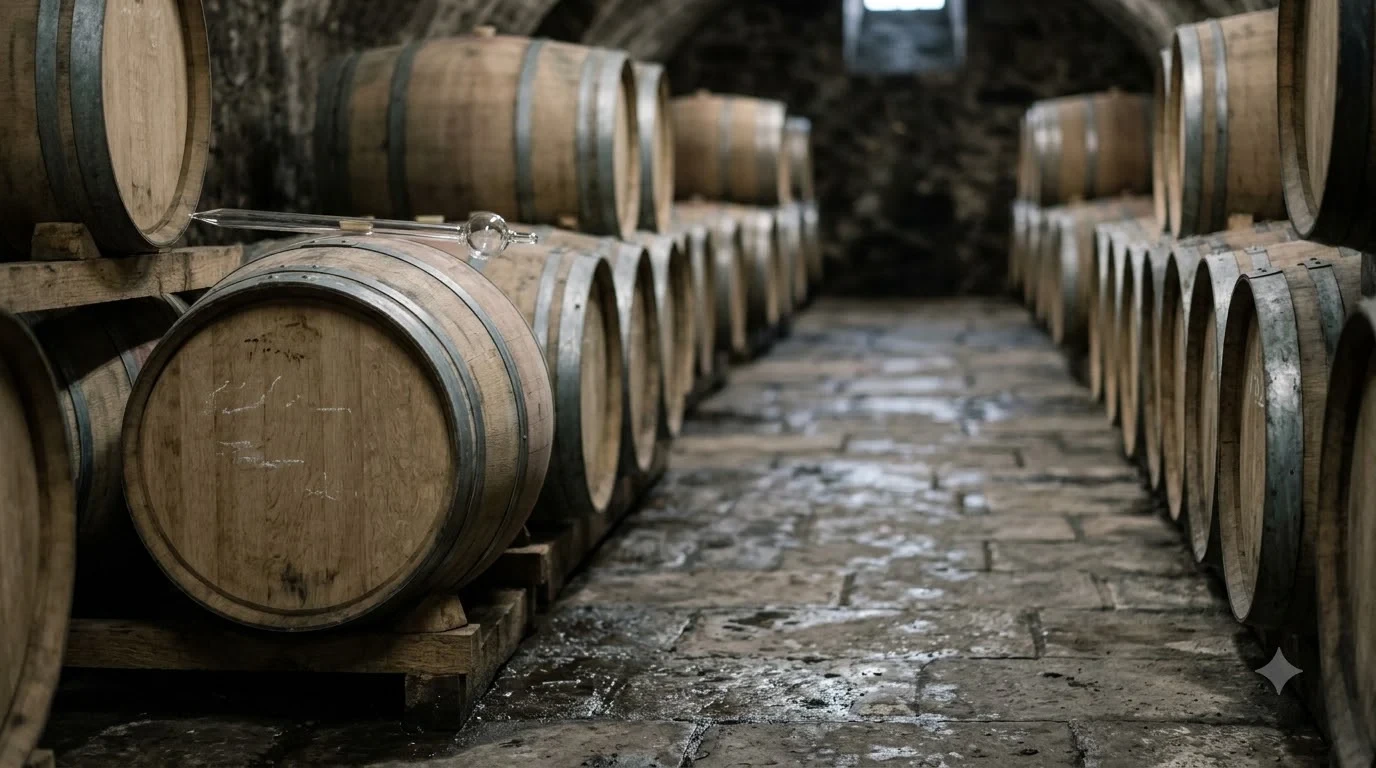
When comparing bordeaux vs rioja, the primary difference lies in their signature grapes, oak traditions, and release schedules: Bordeaux builds structured, cassis-driven blends around Cabernet Sauvignon and Merlot aged primarily in French oak, whereas Rioja centers on Spain’s Tempranillo grape aged in bodega cellars before release, often in American oak. Bordeaux wines tend to showcase dark fruit, herbal complexity, and firm tannins that reward patience, while Rioja delivers red cherry, leather, dill, and vanilla notes in a bottle ready to open the day you buy it. Both regions produce age-worthy, food-friendly reds with shared nineteenth-century winemaking roots, yet each offers a distinct experience at the dinner table.
Understanding how these two European benchmarks diverge helps you pick the right bottle for tonight’s meal or a long-term cellar. Although the regions sit across the Pyrenees from one another—Bordeaux on the Atlantic coast of southwestern France and Rioja along the Ebro River in north-central Spain—their histories are closely linked. In the late nineteenth century, French winemakers crossed into Spain during the phylloxera crisis, bringing the 225-liter oak barrel and modern cellar aging methods that shaped Rioja into what it is today. Since then, each region has refined its own identity through local grape varieties, climate, and barrel choices.
Overview of Bordeaux and Rioja
Bordeaux and Rioja are two of Europe’s most influential red wine regions, united by a commitment to blended, oak-aged wines yet separated by geography and cellar philosophy. While Bordeaux operates on a château-driven model that often releases young wines for buyers to age at home, Rioja functions on a bodega-driven aging system where wineries hold bottles until they reach maturity.
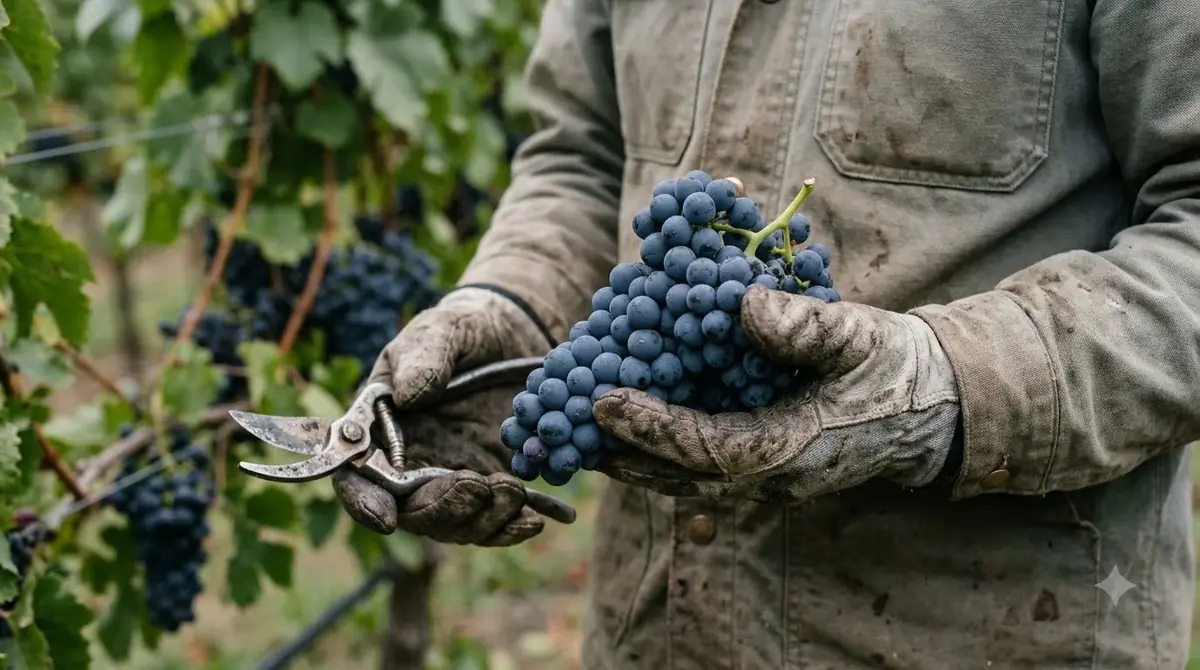
In Bordeaux, winemaking revolves around individual estates, or châteaux, spread across a maritime climate moderated by the Garonne and Dordogne rivers and the Gironde estuary. Over 90 percent of Bordeaux production is red wine, though the region also crafts crisp and creamy dry whites from Sauvignon Blanc and Sémillon as well as celebrated sweet wines in Sauternes. Because estates generally release their reds within a couple of years of harvest, buyers of structured bottles frequently assume the responsibility of cellaring them until the tannins soften. If you are exploring how classic Old World styles stack up across the globe, our broader Wine vs Wine comparisons break down these foundational regional contrasts.
Rioja, Spain’s flagship wine region, sits inland in north-central Spain, shielded from harsh Atlantic weather by the Sierra de Cantabria mountains. According to Wine Folly’s Rioja classification guide, red grapes account for more than 93 percent of plantings, led overwhelmingly by Tempranillo. Rather than relying on an estate hierarchy like Bordeaux’s 1855 Classification, Rioja categorizes its wines primarily by how long they age in oak barrels and bottles before leaving the winery. This means a bottle pulled off a retail shelf has already spent years developing tertiary complexity in the producer’s cellar.
| Feature | Bordeaux | Rioja |
|---|---|---|
| Country & Region | Southwestern France (Atlantic maritime climate) | North-central Spain (Ebro Valley, mountain-sheltered) |
| Primary Red Grapes | Cabernet Sauvignon, Merlot, Cabernet Franc, Petit Verdot, Malbec | Tempranillo, Garnacha, Graciano, Mazuelo (Carignan) |
| Dominant Oak Type | French oak (subtle cedar, clove, spice) | Traditionally American oak (vanilla, coconut, sweet spice), plus French oak |
| Release Philosophy | Released young; top bottles require home cellaring | Aged at the bodega (Crianza, Reserva, Gran Reserva) and sold ready to drink |
| Core Flavor Profile | Blackcurrant, plum, graphite, tobacco leaf, cedar | Red cherry, dried strawberry, leather, dill, vanilla, tobacco |
| Typical Serving Temp | Around 65°F (18°C) | 60–68°F (15–20°C) |
Sub-regions and Terroir
Both regions divide into distinct sub-zones where soil composition, elevation, and river proximity dictate the weight and texture of the finished wine. In Bordeaux, the Gironde estuary and its two tributary rivers split the vineyards into the Left Bank and the Right Bank, while Rioja separates into three geographic zones along the Ebro River.
Bordeaux’s Left Bank encompasses the Médoc and Graves, where deep gravel beds retain daytime heat and drain excess rainwater. These conditions allow late-ripening Cabernet Sauvignon to mature fully, yielding high-tannin, structured reds built for decades in the cellar. Across the water on the Right Bank—home to Saint-Émilion and Pomerol—clay and limestone soils stay cooler and hold moisture, favoring Merlot and Cabernet Franc. Right Bank wines typically show a plusher mouthfeel, softer tannins, and earlier approachability. For a closer look at how the grape behaves on its own versus in a blend, see our breakdown of bordeaux vs merlot.
Rioja’s three sub-regions—Rioja Alta, Rioja Alavesa, and Rioja Oriental—offer a parallel study in soil and climate variation. Rioja Alta and Rioja Alavesa sit in the cooler western and northern reaches at higher elevations, featuring iron-rich clay, limestone, and alluvial soils that produce aromatic, high-acid wines capable of aging for twenty years or more. To the east lies Rioja Oriental (formerly known as Rioja Baja), which experiences a warmer, drier Mediterranean influence. Here, Garnacha thrives alongside Tempranillo, contributing riper dark fruit, fuller body, and lower acidity that bodegas often blend with cooler-climate lots for balance.
Key Grapes, Aging Tiers, and Styles
Although both regions rely on blending to achieve harmony, their grape rosters and aging rules create unmistakable signatures in the glass. Bordeaux blends balance structural power with mid-palate suppleness, whereas Rioja highlights Tempranillo’s savory, red-fruited elegance shaped by extended barrel maturation.
A classic Red Bordeaux Blend combines Cabernet Sauvignon, Merlot, Cabernet Franc, Petit Verdot, and small proportions of Malbec or Carménère. Cabernet Sauvignon provides backbone, dark cassis fruit, and herbal notes, while Merlot fills out the mid-palate with plum and velvet texture. Winemakers mature these blends in 225-liter French oak barriques, which impart fine-grained tannins and understated aromas of cedar, graphite, and baking spice without overwhelming the fruit. Readers curious about how Bordeaux’s minor blending grapes perform as solo stars can explore our comparison of bordeaux vs malbec.
Rioja builds its reds on Tempranillo, a thin-skinned indigenous grape prized for fresh acidity, medium-high tannins, and savory flavors of cherry, sun-dried tomato, and dried herbs. Winemakers frequently blend in Garnacha for body, Graciano for floral lift and color, and Mazuelo for acidity. As detailed in VinePair’s guide to Rioja wine, bottles fall into four official aging classifications: Genérico (released young with minimal oak), Crianza (aged at least two years total, including one year in oak), Reserva (aged at least three years total, with at least one year in barrel and six months in bottle), and Gran Reserva (aged at least five years total, with a minimum of two years in oak and two years in bottle). Traditional bodegas favor American oak barrels, which lend distinct aromas of vanilla, coconut, and dill, though many modern producers incorporate French oak for a tighter, more contemporary profile.
Tip: If you want a ready-to-drink wine for dinner tonight without decanting for hours, reach for a Rioja Reserva—it has already spent at least three years aging at the winery and arrives with soft, resolved tannins.
Flavor Profile and Structure
Comparing these wines side by side reveals a clear contrast between dark, herbal structure and savory, oak-kissed warmth. Both styles are dry, medium- to full-bodied reds with medium-plus acidity and firm tannins, yet their aromatic signatures pull in opposite directions.
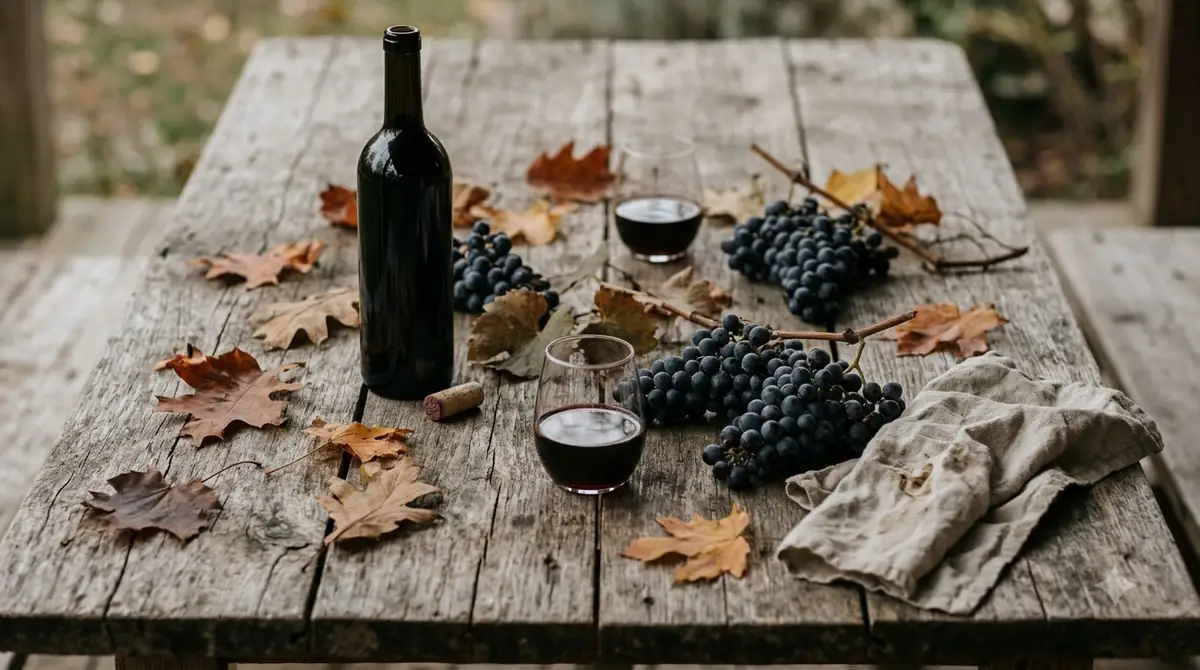
Young Red Bordeaux greets the nose with blackcurrant, black plum, and violet, layered over subtle green, herbal nuances such as bay leaf, bell pepper, or crushed herbs derived from Cabernet Sauvignon and Cabernet Franc. On the palate, the wine feels linear and structured, with gripping tannins and brisk acidity that cleanse the mouth. As Bordeaux matures over ten to twenty years, primary fruit recedes into complex tertiary notes of pencil shavings, cedarwood, damp earth, and cigar box.
Rioja leans toward the red-fruit spectrum, opening with bright sour cherry, raspberry, and dried strawberry. Because American oak is more porous and aromatic than French oak, Crianza and Reserva bottlings weave sweet vanilla, toasted coconut, and fresh dill directly into the fruit profile. On the palate, Rioja feels rounder and creamier than young Bordeaux, supported by dusty tannins and refreshing acidity. With extended bottle age—especially in Gran Reserva bottlings—Rioja develops silky texture and evocative notes of worn leather, fig, dried orange peel, and sweet tobacco, reminding seasoned tasters of mature Left Bank Bordeaux despite their different origins.
How to Serve and Pair with Food
Proper temperature and aeration make a noticeable difference for both wines, though Bordeaux generally demands more oxygen before pouring than a mature Rioja. Serving either bottle too warm exaggerates alcohol and flattens its nuanced aromatics.
According to Wine Folly, Red Bordeaux shows best served slightly below room temperature at around 65°F (18°C) and benefits from at least 30 minutes in a decanter to soften its firm tannins and open its dark fruit aromas. Rioja performs well across a cellar-temperature range of 60–68°F (15–20°C). While a young Crianza or modern, structured Rioja benefits from 30 to 60 minutes of aeration, older Reserva and Gran Reserva bottles are fragile and generally need only a gentle pour into a wide-bowled glass so their delicate leather and spice aromas do not dissipate.
At the table, both wines crave protein and fat to tame their tannins, yet each shines alongside different culinary traditions. Bordeaux’s blackcurrant fruit and brisk, herbal edge make it a natural partner for grilled ribeye, steak frites, roast duck, braised beef short ribs, and aged hard cheeses like Comté or Gruyère. Rioja’s savory acidity and warm oak spice pair effortlessly with herb-crusted rack of lamb, roasted pork shoulder, smoky chorizo, saffron-scented paella, and aged sheep’s milk cheeses such as Manchego. If you enjoy rich, red-fruited Spanish and South American reds alongside grilled meats, comparing malbec vs rioja offers another helpful lens for dinner pairing.
How to Choose a Bottle
Deciding between Bordeaux and Rioja comes down to your timeline, your menu, and whether you prefer herbal dark fruit or vanilla-laced red fruit. Reading the label clues for each region ensures you bring home a bottle matched to the occasion.
Choose Bordeaux when you are serving rich red meats, enjoy crisp, cedar-and-cassis flavors, or want bottles to lay down in a cellar. For immediate drinking without a long wait, look toward Right Bank appellations like Saint-Émilion, Pomerol, or their satellite villages, where Merlot softens the blend, or seek out mature vintages from reputable Left Bank estates. Pay attention to vintage conditions in Bordeaux, as Atlantic weather variability means warmer, drier years produce riper, more accessible wines than cool, rainy harvests.
Choose Rioja when you want guaranteed maturity, warm spice complexity, and dependable consistency across vintages. Because Rioja’s aging tiers are legally enforced and printed prominently on the front or back label, selecting a style is straightforward: pick Crianza for vibrant, fruit-forward weeknight meals, Reserva for balanced oak spice and savory depth, and Gran Reserva for special occasions when you want a fully resolved, decades-old tasting experience right off the shelf.
Frequently Asked Questions
Is Rioja similar to Bordeaux?
Yes, the two regions share direct historical ties from the late nineteenth century, when Bordeaux winemakers introduced 225-liter oak barrels and cellar aging techniques to Rioja. While they use different grapes—Cabernet Sauvignon and Merlot in Bordeaux versus Tempranillo in Rioja—mature Reserva and Gran Reserva Riojas develop cedar, tobacco, and leather notes that closely resemble aged Left Bank Bordeaux.
Which is better for aging, Bordeaux or Rioja?
Both regions produce wines capable of aging for twenty years or more, though they handle the timeline differently. Top Bordeaux châteaux release their wines young so buyers can age them at home, whereas Rioja bodegas age Reserva and Gran Reserva wines in their own cellars for three to five years or longer before releasing them ready to drink.
Why does Rioja taste more like vanilla and dill than Bordeaux?
Traditional Rioja producers age their wines in American oak barrels, which naturally impart higher levels of oak lactones and vanillin than the French oak barrels used in Bordeaux. Those compounds create Rioja’s signature aromas of vanilla, toasted coconut, and sweet dill, while French oak gives Bordeaux subtler notes of cedar, clove, and graphite.
Should I decant Bordeaux and Rioja before serving?
Young Red Bordeaux and youthful Rioja Crianza benefit from 30 to 60 minutes in a decanter to soften tannins and release aromatics. However, mature Rioja Reserva and Gran Reserva bottles have already spent years aging in the winery’s cellar and should be poured gently without extended decanting so their delicate tertiary aromas remain intact.
Whether you reach for the structured, cassis-driven elegance of Bordeaux or the savory, cellar-matured warmth of Rioja, both regions reward slow sipping at the dinner table. Keep a bottle of each on hand to experience firsthand how shared barrel traditions evolved into two distinct classics of European wine.
More in Wine vs Wine
 Nero d’Avola vs Pinot Noir: Taste, Body, and Pairing DifferencesUpdated Nov 21, 2026
 Chenin Blanc vs Pinot Blanc: Key Differences in Taste, Acidity, and PairingsUpdated Nov 21, 2026
 Chardonnay vs Shiraz: Key Differences in Taste, Serving, and PairingUpdated Nov 21, 2026
 Chardonnay vs Verdejo: How Spain’s Crisp White Compares to the World’s ChameleonUpdated Nov 21, 2026
 Chardonnay vs Sancerre: Key Differences in Taste, Grapes, and PairingUpdated Nov 21, 2026
 Chardonnay vs Malbec: Key Differences in Taste, Body, and PairingUpdated Nov 21, 2026