

We may earn a commission when you buy through links on this page, at no extra cost to you. Learn more.
If you are wondering where is white zinfandel from, the style originated in California’s Napa Valley, where winemaker Bob Trinchero created the modern off-dry pink version at Sutter Home Winery in St. Helena in 1975. Today, the vast majority of commercial white zinfandel grapes grow across California’s warm inland valleys, particularly Lodi and the broader Central Valley. While the grape itself traces its ancient genetic roots to Croatia, white zinfandel as a wine style is a distinctly Californian invention.
Despite its name, white zinfandel is neither white in color nor made from a white grape variety. Instead, it is a pale pink blush wine pressed from black-skinned Zinfandel grapes whose juice spends only a brief window in contact with the skins before fermentation.
What White Zinfandel Is
White zinfandel is an off-dry to sweet rosé-style wine produced from red Zinfandel grapes, recognizable by its pale salmon-pink hue, low alcohol content, and bright red-berry fruit profile. Rather than being a separate grape cultivar, it represents a specific cellar method applied to the same dark-berried fruit used to make full-bodied red wines.
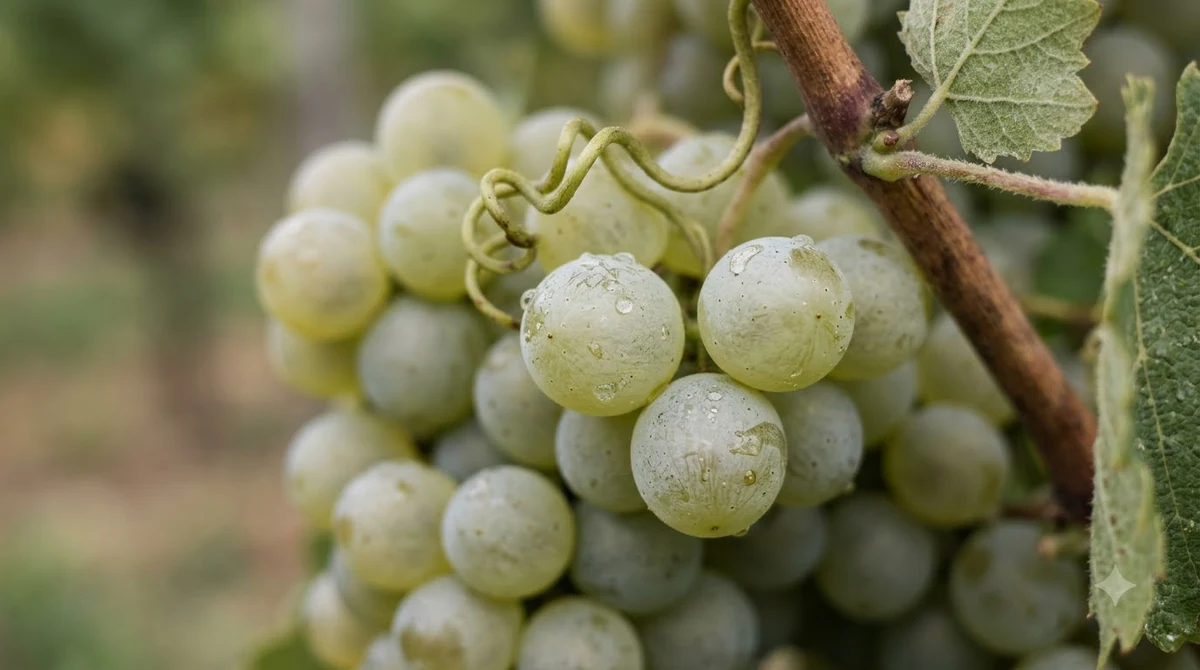
According to Wine Enthusiast, the style first emerged through the saignée method, a winemaking technique in which pale free-run juice is bled off from a tank of crushed red grapes to concentrate the remaining red wine. Because Zinfandel skins carry dark anthocyanin pigments, limiting skin contact to just a few hours yields a delicate pink liquid rather than a deep crimson pour. Once separated from the skins and seeds, the juice ferments in stainless steel tanks without oak contact, preserving fresh fruit character and keeping tannins virtually absent.
The grape behind the bottle has a transatlantic pedigree that stretches well beyond California’s borders. Ampelographers and genetic researchers confirmed in the 1990s that Zinfandel is genetically identical to Croatia’s ancient Tribidrag, also known as Crljenak Kaštelanski, and closely related to southern Italy’s Primitivo. Cuttings arrived on the East Coast of the United States in the 1820s before traveling west during the California Gold Rush, where the vine adapted readily to sunny inland hillsides. Those interested in how the red grape established itself across different vineyards can read more about where is zinfandel from and how its regional expressions differ.
The Napa Valley Origin Story
White zinfandel began in the town of St. Helena in Napa Valley, California, where the Trinchero family operated Sutter Home Winery after purchasing the historic property in 1948. What started as an effort to improve their red wine accidentally reshaped American wine drinking habits for decades.
As documented in the Sutter Home Winery history, winemaker Bob Trinchero began draining off free-run juice from his Amador County Zinfandel tanks in 1972 to give his red wine deeper color and structure. He fermented that pale runoff juice completely dry and bottled a modest batch of 220 cases labeled as White Zinfandel. For the first few vintages, the wine remained crisp, dry, and largely white-gold in appearance, serving as a small-scale curiosity for local buyers.
The turning point arrived with the 1974 vintage, bottled in 1975, when a tank of roughly 800 gallons experienced a stuck fermentation. The yeast stopped converting grape sugar into alcohol before finishing the job, leaving behind approximately 2 percent residual sugar and a soft pink tint from brief skin contact. Trinchero tasted the batch, decided to release it as-is, and watched customers buy out the supply rapidly. By 1987, Sutter Home White Zinfandel had grown from 25,000 cases in 1981 to more than 4.5 million cases annually, becoming the top-selling premium wine in the United States and keeping thousands of acres of old-vine California Zinfandel profitable when growers might otherwise have pulled them out.
Where White Zinfandel Grows Today
Although the style was born in Napa Valley, modern white zinfandel production relies almost entirely on California’s warm inland regions, led by Lodi and the San Joaquin Valley. Rising land values in Napa pushed most coastal vineyards toward Cabernet Sauvignon, while inland appellations offered the ideal sunshine and yields for blush wine.
Lodi, situated between San Francisco Bay and the Sierra Nevada foothills at the northern edge of the Central Valley, serves as the heartland of modern Zinfandel cultivation. Hot daytime temperatures ripen the large, compact clusters reliably, while afternoon delta breezes sweeping inland from the Sacramento-San Joaquin River Delta cool the vines at night and help preserve natural acidity. Sandy loam soils across Lodi also allow many heritage Zinfandel vines to grow on their original roots without phylloxera damage.
Farther south in the Central Valley—spanning counties such as Madera, Fresno, and Stanislaus—warm, dry growing conditions support large-scale white zinfandel harvests. Growers in these areas often pick Zinfandel grapes earlier in the harvest window than they would for high-alcohol red wines. Harvesting at slightly lower sugar levels keeps natural malic and tartaric acidity lively, which prevents the finished off-dry wine from tasting heavy or syrupy. Smaller boutique producers in Sonoma County, Amador County, and Paso Robles also craft drier, site-driven pink Zinfandel bottlings, though these represent a fraction of total volume compared to Central Valley output.
Flavor Profile and Styles
Classic white zinfandel delivers bright aromas of fresh strawberry, watermelon, and raspberry alongside a light body, crisp acidity, and noticeable sweetness. Most commercial bottles fall between 9 and 10 percent alcohol by volume, making them noticeably lighter than standard dry table wines.
On the palate, traditional off-dry white zinfandel balances its residual sugar with refreshing citrus and red-berry tartness, finishing clean without astringency. Reviewers at Wine Folly highlight how this combination of lower alcohol, gentle sweetness, and lack of bitter tannins made the style an accessible entry point for new wine drinkers across North America. Secondary notes of cantaloupe, white peach, and subtle floral blossoms often appear in freshly bottled vintages.
While the sweet blush style dominates supermarket shelves, a secondary wave of California winemakers produces dry or barely off-dry Zinfandel rosés. Producers such as Turley Wine Cellars craft pale pink Zinfandel bottlings harvested earlier for higher natural acidity and fermented closer to dryness, often reaching around 12 percent alcohol by volume. Comparing white zinfandel alongside other categories in our overview of Wine by Type clarifies how residual sugar and skin-contact time separate blush wines from dry Provence-style rosés and full-bodied reds.
| Characteristic | Classic White Zinfandel | Dry Zinfandel Rosé | Red Zinfandel |
|---|---|---|---|
| Primary Origin | California (Lodi and Central Valley) | California (Napa, Sonoma, Paso Robles) | California (Lodi, Dry Creek, Sierra Foothills) |
| Sweetness Level | Off-dry to sweet (around 2% residual sugar) | Dry to barely off-dry | Dry (with occasional late-harvest sweet styles) |
| Typical ABV | 9% – 10% | 11.5% – 12.5% | 14% – 16% |
| Dominant Flavors | Strawberry, watermelon, candied cherry, citrus | Tart raspberry, cranberry, wet stone, rose petal | Blackberry jam, black pepper, baking spice, smoke |
| Serving Temperature | 45°F – 50°F (7°C – 10°C) | 45°F – 50°F (7°C – 10°C) | 60°F – 65°F (16°C – 18°C) |
How to Serve and Pair White Zinfandel
Serve white zinfandel thoroughly chilled between 45°F and 50°F (7°C to 10°C) in a standard white wine glass to keep its sweetness crisp and its berry aromatics focused. Serving the bottle too warm dulls the acidity and makes the residual sugar feel cloying on the finish.
About two hours in a standard kitchen refrigerator brings a room-temperature bottle into the ideal serving range, or you can submerge it in an ice-and-water bucket for twenty minutes before pouring. A white wine glass with a moderate bowl concentrates the delicate strawberry and melon notes while keeping the wine cool longer than a wide red wine bowl. Because white zinfandel is crafted for immediate freshness without oak aging, it is best enjoyed within one to two years of its vintage date rather than cellared long term.
At the dinner table, white zinfandel shines alongside dishes featuring gentle heat, salty cured meats, or sweet-and-savory glazes. Its touch of residual sugar cools the palate against spicy Thai curries, Nashville hot chicken, or chili-garlic shrimp, much like a German Kabinett Riesling does. It also pairs naturally with weekend brunch spreads, fresh fruit salads, prosciutto-wrapped melon, and honey-glazed ham, where high-tannin red wines like those covered in our guide on where is merlot from would overpower lighter fare.
Tip: Keep a bottle of chilled white zinfandel on hand for spicy takeout nights—the wine’s natural sweetness tames capsaicin heat while its low alcohol prevents the burn from feeling amplified.
Frequently Asked Questions
Is white zinfandel actually made from white grapes?
No, white zinfandel is made from the exact same black-skinned Zinfandel grapes used to produce bold red Zinfandel wine. Winemakers press the grapes gently and separate the juice from the dark skins after only a few hours, resulting in a pale pink blush color instead of a deep red hue.
Why is white zinfandel sweet when red zinfandel is dry?
Winemakers intentionally stop fermentation before the yeast consumes all of the natural grape sugars, leaving behind noticeable residual sweetness and lower alcohol around 9 to 10 percent ABV. This production method mimics the accidental stuck fermentation that occurred at Sutter Home Winery in 1975.
Does white zinfandel grow outside of California?
Commercially, white zinfandel is almost exclusively a California product, with the overwhelming majority sourced from Lodi and the Central Valley. While southern Italy grows the same grape under the name Primitivo and produces dry pink rosato wines, the sweet blush style labeled as white zinfandel remains distinctly Californian.
How long does an opened bottle of white zinfandel last?
An opened bottle of white zinfandel stays fresh for three to five days when tightly recorked and stored upright in the refrigerator. Cold temperatures slow oxidation and preserve the bright strawberry and citrus aromatics, though the fruit vibrancy will gradually fade after the fifth day.
From an accidental stuck fermentation in a St. Helena cellar to vast sun-drenched vineyards in Lodi and the Central Valley, white zinfandel holds a permanent place in American wine history. Understanding its California roots and chilled serving style makes it easy to appreciate both classic sweet bottlings and modern dry interpretations at the table.
More in Wine Types & Grapes
 White Port Serving Temperature: How Cold to Chill Every StyleUpdated Nov 21, 2026
 White Port Food Pairing: How to Match Every Style From Dry to SweetUpdated Nov 21, 2026
 Where Is Sparkling Wine From? Top Regions, Styles & OriginsUpdated Nov 21, 2026
 Where Is Vin Santo From? Origins, Grapes, and Styles ExplainedUpdated Nov 21, 2026
 Where Is White Wine From? Ancient Origins, Top Regions, and StylesUpdated Nov 21, 2026
 Where Is Tawny Port From? Inside Portugal’s Douro Valley and Coastal CellarsUpdated Nov 21, 2026