

We may earn a commission when you buy through links on this page, at no extra cost to you. Learn more.
If you are wondering what is vidal blanc, it is a winter-hardy, thick-skinned white hybrid wine grape bred in France during the 1930s by crossing Ugni Blanc and Rayon d’Or. While originally developed for Cognac distillation in western France, the grape found its true home in cold-climate North American vineyards across Canada and the northeastern and midwestern United States. Today, winemakers rely on its natural acidity and durable skins to produce everything from crisp, dry white table wines to sparkling bottlings and world-famous ice wines.
Exploring lesser-known white varietals opens up an exciting corner of the wine aisle, especially if you enjoy aromatic bottles with bright acidity. Vidal Blanc bridges the gap between classic European winemaking heritage and North American cold-climate resilience, offering plenty of versatility for casual weeknight dinners and special-occasion dessert pours alike.
What Is Vidal Blanc?
Vidal Blanc is an interspecific hybrid white grape variety created by French grape breeder Jean-Louis Vidal in the 1930s. By crossing the classic European Vitis vinifera grape Ugni Blanc—known in Italy as Trebbiano—with the hardy hybrid Rayon d’Or (Seibel 4986), he engineered a vine capable of surviving harsh winters while maintaining high natural acidity.
Although Jean-Louis Vidal initially bred the grape to supply base wine for Cognac production in France’s Charente-Maritime region, the variety eventually faded from French vineyards. In the late 1940s, French enologist Adhemar de Chaunac brought the grape to Ontario, Canada, to test how well European-style hybrids could withstand freezing Great Lakes winters. The vine thrived, proving capable of surviving dormant winter temperatures as low as -30°C (-22°F) and producing fruitful secondary buds even after damaging late spring frosts.
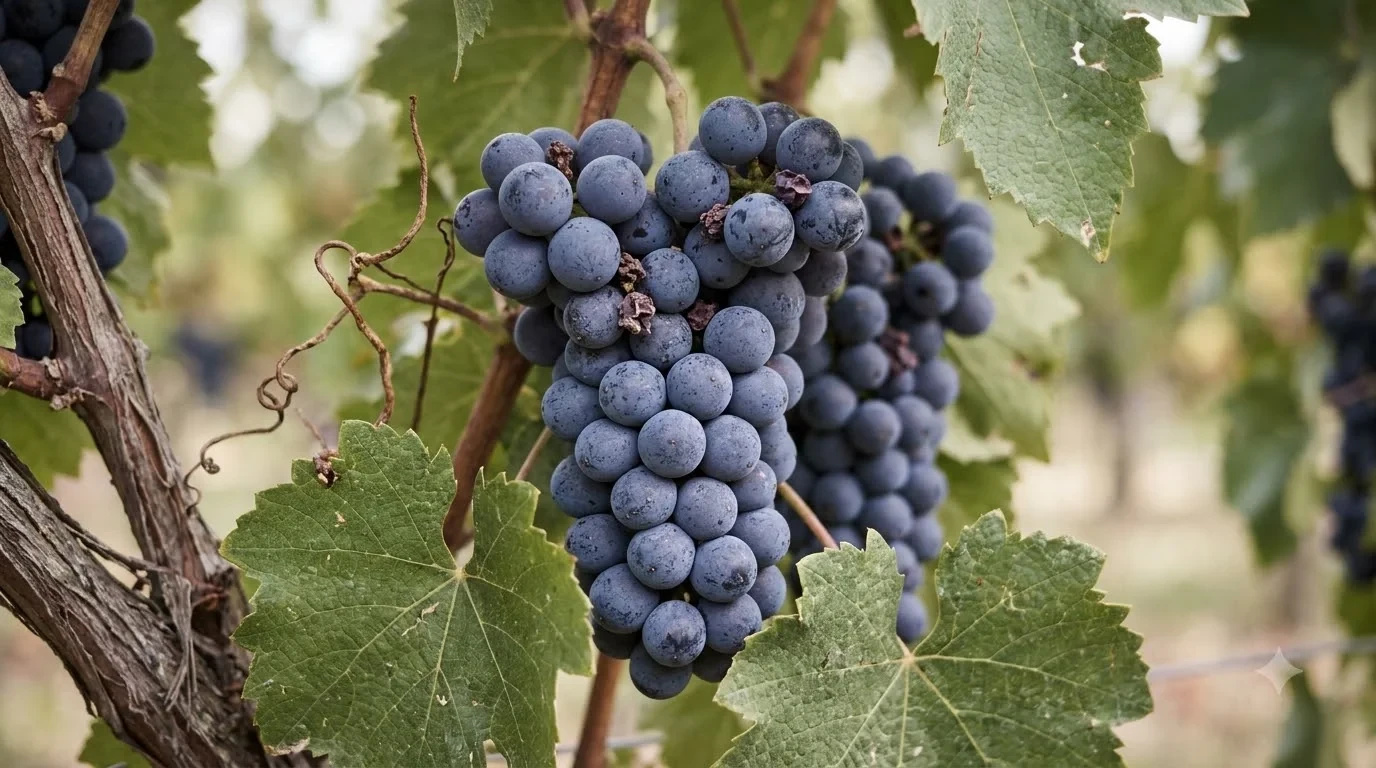
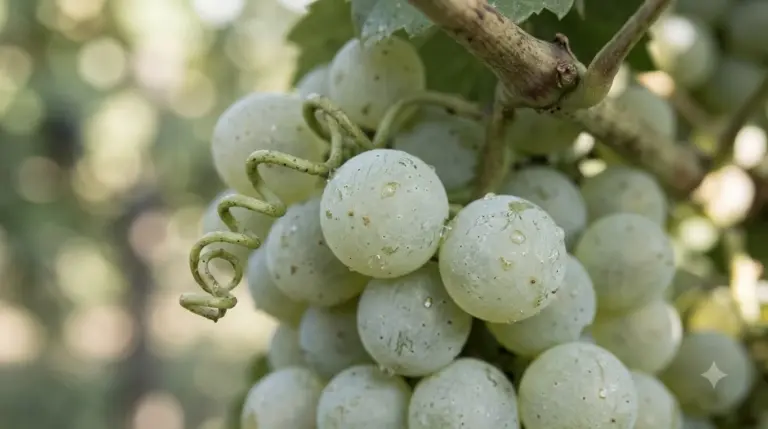
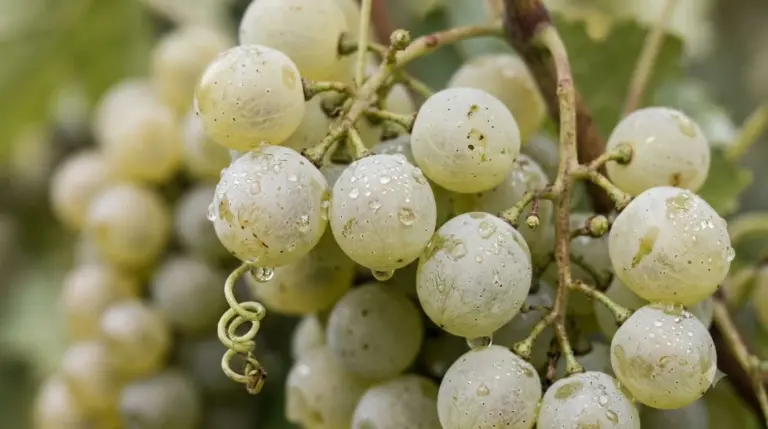
Viticulturally, Vidal Blanc is prized for its tight, medium-to-long clusters of small berries wrapped in remarkably thick skins. That tough outer skin protects the fruit against winter rot, wind, and freezing temperatures late into autumn. Because the vine ripens mid-season and retains brisk acidity even as sugars climb, growers can harvest it early for dry table wines or leave the clusters hanging on the vine until deep winter freezes arrive.
Flavor Profile and Winemaking Styles
In the glass, Vidal Blanc typically pours a pale straw to deep golden hue depending on ripeness and sweetness, offering expressive floral perfume alongside orchard and tropical fruit notes. Reviewers at Wine Enthusiast highlight signature aromas and flavors of floral perfume, honey, pear, and golden apple across its many expressions.
When fermented completely dry in stainless steel tanks, Vidal Blanc behaves much like a crisp, refreshing cool-climate white. Dry bottlings emphasize green apple, pear, lemon zest, grapefruit, and subtle stony minerality, backed by a lively, mouthwatering finish. Some producers also age dry or off-dry Vidal Blanc on its lees or in neutral oak barrels to build extra mid-palate texture and roundness without masking its natural brightness.
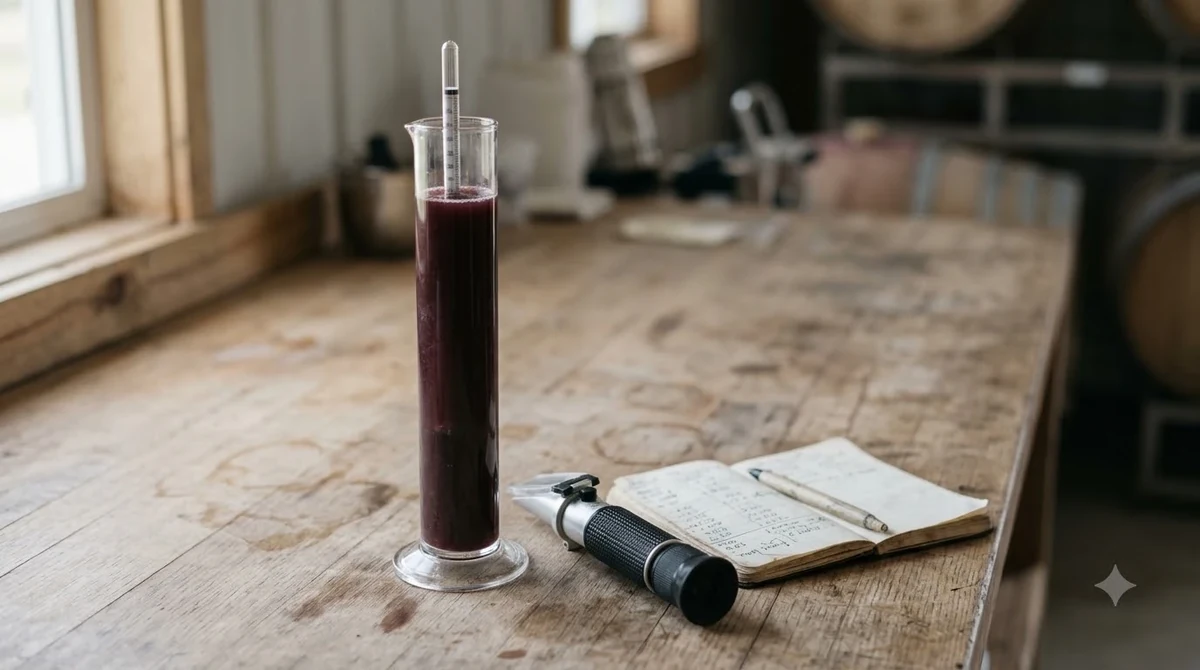
At the sweeter end of the spectrum, late-harvest and ice wine styles transform the grape into a rich, concentrated nectar. When grapes freeze naturally on the vine—typically harvested at -7°C to -10°C (20°F to 14°F) or lower—the water inside each berry turns to ice while sugars, acids, and flavor compounds stay concentrated. Pressing the frozen fruit yields a tiny volume of intensely sweet juice that ferments into wines bursting with apricot jam, peach, mango, lychee, candied lemon peel, honey, and caramel, balanced by razor-sharp acidity.
| Wine Style | Sweetness Level | Typical ABV | Primary Flavor Notes |
|---|---|---|---|
| Dry Still Table Wine | Dry to Off-Dry | 11%–12.5% | Lemon zest, grapefruit, green apple, pear, wet stone |
| Sparkling / Pét-Nat | Brut to Sweet | 9.5%–12% | White peach, jasmine, citrus blossom, crisp pear |
| Late-Harvest White | Medium-Sweet to Sweet | 10%–12% | Honey, baked apple, ripe apricot, orange marmalade |
| Traditional Ice Wine | Lusciously Sweet | 8%–13% | Apricot jam, mango, lychee, butterscotch, candied citrus |
Where Vidal Blanc Grows Best
According to global vineyard data tracked by Wine-Searcher, roughly 75% of the world’s Vidal Blanc plantings are located in Canada, with the remaining 25% concentrated almost entirely in the United States. The grape thrives wherever cold winters challenge traditional European varieties, particularly near large bodies of water that moderate extreme temperature swings.
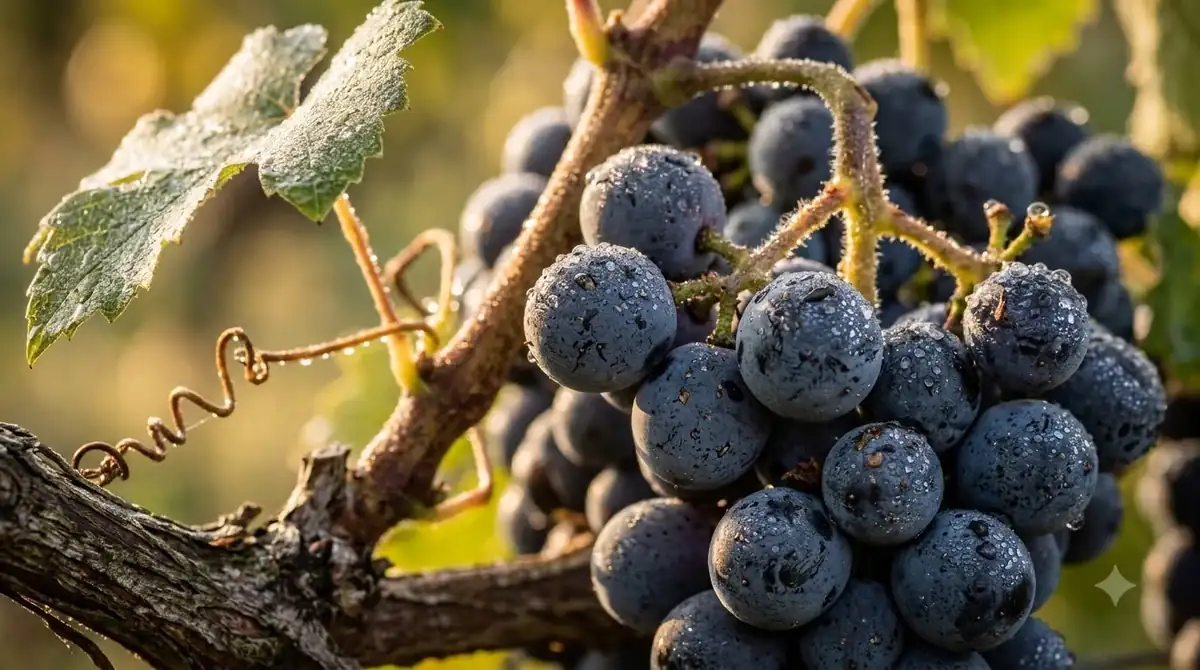
In Canada, Ontario’s Niagara Peninsula and Prince Edward County serve as the grape’s spiritual and commercial stronghold. Warm summer days allow the thick-skinned berries to develop full physiological ripeness, while cool autumn nights and frigid winter temperatures arriving off Lake Ontario create ideal conditions for VQA Icewine production. British Columbia’s Okanagan Valley also produces acclaimed, vibrant expressions of Vidal Blanc ice wine alongside crisp table styles.
Across the border in the United States, Vidal Blanc is a cornerstone white variety throughout the Northeast, Mid-Atlantic, and Midwest. New York’s Finger Lakes, Lake Erie, and Hudson River regions rely on the grape for both dry whites and late-harvest bottles. Further south and west, wineries in Virginia, Pennsylvania, Michigan, Ohio, Missouri, and Minnesota cultivate Vidal Blanc because its winter hardiness and disease tolerance allow consistent harvests in humid summers and freezing winters.
How to Serve and Store Vidal Blanc
Serving temperature plays a major role in balancing Vidal Blanc’s natural acidity against its fruit concentration and residual sugar. Dry and sparkling versions shine best well-chilled, whereas overly frigid temperatures can mute the complex aromatics of sweet late-harvest and ice wine bottlings.
For dry table styles, aim for a refrigerator chill of 45°F to 50°F (7°C to 10°C) in a standard white wine glass, much like you would approach how to serve sauvignon blanc to keep its citrus and orchard fruit crisp. Sparkling Vidal Blanc and pét-nat styles should be served slightly colder at 40°F to 45°F (4°C to 7°C) in a flute or tulip glass to preserve lively effervescence.
For sweet ice wines, serve at 46°F to 50°F (8°C to 10°C) in small dessert wine glasses, pouring modest two- to three-ounce portions. Once opened, recork the bottle and store it in the refrigerator; dry styles remain fresh for two to three days, while high-sugar ice wines often stay vibrant in the fridge for three to five days or longer. Unopened bottles keep best lying horizontally in a cool, dark spot around 50°F to 59°F (10°C to 15°C), where quality ice wines can age gracefully for five to ten years.
Tip: Pull a bottle of Vidal Blanc ice wine out of the refrigerator 10 to 15 minutes before pouring so it warms slightly toward 48°F, letting its honey, apricot, and floral aromatics open up in the glass.
Food Pairing Ideas for Vidal Blanc
Because Vidal Blanc spans from bone-dry to intensely sweet while retaining brisk natural acidity, it ranks among the most food-friendly grapes in the broader catalog of Wine by Type. Matching the wine’s sweetness level to the weight and seasoning of your dish is the secret to a memorable table pairing.
Dry Vidal Blanc pairs effortlessly with light, bright savory dishes that highlight its citrus and green apple character. Freshly shucked oysters, grilled lake trout, crab salad, sushi, goat cheese crostini, and summer salads tossed with feta and herbs all complement its clean, zesty finish.
Off-dry and late-harvest bottlings excel alongside spicy Asian cuisines, glazed pork tenderloin, or roasted duck, where a touch of residual sugar cools chili heat and mirrors savory-sweet sauces. Meanwhile, rich Vidal Blanc ice wine creates classic sweet-and-salty contrast with pungent blue cheeses like Roquefort, aged cheddar, or foie gras, and pairs naturally with fruit tarts, crème brûlée, and spiced shortbread. You can explore even more seasonal menu matches in our full guide to vidal blanc food pairing.
How to Choose a Bottle of Vidal Blanc
Shopping for Vidal Blanc starts with checking the bottle size and label cues, since producers craft dramatically different wines from the exact same grape. Standard 750ml bottles almost always indicate dry, off-dry, or sparkling table wines meant for everyday meals, whereas slender 375ml half-bottles typically signal concentrated late-harvest or true ice wine.
Inspect the front and back labels for harvest designations and technical clues. Look for terms like “Dry,” “Estate White,” or residual sugar percentages under 1% if you prefer a crisp, refreshing aperitif style. If you want a dessert pour, verify that the label explicitly states “Icewine” or “Ice Wine”—and in Canada, look for the VQA (Vintners Quality Alliance) seal, which guarantees the grapes were harvested naturally frozen on the vine rather than artificially cryo-extracted.
Finally, consider regional style when browsing shelves. Bottles from Virginia, Missouri, and the Finger Lakes frequently highlight dry, citrus-driven table expressions or lively pét-nats, while bottles from Ontario’s Niagara Peninsula are renowned worldwide for benchmark ice wines with vibrant tropical fruit and honeyed depth.
Frequently Asked Questions
Is Vidal Blanc a sweet or dry wine?
Vidal Blanc can be either dry or sweet depending on when the grapes are harvested and how the winemaker ferments them. Early-harvested fruit fermented completely dry yields a crisp, citrus-driven white wine, while grapes left on the vine into winter produce intensely sweet late-harvest and ice wines.
What does Vidal Blanc taste like?
Dry styles feature bright notes of green apple, pear, lemon zest, grapefruit, and subtle minerality. Sweet ice wine versions concentrate those flavors into luscious layers of apricot jam, mango, peach, lychee, honey, and caramel backed by lively acidity.
Is Vidal Blanc a hybrid grape?
Yes, Vidal Blanc is a French-American hybrid grape created in the 1930s by breeder Jean-Louis Vidal. It is a cross between the European Vitis vinifera variety Ugni Blanc and the cold-hardy hybrid Rayon d’Or.
How is Vidal Blanc pronounced?
Vidal Blanc is pronounced “vee-DAHL blahnk,” reflecting its French origins. In North American tasting rooms, you will often hear winemakers and sommeliers refer to it simply as “Vidal”.
Whether poured bone-dry alongside fresh seafood or savored in small sips as a golden winter ice wine, Vidal Blanc proves how rewarding cold-climate viticulture can be. Next time you spot a bottle from the Finger Lakes, Virginia, or the Niagara Peninsula, grab one to experience its bright acidity and expressive orchard fruit firsthand.
More in Wine Types & Grapes
 What Is Xarel Lo? Guide to Catalonia’s Signature White GrapeUpdated Nov 21, 2026
 What Is Welschriesling? Styles, Regions, and Food PairingsUpdated Nov 21, 2026
 What Is Trockenbeerenauslese? Germany and Austria’s Rarest Sweet Wine ExplainedUpdated Nov 21, 2026
 What Is Vinho Tinto? A Clear Guide to Portuguese Red WineUpdated Nov 21, 2026
 What Is Ugni Blanc? A Guide to France’s Crisp White GrapeUpdated Nov 21, 2026
 What Is Touriga Nacional and Why Wine Lovers Should Try Portugal’s Signature RedUpdated Nov 21, 2026