

We may earn a commission when you buy through links on this page, at no extra cost to you. Learn more.
What is vinho tinto? Literally translated from Portuguese as “red wine,” vinho tinto is the general Portuguese term for any still red wine, ranging from light, tart northern bottles to full-bodied, tannic blends from the Douro Valley. Because Portugal is home to more than 250 indigenous grape varieties, the phrase covers a remarkably diverse category rather than a single grape or flavor profile. Most bottles exported to the United States are dry, field-blended reds crafted from native grapes like Touriga Nacional, Touriga Franca, and Tinta Roriz.
Walking down a wine shop aisle or scanning a Portuguese restaurant menu, seeing “vinho tinto” on a label can feel confusing if you expect it to name a specific grape like Merlot or Pinot Noir. Instead, it acts as a broad category marker—much like vin rouge in France or vino tinto in Spain—telling you what color wine is inside the bottle before the regional name and grape blend reveal the exact style.
What Is Vinho Tinto?
Vinho tinto simply means “red wine” in Portuguese, derived from vinho (wine) and tinto (dyed, tinted, or dark-colored). Unlike varietal labeling common in California or Oregon, where a bottle states the primary grape on the front, Portuguese labels classify bottles first by color and geographic origin, making vinho tinto wine a massive umbrella category.
Under European Union labeling rules, a single-varietal wine in Portugal must contain at least 85 percent of the named grape, yet winemakers across the country have historically favored blending. Centuries of viticulture on steep mountain terraces and sunbaked plains taught growers that co-fermenting or blending several native varieties balances acidity, tannin, color, and aromatics far more reliably than relying on one grape alone. According to Wine Folly, Portugal’s red wines rely heavily on unique native grapes and traditional blending practices that deliver intense flavor and distinct regional character.
It also helps to separate still vinho tinto from fortified wines like Port. While both frequently use the exact same red grape varieties grown along the Douro River, Port is fortified with neutral grape spirit during fermentation to preserve natural sweetness and raise alcohol levels. Regular vinho tinto is fermented all the way to dryness—typically finishing around 12.5 to 14.5 percent ABV—without any added brandy, making it a true table wine designed for meals.
Flavor and Styles
Vinho tinto spans the entire red wine spectrum, moving from bright, high-acid, light-bodied reds in the rainy Atlantic north to plush, dark-fruited, full-bodied bottles in the warm interior. Because climate, soil, and grape blends shift dramatically across Portugal’s compact geography, no single tasting note defines every bottle.
At the lighter, fresher end of the spectrum sit Atlantic-influenced reds from Minho and Bairrada. In the Minho region—better known in the U.S. for crisp whites—red Vinho Verde made from grapes like Vinhão, Amaral, and Borraçal is deeply colored yet light on its feet, bursting with tart cranberry, sour cherry, and brisk acidity. Farther south in Bairrada, the thick-skinned Baga grape produces taut, savory reds with gripping tannins and bright red-berry acidity that soften into earthy, cedar-scented complexity after several years in bottle.
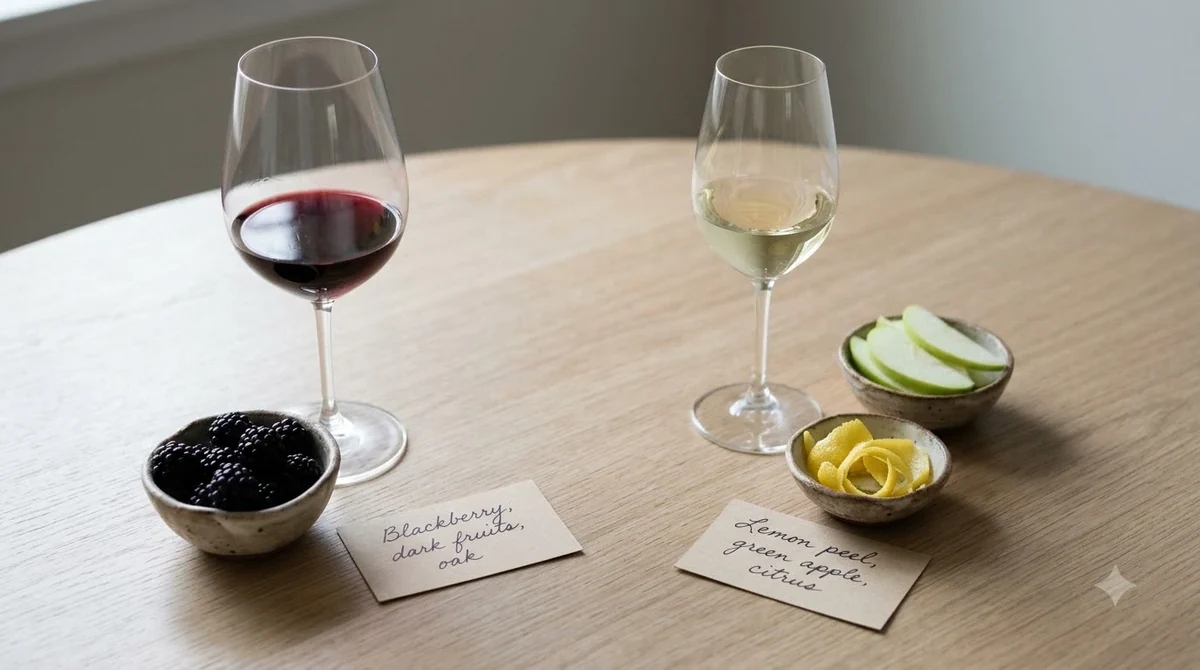
Moving inland and south brings noticeably riper fruit and broader texture. High-altitude Dão reds center around Touriga Nacional and Alfrocheiro, delivering fragrant violets, crushed blackberry, and minerally structure without heavy weight. In the Douro Valley, dry reds built on Touriga Nacional, Touriga Franca, and Tinta Roriz (known in Spain as Tempranillo) offer concentrated black plum, wild herbs, cocoa, and firm tannins. Meanwhile, sun-drenched Alentejo produces round, approachable reds featuring Aragonez, Trincadeira, and Alicante Bouschet, known for plush dark fruit and softer tannins.
| Region | Key Red Grapes | Body & Tannin | Core Flavor Notes |
|---|---|---|---|
| Douro | Touriga Nacional, Touriga Franca, Tinta Roriz | Full-bodied; firm tannins | Blackberry, black plum, violet, cocoa, wild herbs |
| Alentejo | Aragonez, Trincadeira, Alicante Bouschet | Medium-full to full; soft tannins | Ripe black cherry, dark plum, warm spice, vanilla |
| Dão | Touriga Nacional, Alfrocheiro, Jaen | Medium-bodied; refined tannins | Red currant, blackberry, floral notes, granite minerality |
| Bairrada | Baga, Touriga Nacional | Medium-bodied; high tannin & acid | Tart cherry, cranberry, dried herbs, cedar with age |
| Minho (Vinho Verde) | Vinhão, Borraçal, Amaral | Light-bodied; crisp acidity | Sour cherry, wild raspberry, fresh earthy grip |
Where It Grows
Vinho tinto is produced throughout mainland Portugal and its Atlantic islands, with five major regions accounting for the vast majority of notable red wines exported abroad. Each region’s proximity to the Atlantic Ocean or protective mountain ranges shapes how ripe and structured its red grapes become.
In northern Portugal, the Douro Valley—demarcated in 1756 as one of the world’s oldest protected wine regions—features steep, schist-soil terraces carved by the Douro River. Divided into three sub-zones (Baixo Corgo, Cima Corgo, and Douro Superior), the valley gets progressively hotter and drier moving east toward the Spanish border, yielding deeply colored, age-worthy dry reds alongside famous fortified Ports. Just southwest of the Douro, the Dão region sits on a high, granite-rich plateau ringed by mountains that shield vineyards from harsh Atlantic storms and hot inland winds, fostering slow ripening and aromatic precision.
Along the coast, Bairrada relies on maritime breezes and clay-limestone soils to temper its primary red grape, Baga, while the Lisboa and Península de Setúbal regions around the capital produce versatile, value-driven reds from Castelão, Touriga Nacional, and international varieties. Farther south, Alentejo covers nearly a third of Portugal with rolling plains, cork oak forests, and hot, dry summers. According to Wines of Portugal, Alentejo’s abundant sunshine ripens grapes effortlessly, yielding rich, generous red blends prized for their smooth, immediate drinkability. If you are curious about the northern coastal zone where light, spritzy bottles dominate, explore where is vinho verde from to see how geography separates coastal freshness from inland power.
How to Serve
Serving vinho tinto at the proper temperature keeps its fruit vibrant and prevents alcohol or tannins from feeling harsh on the palate. Most Portuguese reds benefit from a brief chill before pouring, especially in warm American dining rooms.
Light-bodied red Vinho Verde from Minho shines when served slightly chilled at 50°F to 55°F (10°C to 13°C), where its brisk acidity and red-berry crunch taste refreshing rather than sharp. Medium-bodied reds from Dão, Bairrada, and everyday Lisboa blends show best between 58°F and 62°F (14°C to 17°C). Full-bodied, oak-aged reds from Douro and Alentejo perform ideally at cellar temperature—roughly 61°F to 65°F (16°C to 18°C)—never at warm room temperature above 70°F, which dulls floral aromas and accentuates heat.
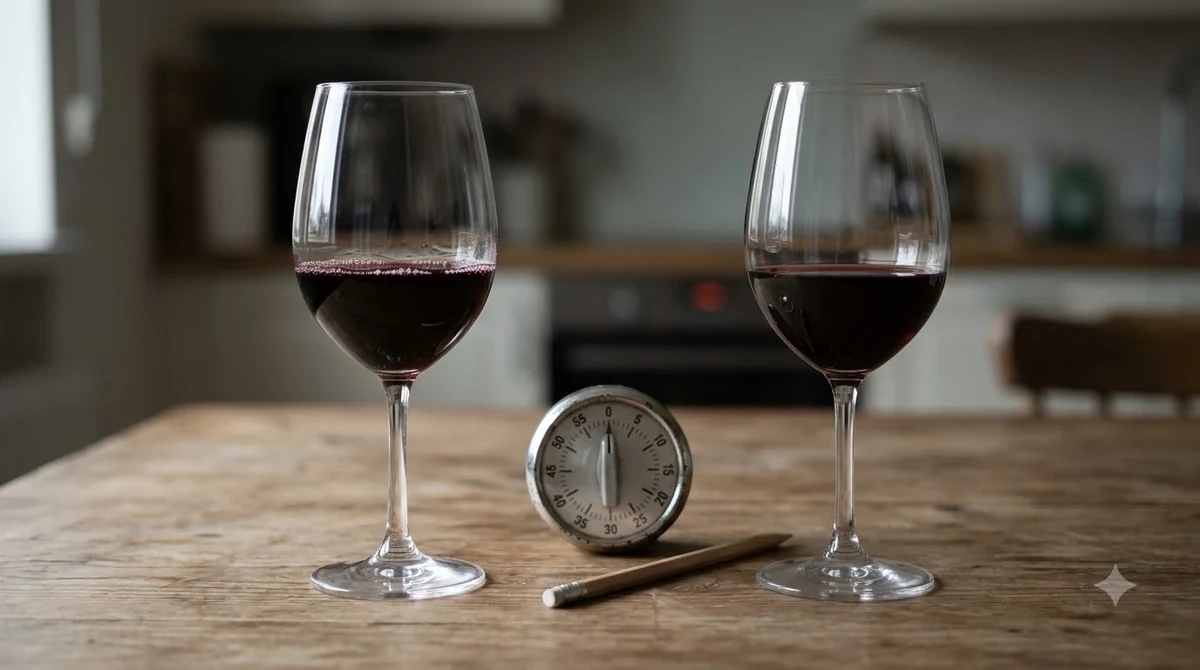
Glassware and aeration also make a noticeable difference depending on the style. Pour lighter, aromatic reds into a standard universal wine glass so delicate floral and red-fruit notes stay focused. For young, tannic Douro Reserva or Bairrada Baga bottles, use a tall, broad-bowled Bordeaux-style glass and decant the wine for 30 to 60 minutes before dinner so oxygen softens the grip and opens up layers of dark fruit and spice.
Tip: Place a bottle of Douro or Dão vinho tinto in your refrigerator for 15 to 20 minutes before opening so it lands right in the ideal 60°F to 63°F serving zone.
Food Pairing
Portuguese red wines are built around food, pairing natural acidity with savory tannin structure so they cut through rich meats, smoky spices, and hearty stews without overpowering the plate. Matching the weight of the regional wine to the intensity of the dish makes pairing straightforward.
Full-bodied, tannic Douro reds stand up effortlessly to grilled ribeye, braised beef short ribs, slow-roasted lamb, and wild mushrooms. The wine’s firm tannins bind to rich proteins and fat, while its dark plum and herbal notes echo charred crusts and rosemary or thyme rubs. Plush, low-tannin Alentejo reds are equally comfortable alongside smoky barbecue, pork tenderloin, beef burgers, and tomato-based pasta sauces, where their ripe fruit balances acidity and smoke.
Lighter and higher-acid reds open up more unexpected pairings at the dinner table. High-acid Bairrada Baga is the classic partner for roast suckling pig (leitão), crispy duck confit, or fatty pork belly, slicing cleanly through rich skin and fat. Meanwhile, a lightly chilled red Vinho Verde works surprisingly well with grilled sardines, charcuterie boards, hard sheep’s milk cheeses, and rustic bean stews—offering a bold contrast to the low-ABV white styles covered in our guide to vinho verde alcohol content.
How to Choose a Bottle
Reading a Portuguese wine label becomes easy once you recognize a few regional cues, aging terms, and quality tiers that signal what is inside the bottle. Rather than hunting for familiar single-grape names, use geography and label classifications as your roadmap.
Start by checking the regional designation on the front label. Bottles marked DOC (Denominação de Origem Controlada) or DOP come from strictly regulated regions like Douro, Dão, Bairrada, or Alentejo and follow traditional grape and yield rules. Bottles labeled Vinho Regional (or IGP), such as Vinho Regional Lisboa or Vinho Regional Alentejano, allow winemakers greater freedom to blend native Portuguese varieties with international grapes like Syrah or Cabernet Sauvignon, often yielding approachable, modern styles.
Next, scan for aging and vineyard terms that indicate depth and structure:
- Colheita: Simply means “harvest” and appears alongside the vintage year on standard, ready-to-drink table wines.
- Reserva: Indicates a wine made from higher-quality fruit with slightly higher minimum alcohol (at least 0.5 percent above the regional baseline) and often noticeable oak aging.
- Garrafeira: Reserved for standout vintages aged longer in both barrel and bottle—typically at least 30 months total for reds, with a minimum of 12 months in glass—resulting in complex, savory character.
- Vinhas Velhas: Translates to “old vines,” signaling concentrated fruit harvested from mature, low-yielding vineyards.
If you are browsing Wine by Type to find a style that matches your usual preferences, use simple taste analogies: choose Alentejo if you love smooth Merlot or California Zinfandel, pick Douro if you gravitate toward structured Cabernet Sauvignon or Syrah, and reach for Dão or aged Bairrada when you want the floral elegance and acidity of Pinot Noir or Nebbiolo.
Frequently Asked Questions
Is vinho tinto sweet or dry?
The vast majority of vinho tinto is dry, meaning yeast ferments nearly all the natural grape sugar into alcohol. While Portugal is famous for sweet fortified Port wine, standard table wines labeled vinho tinto finish dry with vibrant fruit flavors rather than residual sweetness.
What is the difference between vinho tinto and Port wine?
Vinho tinto is an unfortified, dry red table wine with an alcohol level typically between 12.5 percent and 14.5 percent ABV. Port wine is made in the Douro Valley using many of the same red grapes, but winemakers add neutral grape spirit during fermentation to stop yeast activity, leaving the wine sweet and raising its alcohol to roughly 19 to 20 percent ABV.
Is vinho tinto the same as Vinho Verde?
No, vinho tinto refers to any red wine from Portugal, whereas Vinho Verde is a specific wine region in northwestern Portugal best known for crisp, light white wines. That said, the Vinho Verde region does produce a small amount of tart, light-bodied red wine that is technically a style of vinho tinto.
Does vinho tinto need to be aged before drinking?
Most entry-level and mid-tier vinho tinto bottles—especially plush blends from Alentejo and everyday Douro reds—are bottled ready to drink upon release. Higher-tier Reserva, Garrafeira, and Bairrada Baga wines carry firmer tannins and bright acidity that allow them to develop deeper leather, cedar, and dried-fruit notes over 5 to 15 years in a cellar.
Once you realize that vinho tinto simply points you toward Portugal’s red wines, the front label turns into a clear guide to flavor and weight. Pick a bottle based on its home region—plush Alentejo, structured Douro, or aromatic Dão—give it a brief chill before pouring, and let Portugal’s native grapes speak for themselves at the dinner table.
More in Wine Types & Grapes
 Zinfandel Sugar Content: Dry Red vs. White Zinfandel GramsUpdated Nov 21, 2026
 Best Zinfandel Substitute Options for Sipping and CookingUpdated Nov 21, 2026
 Zweigelt Food Pairing: Best Dishes, Cheeses, and Serving TipsUpdated Nov 21, 2026
 Zinfandel Tannins Explained: How Structure Shapes Every BottleUpdated Nov 21, 2026
 Zinfandel Sweetness Level: Dry Red vs. Sweet White Zin ExplainedUpdated Nov 21, 2026
 Xinomavro Food Pairing: Best Dishes, Styles, and Serving TipsUpdated Nov 21, 2026