

We may earn a commission when you buy through links on this page, at no extra cost to you. Learn more.
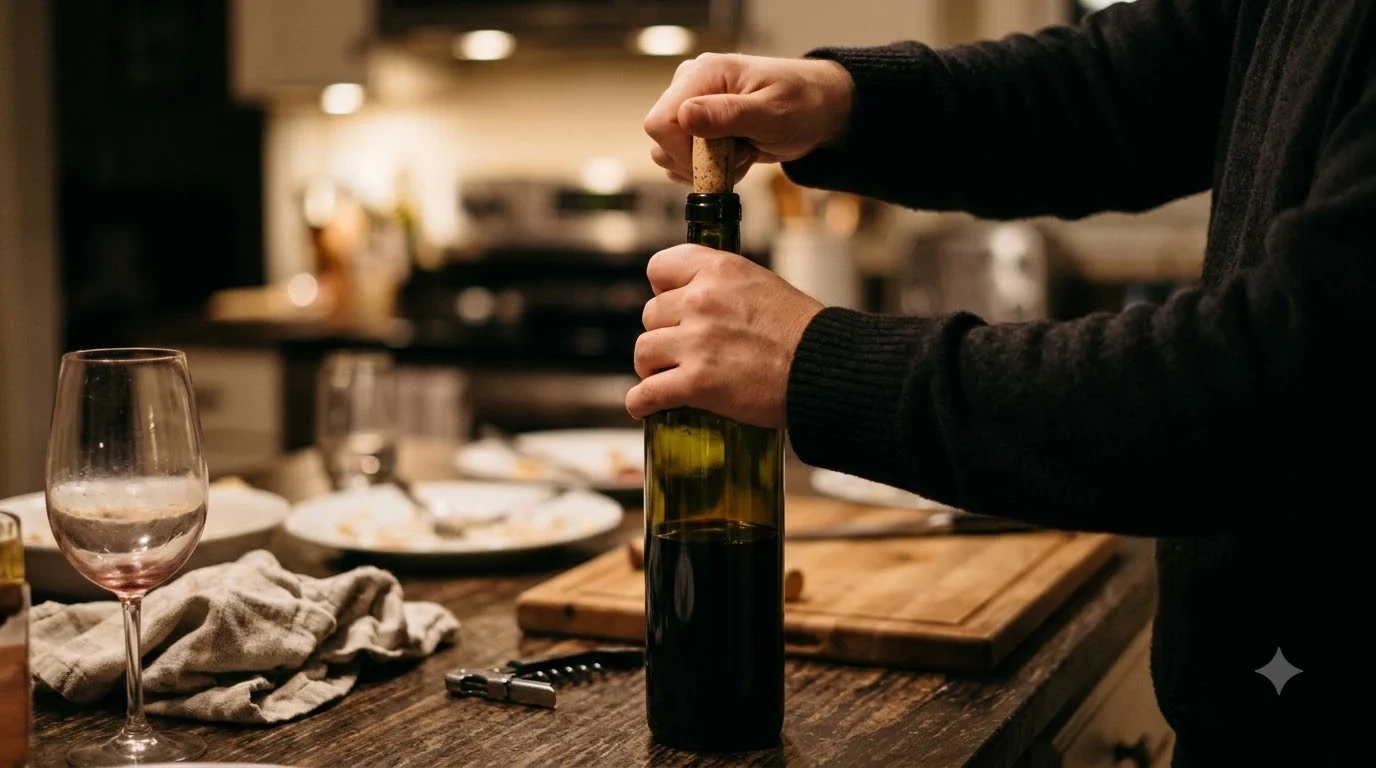
What is vin rouge? Vin rouge is the French term for red wine, made by fermenting grape juice with the skins of dark-colored grapes to extract color, tannins, and flavor. It includes a wide range of French wines, from light, fruity Beaujolais to structured Bordeaux blends and elegant Burgundy Pinot Noir. The term describes a wine’s color rather than a particular grape, sweetness level, or quality classification. Understanding the grapes, regions, and production methods behind a bottle makes choosing the right French red much easier.
If you have seen vin rouge on a French restaurant menu, wine list, or bottle label, you already have a useful starting point for understanding French wine. The phrase is straightforward, but the wines it describes are remarkably varied. A bottle from Bordeaux can taste very different from one produced in Burgundy or the Rhône Valley, even though all three are vin rouge. Learning how French producers make red wine, how regional traditions influence its character, and what to look for on a label will help you find a style that suits your preferences.
What Vin Rouge Means and What Defines Red Wine
Vin rouge translates directly as red wine, and it refers to wine whose color and much of its structure come from contact with dark grape skins during production. It is a broad category rather than the name of a single grape, appellation, or specific French wine style.
The two French words are simple: vin means wine, while rouge means red. On a restaurant menu, a section marked vins rouges lists red wines. On a French bottle, the phrase can describe the wine’s general category, although the label may instead emphasize a region, producer, or appellation. The contrasting terms are vin blanc, meaning white wine, and vin rosé, meaning rosé wine. If you want to understand the other category, our explanation of vin blanc wine covers its production and typical characteristics.
Vin rouge does not automatically mean a wine is dry, expensive, full-bodied, or made in a particular French region. Red wines can range from light and fresh to rich and concentrated. They can also vary in sweetness, acidity, alcohol, aroma, and tannin. A young Gamay-based Beaujolais, for example, is generally much lighter and softer than a Cabernet Sauvignon-led Bordeaux blend.
The French term is useful because it identifies the color category without making assumptions about the contents of the bottle. Two wines labeled as red can have very different personalities, depending on the grapes, growing conditions, fermentation choices, and aging methods used by their producers.
It is also important to distinguish vin rouge from Vin de France. The latter is a French wine classification that indicates a broad national origin category, rather than simply translating as red wine. A red bottle labeled Vin de France is still vin rouge, but the two expressions communicate different information.
How French Red Wine Gets Its Color and Structure
Most red wines begin with dark-skinned grapes whose juice is naturally pale or clear. During fermentation, the juice remains in contact with grape skins, allowing pigments, tannins, and aromatic compounds to enter the wine and create its characteristic color and texture.
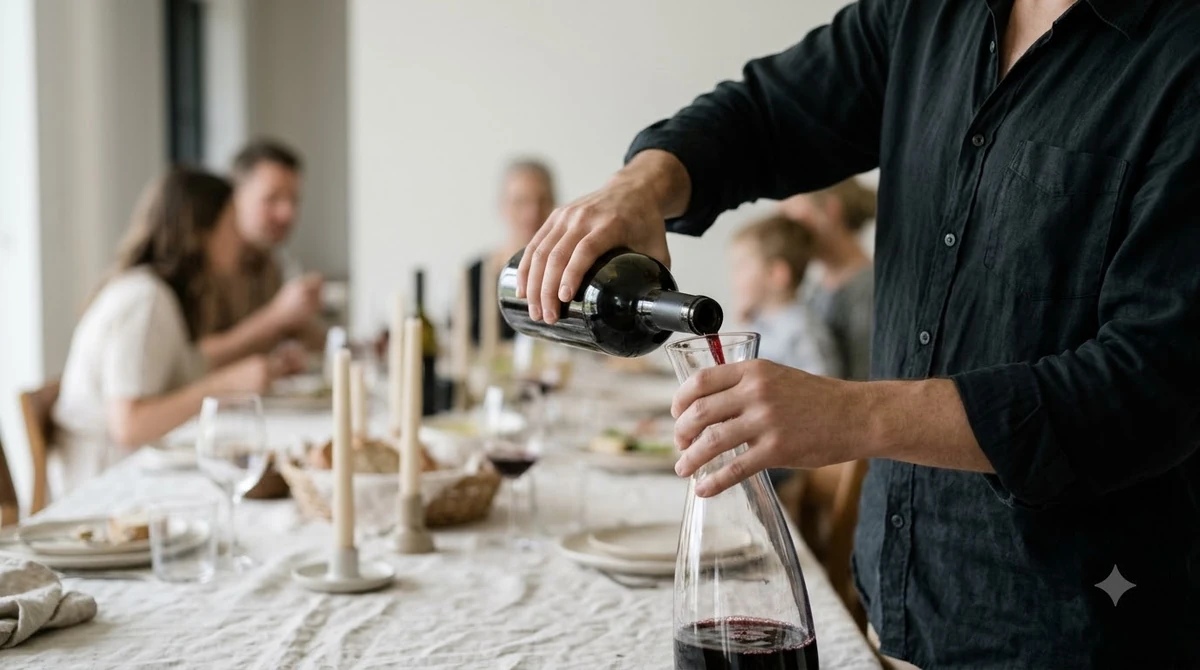
The process is called maceration. After grapes are harvested, they are generally sorted, crushed, and placed in a fermentation vessel. Yeast converts grape sugars into alcohol and carbon dioxide, while the skins release compounds that influence the wine’s appearance, aroma, and mouthfeel. The Bourgogne Wine Board’s explanation of red wine vinification describes how skin and seed contact supplies the color and tannins that distinguish red wine.
The skins contain anthocyanins, the pigments responsible for much of red wine’s color. They also contain tannins, which create a drying, slightly grippy sensation in the mouth. Seeds and stems can contribute additional tannins and other compounds, although their use depends on the winemaker’s approach and the desired style.
The duration and management of maceration influence the final result. A shorter extraction may produce a lighter-colored, softer wine, while longer contact can contribute deeper color and more pronounced structure. However, time alone does not determine quality. Grape variety, ripeness, temperature, fermentation management, and extraction technique all affect the finished wine.
Fermentation and skin contact
During fermentation, grape skins can rise to the surface and form a layer known as the cap. Winemakers may manage this layer through techniques such as pumping wine over the skins or punching the cap down. These actions help maintain contact between the liquid and the solid grape material, controlling how color and tannins are extracted.
Once fermentation and extraction are complete, the wine is separated from the skins. It may then undergo additional settling, clarification, or aging before bottling. Red wine is not made by leaving grape skins floating in the finished bottle.
Some wines also spend time in oak barrels. Oak can contribute aromas associated with vanilla, toast, baking spice, and cedar, depending on the barrel’s age, size, and previous use. It can also influence texture and the wine’s development. Stainless-steel tanks, concrete vessels, and other containers are alternatives that generally provide different aging conditions.
Not every vin rouge receives oak treatment. Fresh, fruit-forward wines may be bottled relatively young to preserve their primary grape aromas. More structured wines, including certain Bordeaux and Burgundy bottlings, may undergo extended maturation before release.
Tip: If you prefer smooth, fruit-forward red wine, start with a young Beaujolais or a softer Merlot-based wine. If you enjoy firmer tannins, deeper flavors, and a longer finish, explore Cabernet Sauvignon-led Bordeaux or Northern Rhône Syrah.
French Red Grapes and Their Typical Flavor Profiles
The grape variety is one of the strongest influences on a red wine’s body, tannin, acidity, and aroma. France grows several internationally recognized red grapes, including Cabernet Sauvignon, Merlot, Pinot Noir, Syrah, Grenache, Gamay, and Cabernet Franc.
Some French wines are made from one principal grape, while others combine several varieties. The grapes selected depend on regional traditions, appellation regulations, climate, and the producer’s preferred style. Understanding a few common varieties gives you a useful way to interpret French wine labels.
| Grape variety | Typical tannin | Common flavor characteristics | French association |
|---|---|---|---|
| Cabernet Sauvignon | High | Blackcurrant, cedar, dark fruit | Bordeaux Left Bank |
| Merlot | Medium | Plum, cherry, soft dark fruit | Bordeaux Right Bank |
| Pinot Noir | Low to medium | Red cherry, raspberry, earthy notes | Burgundy |
| Syrah | Medium-plus to high | Blackberry, pepper, savory spice | Northern Rhône |
| Grenache | Generally medium | Ripe strawberry, raspberry, herbs | Southern Rhône |
| Gamay | Generally low | Fresh cherry, raspberry, red berries | Beaujolais |
| Cabernet Franc | Medium | Red berries, herbs, pepper | Loire Valley |
Cabernet Sauvignon and Merlot
Cabernet Sauvignon is known for its substantial tannin structure, dark fruit flavors, and ability to produce wines with considerable aging potential. In Bordeaux, it is particularly important on the Left Bank, where it is commonly blended with Merlot and other permitted varieties. These wines often have firm structure and flavors of blackcurrant, cedar, and dark plum.
Merlot generally has softer tannins and a rounder texture. Plum, cherry, and other ripe fruit notes are common. It plays an important role in Right Bank Bordeaux wines, including those associated with Saint-Émilion and Pomerol. A Merlot-led blend is often a comfortable starting point for someone who finds strongly tannic reds challenging.
Pinot Noir and Gamay
Pinot Noir is a central grape of Burgundy. It generally produces lighter-bodied reds with high acidity and low-to-medium tannin. Typical aromas include cherry, raspberry, strawberry, and earthy or savory notes. Its relatively delicate structure makes it quite different from a powerful Cabernet Sauvignon.
Gamay is the defining grape of Beaujolais. It typically creates bright, fruit-driven wines with relatively low tannin and an approachable texture. Many Beaujolais wines are enjoyable slightly chilled, especially simpler, youthful examples. The cru villages of Beaujolais can produce more structured wines, showing how location and winemaking can change the expression of the same grape.
Syrah, Grenache, and Cabernet Franc
Syrah is especially associated with the Northern Rhône, including appellations such as Hermitage and Côte-Rôtie. It often produces darker, more structured wines with blackberry, pepper, and savory aromas. Its tannins can be substantial, although the exact balance depends on the vineyard and producer.
Grenache is particularly important in Southern Rhône blends. It can contribute ripe red fruit, generous body, and warmth. In appellations such as Châteauneuf-du-Pape, it may be combined with Syrah, Mourvèdre, and other permitted varieties. Cabernet Franc, meanwhile, is important in the Loire Valley and can offer fresh acidity, red berry flavors, and herbal characteristics.
Major French Regions That Produce Vin Rouge
French red wine is strongly associated with its geographical origin. Bordeaux, Burgundy, Beaujolais, the Rhône Valley, and the Loire Valley are among the most recognizable regions, each with distinctive grapes, climates, and winemaking traditions.
France’s regional approach means a bottle often displays a place name more prominently than its grape variety. The Library of Congress explains that French wines are generally classified according to where their grapes are grown rather than simply by grape name. This makes regional knowledge especially useful when reading French labels.
Bordeaux: structured blends
Bordeaux is located in southwestern France and is one of the country’s most recognized red wine regions. The region has more than 50 appellations and is divided into Left Bank and Right Bank areas by the Gironde Estuary.
The Left Bank, including the Médoc, is strongly associated with Cabernet Sauvignon-led blends. The Right Bank, including Saint-Émilion and Pomerol, is particularly known for Merlot-based wines. Cabernet Franc can also contribute to these blends.
Many Bordeaux reds have medium-to-full body, noticeable tannins, and flavors of dark berries, plum, cedar, and earthy spice. Younger examples can feel firm, while wines with bottle age may develop more complex aromas and softer textures. Bordeaux is a useful region to explore if you enjoy structured reds that work well with substantial meals.
Burgundy: Pinot Noir and a sense of place
Burgundy, or Bourgogne, is one of the most important French regions for Pinot Noir. Its vineyards stretch from Chablis in the north through the Côte d’Or and into the Mâconnais farther south. Red Burgundy is generally made from Pinot Noir, while white Burgundy is associated with Chardonnay.
Red Burgundy commonly emphasizes red fruit, freshness, and an expression of vineyard location. A village-level wine can differ noticeably from a wine produced from a particular premier cru or grand cru vineyard. The classification system reflects distinctions between recognized growing sites and their geographical characteristics.
These wines can be particularly appealing to drinkers who prefer elegance, high acidity, and less aggressive tannins. They are also good examples of why the same grape can taste different depending on the location where it grows.
Beaujolais: fresh, fruity reds
Beaujolais lies south of Burgundy and is famous for Gamay. Many wines emphasize fresh cherry, raspberry, and other red fruit flavors, with relatively low tannins and an easy-drinking texture.
Beaujolais Nouveau is a youthful style intended for early enjoyment, while Beaujolais-Villages and the region’s ten cru appellations offer additional differences in structure and complexity. Recognized cru names include Morgon, Fleurie, Moulin-à-Vent, and Brouilly.
Beaujolais is a practical starting point for anyone who wants a lighter red wine that does not feel overly heavy. It also works well with casual meals, charcuterie, roasted chicken, and dishes featuring mushrooms.
Rhône Valley: spicy and generous reds
The Rhône Valley extends through southeastern France and is divided into Northern and Southern Rhône areas. Northern Rhône wines are strongly associated with Syrah, while Southern Rhône wines commonly feature Grenache-based blends.
Northern appellations such as Hermitage and Côte-Rôtie can produce concentrated, structured Syrah with dark fruit and pepper characteristics. Southern Rhône appellations such as Côtes du Rhône and Châteauneuf-du-Pape often offer ripe fruit, herbal notes, and a broader range of blended grape varieties.
Châteauneuf-du-Pape is particularly recognizable for its complex blends, which can include more than a dozen grape varieties. Rhône reds are useful choices for people who enjoy savory flavors, spices, and fuller textures.
Loire Valley and Languedoc
The Loire Valley is best known for its white wines in many areas, but it also produces distinctive reds, particularly from Cabernet Franc and Gamay. Chinon and Bourgueil are well-known Cabernet Franc appellations. Their wines can show fresh red berries, herbal notes, and lively acidity.
Farther south, Languedoc-Roussillon has a warm Mediterranean climate and a broad range of red wine styles. Grenache and Carignan are particularly important, while Syrah and other grapes also contribute to regional blends. The result can range from accessible, fruit-forward wines to concentrated reds with ripe fruit and herbal character.
How to Choose a Vin Rouge by Taste and Wine Label
The easiest way to choose a French red is to begin with the texture and flavor profile you enjoy. Then use the appellation, producer, vintage, and grape information to narrow your options.
For a lighter wine, look toward Beaujolais or Pinot Noir from Burgundy. For a medium-bodied wine with softer tannins, consider Merlot-led Bordeaux. For firmer structure, Cabernet Sauvignon-based Bordeaux or Northern Rhône Syrah may be more suitable.
French labels can initially seem confusing because they often feature a region or appellation rather than the grape variety. A bottle marked Saint-Émilion, for example, points toward a Right Bank Bordeaux wine, where Merlot is generally important. A bottle labeled Côte-Rôtie indicates a Northern Rhône appellation associated with Syrah.
Understand the main French wine classifications
The AOC and AOP designations identify wines associated with regulated geographical areas and production requirements. AOC stands for Appellation d’Origine Contrôlée, while AOP stands for Appellation d’Origine Protégée. These designations communicate geographical origin and production conditions.
IGP, or Indication Géographique Protégée, identifies wines from a protected geographical area while generally allowing greater flexibility than many AOC appellations. You may encounter regional indications such as Pays d’Oc, which is associated with Languedoc.
Vin de France is a broader category that allows producers to make wines from grapes sourced across France without identifying a specific regional appellation on the label. Some bottles still identify their grape varieties and vintage, making them relatively straightforward to understand.
Look beyond the classification
A prestigious appellation can be helpful, but the name alone does not guarantee that a particular wine will match your preferences. Producer choices, growing conditions, grape ripeness, and winemaking methods all contribute to the final style.
Pay attention to the producer’s name, the appellation, the vintage, and the alcohol percentage. The alcohol figure can offer a general clue about the wine’s weight, although it should not be treated as a complete measure of body or quality. A higher-alcohol wine is not automatically better or more concentrated in flavor.
For a first purchase, a familiar regional name and a clearly identified grape style are often more useful than an unfamiliar classification or a prestigious-sounding designation. Exploring Wine by Type can also help clarify how red wine compares with white, rosé, sparkling, and fortified styles.
How to Serve Vin Rouge and Pair It With Food
Serving temperature and food pairing can make a meaningful difference to the experience of French red wine. Light reds generally benefit from slightly cooler temperatures, while fuller-bodied reds are usually better served somewhat warmer.
For most red wines, a suitable starting point is 55–65°F, depending on body and structure. Lighter wines such as Beaujolais and many Pinot Noirs are best around 55–60°F, while fuller Cabernet Sauvignon and Syrah styles generally suit 60–65°F.
Serving temperature by style
Room temperature is not a reliable serving guideline because modern indoor rooms can be warmer than the traditional cellars where red wine was historically stored. Serving a full-bodied wine too warm can make alcohol seem more prominent and reduce its freshness.
A short period in the refrigerator can bring a warm bottle closer to its ideal serving temperature. If a light red is too cold, allow it to sit for several minutes before pouring so its aromas can become more expressive.
| Red wine style | Recommended temperature | Serving suggestion |
|---|---|---|
| Light-bodied red | 55–60°F | Serve slightly chilled |
| Medium-bodied red | 55–60°F | Allow time to open in the glass |
| Full-bodied red | 60–65°F | Serve cool rather than warm |
Choose food according to tannin and acidity
Red wine pairing becomes easier when you understand tannin, acidity, body, and flavor intensity. Cabernet Sauvignon has high tannin, making it a natural companion for fatty foods and protein-rich dishes. Salt and fat soften the perception of tannin, which helps explain why a structured Bordeaux can work particularly well with grilled steak.
Merlot has medium, softer tannins and is versatile with roasted meats, burgers, and dishes featuring mushrooms. Pinot Noir generally has lower-to-medium tannin and higher acidity, making it suitable for duck, roast chicken, pork, and mushroom-based dishes.
Syrah, with medium-plus to high tannin, can pair well with grilled lamb, beef, and savory dishes featuring black pepper or herbs. Grenache-based Southern Rhône blends are often comfortable alongside roasted vegetables, grilled meats, and Mediterranean-style dishes.
Acidity also matters. Food with pronounced acidity generally needs a wine with equal or higher acidity. A bright Pinot Noir or Loire Cabernet Franc can work with tomato-based dishes more successfully than a very soft, low-acid red. Oily fish can clash with tannic red wines, so a lighter, less tannic option or a suitable white wine is often a better choice.
Be careful with chili heat. Alcohol and tannin can make spicy food seem hotter, so a strongly alcoholic, heavily tannic red may not be the best match for very spicy dishes. For more general pairing guidance, remember that the wine should complement the intensity and texture of the food rather than overwhelm it.
Pouring, decanting, and storing
A standard wine serving is approximately 5 ounces. A typical 750 ml bottle provides about five such glasses, making it a convenient size for a small dinner gathering.
Some young, full-bodied reds benefit from decanting for approximately 30–60 minutes. Exposure to air can help certain wines become more expressive, while decanting also allows sediment to remain in the original bottle when handling older wines carefully.
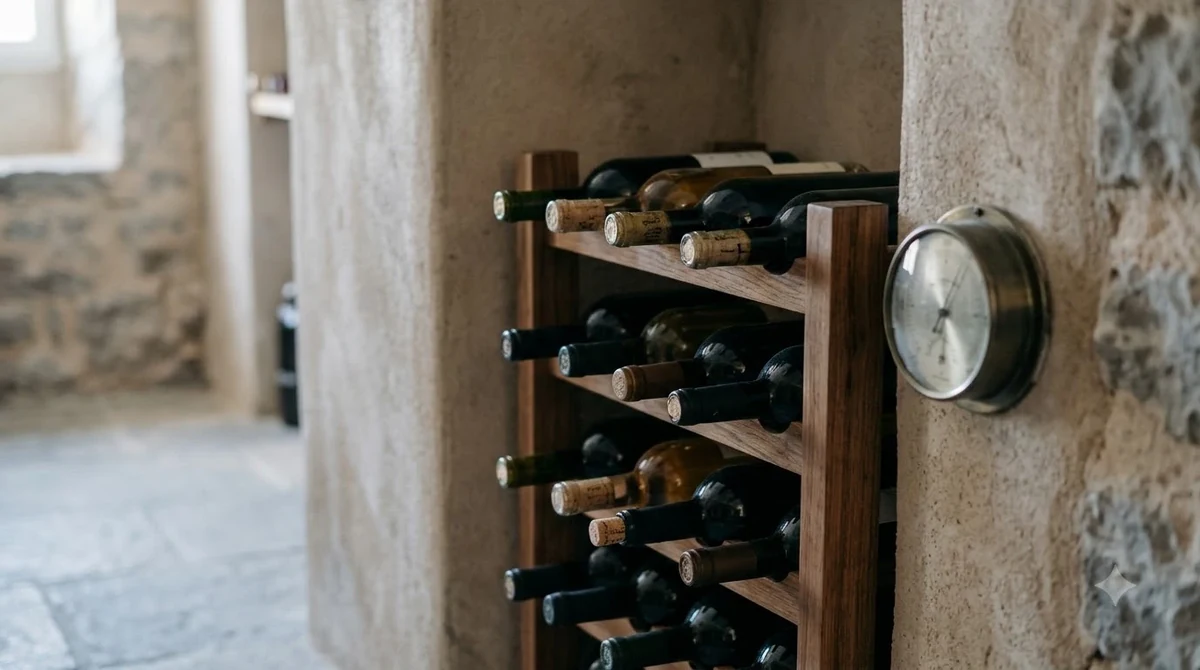
Store unopened bottles on their sides when they have natural cork closures, in a stable location near 55°F. Keep them away from direct sunlight, heat sources, and large temperature changes. Once opened, most still red wines keep for approximately 3–5 days in the refrigerator when properly resealed. Bring the wine closer to its recommended serving temperature before drinking again.
Frequently Asked Questions
Is vin rouge the same as vino rosso?
Both expressions mean red wine, but they come from different languages. Vin rouge is French, while vino rosso is Italian. Spanish uses vino tinto, and Portuguese uses vinho tinto. These expressions identify the color category rather than a specific grape or production method.
Can vin rouge be made from white grapes?
Traditional red wine production relies on dark-skinned grapes for its color. However, some sparkling wines and Champagne blends can combine white and red grape varieties, and certain specialized winemaking techniques create unusual color profiles. The distinction between grape color and juice color is important because even dark grapes can produce pale juice before skin contact.
Does vin rouge always contain sulfites?
Sulfites can occur naturally during fermentation, and winemakers may also use sulfur dioxide during production to help protect wine against oxidation and unwanted microbial activity. Their presence is not exclusive to red wine; white and rosé wines can contain sulfites too. Bottled wine labeling requirements vary according to the market where the wine is sold.
What does mis en bouteille au château mean on a French red wine label?
This expression means bottled at the château or estate. It indicates that bottling took place at the named property rather than at an unrelated bottling facility. It is a useful production detail, especially when reading Bordeaux labels, but it is not by itself a guarantee of a particular quality level.
What is the difference between vin rouge and vin doux naturel?
Vin rouge describes red wine by color, whereas vin doux naturel refers to a French style of naturally sweet fortified wine. Some vin doux naturel wines are red, including examples made in Roussillon from Grenache. Their production involves adding grape spirit during fermentation to preserve natural grape sweetness, creating a different style from ordinary dry table red wine.
Vin rouge is simply the French name for red wine, but the category includes an enormous range of flavors, textures, and regional traditions. Start with the grape and region that best match your preferences, then explore different producers and appellations to discover the styles you enjoy most. Whether you choose fruity Beaujolais, elegant Burgundy Pinot Noir, or structured Bordeaux, understanding the basics makes every French wine label a little easier to read.
More in Wine Types & Grapes
 What Does Mourvèdre Taste Like? Flavor Profile, Regions, and PairingsUpdated Nov 20, 2026
 What Does Marsanne Taste Like? Flavors, Styles, and Food PairingsUpdated Nov 20, 2026
 What Does Malvasia Taste Like? Styles, Flavors, and Food PairingsUpdated Nov 20, 2026
 What Does Grenache Blanc Taste Like? Flavor Profile, Styles, and PairingsUpdated Nov 20, 2026
 What Does Garnacha Taste Like? Key Flavors, Styles, and Pairing TipsUpdated Nov 20, 2026
 What Does Fruit Wine Taste Like? A Complete Flavor and Style BreakdownUpdated Nov 20, 2026