

We may earn a commission when you buy through links on this page, at no extra cost to you. Learn more.
Pinot gris vs sauvignon blanc is a choice between a rounder, richer white and a sharper, more herbal one. Pinot gris is the same grape as pinot grigio, but it is often made in a fuller, barrel-aged style with ripe fruit and texture. Sauvignon blanc has higher acidity and brings citrus, grass and a crisp finish, so the two suit different foods and moods.
This guide looks at how the two whites differ in style and winemaking, where they are grown, and which food matches each one. It is meant to help you pick a bottle when you are not sure which white you want.
Start with the grape and the style
Pinot gris and pinot grigio are the same grape, and the difference comes from the winemaking and the region. VinePair explains that the grapes are genetically identical, and the wines can differ because of how they are made. Pinot grigio is often light, zippy and made for quick drinking. Pinot gris tends to be crafted toward a slightly rounder, barrel-aged, food-friendly profile.
Sauvignon blanc is a different grape with its own identity. It is usually bright and aromatic, and its style follows the vineyard. Cool sites give fresh citrus, grass and minerals, while warmer sites add tropical fruit. Comparing pinot gris with sauvignon blanc is therefore a comparison of two styles, not two variations on one grape.
Acidity: the main practical difference
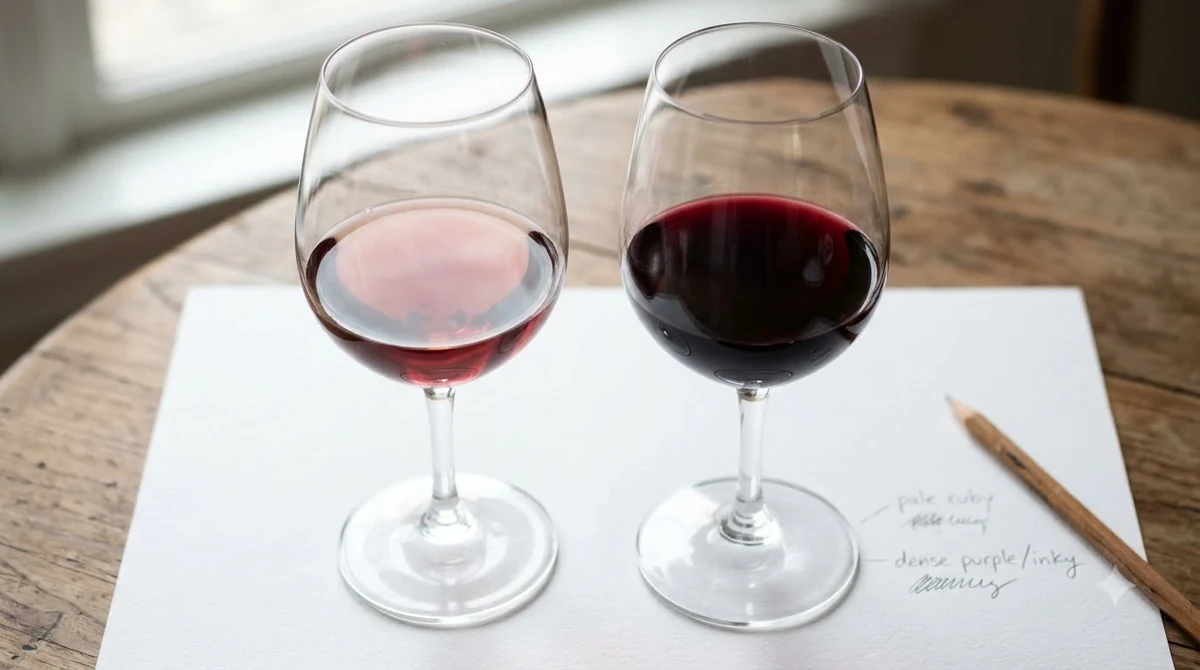
Acidity sets sauvignon blanc apart. VinePair says sauvignon blanc has higher acidity, which gives it a zesty, herbal punch. Pinot gris usually has a rounder, softer feel, and the barrel aging that many producers use can soften its acidity further. The result is a wine that tastes fuller in the mouth but less sharp on the finish.
If you enjoy a crisp, clean finish that cuts through food, sauvignon blanc is the easier fit. If you want a white with more texture and a gentler edge, pinot gris is the better choice.
| Feature | Pinot gris | Sauvignon blanc |
|---|---|---|
| Acidity | Softer, rounder | Higher, zesty |
| Typical flavors | Pear, ripe fruit, sometimes honey notes | Grapefruit, grass, herbs, passion fruit |
| Usual texture | Fuller, sometimes oak-aged | Lighter, crisp, fresh |
| Well-known regions | Alsace, Oregon, northern Italy | Marlborough, Loire Valley, Bordeaux |
Flavor and aroma
Sauvignon blanc is the more aromatic of the two. VinePair describes it with grapefruit, grass and passion fruit, and Vinovest notes that it can be very fruit-forward. Pinot gris tends toward pear, ripe fruit and sometimes honey, especially in richer styles from Alsace. A cooler vineyard shows more mineral and citrus character in both wines, while a warmer one brings out more tropical and stone fruit.
Taste both side by side if you can. The sharper aroma of sauvignon blanc tends to stand out, while pinot gris often feels smoother on the palate and lingers more on fruit.
Where they are grown
Sauvignon blanc is grown in many regions, with strong examples in the Loire Valley, including Sancerre and Pouilly Fumé, and in New Zealand’s Marlborough. Pinot gris is most closely linked with Alsace and Oregon, and northern Italy produces the lighter pinot grigio style. Because a single grape appears under several names and styles, reading the producer’s notes is often more useful than reading the grape name alone.
Food pairing
Sauvignon blanc suits seafood, pasta, white meats, mild vinaigrettes and medium-soft cheeses, according to Vinovest. It also works with herbs, citrus and salads, since its acidity lifts those flavors. Its crispness helps when a dish is rich, such as a creamy seafood pasta or fried fish, because the wine cleans the palate between bites.
Pinot gris is a good companion for food with more texture and fullness, such as roast poultry, pork and creamy sauces. Its rounder profile can handle richer dishes without tasting thin. Both wines can work with seafood, so choose by the sauce: lemon and herb dishes favor sauvignon blanc, and butter or cream sauces suit pinot gris.
How to choose between them
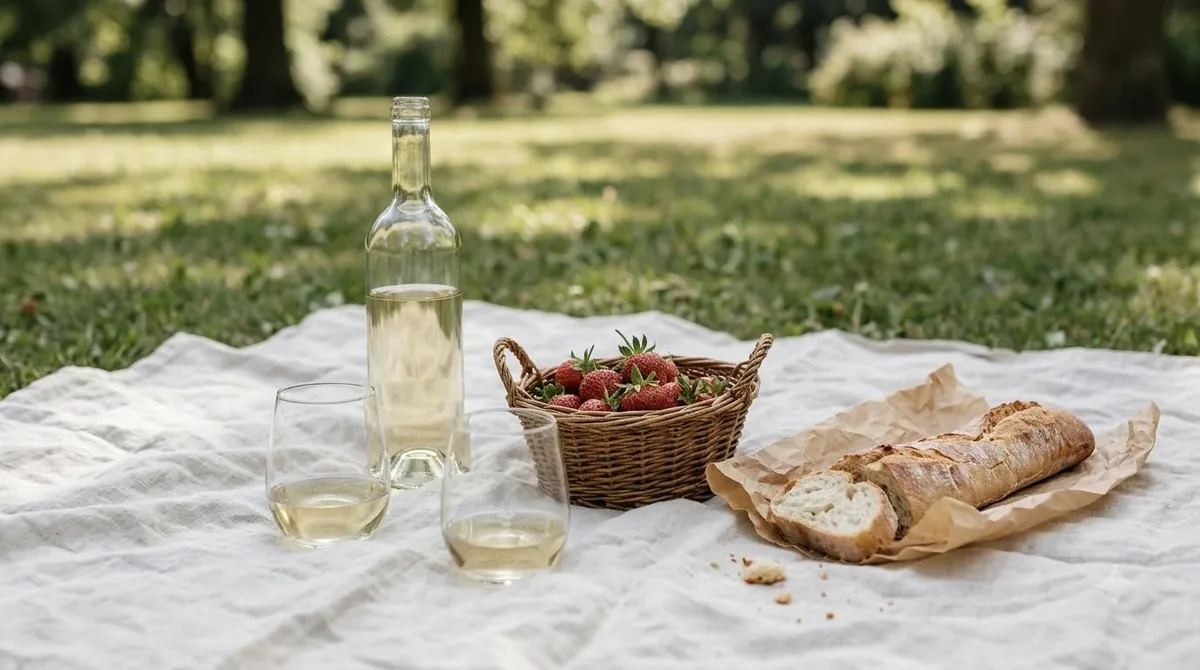
Choose sauvignon blanc for a crisp white that wakes up the meal, especially with herbs, citrus or goat cheese. Choose pinot gris for a white with more body, ripe fruit and a softer finish, especially for dinner with cream sauces or roasted meat. If you are buying for a group, a bottle of each lets guests compare the two styles.
Price can also play a role. VinePair notes that pinot gris can be less common partly because of higher pricing, and that inexpensive versions are often bright and lemony. Read the label for the region and style rather than assuming the price tells you everything.
Winemaking choices that change the glass
Winemaking shapes pinot gris more than almost any other factor. Some producers ferment and age the wine in stainless steel to keep it fresh and bright, while others use neutral or small oak barrels to build texture and a rounder feel. Lees contact, the time the wine spends resting on spent yeast, can add creaminess too. The result is that two pinot gris bottles from different producers can taste very different even when they come from the same region.
Sauvignon blanc is usually fermented cool and kept in steel to preserve its aroma. Some producers age a portion in oak for texture, but most bottles stay crisp and fresh. That is why sauvignon blanc tends to taste consistent from year to year, while pinot gris changes with the winemaker’s choices.
Serving temperature for each white
Serve both wines cool but not icy. Sauvignon blanc shows its aroma best when it is well chilled, which helps keep its acidity sharp. Pinot gris can take a slightly warmer serving temperature, especially richer barrel-aged styles, because the warmth opens up the fruit and the texture. If a pinot gris tastes thin, let it sit for a few minutes before pouring. If a sauvignon blanc tastes flat or dull, it is often too warm.
Label terms that cause confusion
Pinot gris is often mixed up with pinot blanc, which is a separate grape with a rounder, sometimes oaked style. Pinot blanc is also used in still, sweet and sparkling wines, including Italy’s Franciacorta. Pinot gris and pinot grigio are the same grape, as noted above, so the label country often tells you more about the style than the name does. For sauvignon blanc, check whether the bottle names a village such as Sancerre or Pouilly Fumé, since those French appellations are made from sauvignon blanc even when the grape is not printed on the front.
Frequently Asked Questions
Is pinot gris the same as pinot grigio?
Yes, they are the same grape. Pinot grigio is the Italian name and pinot gris is the French name. The style of the wine often differs, with Italian bottles usually lighter and French or Oregon bottles often richer.
Which is drier, pinot gris or sauvignon blanc?
Both are usually dry. Sauvignon blanc tastes sharper because of its higher acidity, so it can seem drier. Pinot gris often tastes rounder and fuller, though it is still typically dry.
Which pairs better with fish?
Sauvignon blanc is usually the better match for lighter, herb- or citrus-based fish dishes. Pinot gris works well with richer fish dishes, especially those served with butter or cream sauces.
Should I age either wine?
Most everyday bottles of both are meant to be drunk young, while richer pinot gris from Alsace and some oak-aged sauvignon blanc can gain depth over a few years. Check the producer’s guidance on the label or website before you hold a bottle.
Pinot gris and sauvignon blanc both have a clear place on the table, and knowing the style helps you choose the right one for the meal. For a broader view of how these whites compare with the pinot family, see the pinot grigio vs pinot gris comparison, or compare the grape choices in the Wine vs Wine section.
More in Wine vs Wine
 Nero d’Avola vs Pinot Noir: Taste, Body, and Pairing DifferencesUpdated Nov 21, 2026
 Chenin Blanc vs Pinot Blanc: Key Differences in Taste, Acidity, and PairingsUpdated Nov 21, 2026
 Chardonnay vs Shiraz: Key Differences in Taste, Serving, and PairingUpdated Nov 21, 2026
 Chardonnay vs Verdejo: How Spain’s Crisp White Compares to the World’s ChameleonUpdated Nov 21, 2026
 Chardonnay vs Sancerre: Key Differences in Taste, Grapes, and PairingUpdated Nov 21, 2026
 Chardonnay vs Malbec: Key Differences in Taste, Body, and PairingUpdated Nov 21, 2026