


We may earn a commission when you buy through links on this page, at no extra cost to you. Learn more.
Taylor Fladgate wine is port, a fortified wine from the Douro Valley in Portugal that the Taylor Fladgate Partnership ages and bottles in Vila Nova de Gaia, across the river from Porto. Port is sweet in most styles and stronger than table wine because a grape spirit is added during fermentation. The range runs from bright ruby to nutty tawny and single-vintage bottles, and each one suits a different moment, from an aperitif to a cheese course.
Many people who search for Taylor Fladgate wine are really trying to understand port itself. The bottle label names a house and a style, but the words Ruby, Tawny, Vintage and LBV can be confusing if you are new to fortified wine. This guide explains what the house is known for, how the main port styles differ, how to serve them, and what to pair with each one.
What Taylor Fladgate Makes
Taylor Fladgate is a port house, and its name is shared by a group of related brands. The Taylor Fladgate Partnership also includes other port houses, which is why the Taylor name appears alongside several other brands on the same family of labels. According to the Wikipedia entry on port wine, Taylor is one of the historically prominent British shippers of port, and the group has introduced several notable bottlings over the years, including a dry white aperitif port in 1934.
Port is a regional wine, and the grapes behind it are local varieties. Wine Folly’s Touriga Nacional guide notes that this grape was originally used in port and still contributes to it, and that it is grown in the Douro and Dão. Grapes are grown and processed in the demarcated Douro region, and the official appellation was established in 1756. Historically the wine was shipped down the river in traditional boats, and it is still aged in barrels stored in lodges at Vila Nova de Gaia. For a buyer, the practical point is that the region, the house, and the style all shape the taste of the bottle.
The Main Port Styles
Port is made by adding a neutral grape spirit during fermentation, which stops the fermentation early. The wine keeps its residual sugar and reaches an alcohol content of roughly 19 to 22 percent by volume, so it tastes sweet and rich but is stronger than most red wines. The style you choose depends on how the wine is aged.
Ruby is the most common style. It is stored in tanks after fermentation to keep its bright red color, and it is meant to be drunk young and fresh. Tawny is aged in wooden barrels, where slow oxidation turns it golden-brown and brings nutty and caramel flavors. Age-indicated tawnies are labeled 10, 20, 30, 40, or 50 years, and these are blends meant to show the average age of the wines inside.
Late Bottled Vintage, or LBV, is aged in barrel for several years and then bottled, which gives a fuller, more structured wine that is ready to drink sooner than a true Vintage port. Vintage port is made from a single declared year and aged in cask for a short time before bottling, and it can continue to age in the bottle for decades. Vintage port is a small share of total production, around two percent according to the Wikipedia article, which is why it is a special-occasion choice rather than an everyday bottle. Colheita is a single-vintage tawny aged for a long time, with the harvest year on the label.
| Style | Typical taste | How it is aged | Good with |
|---|---|---|---|
| Ruby | Red fruit, bright and youthful | Tank, kept fresh | Dark chocolate, fruit desserts |
| Tawny | Nuts, caramel, dried fruit | Wooden barrel, slow oxidation | Almonds, crème brûlée, mild cheese |
| LBV | Ripe plum, spice, fuller structure | Barrel, then bottled after four to six years | Chocolate cake, blue cheese |
| Vintage | Dense dark fruit, firm tannin | Short cask, then long bottle aging | Aged hard cheese, walnuts, dessert |
How to Serve Port
Port is usually served at a cooler temperature than many people expect. The port wine article on Wikipedia gives 15 to 20 degrees Celsius (59 to 68 degrees Fahrenheit) as the serving range, and it notes that tawny can be served slightly cooler. Ruby can be enjoyed a little chilled on a warm day, while a vintage bottle is best at the warmer end of the range.
Unfiltered LBV and vintage ports throw sediment over time. Stand the bottle upright for a day or two before you open it, then decant the wine slowly so the sediment stays behind. Tawny and ruby ports need no decanting. Port keeps well once opened because of its alcohol content, but a bottle with air exposure will fade, so re-cork it and drink it within a few weeks.
Food Pairing Ideas
Port is a dessert and cheese wine in most households. Ruby suits dark chocolate and fruit desserts, since the young fruit matches the sweetness. Tawny is the best partner for nutty sweets such as almond cake or crème brûlée, and it works with mild cheese. LBV and vintage ports go well with chocolate cake and with blue cheese, where the sweetness balances the salt.
Port also works as an aperitif when it is dry or white. A chilled white port with tonic and a slice of lemon is a common way to start an evening, and it is lighter than most sweet styles. Choose a dry or extra-dry white for that purpose, since a sweet white port will taste heavy before a meal.
Port is also useful outside dessert. Its sweetness and weight can stand up to rich, spiced food, and a splash of tawny can finish a meal in place of a coffee. Keep the portions small, since the alcohol content is higher than most table wines and a small glass is usually enough.
How to Choose a Taylor Fladgate Bottle
Start with the style you want to drink. If you want a bright, fruity bottle for a casual evening, look at ruby. If you want something soft and nutty for dessert, look at tawny. For a bottle to keep and open for a special meal, a vintage or a single-vintage bottle is the right choice.
Consider the occasion as well. A ruby port is an easy gift for someone who does not usually drink fortified wine, since it is approachable and fruity. A vintage or LBV bottle suits a host who wants to serve something to talk about after dinner, and a tawny is a good choice for a small cheese board.
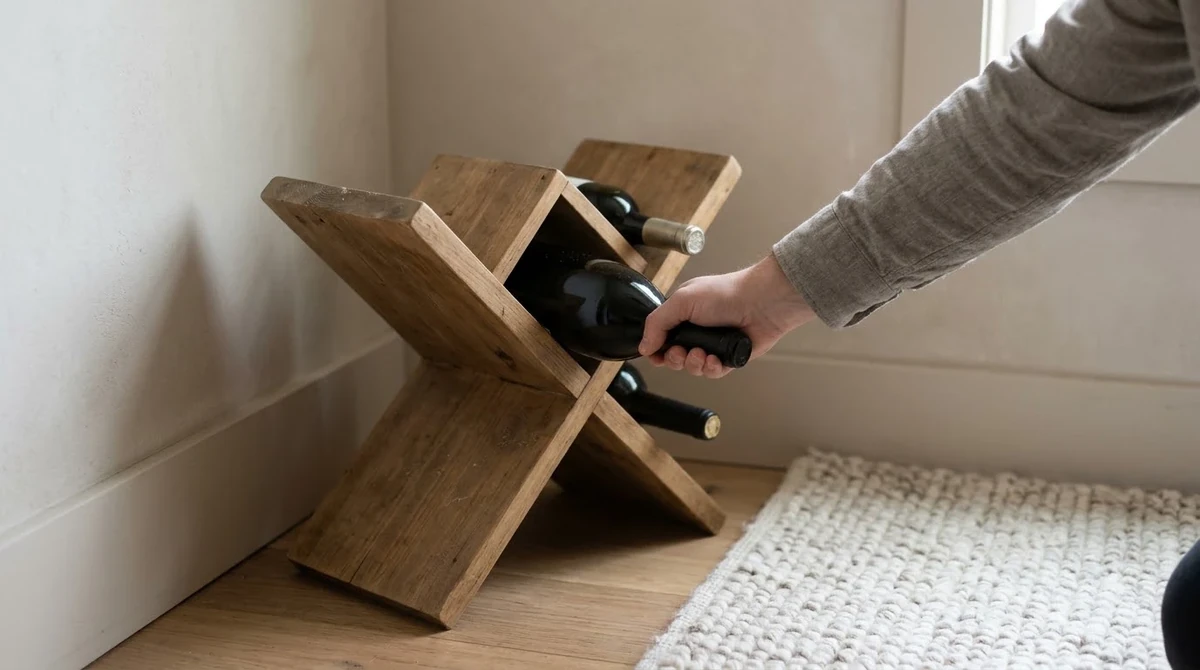
Next, read the label for the style and, for tawny, the age indication. Check the bottling year on LBV and the vintage year on vintage ports, and store unopened bottles on their side in a cool, dark place. The Douro also produces red table wines, so make sure you are choosing a fortified port and not a dry red from the same region.
Frequently Asked Questions
Is Taylor Fladgate wine the same as port?
Taylor Fladgate is a port house, so its wines are port. The brand covers several styles, including ruby, tawny, LBV and vintage, all made under the port name.
Is port sweet?
Most port is sweet, because fermentation is stopped early by adding grape spirit and the wine keeps its residual sugar. Dry and white versions also exist, so check the style on the label.
How should I serve port?
Serve port at about 15 to 20 degrees Celsius, which is 59 to 68 degrees Fahrenheit. Decant unfiltered LBV and vintage ports to remove sediment, and keep opened bottles re-corked.
What is the difference between tawny and ruby port?
Ruby is aged in tanks to keep its fresh red fruit, while tawny is aged in wooden barrels, where it turns golden-brown and develops nutty, caramel flavors.
Taylor Fladgate wine is a good entry point into port, especially once you know the styles. For more on how producer ranges are organized, the wine brands guide is a useful next step, and for a dry red to compare with a sweet fortified wine, the 14 Hands red wine guide covers a very different style.
More in Wine Brands
 Underwood Wine Price: Compare Bottles, Cans, and Pack SizesUpdated Nov 21, 2026
 Zenato Wine Price: Compare Styles and Choose the Right BottleUpdated Nov 21, 2026
 Zuccardi Wine Price: Compare Bottles and Find the Right RangeUpdated Nov 21, 2026
 Yellow Tail Moscato Review: Taste, Sweetness and Serving TipsUpdated Nov 21, 2026
 Wolf Blass Yellow Label Review: Choose Your Best StyleUpdated Nov 21, 2026
 Wolffer Estate Rose Review: Choose the Right Bottle for Your TableUpdated Nov 21, 2026