

We may earn a commission when you buy through links on this page, at no extra cost to you. Learn more.
Chardonnay vs Merlot is a choice between a white and a red: Chardonnay is a white grape that can be crisp or rich with oak, while Merlot is a red grape with plum and cherry fruit and soft, medium-high tannins. The two wines differ in color, body and texture, so the right pick depends on whether you want something fresh and white or savory and red for a meal.
Chardonnay and Merlot are two of the most widely planted varieties in the world, and they appear on nearly every wine list. Their popularity means that many drinkers have tasted both without thinking about why the wines feel so different. This guide compares them by origin, color, body, flavor, tannin and acidity, and offers food pairings for each.
Chardonnay and Merlot at a glance
Chardonnay is a white grape, and its wine is usually made without skin contact, so it is pale in color. Merlot is a red grape, and its color and tannin come from the skins during fermentation. That single difference shapes almost everything else about the two wines, from how they feel in the mouth to how they age.
| Feature | Chardonnay | Merlot |
|---|---|---|
| Color | White, from pale gold to deep yellow | Red, with ripe, medium to deep color |
| Typical body | Lean when unoaked, fuller when oaked | Medium to full |
| Tannin | Little or none | Medium-high, often softer than Cabernet Sauvignon |
| Acidity | High when unoaked, moderate when oaked | Medium, refreshing but not overtly high |
| Alcohol | Often 12 to 13.5 percent, richer styles up to 14.5 to 15 percent | Varies with climate and style |
Where the two grapes come from
Chardonnay originated in Burgundy in France, and according to the Winefolly Chardonnay guide, it is now found in every winemaking country. Its adaptability is a large part of its success, since the grape takes on very different characters depending on climate, winemaking and whether it is aged in oak.
Merlot originates in southwestern France, and Bordeaux is its historic home. The Winefolly Merlot guide notes that Merlot makes up about 60 percent of Bordeaux’s AOP vineyard plantings. On the Left Bank it is blended with Cabernet Sauvignon, while the Right Bank, its heartland, usually pairs it with Cabernet Franc.
How Chardonnay tastes with and without oak
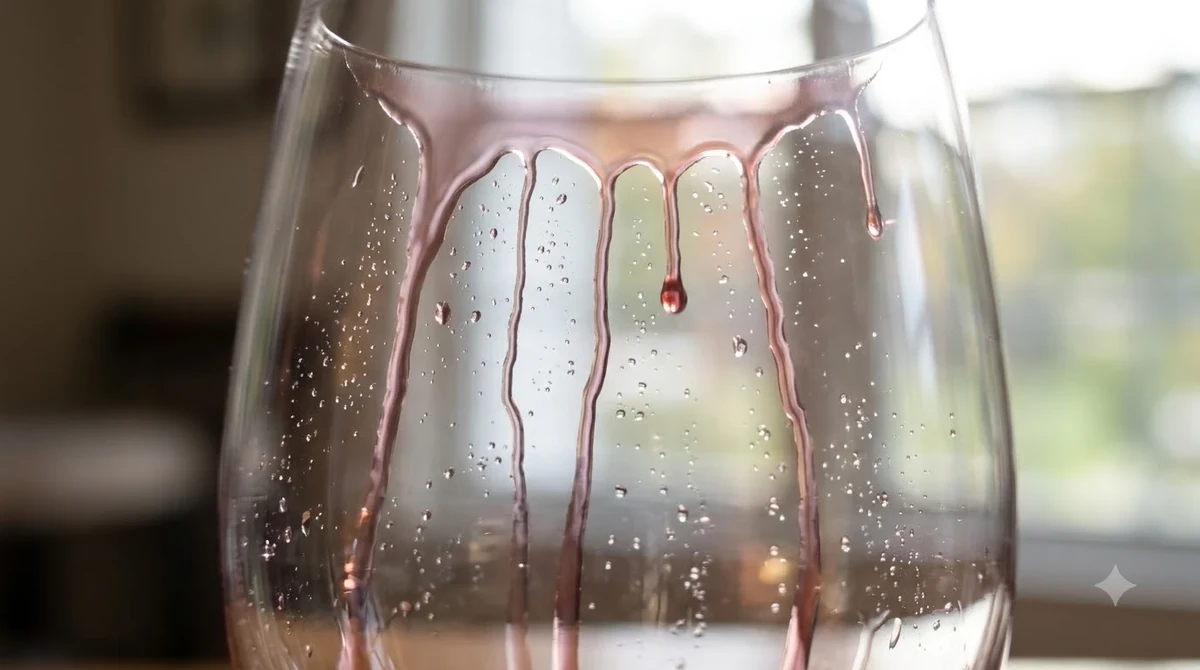
Chardonnay is one of the most flexible white grapes, and its flavor depends heavily on how it is made. Unoaked Chardonnay, particularly the lean styles from Chablis, shows fragrant notes of green apple, pear and citrus, often with a chalky or mineral edge. These wines are crisp and lively and suit a wide range of light dishes.
Oaked Chardonnay, especially in the Burgundian style, tends toward richer aromas of peach, mango and lemon. Oak adds vanilla and butter notes, and bottle age can bring hazelnut and honey. The wine also feels fuller and creamier on the palate, with moderate acidity rather than the sharpness of an unoaked style.
Two winemaking steps explain much of the buttery character. Malolactic fermentation converts sharp malic acid into softer lactic acid, which softens the wine and contributes buttery flavor, mainly through a compound called diacetyl. Oak then influences flavor through barrel size, wood type, toast level and aging time. American oak tends to add bold, coconut-like notes, while French oak is subtler and spicier.
How Merlot tastes and feels
Merlot is a red wine with a softer profile than many of its peers. The Winefolly taste profile lists primary flavors of cherry, chocolate, plum, bay leaf and vanilla. Cooler climates tend toward fresh plum and cherry, while warmer ones bring baked blackberry and fruitcake. Oak aging can add vanilla and spice, which blends naturally with the grape’s ripe fruit.
Tannin is one of Merlot’s defining features. The Winefolly page rates it as medium-high in tannin and medium in acidity. It describes Merlot as often softer and less astringent than Cabernet Sauvignon, with acidity that is refreshing but not overtly high. That combination gives the wine a round, velvety feel that many drinkers find easy to enjoy.
Body, texture and the mouthfeel difference
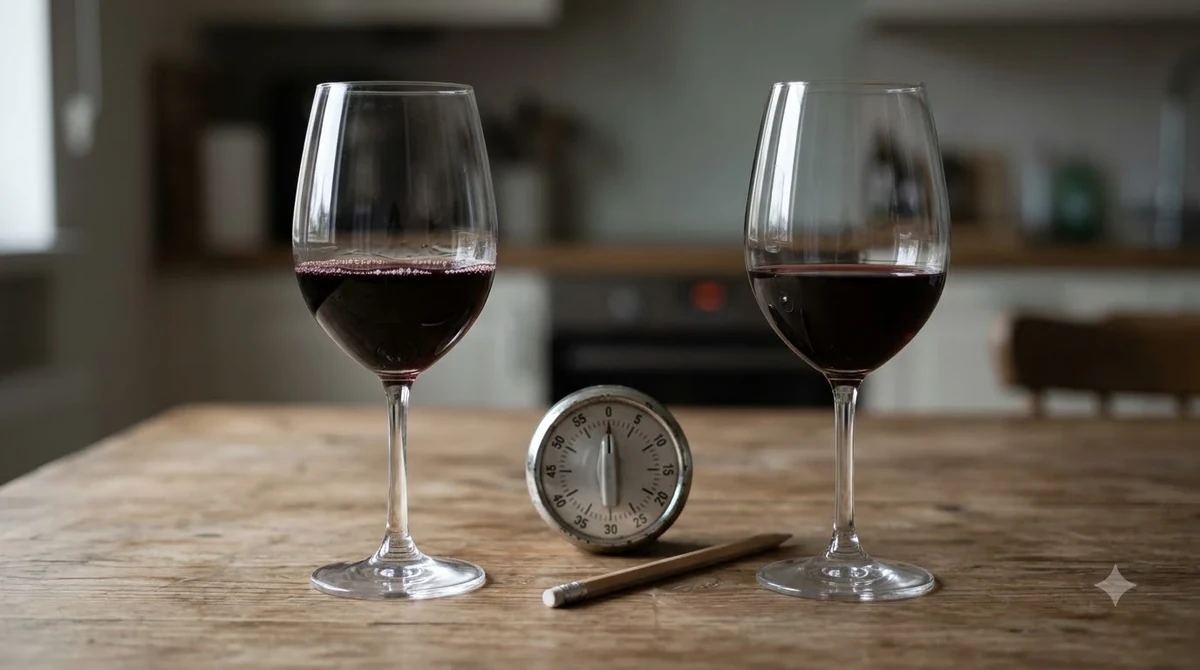
The most noticeable difference between the two wines is texture. A lean, unoaked Chardonnay feels bright and tight, with the acidity doing most of the work. An oaked Chardonnay feels creamy and fuller, with the wine coating the mouth. Merlot feels different again: it has real structure from its tannins, but the fruit and softness make the wine feel round rather than dry.
Alcohol also shapes the feel. Lean Chardonnay styles usually sit between 12 and 13.5 percent alcohol, while richer ones can reach 14.5 to 15 percent. Merlot’s alcohol varies with climate and style, so warm-climate bottles can feel weightier than cool-climate ones.
Serving temperature also changes the experience. A cold Chardonnay tastes sharper and more mineral, and as it warms in the glass its oak and fruit become more apparent. Merlot works the other way: slightly cool, it shows its fresh plum and cherry, and at a warmer temperature its alcohol and softness become more prominent. Adjusting the temperature a little is one of the simplest ways to get more out of either wine.
Food pairing for each wine
Chardonnay pairs well with dishes that share its character. Unoaked styles suit seafood, light salads and goat cheese, where their acidity cleans the palate. Oaked Chardonnay works with roast chicken, creamy pasta and lobster, since the richer wine matches the dish’s texture.
Merlot is a natural partner for roast meats, mushroom dishes and aged cheeses. Its medium-high tannin holds up against the fat in beef and lamb, and its plum and cherry notes echo tomato-based sauces. Lighter Merlot styles can also suit grilled salmon or pork with fruit glaze.
Tip: Serve an unoaked Chardonnay well chilled to highlight its freshness, and serve Merlot slightly cooler than room temperature so its fruit does not taste heavy or cooked.
Which one to choose
Choose Chardonnay if you want a white wine that can range from crisp and mineral to rich and buttery, depending on the bottle. Pick an unoaked style for a light meal and an oaked style for a richer dish. Choose Merlot if you prefer a red that is round and fruit-forward without the grip of heavier reds.
If you are unsure, compare the two by mood. Chardonnay suits warm evenings and seafood, while Merlot fits cool-weather dinners and roasted dishes. Both are approachable, and both reward trying several bottles to find a favorite style. Reading the label for the words unoaked, oaked, Bordeaux-style or Right Bank can also help, since those terms signal much of what a bottle will taste like before you open it.
For a dinner party, a useful approach is to offer one wine from each family. A lean Chardonnay can open the meal with appetizers and seafood, and a plum-driven Merlot can carry the main course. The contrast gives guests a clear sense of how white and red styles differ, and it avoids the need to choose a single wine for every course.
Frequently Asked Questions
Is Chardonnay a sweeter wine than Merlot?
Not necessarily. Most Chardonnay and Merlot are made in a dry style. The sense of sweetness usually comes from ripe fruit or oak-driven vanilla rather than residual sugar.
Which has more tannin, Chardonnay or Merlot?
Merlot has tannin, rated medium-high in the Winefolly profile. Chardonnay has little or no tannin because it is a white wine made without the grape skins contributing color or structure.
Does oak change the taste of Chardonnay?
Yes. Oak adds vanilla, butter and spice notes and makes the wine feel fuller. The barrel type, toast level and aging time all affect the final flavor.
Is Merlot a good choice for a beginner red?
Often it is. Merlot is softer and less astringent than many reds, which makes it an approachable starting point for drinkers new to tannic wines.
Chardonnay vs Merlot comes down to color, structure and the mood of the meal. For related comparisons, see barbera vs barolo or burgundy vs pinot noir, and browse the Wine vs Wine section to compare more popular pairs.
More in Wine vs Wine
 Nero d’Avola vs Pinot Noir: Taste, Body, and Pairing DifferencesUpdated Nov 21, 2026
 Chenin Blanc vs Pinot Blanc: Key Differences in Taste, Acidity, and PairingsUpdated Nov 21, 2026
 Chardonnay vs Shiraz: Key Differences in Taste, Serving, and PairingUpdated Nov 21, 2026
 Chardonnay vs Verdejo: How Spain’s Crisp White Compares to the World’s ChameleonUpdated Nov 21, 2026
 Chardonnay vs Sancerre: Key Differences in Taste, Grapes, and PairingUpdated Nov 21, 2026
 Chardonnay vs Malbec: Key Differences in Taste, Body, and PairingUpdated Nov 21, 2026