

We may earn a commission when you buy through links on this page, at no extra cost to you. Learn more.
Barbera vs Barolo comes down to the grape and the aging: Barolo is made from Nebbiolo and is built for long cellaring, while Barbera is brighter, higher in acidity and lower in tannin. Both are red wines from Italy’s Piedmont region, but they sit at opposite ends of the style spectrum. Barbera is usually the everyday, food-friendly choice, and Barolo is the structured, age-worthy wine of the same hills.
Piedmont is a region where two celebrated reds grow side by side, and wine shoppers often mix them up. The names sound alike, the bottles share a northern Italian look, and both are often served with rich food. The differences matter, though, for flavor, price and how long a bottle should rest before drinking. This guide compares the two wines by grape, origin, taste, serving and food pairing.
Barbera and Barolo at a glance
Barbera and Barolo are different grapes. Barbera is the grape used in wines such as Barbera d’Asti, while Barolo is a DOCG wine made only from Nebbiolo. Because the two grapes respond differently to soil, sun and winemaking, they taste distinct even when they grow a short distance apart.
| Feature | Barbera | Barolo |
|---|---|---|
| Grape | Barbera | Nebbiolo, 100 percent by DOCG rule |
| Acidity | High | Medium-high |
| Tannin | Low to modest | High, often firm when young |
| Typical flavors | Tart cherry, blackberry, licorice, dried herbs | Cherry, rose, leather, anise, clay |
| Minimum aging | Usually drunk young | 36 months after harvest, at least 18 in wood |
Where each wine comes from
Barbera is believed to have originated in the hills of Monferrato, in central Piedmont, where it has been known since the thirteenth century. Today nearly half of Piedmont’s grapevine plantings are Barbera, which makes it the region’s most widely planted red. The best-known wine is Barbera d’Asti DOCG, and the top-quality Nizza DOCG comes from a sub-zone within the same area.
The history of the two wines has followed different paths. Barbera was carried to the Americas by Italian emigrants in the nineteenth and twentieth centuries, and it took root in California and Argentina. In Piedmont, the grape’s reputation was hurt in the 1980s by a methanol adulteration scandal that cut sales and plantings, and Montepulciano later overtook Barbera as Italy’s second most planted red. Barolo, by contrast, has long been the prestige name of the region, which is why it sets the benchmark that Barbera is often measured against.
Barolo comes from a smaller, more specific zone. Its vineyards lie in hills southwest of Alba in Cuneo province, spread across several communes, with Barolo and Castiglione Falletto usually described as the core. The DOCG rules require that the wine be made from 100 percent Nebbiolo, which is a major reason the wine has a single, recognizable identity.
How the two grapes differ in the vineyard
Barbera and Nebbiolo are often grown on the same slopes, but they are not treated the same way. Barbera is usually planted on cooler lower slopes and secondary sites, while Nebbiolo gets the best vineyard positions. The Wikipedia article on Barbera notes that Barbera ripens about two weeks earlier than Nebbiolo, and that Nebbiolo is more profitable, fetching nearly twice the price, which explains why it gets the better sites.
That difference in vineyard status shapes the wines. Barbera is a reliable, productive grape that rewards careful farming but does not need the long, cool ripening that Nebbiolo demands. Nebbiolo ripens late and needs time to develop its aroma, so its wines carry more structure and need more years in the bottle.
Taste and texture
Barbera is known for high acidity and normally modest tannin. The Winefolly grape guide to Barbera lists it as bone-dry, with medium-full body and alcohol in a range of about 13.5 to 15 percent. Its flavors often include tart cherry, licorice, blackberry, dried herbs and black pepper, so the wine feels juicy and fresh on the palate.
Barolo is a different experience. The Wikipedia summary describes Barolo as full-bodied, with pronounced tannins and acidity, and notes that these wines often take years to soften. The Winefolly Nebbiolo guide lists high tannins and medium-high acidity, with aromas of cherry, rose, leather, anise and clay. Young Barolo can seem austere, and that firmness is the reason it rewards patience. As the wine ages, the tannins soften and the fruit takes on a more savory, earthy quality, which is why older bottles are often described as more complex than younger ones.
Barbera works on a different timeline. Its bright acidity keeps the wine fresh from the first pour, and its modest tannin means it is ready to drink much sooner. That freshness is a large part of its appeal, especially for diners who want a red that does not feel heavy.
Serving and cellaring
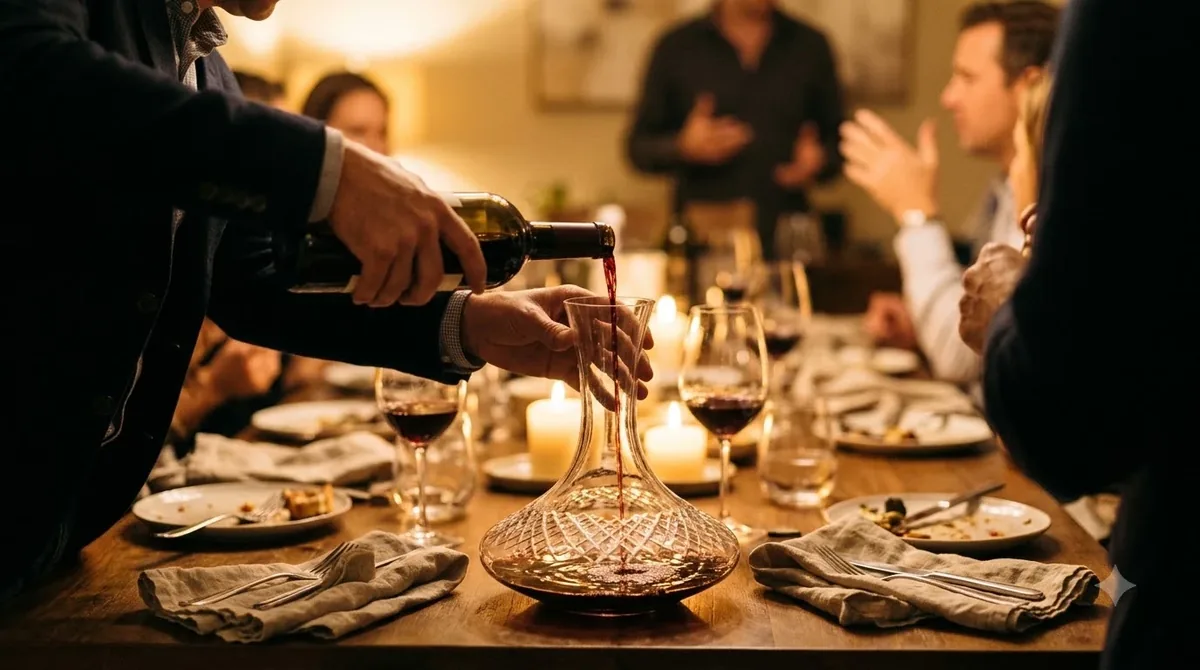
Serving temperature changes how both wines show. Winefolly suggests serving Barbera at 60 to 68 degrees Fahrenheit (15 to 20 degrees Celsius) in a wide glass, with about 30 minutes of decanting. Its cellaring guidance is 5 to 10 years, although most everyday bottles are enjoyed much sooner.
Nebbiolo and Barolo need a cooler service and more care. The same guide recommends serving Nebbiolo at 55 to 60 degrees Fahrenheit (12 to 15 degrees Celsius), decanting for about an hour, and cellaring for 10 years or more. Barolo’s minimum aging rules are longer still, which is why many bottles reach the market only after several years.
Food pairing: which wine goes with what
Barbera suits medium-intensity dishes. Its acidity cuts through tomato sauces, pizza and roasted vegetables, and its low tannin keeps the wine easy to drink with a meal. The Winefolly page suggests pairing it with cherries, sage, anise, cinnamon, white pepper and sumac, which are useful flavor clues for a menu.
Barolo calls for richer food. Its tannins pair well with fatty dishes, such as braised beef, aged cheese or creamy sauces, because the fat softens the wine’s grip. The Winefolly Nebbiolo entry points in the same direction, recommending fatty foods, including creams and cheeses, to counteract the tannins.
Tip: If a Barolo tastes harsh, give it more time in the glass or the cellar before judging it. A young bottle that seems closed may open once it has aired or matured.
Which one to choose
Choose Barbera when you want a red that is bright, food-friendly and easy to share on a weeknight. It fits well in a casual dinner and is usually the more affordable of the two. Choose Barolo when you want a serious, structured wine for a special meal or for cellaring, and when you are willing to wait for it to show its best.
For a special dinner, a Barolo is often the centerpiece, while a Barbera can serve as a lively partner for the earlier courses. Those who host often keep both on hand, because the two wines cover very different moods without any clash on the table.
Many drinkers enjoy both, and the contrast can be instructive. Tasting a Barbera and a Barolo from the same producer, or the same hillside if available, shows how much grape and aging shape a wine.
Frequently Asked Questions
Is Barolo made from Barbera grapes?
No. Barolo is made from Nebbiolo, and the DOCG rules require 100 percent Nebbiolo. Barbera is a separate grape, grown widely across Piedmont.
Which is cheaper, Barbera or Barolo?
Barbera is generally the more accessible of the two. Nebbiolo is the more profitable grape, which is one reason Barolo tends to cost more. Check current retail prices rather than relying on any single figure.
Can I drink Barolo young?
You can, but young Barolo is firm and tannic. Decanting helps, and many people prefer to wait several years so the tannins soften and the aromas develop.
Which wine is better with pizza?
Barbera is usually the better match. Its high acidity and lower tannin work well with tomato sauce, cheese and cured meats, while Barolo can feel too firm for that style of food.
Barbera vs Barolo is a question of style as much as origin. For a closely related comparison, see burgundy vs pinot noir or chardonnay vs merlot, and browse the Wine vs Wine section to compare other popular pairs.
More in Wine vs Wine
 Nero d’Avola vs Pinot Noir: Taste, Body, and Pairing DifferencesUpdated Nov 21, 2026
 Chenin Blanc vs Pinot Blanc: Key Differences in Taste, Acidity, and PairingsUpdated Nov 21, 2026
 Chardonnay vs Shiraz: Key Differences in Taste, Serving, and PairingUpdated Nov 21, 2026
 Chardonnay vs Verdejo: How Spain’s Crisp White Compares to the World’s ChameleonUpdated Nov 21, 2026
 Chardonnay vs Sancerre: Key Differences in Taste, Grapes, and PairingUpdated Nov 21, 2026
 Chardonnay vs Malbec: Key Differences in Taste, Body, and PairingUpdated Nov 21, 2026