

We may earn a commission when you buy through links on this page, at no extra cost to you. Learn more.
Cabernet sauvignon vs sauvignon blanc is a contrast between a bold red and a bright white. Cabernet sauvignon is a full-bodied red with firm tannins and flavors of black cherry, black currant and cedar. Sauvignon blanc is a light-bodied white with high acidity and flavors of gooseberry, grapefruit and freshly cut grass. Choose cabernet for rich, meaty meals and sauvignon blanc for lighter food, warm weather and a crisp, refreshing glass.
These two wines sit at opposite ends of the table. One is built for slow sipping with a big plate of meat, and the other is made to be cold, bright and easy to drink on its own. Both are popular in the United States, so many shoppers face the choice at the wine shop, and the difference is easy to understand once you know what drives each style.
What Drives the Difference
Cabernet sauvignon is a red grape with thick skins. During fermentation the juice stays in contact with those skins, which gives the wine its color, tannin and deep flavor. Many cabernets are then aged in oak, which adds vanilla, cedar, toast and baking spice. The result is a wine that feels structured and is often meant to age for years.
Sauvignon blanc is a white grape. It is usually fermented without long skin contact and often without oak, which keeps its aromas fresh and sharp. Winemakers in cool regions tend to preserve the grape’s natural acidity, so the wine tastes clean and zesty. That is why sauvignon blanc is generally meant to be drunk young, within a year or two of the vintage.
Some sauvignon blancs are fermented or aged in oak, particularly in Bordeaux-style white blends and in parts of California. Those bottles feel rounder and show more vanilla and toast, but they still rely on acidity for balance. Reading the back label for words such as unoaked or oak-aged can tell you quickly where a particular bottle falls on that spectrum.
Flavor and Body Compared
According to Wine Folly’s cabernet sauvignon guide, the wine shows black cherry, black currant, cedar, baking spices and graphite. It is full-bodied, with medium-high tannins and medium-high acidity, and its alcohol usually falls between 13.5 and 15 percent.
Sauvignon blanc tastes very different. Wine Folly lists gooseberry, honeydew, grapefruit, white peach and passion fruit as its main flavors, with notes of freshly cut grass, peas and asparagus in some styles. It is light to medium-light in body and has high acidity, which makes it taste crisp rather than rich.
| Feature | Cabernet sauvignon | Sauvignon blanc |
|---|---|---|
| Color | Red | White |
| Body | Full | Light to medium-light |
| Tannins | Medium-high | None from skins |
| Acidity | Medium-high | High |
| Typical flavors | Black cherry, black currant, cedar | Gooseberry, grapefruit, grass |
| Serving temperature | 60–68°F (15–20°C) | 45–55°F (7–12°C) |
Where Each Grape Grows
Cabernet sauvignon is strongly linked to Bordeaux, especially the gravelly soils of the Médoc and Graves. It is also central to California’s North Coast, where Napa Valley and Sonoma County are well known for it. Coonawarra in South Australia and the Maipo and Colchagua valleys in Chile are other important areas. Warmer sites usually give riper fruit, while cooler spots add more structure.
Sauvignon blanc is grown across the world. The Loire Valley in France, Marlborough in New Zealand, and the cool coastal valleys of Chile are among its best-known homes. It also shows up in California, Washington, the Adelaide Hills and Margaret River in Australia, and South Africa’s Cape area. Its style shifts with climate, from grassy and sharp in cool regions to tropical and fuller in warmer ones.
How to Serve Each Wine
Cabernet sauvignon is best served at about 60 to 68°F (15 to 20°C), slightly cooler than a typical room. At that range the tannins feel smooth rather than harsh. A young, tannic bottle benefits from about 30 minutes in a decanter, which softens the wine and lets its aromas open.
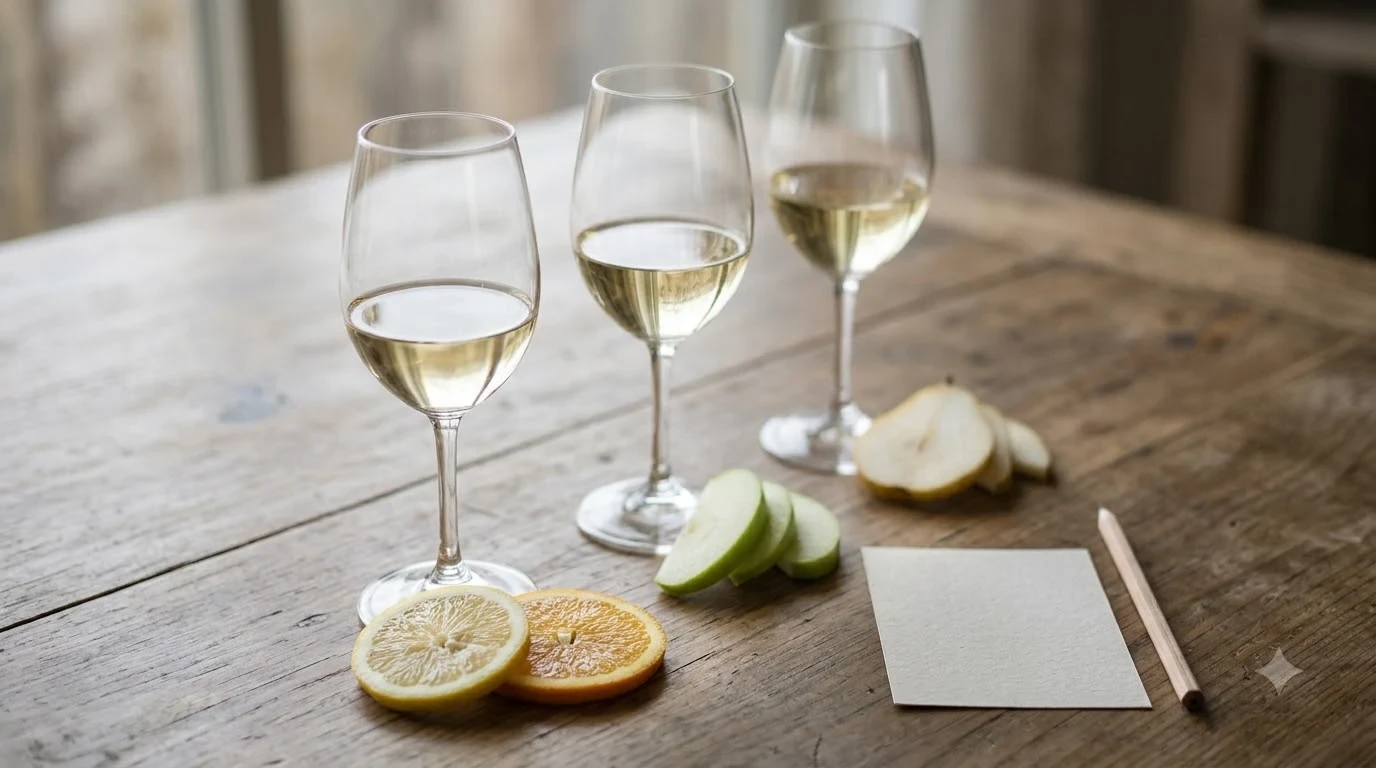
Sauvignon blanc should be served cold, usually between 45 and 55°F (7 to 12°C). Cold temperatures keep the wine crisp and make the acidity feel refreshing. Pour it into a standard white wine glass, and avoid leaving the bottle on the table in the sun, because the fresh fruit character fades quickly with heat.
Tip: Sauvignon blanc loses its freshness fast after opening. Re-cork it and keep it cold, and try to finish the bottle within a day or two.
Food Pairings That Work
Cabernet sauvignon was made for rich food. Grilled steak, lamb chops, aged hard cheeses and mushroom dishes all stand up to its tannins and fruit. The wine’s structure cuts through fat and balances smoky, charred flavors, which is why it is so common on steakhouse menus.
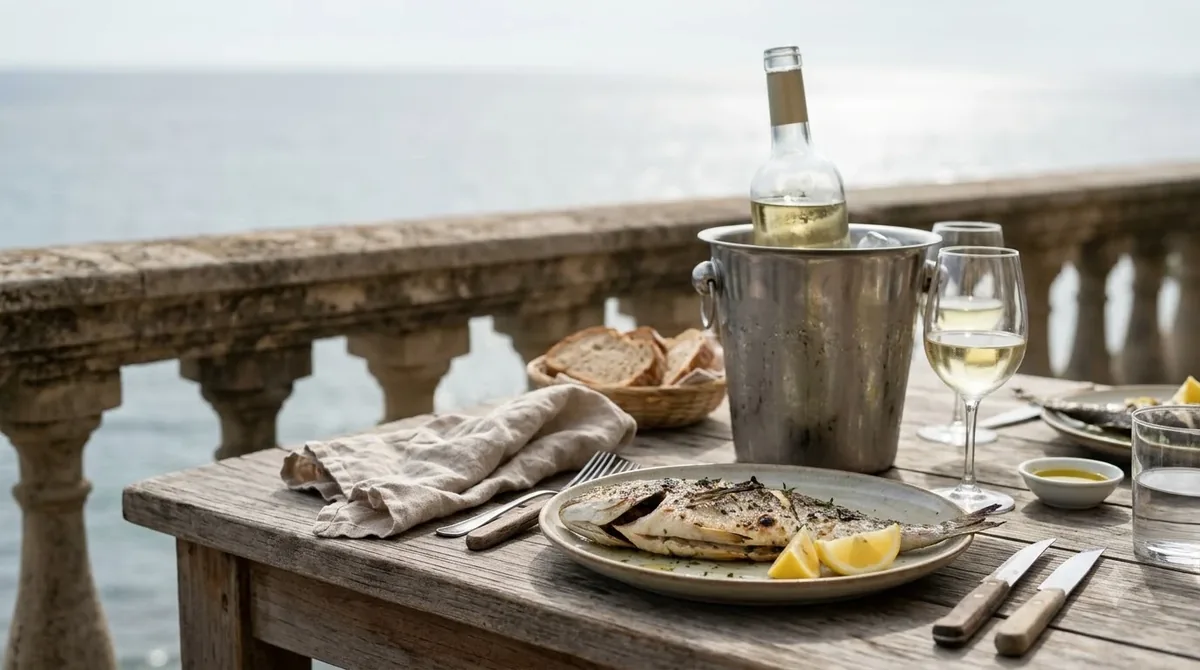
Sauvignon blanc is a strong partner for lighter dishes. Goat cheese salads, shellfish, fish tacos, herbs and green vegetables all pair well with its acidity. It also works with Asian-inspired dishes that use lime, ginger or fresh herbs, since its citrus and grassy notes echo those ingredients.
How to Choose Between Them
Choose cabernet sauvignon when the meal has red meat, heavy seasoning or hard cheese, or when you want a wine to share through a long dinner. Choose sauvignon blanc when the weather is warm, the food is light, or you want an aperitif that is easy to pour without a lot of thought. Both wines come in many styles, so the region and producer notes on the label often help more than the grape name by itself.
It also helps to think about the rest of the evening. Cabernet asks for attention and pairs with a slow meal, while sauvignon blanc is easy to pour during appetizers and then carries into a lighter main course. If your guests are mixing both colors, serving a bottle of each lets people choose what suits their plate, and the two wines make a useful side-by-side tasting for anyone curious about how grape and climate shape a wine.
If you are comparing cabernet with other reds, the bordeaux vs cabernet sauvignon guide explains how regional blends differ. For another white comparison, see cabernet sauvignon vs chardonnay, which looks at a richer white. The wine vs wine guides cover more pairings.
Frequently Asked Questions
Is sauvignon blanc sweeter than cabernet sauvignon?
Most dry sauvignon blanc and dry cabernet sauvignon are not sweet. Sauvignon blanc tastes fruity and sharp, which can seem sweeter to some drinkers, while cabernet tastes bolder and more tannic. Check the producer’s description if you want a sweeter style, and remember that a fruit-forward dry wine can taste sweeter than its sugar content suggests.
Which one has more tannin?
Cabernet sauvignon has medium-high tannins, which give it the grip many people enjoy with steak. Sauvignon blanc has very little tannin because the white wine is made with little skin contact.
Can I drink sauvignon blanc with red meat?
It is an unusual pairing. A light sauvignon blanc will not match the weight of a steak, so cabernet sauvignon is the more natural choice for beef or lamb.
Which wine should I serve at a summer party?
Sauvignon blanc is usually the better choice for a warm-weather gathering because it is crisp and refreshing when chilled. Many hosts add a cabernet for guests who prefer red wine with grilled meat.
Cabernet sauvignon and sauvignon blanc each suit a different kind of meal. Match the wine to the food and the weather, serve each at its proper temperature, and the contrast between a bold red and a bright white becomes easy to taste.
More in Wine vs Wine
 Nero d’Avola vs Pinot Noir: Taste, Body, and Pairing DifferencesUpdated Nov 21, 2026
 Chenin Blanc vs Pinot Blanc: Key Differences in Taste, Acidity, and PairingsUpdated Nov 21, 2026
 Chardonnay vs Shiraz: Key Differences in Taste, Serving, and PairingUpdated Nov 21, 2026
 Chardonnay vs Verdejo: How Spain’s Crisp White Compares to the World’s ChameleonUpdated Nov 21, 2026
 Chardonnay vs Sancerre: Key Differences in Taste, Grapes, and PairingUpdated Nov 21, 2026
 Chardonnay vs Malbec: Key Differences in Taste, Body, and PairingUpdated Nov 21, 2026