

We may earn a commission when you buy through links on this page, at no extra cost to you. Learn more.
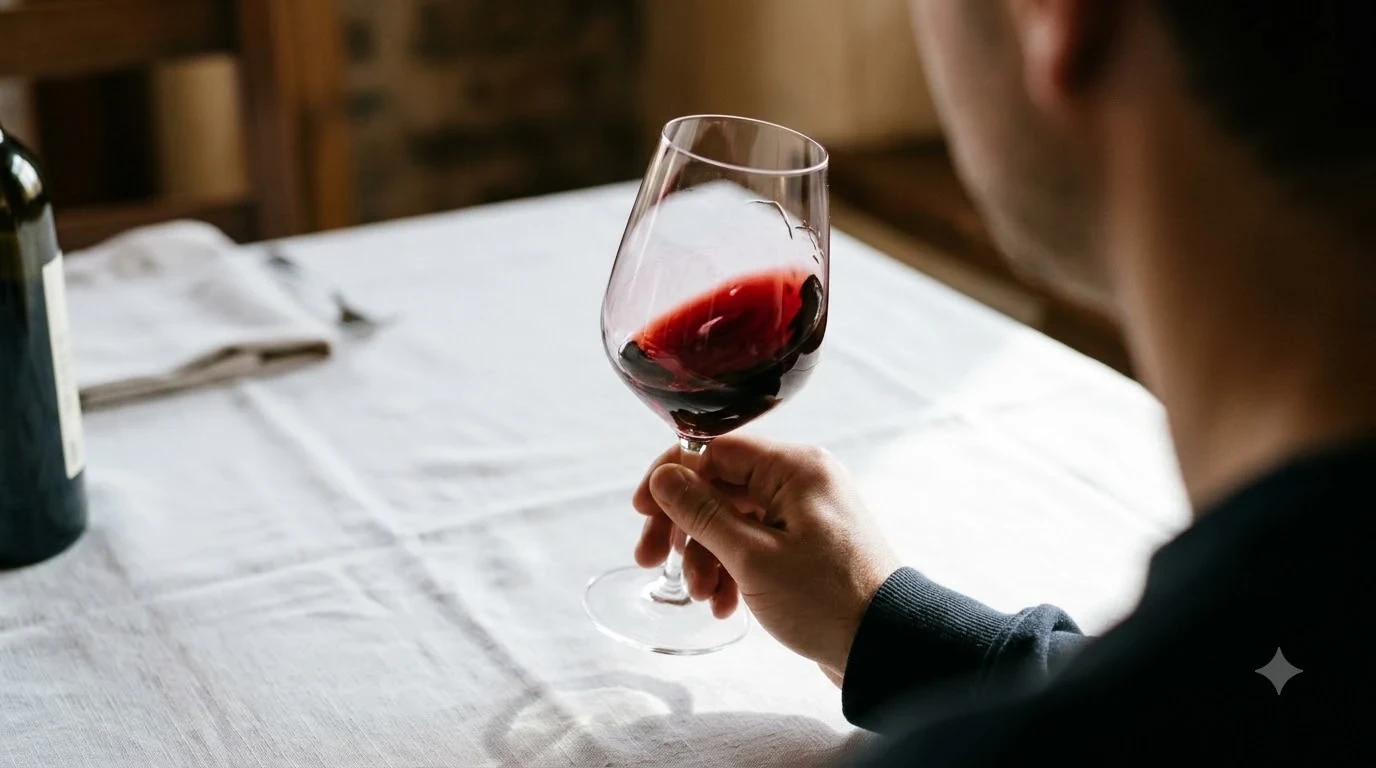
Malbec vs syrah is a comparison of two different dark-skinned grapes that both make full, deeply colored reds. Malbec is best known from Argentina and carries plum, tobacco, and cocoa with medium tannin and lower acidity. Syrah, called shiraz in Australia, is known for dense dark fruit, black pepper, and firmer tannin. Malbec suits a softer, rounder red, and syrah suits a red with more spice and grip.
This guide looks at malbec and syrah as two separate grapes, with their own homes, roles in blends, and food matches. The focus here is the grapes themselves, so you can read a label with more confidence and know what kind of red you are about to open. Syrah is often called shiraz on Australian labels, and both names appear in this article.
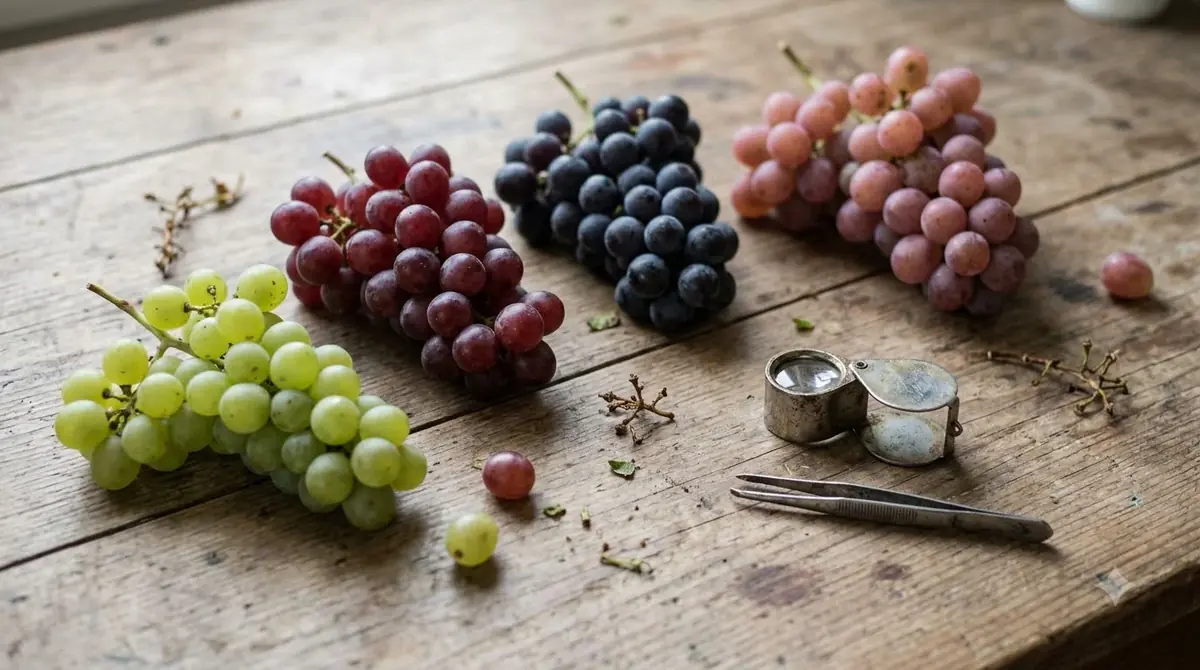
Where Malbec and Syrah Grow
Malbec began in southwest France, where it is also called Côt. It is now best known from Argentina, where Mendoza is the center of its production. The Uco Valley and Luján de Cuyo are often named for top bottlings, and Malbec is the country’s most important grape. Outside Argentina, Cahors in France and Walla Walla in the United States also make notable versions.
Syrah is strongly tied to southeastern France and the Rhône Valley, where it is a central red grape. It is planted widely across the world, and Australia is one of its best-known homes under the name shiraz. Syrah shows up in many regions with different climates, so its style moves quite a bit depending on where the vines grow.
The Roles Each Grape Plays in Blends
Malbec is not always bottled alone. In Bordeaux, malbec is one of the six permitted red grapes, alongside cabernet sauvignon, merlot, and others. In Argentina it is frequently bottled as a single variety, which is one reason it is so easy to find on store shelves. When malbec is blended, it tends to add color and soft fruit to the mix.
Syrah has a long history in blends. In the Rhône Valley it is often paired with grenache and mourvèdre, and in Australia it appears alone or with other reds. A syrah in a blend can add structure, color, and dark fruit, and it often brings the peppery lift that many drinkers look for in a full red.
Flavor and Structure Side by Side
Malbec usually shows red plum, blackberry, vanilla, sweet tobacco, and cocoa. The fruit is generous, and the wine often feels smooth at the finish. Syrah brings blueberry, black plum, milk chocolate, tobacco, and green peppercorn. Its finish is usually longer and more peppery, and the wine can take on savory notes as it ages.
Structure is where the grapes differ most. Malbec has medium tannin and medium-low acidity, so it feels round and easy to approach even when young. Syrah has medium-high tannin and medium acidity. That extra grip gives it a firmer frame, which is useful with food but can feel austere in a young bottle that has not yet opened up.
| Feature | Malbec | Syrah |
|---|---|---|
| Main origin | Southwest France, Argentina (Mendoza) | Southeastern France and the Rhône Valley |
| Common name | Malbec, Côt in France | Syrah, or shiraz in Australia |
| Typical fruit | Red plum, blackberry | Blueberry, black plum |
| Tannin | Medium | Medium-high |
| Acidity | Medium-low | Medium |
| Signature note | Sweet tobacco, cocoa | Black pepper, savory spice |
Tip: If you enjoy a red that is smooth at first sip and friendly with a casual meal, malbec is the safer start. If you like a wine with a peppery finish, syrah will usually be the better fit.
Serving, Decanting, and Keeping
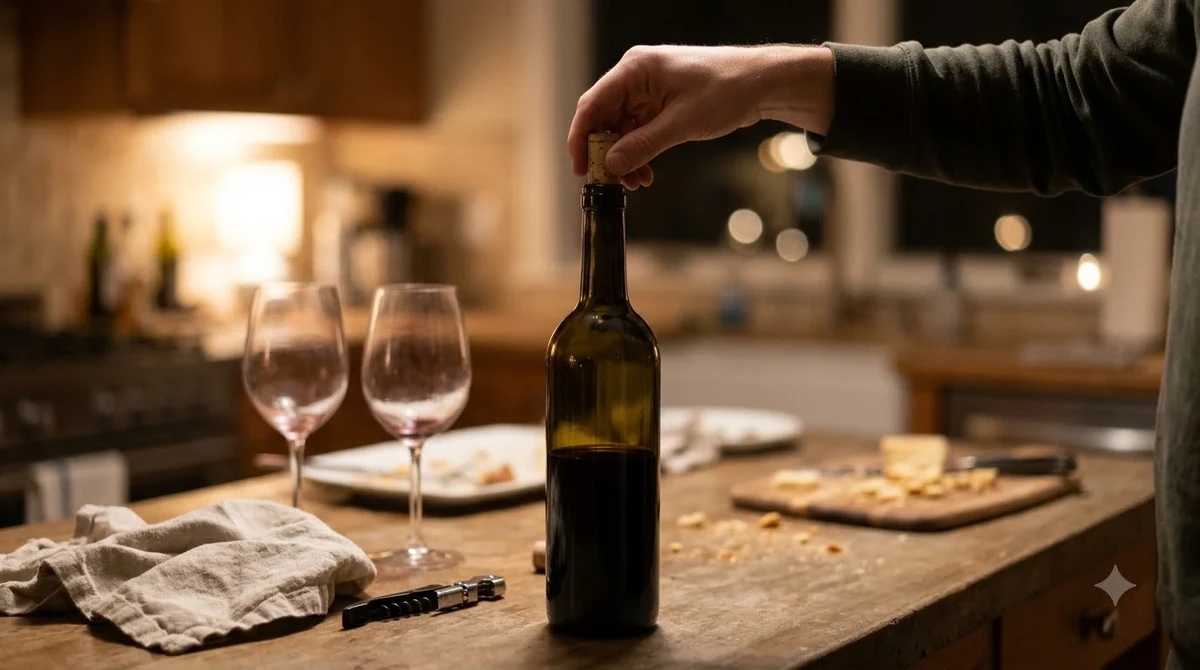
Both grapes are served at a cool room temperature, around 60 to 68 degrees Fahrenheit (15 to 20 Celsius). A large glass gives the aromas room to develop. Malbec usually benefits from about 30 minutes in a decanter, and syrah from roughly an hour, since its firmer tannin takes longer to soften.
Keeping time also differs. Many malbecs are best within five to ten years, while top bottles can develop for longer. Syrah can be cellared for ten years or more, particularly from serious producers. If you are buying a bottle to open soon, a well-made malbec is usually ready sooner than a young syrah.
Pairing Each Grape With Food
Malbec pairs well with grilled and roasted meats, especially leaner cuts, and with melted blue cheese. The wine’s softer tannin keeps it friendly with a simple steak or roast chicken. It also suits casual dinners where the food is not heavily spiced.
Syrah is the better partner for spiced and bold dishes. Lamb shawarma, gyros, Chinese five-spice pork, and tandoori dishes all match its peppery finish and firmer frame. Its tannin also holds up to smoky barbecue and richly seasoned sausages, where a gentler red might fade.
Common Mistakes When Comparing Them
One common mistake is assuming that a dark color means a heavy wine. Malbec can look inky in the glass and still feel smooth and round on the palate. Syrah can look equally dark but show more grip and pepper. The color alone does not tell you the structure, so check the tasting notes or producer description when you can.
Another mistake is serving either wine too warm. Both taste heavier and less fresh when they sit near room temperature in a hot dining room, so bring them to a cool setting before pouring. A short rest in the glass can also help a young syrah open up, while a malbec often tastes ready straight from the bottle.
Finally, do not judge a grape by one bottle. Malbec from Mendoza and malbec from Cahors can differ, and so can syrah from the Rhône and syrah from Australia. Try a few bottles from different regions before deciding which style you like best.
Choosing Between Malbec and Syrah
Choose malbec if you want a red that is generous, approachable, and easy to share. It is a practical choice for a weeknight meal, and it often offers good value from Argentina. Look for Mendoza on the label if you want the country’s classic style.
Choose syrah if you prefer a red with grip and spice. Australian shiraz tends to be riper and more generous, while French syrah is often more savory and herbal. A label that names the Rhône Valley usually points to a more structured bottle. For a plain-language overview of the grape, the Wine Folly syrah guide covers its flavor, styles, and pairings.
Frequently Asked Questions
Is malbec the same grape as syrah?
No. Malbec and syrah are separate grapes with different origins and profiles. Syrah is also called shiraz in Australia, which is a separate name from malbec.
Which is more tannic, malbec or syrah?
Syrah usually has the firmer tannin, described as medium-high, while malbec is typically medium. That difference is why syrah often feels more structured.
Can I use malbec or syrah in cooking?
Both work in braises and pan sauces. Malbec gives a rounder, fruitier sauce, while syrah adds more pepper and structure, so choose based on the flavor you want.
Which is better for a gift?
Either can be a good gift. Malbec is a popular choice for a relaxed dinner, while a well-made syrah suits someone who enjoys bold, spicy reds.
Malbec and syrah both bring depth to a glass, but they take different routes to get there. Malbec offers plum and softness, while syrah brings pepper and structure. Check the origin on the label, consider the meal, and then decide which style to open. For more comparisons between red grapes, see the pinot noir vs syrah guide or the malbec vs shiraz comparison.
More in Wine vs Wine
 Nero d’Avola vs Pinot Noir: Taste, Body, and Pairing DifferencesUpdated Nov 21, 2026
 Chenin Blanc vs Pinot Blanc: Key Differences in Taste, Acidity, and PairingsUpdated Nov 21, 2026
 Chardonnay vs Shiraz: Key Differences in Taste, Serving, and PairingUpdated Nov 21, 2026
 Chardonnay vs Verdejo: How Spain’s Crisp White Compares to the World’s ChameleonUpdated Nov 21, 2026
 Chardonnay vs Sancerre: Key Differences in Taste, Grapes, and PairingUpdated Nov 21, 2026
 Chardonnay vs Malbec: Key Differences in Taste, Body, and PairingUpdated Nov 21, 2026