

We may earn a commission when you buy through links on this page, at no extra cost to you. Learn more.
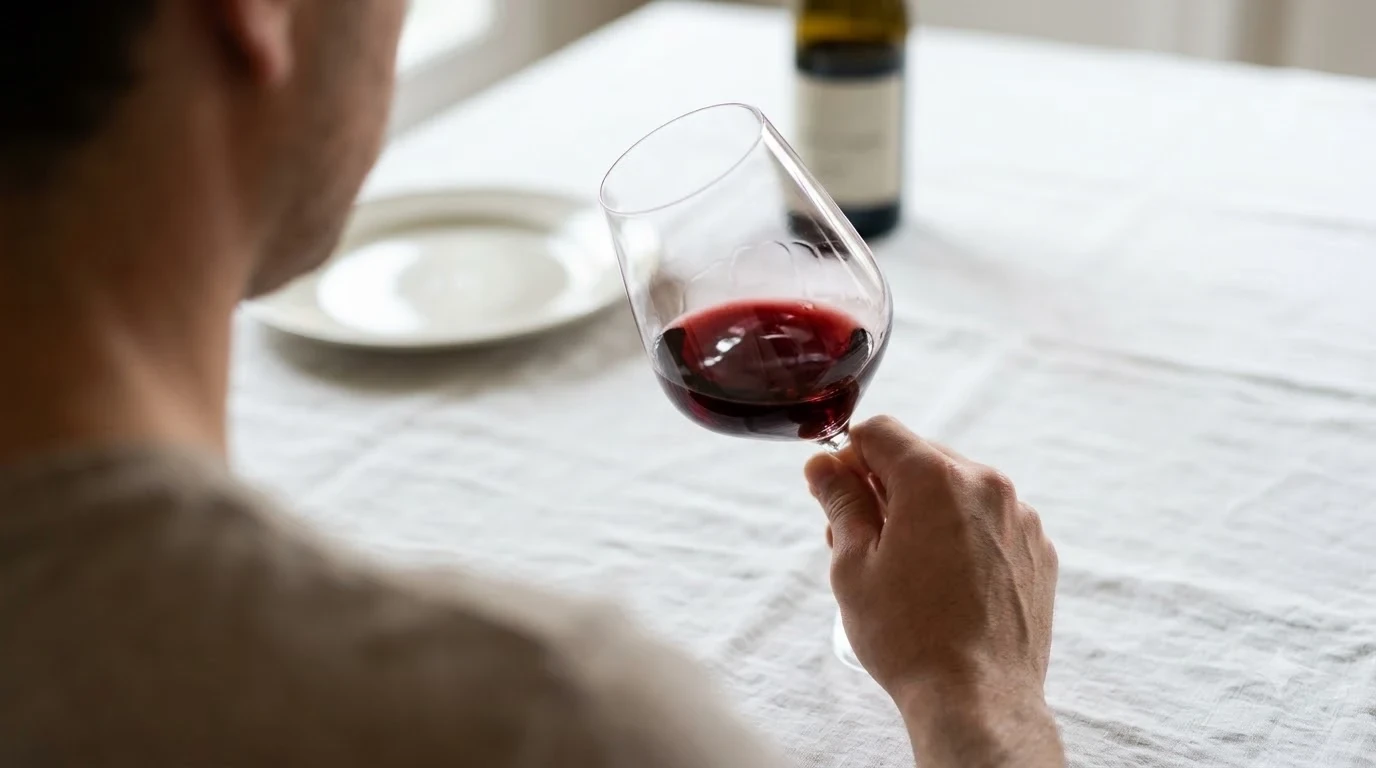
Malbec vs shiraz comes down to two full-bodied reds with different roots: malbec is the signature grape of Argentina, while shiraz is the Australian name for syrah. Malbec tends to be plush and plum-rich with softer tannin and lower acidity. Shiraz usually shows denser dark fruit, more pepper, and firmer tannin. Choose malbec for a smooth, easy-drinking red at dinner, and choose shiraz for a bolder wine with spice.
This guide compares malbec and shiraz on flavor, structure, serving, and food, and explains why the two are often confused on wine lists. The names are part of the puzzle. Shiraz and syrah are the same grape, so a shiraz from Australia and a syrah from the Rhône come from the same vine, shaped by different places and winemakers.
Where These Two Reds Come From
Malbec is a dark-skinned grape with deep roots in southwest France, where it is also known as Côt. It found its largest home in Argentina, and Mendoza is now the center of its reputation. The Uco Valley and Luján de Cuyo are often named for top bottlings. Malbec is Argentina’s most important grape, and many drinkers first meet it through a bottle from that country.
Shiraz is the name used in Australia for syrah, one of the most widely planted red grapes in the world. DNA work links the grape to southeastern France and the Rhône Valley, where it is called syrah. Australian shiraz is typically fuller and fruitier, while the French and Italian versions often show higher acidity and more earthy, herbal aromas. The name on the label, then, often hints at the style.
Flavor Profile: Plum Versus Pepper
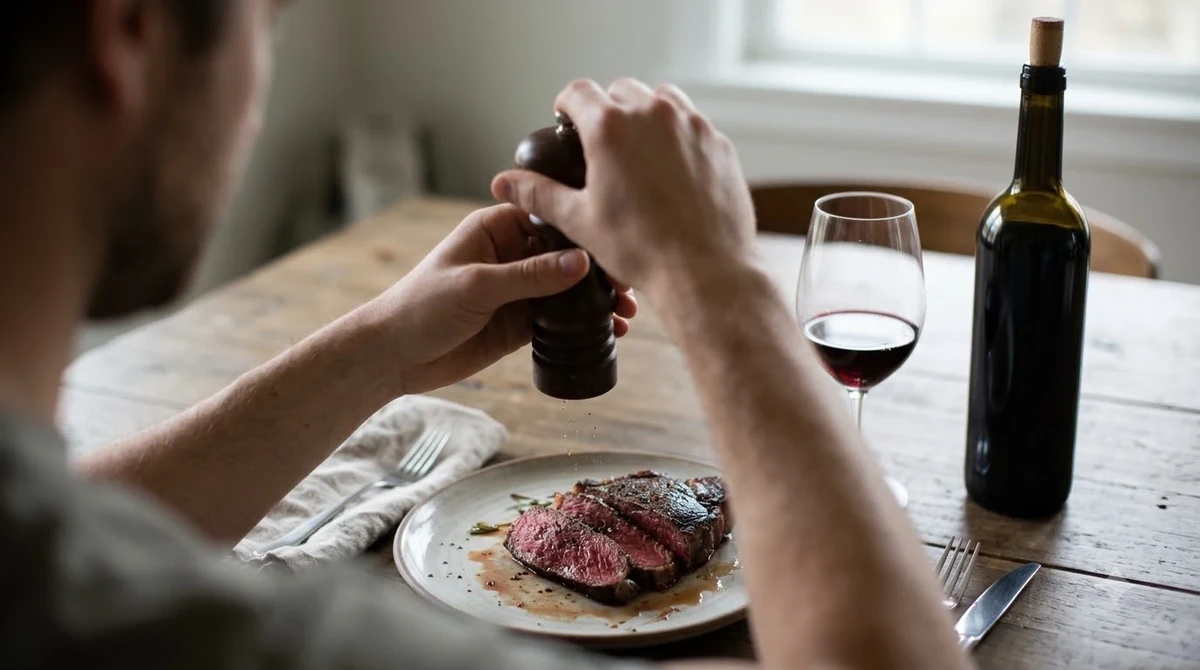
Malbec usually shows red plum, blackberry, vanilla, sweet tobacco, and cocoa. The fruit often feels softer and rounder than in many reds, and oak aging adds a vanilla sweetness that many people enjoy. The finish tends to be smooth rather than sharp, which makes malbec a friendly choice for someone new to full reds.
Shiraz is more concentrated. Blueberry, black plum, and milk chocolate come first, followed by tobacco and green peppercorn. Many shiraz bottlings carry a peppery lift at the finish, and the wine can feel more savory than a typical malbec. Both wines can be dark and rich, but shiraz often has the stronger spice line.
| Feature | Malbec | Shiraz (syrah) |
|---|---|---|
| Typical fruit | Red plum, blackberry, cocoa | Blueberry, black plum, milk chocolate |
| Tannin | Medium | Medium-high |
| Acidity | Medium-low | Medium |
| Body | Full | Full |
| Signature note | Sweet tobacco and vanilla | Black pepper and savory spice |
Tip: If a bottle is labeled Shiraz and comes from Australia, expect a riper, spicier style. If the label says Syrah from France, expect more acidity and earthy character.
Structure: Tannin, Acidity, and Body
Both wines are full in body and sit near the same alcohol range, usually between 13.5 and 15 percent. The real difference is in the structure. Shiraz tends to carry more tannin, so it can grip the palate and benefit from food. Malbec’s tannin is softer, which is why it often feels approachable even when the wine is young.
Acidity also separates them. Malbec usually sits at the lower end of the range, which gives it a rounder finish. Shiraz has more lift, and that lift helps balance its dark fruit and spice. For a dinner table, shiraz can cut through rich dishes, while malbec can match them with a softer texture.
Regional Styles Within Each Grape
Both grapes change a great deal with place. In Argentina, malbec from Mendoza’s Uco Valley and Luján de Cuyo is often described as especially aromatic and well structured, and the Wine Folly profile notes that Walla Walla in Washington and Cahors in France also make notable versions. Because the grape has such different homes, the origin on the label tells you a lot about what to expect in the glass.
Shiraz follows the same pattern. Australian shiraz is usually riper and more generous, with the warm-climate fruit that many people associate with the country’s wine. Syrah from the northern Rhône or from Italy often comes with more acidity, floral notes, and savory herbs. Producer notes on climate and vineyard site are a useful clue, since a cooler site usually gives a fresher line than a warm one.
How to Serve Each Wine
Both reds do well at about 60 to 68 degrees Fahrenheit (15 to 20 Celsius). Serve them in a large glass so the aromas open. Decanting helps both, although the time differs: malbec often benefits from about 30 minutes, while a firmer shiraz may take closer to an hour.
Storage follows the style. Many everyday malbecs are best within a few years of release, while better bottles can develop for five to ten years. Shiraz can age for a decade or more, especially from premium producers, because its tannin and acidity give it the structure to hold up over time.
Food Pairings for Malbec and Shiraz
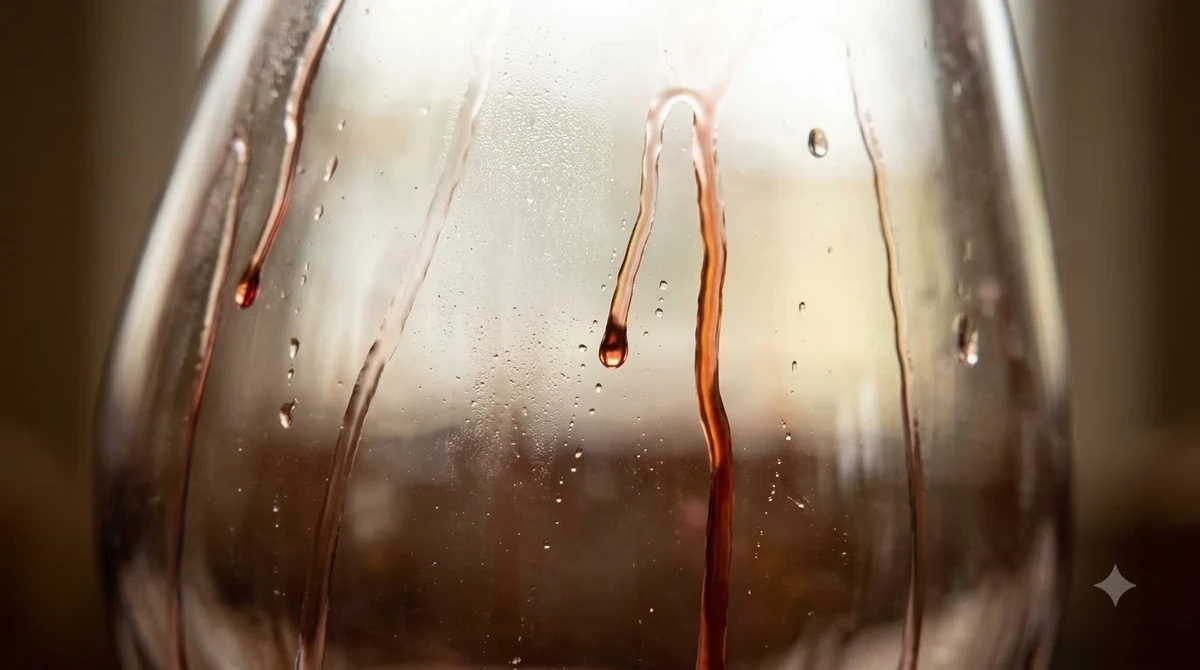
Malbec works with grilled and roasted meats, especially leaner cuts. A simple steak, roast chicken with herbs, or a blue cheese burger suits its soft tannin and plum character. Melted blue cheese is a classic match because the cheese’s salt and tang bring out the wine’s dark fruit.
Shiraz is a better partner for big flavors. Grilled lamb, smoked brisket, and spiced sausages stand up to its tannin and pepper. Dishes with warm spice, such as lamb shawarma, gyros, or Chinese five-spice pork, pair well with the wine’s peppery finish. Shiraz can also handle a bold barbecue sauce, which would overwhelm a gentler malbec.
When you compare a malbec and a shiraz side by side, pour a small amount of each into two glasses and taste them in turn. Start with the nose, then the first sip, and then the finish. The malbec will usually feel rounder in the middle, while the shiraz will show a clearer pepper note near the end. That exercise makes the difference easier to remember than any written description.
How to Choose Between Them
Pick malbec if you want a red that is easy to drink with a casual meal and does not need much time to open up. It is a good choice for people who find some reds too firm, and it often gives strong value from Argentina. Look for Mendoza or Uco Valley on the label if you want a more specific style.
Pick shiraz if you want a red with spice and a longer, more intense finish. Australian shiraz is generally the riper, fruit-forward style, while French or Italian syrah is more savory and herbal. If you are unsure, a bottle from a cool-climate producer gives you a useful middle ground. For a plain-language overview of malbec, the Wine Folly malbec guide covers the grape’s regions and food matches.
Frequently Asked Questions
Is shiraz the same as syrah?
Yes. Syrah is the name used in most of the world, and shiraz is the common name in Australia. The two names refer to the same dark-skinned grape, although winemaking and climate shape the final style.
Is malbec sweeter than shiraz?
Neither wine is sweet in the usual sense. Malbec can taste rounder and fruitier because of its plum and vanilla notes, while shiraz tends to taste spicier and more concentrated.
Which one should I serve with steak?
Both work well. Malbec suits a simple steak with a softer finish, while a bold shiraz stands up to a heavily seasoned or charred cut.
How long can I keep a bottle?
Many everyday bottles of either wine are best within a few years. Premium malbec and shiraz can age for five to ten years or more, depending on the producer and vintage.
Malbec and shiraz are both full, dark reds, but they speak in different voices. Malbec is smooth and plush, while shiraz is spicy and intense. Use the label to read the origin, then match the wine to the food. To keep exploring how popular reds compare, see the merlot vs shiraz comparison or the wine vs wine guide.
More in Wine vs Wine
 Nero d’Avola vs Pinot Noir: Taste, Body, and Pairing DifferencesUpdated Nov 21, 2026
 Chenin Blanc vs Pinot Blanc: Key Differences in Taste, Acidity, and PairingsUpdated Nov 21, 2026
 Chardonnay vs Shiraz: Key Differences in Taste, Serving, and PairingUpdated Nov 21, 2026
 Chardonnay vs Verdejo: How Spain’s Crisp White Compares to the World’s ChameleonUpdated Nov 21, 2026
 Chardonnay vs Sancerre: Key Differences in Taste, Grapes, and PairingUpdated Nov 21, 2026
 Chardonnay vs Malbec: Key Differences in Taste, Body, and PairingUpdated Nov 21, 2026