

We may earn a commission when you buy through links on this page, at no extra cost to you. Learn more.
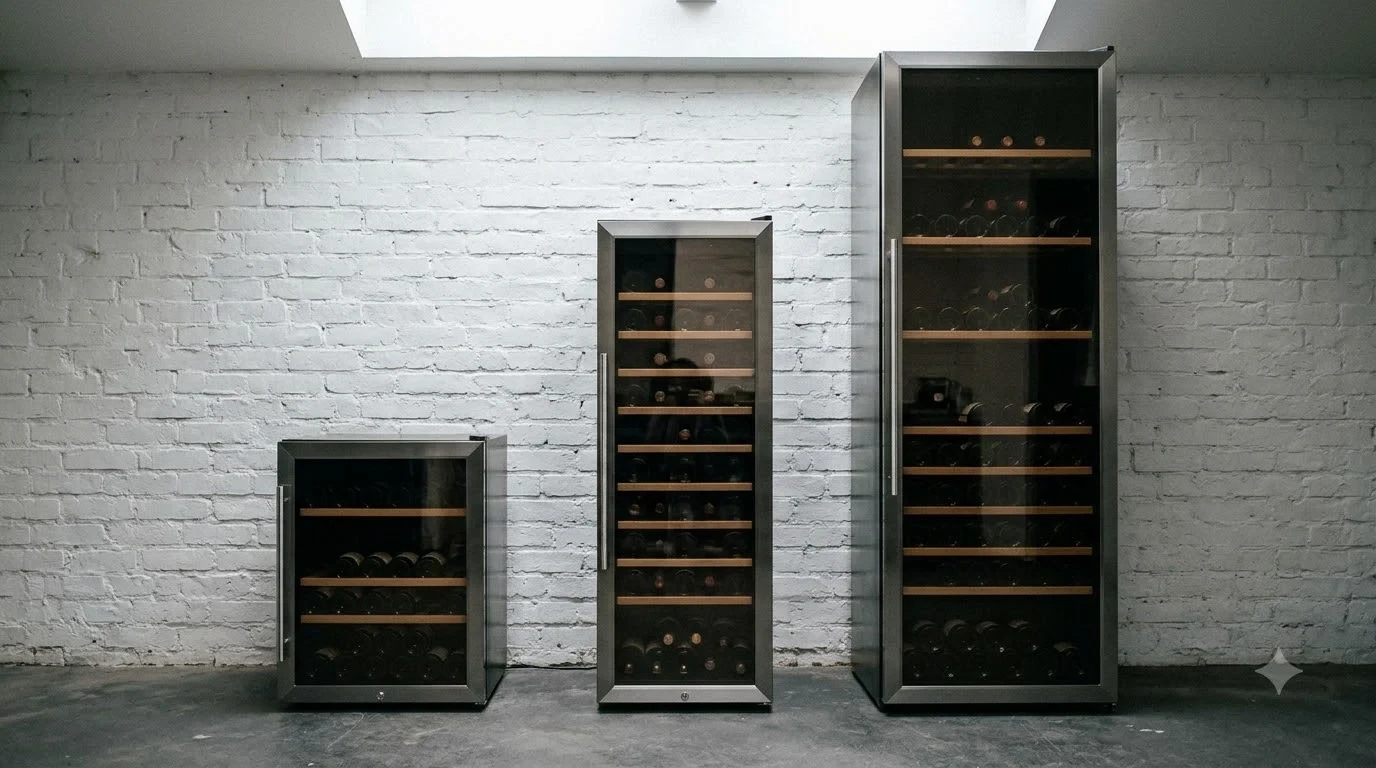
The best wine cooler under 200 is a compact freestanding unit—either a whisper-quiet thermoelectric model for 6 to 12 bottles in a climate-controlled room or a small compressor fridge for 12 to 24 bottles when you need deeper chilling for whites and sparkling wines. Budget models prioritize reliable short-to-medium-term serving temperatures over long-term cellar aging or flush built-in cabinetry. Choosing the right category comes down to your room temperature, how many bottles you keep on hand, and whether you prioritize silent operation or colder cooling power.
A standard kitchen refrigerator runs far too cold and dry for wine, stripping aromas and risking cork shrinkage, while a warm pantry accelerates oxidation. Entry-level wine fridges solve that gap without requiring a major kitchen remodel, provided you match the cooling mechanism and cabinet footprint to how you actually drink.
Quick Comparison
Budget wine refrigerators fall into five distinct functional categories depending on cooling hardware, bottle count, and placement.
| Cooler Type | Cooling System | Typical Capacity | Best Placement | Primary Strength |
|---|---|---|---|---|
| Countertop Thermoelectric | Solid-state Peltier | 6 to 8 bottles | Kitchen counter, bar cart | Near-silent, zero compressor vibration |
| Compact Compressor | Refrigerant compressor | 12 to 24 bottles | Floor, pantry, side table | Reaches colder temps for whites and bubbly |
| Slimline Narrow-Profile | Thermoelectric or mini compressor | 8 to 12 bottles | Tight kitchen gaps, studio apartments | Footprint under 11 inches wide |
| Dual-Zone Entry | Dual thermoelectric chips | 12 to 18 bottles | Dining room, home office | Separate temps for reds and whites |
| Chilling Sleeve & Table Cooler | Freezable gel or insulated steel | 1 bottle at a time | Dining table, patio, picnic | Instant tabletop service without electricity |
Best for Quiet Countertop Storage: 6- to 8-Bottle Thermoelectric Coolers
Compact thermoelectric wine coolers use solid-state heat pumps instead of moving mechanical parts, making them virtually silent and vibration-free on a kitchen counter or home office credenza. They excel at holding a small rotation of everyday bottles at steady cellar or red-wine serving temperatures.
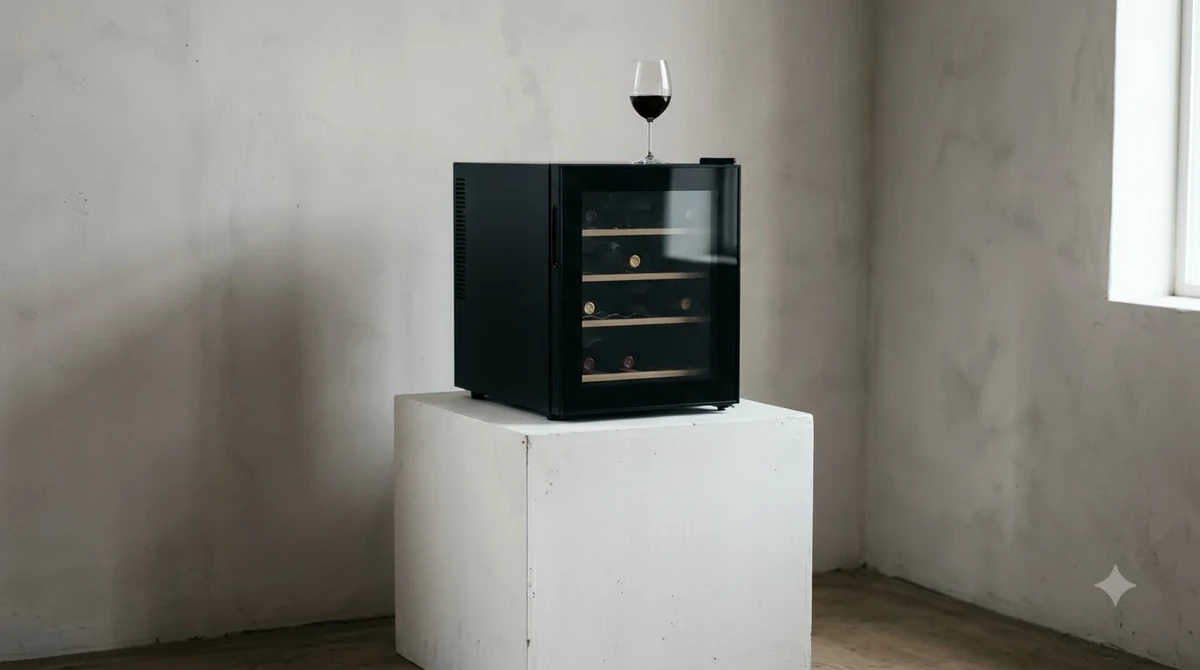
Why it stands out: Because there is no refrigerant compressor cycling on and off, these units produce minimal hum and avoid shaking wine sediment, a preservation factor Wine Enthusiast’s buying guide highlights as key to protecting bottle quality. Their lightweight cabinets—often around twenty pounds—also make them easy to move when rearranging a kitchen or moving apartments.
Keep in mind and best for: Solid-state cooling chips only drop internal temperatures roughly 20 degrees below the surrounding room, so they struggle to chill crisp whites in warm spaces above 75°F. Pick this type if you live in an air-conditioned apartment, keep 6 to 8 bottles ready for weeknight dinners, and refuse to tolerate appliance noise near your living area.
Best for Crisp Whites and Higher Capacity: 12- to 24-Bottle Compressor Fridges
Freestanding mini compressor wine fridges operate like miniature refrigerators, using refrigerant coils to pull interior temperatures down into the low 40s regardless of summer heat. In this budget tier, they deliver the highest bottle-per-inch storage density and the strongest chilling performance.
Why it stands out: Unlike thermoelectric boxes, a compressor unit easily hits the 40°F to 45°F range needed for Champagne, Pinot Grigio, and Sauvignon Blanc, even if your kitchen warms up while cooking. Reviewers at major appliance publications consistently note that compressor models recover temperature faster after you open the door during a dinner party.
Keep in mind and best for: You will hear a soft mechanical hum when the compressor kicks on, and the cabinet must stand upright for several hours before plugging in so refrigerant oils settle. Choose this category if you drink mostly white, rosé, or sparkling wine, or if you buy wine by the case and want room for up to two dozen bottles—or explore best wine cooler under 300 options if you need heavier wooden shelving.
Best for Tight Spaces and Apartments: Slimline Narrow-Profile Coolers
Slimline wine coolers trade width for vertical height, packing 8 to 12 bottles into cabinets measuring roughly 10 to 11 inches wide. They slide neatly beside a refrigerator, into a pantry alcove, or onto the end of a narrow galley counter where standard square units will not fit.
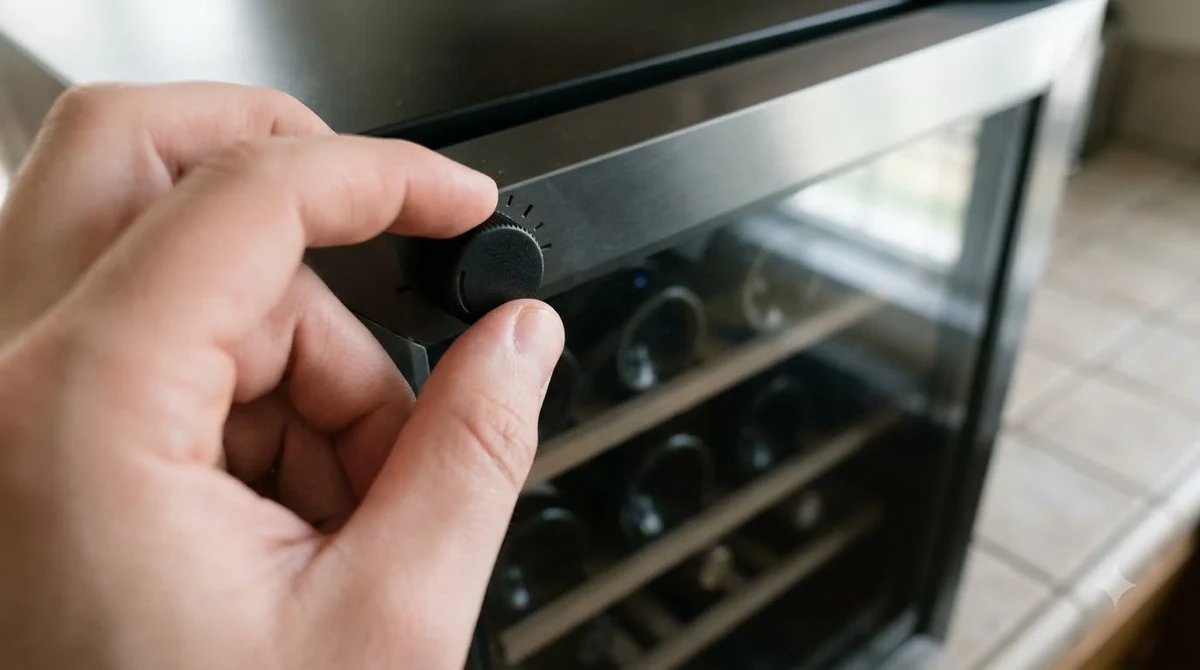
Why it stands out: By stacking bottles in single-bottle or two-bottle columns rather than wide rows, slimline units preserve valuable counter and floor real estate in urban kitchens. Several narrow models also include a vertical standing rack at the bottom or top, allowing you to chill opened bottles with a stopper inserted without worrying about cork leaks.
Keep in mind and best for: Narrow wire racks leave very little side-to-side clearance, meaning wide-shouldered Burgundy, Pinot Noir, and Champagne bottles often require removing a shelf and sacrificing total capacity. This style is ideal for studio dwellers or anyone filling an awkward gap in a home bar.
Best for Storing Reds and Whites Together: Entry-Level Dual-Zone Coolers
Budget dual-zone wine fridges split a compact 12- to 18-bottle cabinet into two independently controlled compartments separated by an insulated divider. This layout lets you keep whites chilled for immediate pouring in one section while holding reds near cellar temperature in the other.
Why it stands out: According to Wine Folly’s storage and serving temperature research, white wines shine around 45°F to 55°F while reds show their best aromatics between 60°F and 68°F. Having two digital thermostats prevents you from serving icy, muted Cabernet or overly warm Chardonnay out of the same single-temp box.
Keep in mind and best for: At this budget level, dual-zone models almost always rely on dual thermoelectric modules rather than twin compressors, so the upper and lower zones influence each other slightly and work best in temperate rooms. Buy this type if you regularly open both red and white bottles on the same weekend and want grab-and-pour convenience without extra prep.
Best for Tabletop Chilling and Outdoor Hosting: Non-Electric Chilling Sleeves and Insulated Coolers
When you do not need permanent plugged-in storage, non-electric tabletop wine coolers—such as freezable gel sleeves, double-walled vacuum-insulated stainless steel chillers, and ice-insert vessels—keep a single open bottle cold right on the dining table or patio.
Why it stands out: Zero electricity, zero footprint, and zero maintenance make tabletop chillers effortless for backyard dinners, picnics, or households that only open one bottle at a time. Double-walled steel cylinders prevent condensation rings on wooden tables, while freezer-gel sleeves can drop a room-temperature white wine to serving temperature in roughly 15 to 20 minutes.
Keep in mind and best for: These accessories only hold one standard 750 mL bottle—roughly the equivalent of how many glasses in a bottle of wine you would pour for two to four guests—and cannot protect a multi-bottle stash over weeks or months. Choose one if you lack counter space for an appliance or want a portable companion to your main fridge.
How to Choose
Match the cooling technology to your room temperature: Thermoelectric coolers work reliably in rooms kept at or below 72°F, making them great for living areas and offices. If your wine corner sits near a sunny window, stove, or unconditioned hallway, a compressor unit is far more dependable.
Verify external clearance and venting: Virtually every wine fridge in this tier is freestanding, meaning it exhausts heat through the back or sides rather than a front toe-kick grille. Leave at least two to three inches of open air around the rear and sides, and never seal a freestanding model inside tight cabinetry.
Plan for real-world bottle shapes: Manufacturer capacity numbers assume slim, straight-sided Bordeaux bottles. If your rack holds plump Champagne, Alsace flutes, or wide Pinot Noir bottles, expect real capacity to drop by 20 to 30 percent unless the wire shelves slide out or lift out cleanly.
Check door glass and interior lighting: Look for double-pane tinted or mirrored glass doors to block UV light, paired with cool LED interior bulbs that illuminate labels without radiating heat onto the top shelf.
Tip: Set a single-zone wine fridge to 55°F if you store a mix of reds and whites for future dinners—pull whites out 20 minutes early to chill in the kitchen fridge, and let reds warm slightly on the counter before pouring.
Frequently Asked Questions
Can you put a freestanding wine cooler under a kitchen counter?
Only if you leave generous ventilation gaps—typically three to four inches on the sides, top, and rear—so heat can escape. True zero-clearance undercounter installation requires front-venting exhaust grilles, a feature usually reserved for higher tiers like the best wine cooler under 1000.
Are budget wine coolers good for aging wine for several years?
Entry-level coolers are designed for short- to medium-term storage over weeks or months rather than multi-year cellaring. They lack active humidity reservoirs and charcoal air filtration, though keeping bottles at a steady 55°F still protects wine far better than a warm kitchen cabinet.
How noisy is a small compressor wine fridge compared to a thermoelectric one?
Thermoelectric models produce only a faint fan whisper, similar to a quiet laptop, because they contain no compressor pump. Compact compressor fridges emit a soft refrigerator-like hum when cycling on, which is unobtrusive in a kitchen but noticeable in a silent bedroom or study.
Why does my wine fridge hold fewer bottles than the listed capacity?
Manufacturers calculate capacity using uniform 750 mL Bordeaux bottles arranged neck-to-base on every shelf. Wider Burgundy, Rhône, and sparkling wine bottles require extra spacing, often reducing practical capacity by two to four bottles unless you remove a rack.
Finding the right entry-level wine refrigerator comes down to balancing silence against raw cooling muscle and leaving enough clearance for proper airflow. If you want to compare additional capacity tiers and cabinet styles across every price bracket, browse our complete guide to wine fridges By budget.
More in Wine Fridges by Budget
 Best Wine Cooler Under 1000 by Cooling Type and RoomUpdated Nov 18, 2026
 Best Wine Cooler Under 100 for Chilled PoursUpdated Nov 18, 2026
 Best Wine Fridge Under 500: Top Cooler Types for Every Home SetupUpdated Nov 18, 2026
 Best Wine Cooler Under 300 for Reliable Home StorageUpdated Nov 18, 2026
 Best Wine Fridge Black Friday: How to Choose a Unit That FitsUpdated Nov 18, 2026