

We may earn a commission when you buy through links on this page, at no extra cost to you. Learn more.
The best aerator pourer for most home drinkers is a Venturi-style in-bottle spout with a multi-ribbed silicone stopper and a notched, drip-free lip. This compact design slips straight into the bottle neck, draws oxygen into the stream as you tilt, and lets you serve one-handed without waiting for a decanter. For tighter budgets or casual weeknight glasses, a simple single-chamber acrylic pourer handles the basics with minimal cleanup, while dinner hosts and collectors with aged bottles will do better with multi-stage chambers, built-in sediment screens, or push-button electric dispensers.
Young, tannic red wines like Cabernet Sauvignon, Syrah, and Malbec often taste tight and astringent right after the cork comes out. An aerator pourer solves that bottleneck by increasing the wine’s surface area and mixing air directly into the liquid during the two seconds it takes to fill a glass. Instead of sitting a bottle on the counter for an hour, you get softened tannins, lifted fruit aromas, and a cleaner pour in a single motion—though picking the right style depends on how you serve, store, and clean your gear.
Quick Comparison
Different aerator pourer designs trade off oxygen intake, one-handed ease, sediment filtering, and cleanup effort depending on how you serve wine at home.
| Aerator Pourer Type | Aeration Intensity | Pouring Style | Sediment Filtration | Cleanup Effort |
|---|---|---|---|---|
| Venturi In-Bottle Spout | Moderate to high | One-handed from bottle | Rarely included | Quick warm-water rinse |
| Multi-Chamber / Dual-Intake Spout | High | One-handed from bottle | Sometimes included | Disassemble and rinse |
| Sediment-Screening Pourer | Moderate | One-handed or over-glass | Fine mesh screen | Rinse and brush screen |
| Electric Dispenser Pourer | High and consistent | One-button hands-free | Intake tube mesh | Flush water through tube |
| 2-in-1 Stopper & Pourer | Low to moderate | One-handed with cap | Rarely included | Simple rinse |
Best for Everyday Weeknight Pours: Venturi-Style In-Bottle Spout
A classic Venturi-style in-bottle spout is the most reliable all-around option for weeknight wine drinkers who want fast aeration without extra glassware. It seats inside the neck of a standard bottle and uses internal narrowing to pull air through side intake holes as wine flows past.
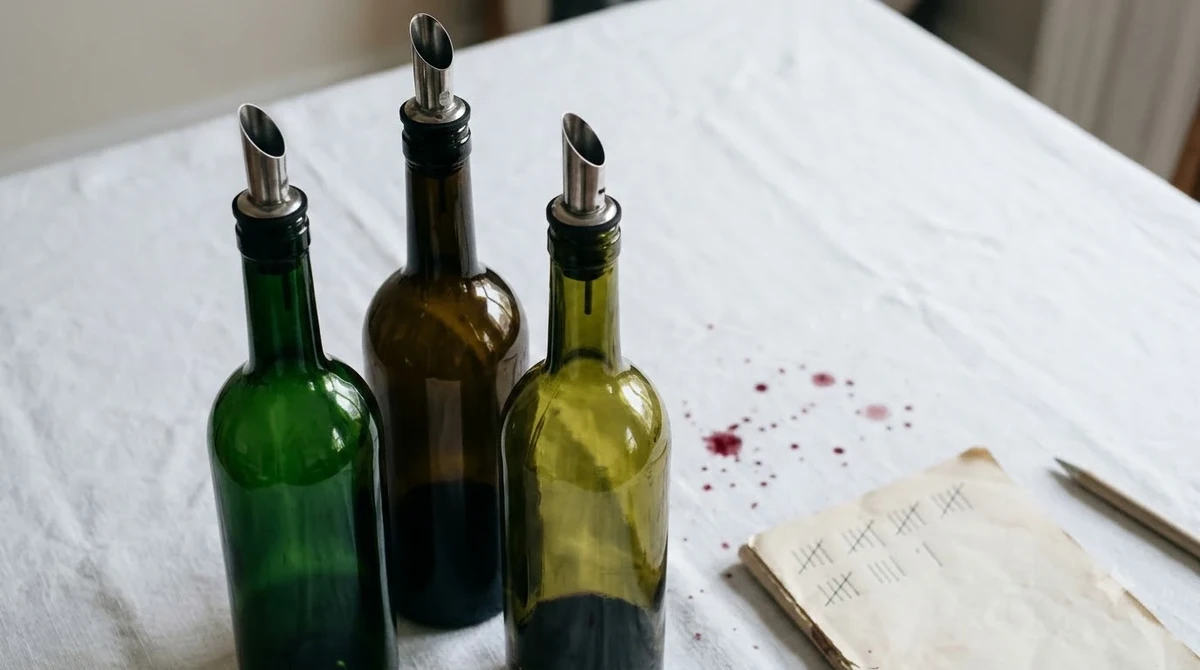
Why it stands out: According to Wine Enthusiast, in-bottle pourers deliver rapid oxygenation with less manual effort than handheld funnels because the device stays mounted in the neck between glasses. As the wine accelerates through the narrow inner channel, lower fluid pressure draws oxygen through tiny air ports—a fluid-dynamics principle known as the Bernoulli effect—creating a soft hissing sound and visible micro-bubbles in the stream. A slanted, notched lip cuts the flow cleanly at the end of each tilt, keeping red droplets off white tablecloths and countertops.
Keep in mind and best for: Single-piece acrylic bodies can trap dried red residue inside narrow air channels if left unwashed overnight, so rinsing under warm tap water right after dinner is essential. Most models in this category also omit fine mesh filters, meaning tartrate crystals or crumbled cork from older bottles will pass straight into your glass. Choose this style if you regularly open young, full-bodied reds on Tuesday nights and want a compact wine aerator that tucks easily into a kitchen drawer.
Best for Bold, High-Tannin Reds: Multi-Chamber Dual-Intake Pourer
When a young Napa Cabernet, Barolo, or Tannat feels overly grippy on the palate, a multi-chamber or dual-intake pourer forces significantly more air into the stream than a basic single-hole spout. These units use internal baffles, umbrella diffusers, or twin air intakes to break the wine into thin sheets before it exits the spout.
Why it stands out: Reviewers at wine publications consistently note that increasing surface-area exposure is what separates effective aerators from novelty spouts. By splitting the liquid across two or more internal stages, dual-intake designs expose far more wine to oxygen in a two-second pour, helping volatile sulfur compounds and sharp ethanol fumes dissipate before the wine hits your glass. Many models also twist apart into two or three pieces, giving you direct access to the inner chamber with a small bottle brush.
Keep in mind and best for: More complex internal geometry adds slight weight and length to the top of the bottle, which can feel top-heavy during the first pour from a full 750-milliliter bottle. Taking the unit apart for thorough drying also takes an extra thirty seconds compared to one-piece spouts. This type is best for drinkers who favor structured, high-tannin reds and want maximum softening without pulling out a traditional glass wine decanter with aerator.
Best for Older Vintages and Unfiltered Bottles: Sediment-Screening Aerator Pourer
A sediment-screening aerator pourer pairs an oxygen-mixing chamber with a removable fine mesh strainer to catch tartrate crystals, grape solids, and broken cork fragments. It bridges the gap between instant bottle-top convenience and the clarifying role of a tabletop decanter.
Why it stands out: Wine Enthusiast notes that the primary functional difference between red and white aerator designs is the presence of a fine filter screen built to trap fermentation sediment common in older reds. Having that mesh integrated directly into the pourer path keeps gritty particles out of your glass when you do not have time to stand a bottle upright for hours before dinner. In addition, the screen helps diffuse the wine stream evenly across the aeration chamber, preventing splashing when you tilt the bottle quickly.
Keep in mind and best for: Delicate, aged reds—such as a twenty-year-old Bordeaux or mature Pinot Noir—carry fragile tertiary aromas of dried fruit and forest floor that aggressive turbulence can strip away. Reserve the aeration chamber for full-bodied bottles with moderate sediment, and remember to rinse the mesh screen promptly so trapped solids do not dry onto the wire or nylon weave. Pick this design if you frequently open unfiltered reds or older cork-finished bottles and want clean, grit-free glasses on the spot.
Best for Dinner Parties and Hands-Free Serving: Electric Dispenser Aerator
An electric dispenser aerator sits atop the open bottle with a thin dip tube reaching the bottom and pumps aerated wine into your glass at the press of a button. Rather than relying on gravity and bottle tilt, a quiet internal motor mixes air and liquid at a controlled, repeatable pace.
Why it stands out: For hosts pouring six or eight glasses around a crowded dining table, push-button dispensing eliminates heavy bottle lifting, wrist fatigue, and accidental over-pours. Built-in air valves let you toggle aeration on or off depending on whether you are serving a tight young Syrah or a delicate Pinot Noir that needs less oxygen. Because the spout stays upright and stops flow the instant you release the button, drips down the side of the bottle are virtually nonexistent.
Keep in mind and best for: Unlike passive acrylic spouts, electric units require USB charging or fresh AAA batteries, and you must flush clean water through the dip tube after each session so sticky residue does not clog the pump. They also sit several inches taller than standard pourers, so an open bottle will not fit upright on a standard refrigerator shelf with the unit attached. This style is ideal for frequent entertainers, outdoor patio gatherings, or anyone with limited grip strength who wants effortless, drip-free service.
Best for Single-Glass Sippers: 2-in-1 Aerator Pourer and Stopper
A 2-in-1 aerator pourer and stopper combines a modest air-infusing spout with a hinged flip cap or tethered plug that seals the bottle between pours. As Vacu Vin highlights in its pourer guide, pairing drip-free pouring precision with an integrated closure keeps serving tidy and straightforward when you are not finishing the whole bottle in one sitting.
Why it stands out: When you only want one glass on a Wednesday evening, swapping between a pourer and a separate cork or vacuum stopper adds unnecessary clutter. A flip-top or plugged aerator spout stays seated in the bottle neck from the first pour to the last, shielding leftover wine from dust, fruit flies, and excess air exposure once you are done serving. Its low-profile silhouette also fits easily inside most fridge doors or wine chillers without requiring removal.
Keep in mind and best for: Because the air channels in compact 2-in-1 spouts are smaller than those in dedicated multi-chamber units, they provide gentler aeration—plenty for medium-bodied Merlot or Tempranillo, though less dramatic on massive, youthful Cabernet. Keep in mind that a simple flip cap is not an airtight preservation system, so check how long does red wine last after opening before leaving a half-empty bottle on the counter for several days. Choose this option if you drink by the glass and value tidy storage alongside quick aeration.
How to Choose
Matching an aerator pourer to your drinking habits comes down to four practical build details rather than flashy packaging.
- Bottle-neck seal and stopper ribs: Look for a tapered food-grade silicone or rubber gasket with at least three flexible ridges. Standard 750-milliliter cork bottles and wider screw-cap necks have slightly different inner diameters, and a multi-ribbed collar prevents leaks or sudden pop-outs mid-pour.
- Spout angle and drip control: A sharp, beveled lip—or a small return groove beneath the rim—breaks surface tension cleanly when you tilt the bottle back upright. Flat, thick plastic rims tend to dribble red wine down the label.
- Ease of cleaning: Wine leaves behind tannins, sugars, and pigments that dry into stubborn films inside narrow air intakes. Transparent BPA-free acrylic or Tritan bodies let you spot trapped residue immediately, and twist-apart housings make brushing effortless.
- Wine styles you drink most: Young, full-bodied reds benefit most from vigorous air intake. Crisp whites, rosés, and aged reds need minimal agitation, while sparkling wines like Champagne or Prosecco should never go through an aerator because turbulence strips away carbonation.
Tip: Rinse your aerator pourer with warm water for 30 seconds immediately after your last pour—never let red wine dry inside the air vents, and skip harsh dish soap that can leave scented film inside narrow plastic channels.
Frequently Asked Questions
Does an aerator pourer work as well as a traditional decanter?
For softening young, tannic red wines quickly, a good aerator pourer delivers results in seconds that mimic 30 to 45 minutes in a wide-base decanter. However, an aerator cannot separate heavy sediment from aged bottles or provide the slow, gradual evolution that delicate vintage wines need over a long meal. You can browse both styles in our Aerators & Decanters collection depending on whether you prioritize speed or gentle clarification.
Can you use a wine aerator pourer on white wine?
Full-bodied, barrel-aged white wines like oaked Chardonnay, white Rioja, or Viognier can open up nicely with a gentle pass through an aerator pourer, especially straight out of a cold refrigerator. Light, crisp whites such as Sauvignon Blanc or Pinot Grigio rarely benefit and can lose some of their bright, zesty aromatics if over-agitated.
Why does my aerator pourer make a hissing or gurgling sound?
That soft hissing or gurgling noise means the Venturi air intakes are working properly. As wine speeds through the narrow internal passage, reduced pressure pulls outside air through the side vents and mixes oxygen bubbles directly into the stream before it leaves the spout.
How do you clean a clogged wine aerator pourer?
Soak the aerator in a bowl of warm water mixed with a splash of white vinegar or a denture-cleaning tablet for 15 to 20 minutes to dissolve dried tartrate deposits and pigment buildup. Follow with a soft straw brush through the main tube and rinse thoroughly with plain warm water before air-drying upright.
Choosing the right aerator pourer comes down to how you pour: a simple Venturi spout handles nightly reds with zero fuss, while multi-chamber, screened, electric, or stoppered designs solve specific table and storage needs. Pick the build that fits your favorite bottles and cleanup routine, and every glass will open up right as it hits the rim.
More in Decanters & Aerators
 Best Whiskey and Wine Decanter: Choosing One Vessel for Both DrinksUpdated Nov 18, 2026
 Best Tower Decanter: How to Pick the Right Shape for Your WineUpdated Nov 18, 2026
 Best Cleaning Brush Decanter Options for Narrow Necks and Deep BowlsUpdated Nov 19, 2026
 Best U Shaped Decanter Picks for Aerating Bold Red WineUpdated Nov 18, 2026
 Best Electric Decanter Styles for Faster, Smoother Wine PoursUpdated Nov 18, 2026
 Best Hand Blown Decanter Styles for Every Bottle and TableUpdated Nov 18, 2026