

We may earn a commission when you buy through links on this page, at no extra cost to you. Learn more.
To learn how to make sangria, combine a bottle of dry red wine with a splash of brandy, a little orange juice, sliced fruit and a touch of sugar, then refrigerate it until you are ready to serve. The base is simple, and most of the flavor comes from the fruit soaking in the wine. A standard recipe from PBS Food uses one bottle of wine, one shot of brandy, a quarter cup of fresh orange juice, two tablespoons of sugar and a handful of sliced fruit, topped with sparkling water when served.
Sangria is one of the easiest wine drinks to make for a group, and it rewards a little planning. You do not need special equipment, just a large pitcher, a knife for the fruit and a bottle of inexpensive dry red. This guide covers the ingredients, the method, how to choose the wine, and a few variations and serving tips so the pitcher tastes good from the first glass to the last.
What Sangria Is and Where It Comes From
Sangria is a wine punch most closely associated with Spain and Portugal. It is built on red wine, sweetened lightly, and lifted with citrus and fruit. A splash of brandy is traditional in many versions, giving the drink a little more warmth and depth than wine alone.
Because the wine is the main ingredient, the quality of the bottle matters more than people expect. A cheap, harsh wine will taste harsh in the pitcher. A fruity, easy-drinking red with soft tannins tends to blend well with the fruit and does not need much sugar to taste balanced.
Sangria is also flexible. The same basic method works with white wine, rosé or even sparkling wine, which changes the character of the drink quite a bit. For a seasonal, spiced alternative, the guide on how to make mulled wine covers a warm version that uses many of the same flavors.
Ingredients You Need
The list below follows a typical red sangria for six to eight servings. Each ingredient has a clear job, so you can adjust the amounts once you know how your palate responds.
| Ingredient | Amount for a standard batch | What it does |
|---|---|---|
| Dry red wine | 1 bottle (750 ml) | The base of the drink |
| Brandy | 1 shot | Adds warmth and depth |
| Fresh orange juice | 1/4 cup | Brightens the wine and carries the citrus flavor |
| Sugar | 2 tablespoons | Softens tannins and balances acidity |
| Orange, lemon and peach | Half an orange, half a lemon and one peach, sliced | Adds fruit flavor and color as it soaks |
| Cinnamon sticks | 2 | Adds gentle spice |
| Sparkling water and ice | To top each glass | Adds fizz and keeps the drink cold |
Tip: Use fruit you would enjoy eating on its own. Overripe or bruised fruit can break down quickly in the wine and turn the pitcher cloudy.
Step-by-Step Method
The method is short, and most of the work is in the first few steps. The fruit needs a little time to release its flavor, but the drink should not sit so long that the fruit turns mushy.
- Juice one or two oranges until you have about a quarter cup of juice.
- Add the orange juice, brandy and sugar to a large pitcher and stir until the sugar has mostly dissolved.
- Add the sliced orange, lemon and peach, along with the cinnamon sticks.
- Pour in the entire bottle of wine and stir gently to combine.
- Cover the pitcher and refrigerate it until you are ready to serve.
- Fill each glass with ice, add fruit from the pitcher, pour in the sangria, and finish with a splash of sparkling water.
Stir the pitcher once or twice while it chills so the sugar and juice blend evenly with the wine. If you are short on time, skip the refrigeration and serve it over plenty of ice, though the flavors will be less rounded.
Choosing the Right Wine
A dry, fruity red works best because the fruit and sweetener add the sweetness the drink needs. PBS suggests Rioja, Zinfandel or Merlot as good choices, and these styles all have enough fruit to stand up to citrus and peach without turning sugary.
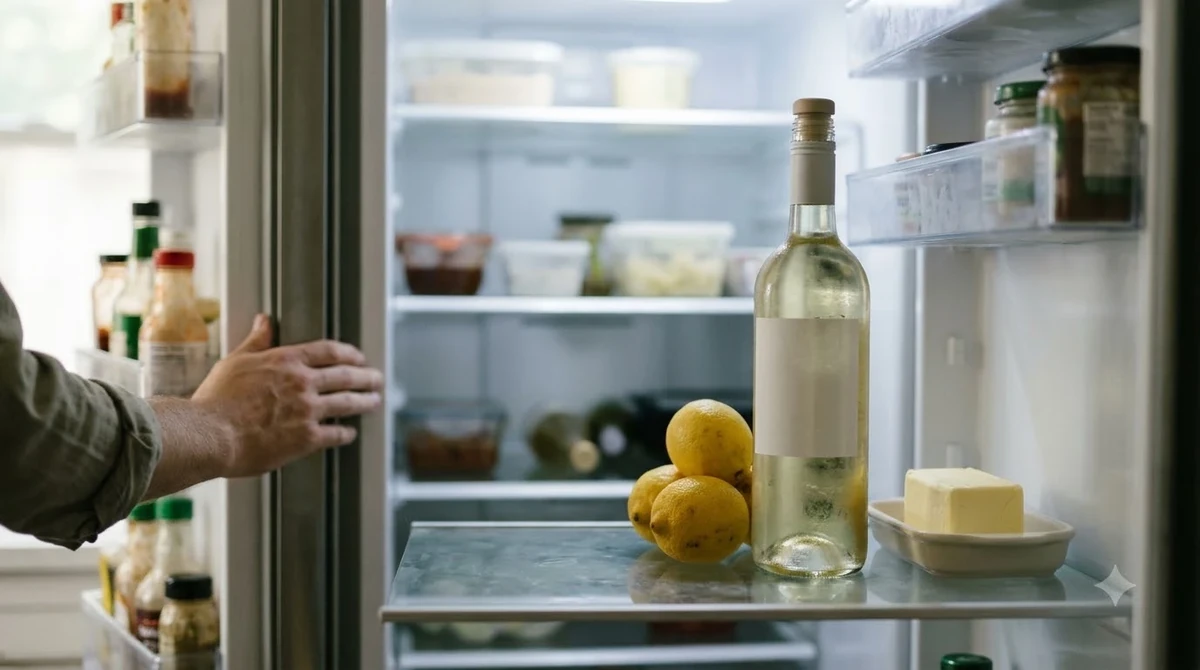
Avoid heavily oaked or very tannic reds, such as an aged Cabernet Sauvignon, because they can taste bitter once the fruit and juice are added. If you enjoy comparing wines, the guide to cabernet sauvignon vs pinot noir explains how these two styles differ in body and tannin, which helps when you are choosing a red for the pitcher.
Avoid wines that are sweet to begin with, such as a dessert red, because the added sugar and fruit will make the final drink cloying. A simple, inexpensive bottle is usually the right choice. The wine should taste pleasant on its own before it goes into the pitcher.
Fruit, Sweetener and Variations
Fruit is where you can make the sangria your own. Oranges and lemons are the classic citrus, and apples, peaches, berries or pears work well depending on the season. Use one or two types of fruit at most, so each flavor stands out rather than blending into a generic punch.
Sugar is easy to adjust. Start with the two tablespoons in the recipe, taste after the fruit has soaked, and add more only if the wine still tastes sharp. Honey or simple syrup can replace sugar if you prefer a smoother sweetness. Some people add a little orange liqueur in place of part of the juice for a more concentrated orange flavor.
For a lighter version, try a white sangria with a dry white wine, apples, pears and a splash of citrus. The method stays the same, but the drink will taste crisper and more floral. Sparkling wine can be used for a festive version, though it should be added just before serving so the bubbles stay lively.
Serving Tips and Make-Ahead Advice
Sangria is best served cold and fresh. PBS notes that the drink can be made up to one day ahead, which makes it a practical choice for parties. Make it the morning before or the day before, keep it covered in the refrigerator, and add the ice and sparkling water when guests arrive.
Once the fruit has soaked for a day, it will begin to lose its shape and can taste soft. If you want to serve the pitcher over several days, remove the fruit after the first day and add fresh slices to each glass. The wine will keep its flavor, but the fruit will not.
If you are serving the drink with a meal, pair it with lighter dishes such as tapas, grilled vegetables, roast chicken or a simple cheese board. The fruit and wine match well with salty and savory foods. The wine basics guide covers how to think about pairing and serving temperature for other wines you might have on the table.
How Much Sangria to Plan For
A standard batch uses one bottle of wine, so the number of servings depends on the size of your glasses and how much ice you use. Many hosts plan for one bottle for every two to three guests, then add a second pitcher if the party runs long. Since ice melts into the drink, a slightly stronger pour at the start can help the glasses taste balanced later in the evening.
To estimate the number of glasses from a bottle, the guides on how many glasses are in a bottle of wine and how many ounces are in a bottle of wine show the math, which you can apply to a sangria pitcher by subtracting the volume of the fruit and ice.
Frequently Asked Questions
What is the best wine for sangria?
A dry, fruity red such as Rioja, Zinfandel or Merlot is a good choice, according to PBS’s red wine sangria recipe. Look for a wine that tastes pleasant on its own, because the flavor will carry through to the pitcher.
How long should sangria sit before serving?
PBS notes that the drink can be made up to one day ahead and refrigerated until ready to drink. A few hours of chilling lets the flavors blend, while a full day can give the fruit more flavor, though it may become soft.
Can I make sangria without brandy?
Yes. Brandy is traditional, but it is not required. Use a little extra orange juice or a splash of orange liqueur to keep the citrus flavor, and the drink will still taste balanced.
Should I add sparkling water or soda to sangria?
Many recipes add a splash of sparkling water just before serving to lighten the drink and add fizz. Add it to each glass rather than to the whole pitcher so the bubbles stay lively.
Sangria is forgiving, which makes it a good drink to learn on. Start with the recipe, taste as you go, and adjust the sugar and fruit to your liking. Once you have a pitcher you enjoy, the same method will carry you through summer barbecues and casual gatherings.
More in Wine Basics
 Which Rose Is Best for Your Taste, Budget, and Food PairingsUpdated Nov 21, 2026
 Is Cheap Wine Bad? How to Find Bottles Worth DrinkingUpdated Nov 21, 2026
 What To Write On A Wine Gift Tag: Thoughtful Messages For Every OccasionUpdated Nov 21, 2026
 Which Wine Is Best For Weight Loss? Compare Lower-Calorie ChoicesUpdated Nov 21, 2026
 What Is The Best Wine For Mimosas? Choose Bubbly That Balances Orange JuiceUpdated Nov 20, 2026
 Which Prosecco Is Best for Your Taste and OccasionUpdated Nov 20, 2026