

We may earn a commission when you buy through links on this page, at no extra cost to you. Learn more.
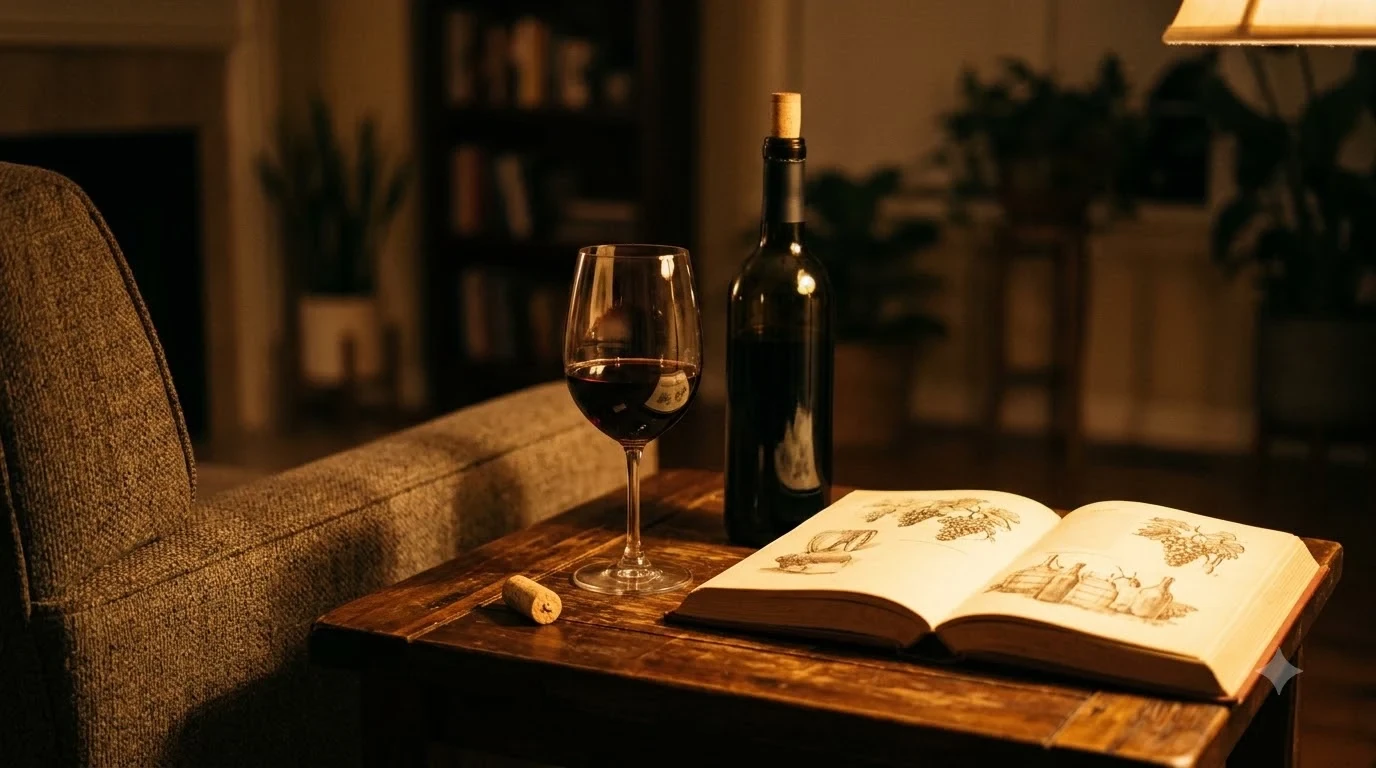
How many ounces in a bottle of wine? A standard 750 mL bottle holds about 25.36 US fluid ounces, which most people round to 25. That is the size most still wines are sold in across the United States. Sparkling wine and fortified wine can come in the same 750 mL size, but larger and smaller formats are common too.
If you are planning a dinner, stocking a home bar, or trying to work out how much a bottle really gives you, the ounce count is the number that matters. The short answer is easy to find, but the details behind it explain why some labels and menus seem to disagree. This guide walks through the standard bottle, the other sizes you will see on shelves, and how many pours you can expect from each one.
How many ounces are in a standard 750 mL bottle
The standard wine bottle is defined by volume in metric units, and 750 milliliters is the size used for most still wines sold in the United States and Europe. To convert that to US customary units, divide by 29.57, the number of milliliters in one US fluid ounce. The result is 25.36 ounces. Reference sources such as Wikipedia’s entry on wine bottles give the same figure when they list the 750 mL bottle as 25.36 US fluid ounces.
The volume printed on the label is the nominal content of the bottle, and it is the figure that bottlers are required to state. In practice, a bottle is filled to a set level below the cork, which leaves a small air space called headspace. That space is part of the bottle but not part of the wine, so a full bottle always contains slightly less liquid than the glass itself can hold. The difference is too small to notice when you pour, but it is the reason the label figure is the number to trust.
Because 25.36 is an awkward number to remember, most people use 25 ounces as the working figure. The difference is less than half an ounce, which will not change how a bottle is shared at the table. If you need an exact measurement for a recipe or a cocktail, use the milliliter value printed on the label instead.

Common wine bottle sizes measured in ounces
Not every bottle is 750 mL. Producers use several formats, and each one is easier to compare once it is converted to ounces. The table below lists the sizes you are most likely to see at a wine shop or restaurant, with US fluid ounces rounded to two decimal places.
| Bottle format | Volume (mL or L) | US fluid ounces |
|---|---|---|
| Half bottle (demi) | 375 mL | 12.68 oz |
| Standard bottle | 750 mL | 25.36 oz |
| Liter | 1 L | 33.81 oz |
| Magnum | 1.5 L | 50.72 oz |
| Jeroboam (double magnum) | 3 L | 101.44 oz |
The half bottle and the magnum are the two formats people ask about most. A half bottle is useful for a single person or a pairing dinner where each guest gets a small serving of a different wine. A magnum holds about twice the volume of a standard bottle and is often chosen for celebrations because it looks impressive on the table and stays cool for longer during a long meal.
Be aware that the name of a large format can vary by region. The Wikipedia article on wine bottles notes that the jeroboam name refers to different sizes in different parts of France, so check the volume on the label whenever a bottle is not a standard 750 mL.
How many glasses you get from one bottle
Ounces only become useful when you translate them into pours. A standard 750 mL bottle is usually described as holding about six servings of 125 mL, which is the pour size often used in wine tasting and in the UK. In the United States, restaurants more commonly pour 5 ounces, or about 150 mL, for a glass of wine. At that size, one bottle gives five glasses, with a small amount left over.
The gap between the two pour sizes explains a lot of confusion at the dinner table. Six small pours feel generous when you are tasting several wines, while five larger pours are what most people expect from a restaurant. Neither number is wrong. They simply reflect different habits. When you host, plan for about five glasses per bottle if you expect guests to fill their glasses at a normal pace.
Tasting pours are smaller still. Reviewers and sommeliers often pour about half of a standard glass when they sample several bottles in a row, so a single bottle can stretch to ten or more tastes. For a broader look at how many glasses a bottle yields, see how many glasses in a bottle of wine.
Why the ounce count can look different
You may see a slightly different number on a chart or on a website. The most common reason is that some sources use the imperial fluid ounce, which is the unit used in the United Kingdom. One imperial fluid ounce is a little larger than one US fluid ounce, so the same 750 mL bottle is listed as about 26.40 imperial ounces. Both numbers describe the same wine. Only the unit has changed.
Another source of confusion is rounding. Some charts show 25 ounces, some show 25.4, and some show 25.36. All of these are close enough for everyday use. When accuracy matters, such as when you are scaling a recipe or measuring a batch of sangria, use the milliliter figure on the bottle and convert it with the exact factor for the unit you need.

Practical ways to use these numbers
Knowing that a standard bottle holds roughly 25 ounces helps you plan quantities without guessing. For a dinner party where guests will drink two glasses each, a common rule of thumb is one bottle for every two or three guests, depending on whether other drinks are served. Adjust that number for how long the evening will last and for how many people will drink wine instead of beer or spirits.
Serving a bottle over a longer evening also changes the math. A wine that is poured slowly and left in the glass for an hour will show less of its aroma than one that is finished in a few sips, so many people prefer to open a smaller bottle or a half bottle when they expect a long, slow meal. Two half bottles can give a table more variety than one standard bottle, because each guest can try two different wines without the pressure to finish a full glass of one.
Leftover wine is another reason to know the ounce count. If you open a standard bottle and pour four glasses, you have roughly five ounces left, which is enough for a small pan sauce or a single serving of a braise. Recording how much you used makes it easier to plan the next bottle instead of guessing at the end of the night.
For cooking, the same arithmetic applies. Recipes often call for a cup of wine, which is 8 US fluid ounces, so one standard bottle gives you a little more than three cups. That makes it easy to cook a dish and still have some wine left to pour. If you plan to keep an opened bottle for a few days, a tight stopper or a vacuum pump will protect the wine, but the ounce count still tells you how much you have to start with.
Tip: Write the bottle size on a shopping list next to the number of guests. A half bottle per person covers a light tasting, while one standard bottle for every two people covers a relaxed dinner.
Frequently Asked Questions
How many ounces are in a 750 mL bottle of wine?
A 750 mL bottle holds about 25.36 US fluid ounces. Most people round this to 25 ounces for everyday use.
How many ounces is a half bottle of wine?
A half bottle, also called a demi, holds 375 mL, which is about 12.68 US fluid ounces. It is often used for single servings or pairing dinners.
How many 5 ounce glasses are in one bottle?
A standard bottle gives five glasses at 5 US fluid ounces each, with a small amount left over. Pours of 125 mL, a common size in tasting, allow about six glasses.
Why do some sources list a different ounce count for a bottle?
Some sources use imperial fluid ounces, the unit used in the United Kingdom, which are larger than US ounces. Others round the figure differently. The milliliter volume on the label is the most reliable reference.
Knowing how many ounces are in a bottle makes it easier to plan what you buy and how much you pour. For more background on how bottles and servings are measured, read our wine basics section, and check Wine Folly’s wine bottle size guide when you want a quick reference. That guide lists the 750 ml bottle as the common size for most wine, the 375 ml half bottle as half of that size, and the 1.5 L magnum as equal to two standard bottles. Whenever you need the exact volume for a specific format, the label is still the final word.
More in Wine Basics
 What Is The Best Wine For Mimosas? Choose Bubbly That Balances Orange JuiceUpdated Nov 20, 2026
 Which Prosecco Is Best for Your Taste and OccasionUpdated Nov 20, 2026
 Which Wine Is Best For Health? Understand the Risks and BenefitsUpdated Nov 20, 2026
 Which Champagne Is Best for Your Taste and OccasionUpdated Nov 20, 2026
 What To Put In A Wine Gift Basket For A Thoughtful, Memorable GiftUpdated Nov 20, 2026
 What Is the Best Wine for Mulled Wine? Choose a Smooth, Fruity RedUpdated Nov 20, 2026