

We may earn a commission when you buy through links on this page, at no extra cost to you. Learn more.
This dreaming tree wine review finds that Dreaming Tree is a good choice for approachable, fruit-forward California wines, with six styles covering everything from refreshing Sauvignon Blanc to fuller-bodied Cabernet Sauvignon and versatile Crush Red Blend. The collection is designed primarily for casual drinking, everyday meals, and relaxed gatherings rather than long-term cellaring. The best bottle depends on whether you prefer bright citrus, soft red fruit, or richer dark-fruit flavors.
Created through a collaboration between musician Dave Matthews and winemaking professionals, Dreaming Tree has developed a recognizable range of California wines with an emphasis on accessibility. Its lineup includes familiar grape varieties alongside Crush, a red blend that offers a different experience from traditional single-variety wines. This guide examines the available styles, explains their differences, and provides practical advice for selecting, serving, and pairing each bottle.
Who Should Choose Dreaming Tree Wine?
Dreaming Tree is particularly suitable for drinkers who enjoy recognizable fruit flavors, familiar grape varieties, and wines that work without elaborate preparation. Its six principal styles offer enough variety for casual entertaining while keeping the selection approachable for people who are still learning their preferences.
The brand’s positioning is relatively straightforward: make California wines that are enjoyable with food and good company. The official Dreaming Tree wine collection describes its bottles as fruit-forward and approachable, emphasizing enjoyment today rather than extended cellar storage. That makes the collection especially relevant to shoppers looking for a bottle to open with dinner rather than something to hold for a special occasion years away.
There are several types of buyers who may appreciate this approach:
- New wine drinkers: People who are learning the differences between Cabernet Sauvignon, Pinot Noir, Chardonnay, and Sauvignon Blanc can explore familiar varieties without starting with highly specialized regional wines.
- Casual red wine drinkers: Crush Red Blend and Cabernet Sauvignon offer two different approaches to fruit-forward California reds.
- White wine drinkers: Sauvignon Blanc and Chardonnay provide contrasting options, from citrus-driven freshness to apple, lemon, and toasted-oak character.
- Hosts and entertainers: A collection containing red, white, and rosé styles makes it easier to accommodate different preferences at a gathering.
- Everyday wine shoppers: The brand’s emphasis on approachable drinking makes it relevant for ordinary meals rather than exclusively formal occasions.
However, Dreaming Tree is not automatically the right choice for every wine enthusiast. Someone looking for highly structured Cabernet Sauvignon, traditionally earthy Burgundy-style Pinot Noir, or collectible wines with substantial aging potential may prefer producers with a different winemaking focus.
It is also important to distinguish between a wine’s familiar grape name and its actual style. California Cabernet Sauvignon can vary considerably between producers, and a fruit-forward example will not necessarily resemble a more restrained Napa Valley bottling. Dreaming Tree’s descriptions suggest that immediate drinkability and recognizable fruit are central to its identity.
People who prefer discovering how individual grapes express themselves will find the lineup useful. Those who already know they enjoy a particular variety can use the collection to make a more targeted selection instead of choosing a bottle based only on its branding.
Key Factors to Compare Before Buying
The most useful comparison involves grape variety, fruit character, body, acidity, tannin, and intended food pairing. These characteristics help identify which Dreaming Tree bottle will suit a particular meal or drinking preference.
Dreaming Tree’s official collection identifies six principal wines. The following table summarizes their published flavor descriptions alongside the typical characteristics of their grape varieties. Alcohol figures are included only where a specific reviewed vintage provides a documented measurement; they should not be treated as permanent specifications for every release.
| Wine | Published flavor profile | Typical style | Good food matches |
|---|---|---|---|
| Crush Red Blend | Raspberry, dark cherry | Fruit-forward red blend | Barbecue, burgers, roasted vegetables |
| Cabernet Sauvignon | Blackberry, plum | Fuller-bodied, higher tannin | Steak, lamb, grilled beef |
| Pinot Noir | Strawberry, cherry, spice | Light to medium-bodied, higher acidity | Roast chicken, mushrooms, salmon |
| Sauvignon Blanc | Citrus, pineapple, grapefruit | Fresh, aromatic, high acidity | Seafood, salads, goat cheese |
| Chardonnay | Apple, lemon, toasted oak | Medium-bodied white | Roast chicken, creamy pasta, seafood |
| Rosé | Strawberry, watermelon, nectarine | Fresh, fruit-oriented rosé | Salads, grilled shrimp, light appetizers |
These descriptions provide a starting point rather than a guarantee that every vintage will taste identical. Growing conditions, harvest decisions, blending, and winemaking can all change the balance of fruit, acidity, alcohol, and texture.
Alcohol content is another useful comparison, particularly for shoppers who prefer a lighter-feeling wine. For example, Wine Enthusiast listed 12.5% ABV for its reviewed 2022 Sauvignon Blanc, while its reviewed 2021 Cabernet Sauvignon and Crush Red Blend were both listed at 14% ABV. These are vintage-specific figures, not universal specifications for the entire range.
Body and tannin deserve equal attention. Cabernet Sauvignon generally has high tannin, while Merlot typically has softer, medium tannin. Pinot Noir usually has lower to medium tannin and relatively high acidity. These differences influence how a wine feels alongside food and how much structure it brings to a meal.
Acidity matters particularly with white wines. Sauvignon Blanc generally has high acidity, which makes it a natural candidate for seafood, salads, and dishes with lemon-based sauces. Chardonnay typically has medium acidity and can work well with richer dishes that benefit from a fuller white wine.
Another consideration is whether the bottle will be served alone or with food. A wine intended for casual sipping may be selected primarily for its fruit character, whereas a dinner wine should have enough acidity, structure, and flavor intensity to complement the meal.
For shoppers comparing the wider Dreaming Tree wine collection, these differences are more useful than choosing by bottle appearance or brand familiarity alone.
Step-by-Step: How to Select the Right Dreaming Tree Bottle
Choosing a bottle becomes easier when you start with your preferred flavor profile and work toward the occasion, food, and serving conditions. The following five steps narrow the collection into a practical buying decision.
-
Decide between red, white, and rosé.
Begin with the broadest distinction. Choose a red if you enjoy berry, cherry, plum, and darker fruit flavors. Select a white if you prefer citrus, apple, and refreshing acidity. Rosé is a useful middle ground for drinkers who want a fruit-oriented wine with a lighter profile.
-
Identify your preferred fruit character.
For dark-fruit flavors, consider Cabernet Sauvignon or Crush. If you prefer strawberry and cherry, Pinot Noir may be more suitable. Sauvignon Blanc is the logical starting point for citrus and tropical fruit, while Chardonnay is more appropriate for apple and lemon with some toasted-oak character.
-
Consider body and tannin.
People who enjoy structured reds can begin with Cabernet Sauvignon. Drinkers who want a more moderate tannin profile may prefer Pinot Noir or a suitable red blend. Remember that tannin creates a drying sensation rather than sweetness. A fruity aroma does not necessarily mean a wine contains substantial residual sugar.
-
Match the bottle to the meal.
Think about the main ingredients and preparation method. Grilled beef can handle Cabernet Sauvignon, while roasted chicken is often more compatible with Pinot Noir or Chardonnay. For seafood with lemon, Sauvignon Blanc is usually the more natural choice.
-
Choose a drinking occasion and serving plan.
Consider whether the bottle will be opened immediately, shared with guests, or served over several meals. Dreaming Tree promotes its collection for present enjoyment. There is little reason to purchase these wines specifically for extended aging when their intended appeal is approachable, ready-to-enjoy character.
Once these decisions are made, choosing becomes much less complicated. A shopper who likes fresh white wines and seafood has a clear starting point with Sauvignon Blanc. Someone preparing steak and roasted potatoes has a stronger reason to consider Cabernet Sauvignon.
For a mixed group, purchasing different styles can be more useful than buying several bottles of the same variety. A Sauvignon Blanc, a Pinot Noir, and a Crush Red Blend provide noticeably different flavor profiles without requiring guests to understand complicated wine terminology.
There is also value in comparing a familiar variety with a blend. Someone who regularly drinks Cabernet Sauvignon may find Crush an interesting alternative because blends can combine fruit, texture, and structural characteristics from multiple grapes.
Tip: If you are buying your first Dreaming Tree bottle without knowing the recipient’s preferences, choose Sauvignon Blanc for a fresh white wine drinker or Crush Red Blend for someone who prefers fruit-forward reds. These choices offer recognizable flavor profiles without requiring a preference for a highly specialized wine style.
Dreaming Tree Wine Types and Styles Explained
The six principal styles cover different occasions and taste preferences, but they should not be treated as interchangeable. Understanding their individual characteristics makes it easier to compare Dreaming Tree Crush with its Cabernet Sauvignon, Pinot Noir, Chardonnay, Sauvignon Blanc, and Rosé.
Crush Red Blend: A Versatile Fruit-Forward Red
Crush is one of the more distinctive options in the collection because it is a red blend rather than a single-variety wine. The official description emphasizes raspberry and dark cherry, pointing toward a ripe fruit-driven profile.
Its appeal is the flexibility associated with blending. Instead of focusing on the expression of one grape, a red blend can combine different components to produce a balanced overall style. The result may offer several fruit characteristics alongside a softer or more layered impression.
Wine Enthusiast’s review of the 2021 Crush Red Blend identified blackberry, brandied blueberry, chocolate-covered cherry, orange marmalade, grilled rosemary, and mocha among its tasting characteristics. The publication listed that vintage at 14% ABV and awarded it 90 points.
These details illustrate why Crush can be an appealing option for people who enjoy richer red fruit and dark-fruit flavors. Its published review suggests more complexity than the short raspberry-and-cherry description alone might indicate.
Crush works particularly well as a candidate for burgers, barbecue, grilled sausages, and roasted vegetables. The fruit character can complement browned and smoky flavors, while moderate tannin can make the wine accessible with a broad range of dishes.
For more specific comparisons and food ideas, see the dedicated Dreaming Tree Crush guide.
Cabernet Sauvignon: A Fuller Red With More Structure
Cabernet Sauvignon is the more obvious choice for someone who enjoys structured reds. The official Dreaming Tree description identifies blackberry and plum as its central flavors, both of which are familiar characteristics of California Cabernet Sauvignon.
Cabernet Sauvignon generally has high tannin, giving it more grip and a drying sensation than lighter red varieties. Its fuller structure makes it suitable for substantial meals, especially those involving beef, lamb, and grilled meat.
Wine Enthusiast’s review of the 2021 Dreaming Tree Cabernet Sauvignon described mixed berries, vanilla cream, clove, allspice, coffee, orange chocolate, and silky tannins. That particular vintage was listed at 14% ABV.
The review is useful because it shows how a Cabernet Sauvignon can combine dark fruit with spice and richer secondary flavors. It also provides a more detailed picture than simply describing the wine as a blackberry-and-plum red.
Serve Cabernet Sauvignon with grilled steak, roast beef, lamb chops, or mushroom dishes. Salt and fat in food can soften the perception of tannin, which helps explain why structured reds often work particularly well with richer meat-based meals.
People who prefer very light reds or wines with minimal drying sensations may find Cabernet Sauvignon less suitable than Pinot Noir.
Pinot Noir: A More Delicate Red Alternative
Pinot Noir is the natural alternative for people who enjoy red wine but do not always want the weight of Cabernet Sauvignon. Dreaming Tree describes its Pinot Noir with strawberry, cherry, and a hint of spice.
Pinot Noir generally has lower to medium tannin and higher acidity than Cabernet Sauvignon. It often delivers red-fruit flavors and a more delicate structure, making it particularly useful at the dinner table.
Good pairing possibilities include roast chicken, pork tenderloin, mushroom risotto, and salmon. The wine’s acidity can refresh the palate, while its lighter tannin is less likely to overwhelm foods that are not particularly rich.
Pinot Noir should not automatically be assumed to be pale, thin, or simple. California examples can have substantial fruit concentration and a fuller texture than drinkers might associate with cooler-climate versions of the grape.
The published Dreaming Tree description provides a practical starting point, but individual vintages can vary. People who enjoy ripe cherry and strawberry flavors may find this style more appealing than a darker, more tannic Cabernet.
Sauvignon Blanc: The Freshest White Wine Option
Sauvignon Blanc is a strong starting point for people who prefer crisp white wine with noticeable acidity. Dreaming Tree highlights citrus, pineapple, and grapefruit, making it a recognizable option for fans of aromatic, refreshing whites.
Independent reviews provide additional detail. Wine Enthusiast described its 2022 bottling with kiwi, green bell pepper, orange zest, pineapple, and green papaya. The Philadelphia Inquirer separately characterized the wine as brisk and refreshing, identifying lemongrass, kiwifruit, and Granny Smith apple flavors in its review.
These descriptions suggest that Sauvignon Blanc is a particularly useful choice for casual lunches, seafood dinners, and warm-weather entertaining. Its acidity provides contrast with dishes that include citrus, herbs, and fresh vegetables.
Try it with grilled shrimp, crab, oysters, goat cheese, or a green salad with vinaigrette. It can also work with fish and chips because the acidity helps balance the richness of fried food.
For additional context, Sauvignon Blanc generally has more pronounced acidity than Chardonnay. This makes it a better starting point for drinkers who specifically want a fresh, lively white rather than a softer, fuller-bodied style.
Chardonnay: A More Rounded White Wine
Dreaming Tree Chardonnay is the option to consider when you prefer a white wine with apple and lemon flavors accompanied by a hint of toasted oak. It offers a different experience from the citrus-forward Sauvignon Blanc.
Chardonnay typically has medium acidity and can range from lean and crisp to creamy and full-bodied, depending on growing conditions and winemaking decisions. Oak treatment can contribute flavors associated with toast, vanilla, and spice.
The official description suggests a combination of fresh fruit and some oak character rather than an exclusively citrus-driven profile. This makes Chardonnay a sensible companion for roast chicken, creamy pasta, baked fish, and dishes with butter-based sauces.
It is also a useful choice for people who find Sauvignon Blanc too sharp or aromatic. The grape’s naturally versatile character allows it to complement food without always dominating the meal.
For a first comparison, serve Sauvignon Blanc and Chardonnay with the same simple seafood dish. Their differences in acidity, body, and aromatic character can help identify which style suits your palate.
Rosé: An Adaptable Choice for Casual Meals
Dreaming Tree Rosé is described with strawberry, watermelon, and nectarine flavors. These fruit characteristics make it a natural option for drinkers who enjoy lighter wines with refreshing fruit expression.
Rosé can be produced using different winemaking methods, but its general appeal is the combination of red-grape fruit character and a lighter style of drinking. It can work as an aperitif or alongside a meal, depending on its acidity, body, and sweetness.
Pair this style with grilled shrimp, summer salads, chicken sandwiches, charcuterie, and vegetable appetizers. Its fruit character can complement mild spices and fresh ingredients without requiring the stronger structure of a full-bodied red.
For a mixed gathering, rosé is often a practical option because it can bridge the gap between white wine drinkers and people who prefer red-fruit flavors.
Common Mistakes When Buying Dreaming Tree Wine
The biggest purchasing mistakes involve confusing fruitiness with sweetness, assuming every red has the same structure, and choosing a wine without considering the food. A little attention to grape variety and serving style can make a noticeable difference.
Assuming Fruit-Forward Means Sweet
One of the most common misunderstandings is the belief that a wine described with raspberry, cherry, pineapple, or watermelon must be sweet. Fruit flavors describe aromas and taste impressions, not necessarily the amount of residual sugar in the finished wine.
A dry Sauvignon Blanc can smell strongly of tropical fruit while still tasting crisp and refreshing. Similarly, Cabernet Sauvignon can have ripe blackberry and plum characteristics without being a sweet wine.
When selecting a bottle, separate the concepts of sweetness and fruit intensity. Someone who enjoys fruit aromas but dislikes sweet wine may still appreciate a dry, fruit-forward California wine.
Choosing Cabernet Sauvignon for Every Red Wine Occasion
Cabernet Sauvignon is popular, but it is not always the most flexible choice. Its higher tannin and fuller structure can overwhelm delicate meals, especially dishes involving fish or lightly prepared vegetables.
Pinot Noir is often a more suitable alternative for roast chicken, mushrooms, and salmon. Crush can be a better choice when the meal involves barbecue or other strongly flavored dishes.
Confusing Crush With a Single-Variety Wine
Crush is a red blend, so it should not be evaluated as though it were simply another Cabernet Sauvignon. Blending allows winemakers to combine different grape characteristics and produce a profile that does not necessarily match any individual variety.
Someone who wants a recognizable Cabernet profile should choose Cabernet Sauvignon. Someone who prefers a fruit-driven red with a broader blend character can consider Crush instead.
The two bottles may share dark-fruit characteristics, but their identities and intended drinking experiences are different.
Serving White Wine Too Cold
Serving white wine directly from an extremely cold refrigerator can mute its aromas and make its flavors seem less expressive. Sauvignon Blanc and Chardonnay both benefit from appropriate serving temperatures rather than being poured ice-cold.
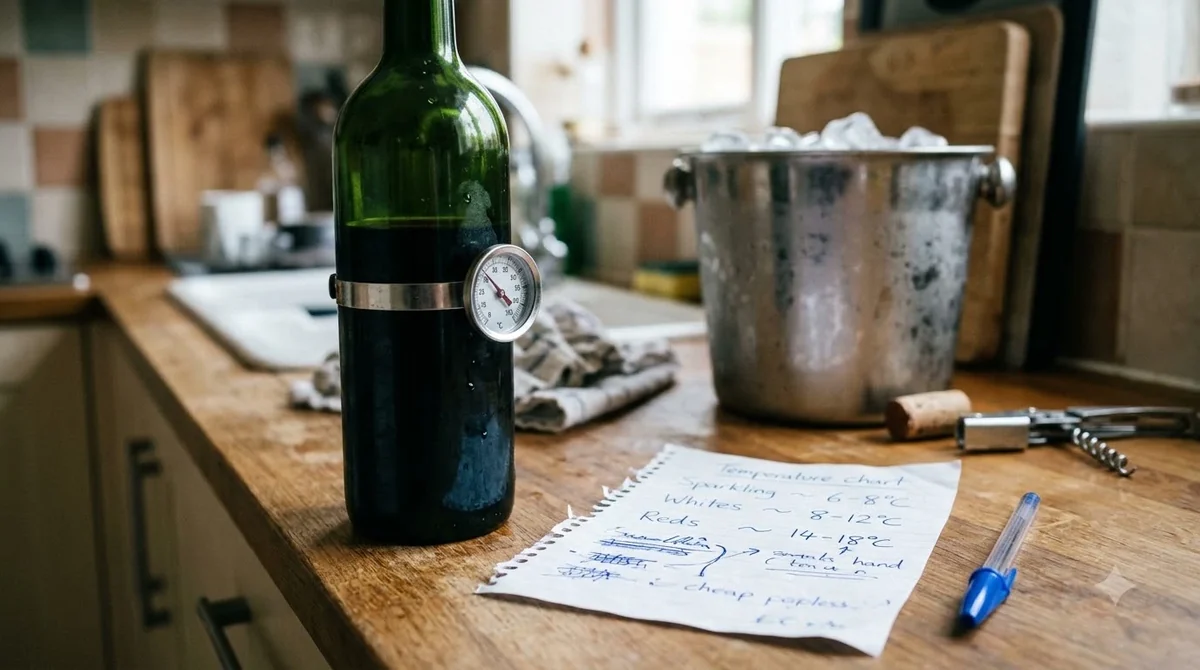
A temperature of 45–50°F works well for light whites. Fuller white wines generally show better at approximately 50–55°F. These ranges provide a useful starting point for enjoying Dreaming Tree’s two principal white varieties.
Serving Red Wine Too Warm
Many people assume that all red wine should be served at room temperature. However, modern indoor temperatures can be considerably warmer than the conditions associated with traditional wine service.
Light reds such as Pinot Noir generally benefit from temperatures around 55–60°F, while fuller reds such as Cabernet Sauvignon are commonly served around 60–65°F. Slightly cooling a bottle can help maintain freshness and balance.
Expecting Every Vintage to Taste Identically
Wine is an agricultural product, and vintage differences can influence its final character. Weather, harvest timing, grape maturity, and winemaking decisions can all affect the balance between fruit, acidity, tannin, and alcohol.
For that reason, tasting notes from a 2021 Cabernet Sauvignon should not be treated as an exact description of a later release. Independent reviews are useful reference points, but they describe specific bottles and vintages rather than establishing permanent characteristics for an entire brand.
Serving, Care, and Storage Tips
Dreaming Tree wines are positioned for present enjoyment, so appropriate serving and short-term storage matter more than creating a long-term cellar. Correct temperature, careful handling, and sensible storage after opening help preserve the intended drinking experience.
Recommended Serving Temperatures
Different wine styles benefit from different temperatures. The following ranges provide a practical starting point for the six principal Dreaming Tree styles.
| Wine style | Recommended temperature | Practical serving approach |
|---|---|---|
| Crush Red Blend | 60–65°F | Serve slightly cool rather than warm |
| Cabernet Sauvignon | 60–65°F | Allow a short rest after refrigeration |
| Pinot Noir | 55–60°F | Lightly chill before pouring |
| Sauvignon Blanc | 45–50°F | Serve chilled but not icy |
| Chardonnay | 50–55°F | Allow aromas to develop in the glass |
| Rosé | 45–50°F | Keep chilled until serving |
These are general style-based recommendations rather than special manufacturer instructions. Personal preference also matters. If you enjoy a slightly cooler Pinot Noir or a somewhat warmer Chardonnay, small adjustments are reasonable.
Opening and Pouring
A standard 750 ml bottle provides approximately five servings when each glass contains 5 ounces. This is a useful planning figure when purchasing wine for dinner or entertaining.
Use clean wine glasses and avoid filling them to the rim. A moderate pour leaves room for aromas to develop and makes it easier to evaluate the wine as it changes in the glass.
Young full-bodied reds can benefit from 30–60 minutes of decanting, although this is not a requirement for every Dreaming Tree bottle. Pinot Noir generally does not need the same treatment as a particularly structured Cabernet Sauvignon.
For everyday meals, simply opening the bottle shortly before serving is often sufficient. There is no need to turn a casual dinner into an elaborate wine-service exercise.
Storing Unopened Bottles
Keep unopened bottles away from direct sunlight, strong temperature fluctuations, and heat-producing appliances. A cool, dark storage location is preferable to a kitchen counter beside an oven or a sunny window.
For longer storage, approximately 55°F is a useful target. Bottles sealed with traditional corks are generally best stored horizontally so the cork remains in contact with the wine.
However, the brand’s emphasis on enjoyment today means buyers should not assume that extended storage will improve these wines. Their fruit-forward character is intended to be enjoyed without waiting several years for development.
Preserving Opened Bottles
Once opened, wine begins interacting with oxygen. Refrigerating an opened bottle slows this process and can help preserve its flavor for the next serving.
- Still red and white wines: Generally aim to finish within 3–5 days when refrigerated and properly resealed.
- Sparkling wines: Usually retain their best qualities for approximately 1–3 days with an appropriate sparkling-wine stopper.
- Fortified wines: Can remain usable for several weeks, depending on the style and storage conditions.
- Bag-in-box wines: Often remain fresh for approximately 4–6 weeks after opening when stored correctly.
These are general storage guidelines, not guaranteed shelf lives for every bottle. If a wine develops noticeably unpleasant aromas or flavors, its quality has deteriorated.
For a standard Dreaming Tree bottle, replacing the closure and refrigerating the remaining wine is a sensible routine. Take red wine out shortly before the next serving if you prefer it closer to the recommended red-wine temperature.
Frequently Asked Questions
Who created Dreaming Tree wine?
Dreaming Tree was originally introduced through a collaboration between musician Dave Matthews and winemaker Steve Reeder. Its original launch announcement appeared in October 2011. A later portfolio relaunch involved Matthews and winemaker Grayson Stewart, reflecting changes in the brand’s winemaking collaboration.
Is Dreaming Tree wine vegan?
The published collection information does not establish that every Dreaming Tree wine is vegan-certified. Wine clarification can involve processing aids such as animal-derived fining agents, even when those ingredients are not present in the finished bottle. Consumers requiring verified vegan production should seek confirmation for the specific wine from the producer.
Does Dreaming Tree wine contain sulfites?
Dreaming Tree wines are conventional wines, and sulfites are commonly present in wine as naturally occurring fermentation compounds or through winemaking additions. Bottles sold in the United States may carry a contains-sulfites statement when applicable. The precise sulfite concentration is not established by the general collection descriptions.
Are Dreaming Tree bottles screw-cap or cork sealed?
Closure type can differ across bottlings and packaging formats. A retailer’s brand listing has included both standard 750 ml bottles and screw-cap inventory within the broader Dreaming Tree selection. Check the actual closure when purchasing rather than assuming every wine uses the same sealing method.
What does the Dreaming Tree name refer to?
The original brand announcement explains that the collection takes its name from the Dave Matthews Band song The Dreaming Tree, which appeared on the album Before These Crowded Streets. The connection reflects the collaboration between music and wine that inspired the original brand identity.
Dreaming Tree is a sensible collection to consider if you want accessible California wines with familiar grape varieties and fruit-forward profiles. Crush Red Blend and Cabernet Sauvignon are the leading starting points for red wine drinkers, while Sauvignon Blanc and Chardonnay provide contrasting white wine experiences. Choose according to your preferred flavor, meal, and serving style, and enjoy these wines for their intended purpose: approachable drinking today.
More in Wine Brands
 Hampton Water Wine Price: Understand Bottle Costs and ValueUpdated Nov 21, 2026
 Hess Select Wine Price: Compare Bottles and Find Your Best ValueUpdated Nov 21, 2026
 Grahams Port Price: Compare Bottles and Choose the Right PortUpdated Nov 21, 2026
 Grahams Port Review: Find the Right Style for Your TasteUpdated Nov 21, 2026
 Goldeneye Wine Review: Explore Its Pinot Noir Styles and QualityUpdated Nov 21, 2026
 Georges Duboeuf Beaujolais Nouveau Review: Flavor, Pairing, and Serving TipsUpdated Nov 21, 2026