

We may earn a commission when you buy through links on this page, at no extra cost to you. Learn more.
This dreaming tree crush review finds that Dreaming Tree Crush is a fruit-forward, dry California red blend with jammy raspberry, dark cherry, and a smooth finish, making it a practical choice for casual dinners and barbecue. It suits drinkers who enjoy approachable reds with generous fruit flavors rather than pronounced tannins or complicated structure. Its strongest appeal is versatility at the table, particularly with ribs, pulled pork, and richly seasoned vegetarian dishes. However, anyone seeking a particularly dry-tasting, austere red or a traditional, firmly structured Cabernet Sauvignon should consider a different style.
Dreaming Tree Crush occupies a useful middle ground between an easygoing everyday red and a fuller-bodied dinner wine. The producer emphasizes ripe fruit, smoky berry aromas, and a soft finish, while independent retail descriptions provide additional details about its grape composition, alcohol level, and serving characteristics. Understanding those differences helps you decide whether the bottle matches your palate, your meal, and the occasion. This guide covers the important buying considerations, practical serving steps, food combinations, and storage advice before you choose a bottle.
Who Should Choose Dreaming Tree Crush?
Dreaming Tree Crush is best suited to people who enjoy ripe fruit flavors, moderate structure, and an uncomplicated drinking experience. It is particularly appealing to fans of California red blends who want something that can accompany a casual meal without demanding elaborate preparation or extended decanting.
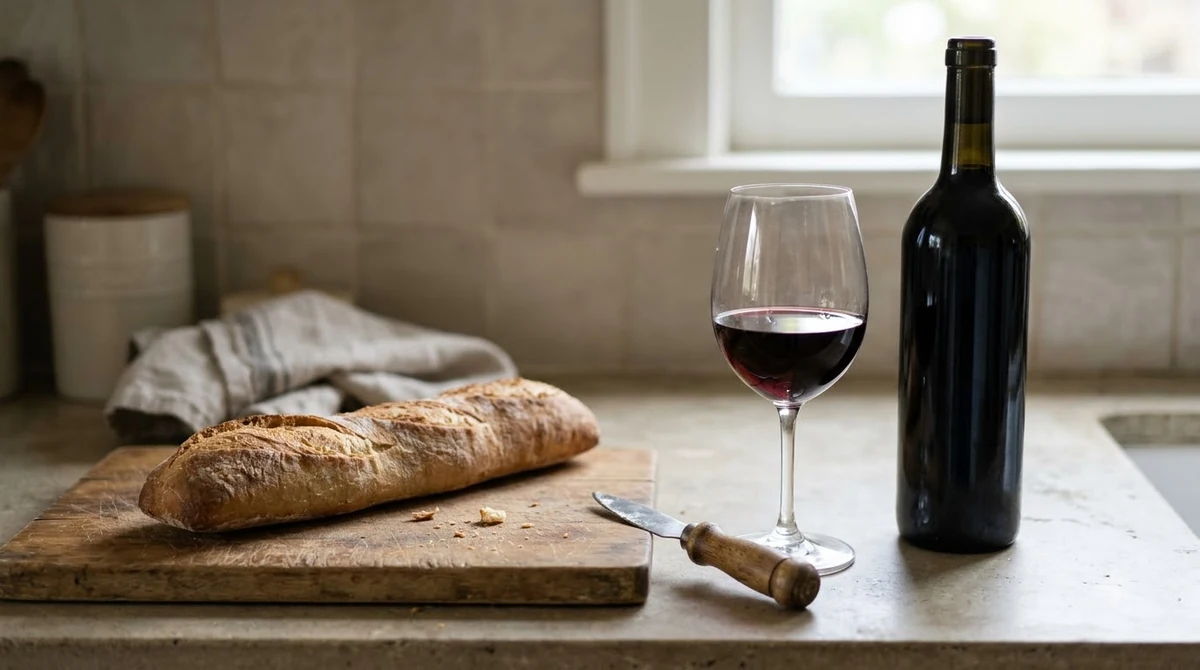
The producer describes Crush as rich and decadent, highlighting raspberry jam, dark cherry, smoky berry aromas, and a long, soft finish. These characteristics make it approachable for people who enjoy fruit-driven reds. The wine’s profile is also compatible with familiar American meals, including barbecue ribs and grilled pork. The Dreaming Tree Crush product overview provides another useful starting point for understanding the bottle’s general character.
There is also a practical distinction between fruity and sweet. According to the SAQ’s product information, its listed Crush bottling is classified as dry, with 6.4 grams of sugar per liter. That matters because ripe raspberry and cherry flavors can create a sweet impression even when a wine is technically dry. People who enjoy fruit-forward reds but do not want a dessert-style wine may find this distinction particularly useful.
Crush is less suitable for drinkers who specifically want a highly structured Cabernet Sauvignon, a delicate Pinot Noir, or a very light-bodied red. It also may not satisfy someone looking for pronounced acidity, mineral complexity, or an especially long cellar-aging wine. Its main attraction is accessible fruit and a relatively soft texture rather than intricate layers that require extended analysis.
Consider the occasion, too. For a backyard barbecue, informal dinner, pizza night, or gathering with friends, its approachable character makes sense. For a formal tasting featuring several structured Bordeaux-style wines, it may feel less complex than the surrounding bottles.
Key Factors to Compare Before Buying
The most useful buying considerations are grape composition, sweetness, alcohol, body, flavor profile, and vintage consistency. These factors provide a clearer picture of the wine than its front-label description alone.
One important detail is that blend percentages and technical information can differ between bottlings. For example, the SAQ lists a Merlot and Zinfandel combination, while older producer documentation describes additional varieties. Treat the figures below as reported specifications for identified listings or general serving guidance, not a guarantee that every vintage has an identical recipe.
| Factor | Reported information | What it means for buyers |
|---|---|---|
| Wine category | California red blend | Combines characteristics from multiple red grape varieties. |
| Grape composition | 67% Merlot, 33% Zinfandel | SAQ-listed blend; percentages can vary by bottling. |
| Alcohol | 13.5% to 14% ABV | Reported figures from different product listings. |
| Residual sugar | 6.4 g/L | SAQ-listed figure for a dry-style bottling. |
| Bottle size | 750 ml | Approximately five standard 5-ounce pours. |
| Body | Medium-bodied | More substantial than a delicate light red. |
| Serving temperature | 60–65°F | A useful target for red wine service. |
| Primary flavors | Raspberry and dark cherry | Fruit-forward rather than strongly earthy. |
| Additional aromas | Smoky berry, vanilla, and woody notes | Provides additional aromatic character. |
These figures are supported by the SAQ product listing and Wine.com’s 2022 vintage listing. The SAQ identifies 13.5% ABV, 6.4 g/L residual sugar, and a 67% Merlot and 33% Zinfandel composition. Wine.com lists the 2022 bottling at 14% ABV. The difference illustrates why vintage-specific details should not automatically be transferred between bottles.
For the current bottle you are considering, the most important priorities are the vintage, the alcohol level, and the general flavor profile. The producer’s official Crush Red Blend description and tasting notes provide a useful reference for its intended character. Retailer descriptions can help clarify the specifications associated with particular bottlings.
Understanding the grape blend
Merlot generally contributes softer tannins and approachable plum or red-fruit character. Zinfandel can contribute ripe berry flavors and a generous fruit impression. Together, these grapes provide a logical foundation for a smooth, fruit-forward red blend.
Older producer documentation also identifies Tannat and Petite Sirah in an earlier Crush formulation. These varieties can contribute additional dark-fruit character and structure. However, that historical recipe should not be presented as the fixed composition of every current bottle.
For a broader understanding of how grape varieties influence blended wines, the Wine Brands section offers useful background on interpreting wine labels and producer styles.
Step-by-Step: How to Buy and Serve Dreaming Tree Crush
Choosing a suitable bottle and serving it correctly does not require specialist equipment. A few straightforward steps help preserve the fruit character and make the wine more enjoyable alongside food.
-
Identify the bottle and vintage.
Start by confirming that you are buying Dreaming Tree Crush Red Blend rather than another wine from the same producer. The brand also offers Cabernet Sauvignon, Pinot Noir, Sauvignon Blanc, Chardonnay, and Rosé. The Crush name is important because it identifies the particular red blend discussed here. -
Compare the available specifications.
Look at the stated alcohol percentage and vintage information. Published listings include 13.5% and 14% ABV, so avoid assuming that every bottle has precisely the same technical composition. Also distinguish current product descriptions from historical tasting documents. -
Choose food before deciding how to serve it.
If the meal includes barbecue ribs, pulled pork, or grilled vegetables, Crush makes a natural pairing candidate. Its ripe fruit and soft finish complement the savory flavors of these dishes. -
Bring the wine to an appropriate temperature.
Aim for approximately 60–65°F for this red wine style. If the bottle has been sitting in a warm kitchen, place it in the refrigerator briefly before opening. Serving red wine too warm can make alcohol more noticeable and obscure its fruit character. -
Open the bottle carefully.
Remove the foil, use a corkscrew if the bottle has a cork closure, and pour a small sample. Check the aroma and general condition before filling everyone’s glass. There is no need for a complicated opening ritual. -
Pour moderate servings.
A standard wine serving is approximately 5 ounces. A 750 ml bottle therefore provides about five standard glasses, making it relatively easy to estimate quantities for a small dinner. -
Allow the wine to breathe if necessary.
Taste it shortly after opening. If the fruit and aroma seem restrained, give it 10–15 minutes in the glass. An extended decant is generally unnecessary for an approachable red blend of this style.
These steps are especially useful when serving Crush at a casual gathering. Rather than spending time preparing elaborate wine service, focus on temperature, suitable glassware, and a food pairing that complements the wine’s ripe fruit.
Tip: If Dreaming Tree Crush has been stored at normal room temperature in a warm kitchen, chill the unopened bottle briefly before serving. A slightly cool red wine is generally more refreshing and allows its fruit aromas to remain balanced.
Dreaming Tree Crush Flavor Profile and Wine Style
Crush is a fruit-forward red blend with a medium-bodied presentation, jammy berry aromas, and a relatively soft finish. Its combination of red-fruit and darker-fruit characteristics makes it more generous than a particularly delicate red, without necessarily delivering the firm tannins associated with Cabernet Sauvignon.
The producer identifies raspberry jam and dark cherry as central flavors, with smoky berry among the principal aromas. The SAQ adds plum, vanilla, and woody notes to its description. Taken together, these descriptions suggest a wine built around ripe fruit with supporting oak-related character rather than an intensely earthy or herbaceous style.
Fruit character and aroma
Raspberry is one of the most recognizable elements of the producer’s tasting description. It gives the wine a ripe, inviting character that works particularly well with grilled meat and savory sauces. Dark cherry adds a deeper fruit dimension, helping the blend feel more substantial than a simple, light berry-flavored red.
Plum contributes another familiar red-wine characteristic. Depending on the vintage and serving conditions, drinkers may notice a combination of fresh fruit, jammy fruit, and softer background notes. Vanilla and wood can add a warmer impression without making the wine taste like a heavily oaked premium red.
Body, tannin, and sweetness
The SAQ describes its listed Crush bottling as medium-bodied and dry. These classifications are useful because they distinguish the wine’s structure from its fruit flavors. A medium-bodied red generally has enough weight for substantial food while remaining more approachable than a particularly powerful, heavily structured wine.
Merlot’s generally softer tannin character helps explain why the wine can feel accessible. Zinfandel’s ripe fruit profile also contributes to the perception of generosity. The overall result is a red blend that prioritizes drinkability over pronounced tannic grip.
Its dry classification deserves particular attention. Fruit sweetness and residual sugar are not interchangeable concepts. A wine can taste like raspberry jam or ripe cherry while still being classified as dry. The SAQ’s listed 6.4 g/L residual sugar figure provides additional context for that distinction.
How Crush compares with other red wine styles
Crush occupies a different position from several familiar red varieties:
- Cabernet Sauvignon: Usually has higher tannin and a firmer structure, making it a better option for people seeking a more powerful red.
- Merlot: Often has medium tannin and a softer character, making it a useful reference point for Crush’s approachable texture.
- Pinot Noir: Usually has lower to medium tannin and higher acidity, offering a lighter and more delicate alternative.
- Syrah: Often has medium-plus to high tannin, with a potentially more pronounced savory or dark-fruit profile.
Crush is not intended to replace all these styles. Instead, its blend offers an accessible option for drinkers who prefer ripe fruit, moderate body, and a finish that does not feel excessively drying.
Common Mistakes When Choosing or Drinking Crush
The most frequent mistakes involve confusing fruit intensity with sweetness, serving temperature, and assumptions about the exact grape composition. Correcting these misunderstandings makes it easier to judge whether the wine suits your preferences.
Assuming jammy fruit means sweet wine
Raspberry jam and dark cherry are prominent descriptions of Crush, but these terms describe flavor impressions rather than automatically indicating high residual sugar. The SAQ classifies its listed version as dry and reports 6.4 g/L of residual sugar.
This distinction is useful for people who dislike genuinely sweet red wines but enjoy ripe fruit. A dry red can still have an expressive fruit profile, particularly when its grapes develop ripe aromas and flavors.
Expecting every vintage to have the same blend
Another common mistake is assuming that a red blend always contains fixed grape percentages. The SAQ lists 67% Merlot and 33% Zinfandel for its product, while the producer’s older 2015 tasting document describes Merlot, Zinfandel, Tannat, Petite Sirah, and other varieties.
These are different documented formulations, not necessarily contradictory descriptions of one identical vintage. Blending allows producers to adjust proportions according to fruit availability, desired style, and vintage characteristics. Buyers should therefore avoid treating an older recipe as a permanent specification.
Serving the wine too warm
Many people serve red wine at a warm indoor temperature because they believe red wines should always be served at room temperature. That approach can be problematic in a warm environment, where alcohol can become more prominent and fruit flavors may seem less balanced.
For Crush, approximately 60–65°F is a practical target. A short period of refrigeration can help if the bottle has been stored somewhere warmer.
Pairing it with overly delicate dishes
Crush has enough fruit intensity to accompany flavorful food. A very delicate white fish preparation or lightly seasoned vegetable dish may not provide enough flavor to balance the wine.
That does not mean every seafood dish is unsuitable. Richer, more savory preparations may work, but oily fish can clash with tannic red wines. For a reliable combination, choose grilled pork, barbecue ribs, burgers, or dishes with substantial seasoning.
Expecting an expensive cellar-worthy wine
Crush is best approached as an accessible, ready-to-drink red rather than a bottle purchased primarily for long-term aging. The SAQ describes its listed product as ready to drink. Its principal strengths are its fruit expression, versatility, and approachable structure.
For drinkers who enjoy collecting age-worthy wines with complex tannins and developing aromas, a different category is likely to be more suitable.
Food Pairings, Care, and Storage Tips
Dreaming Tree Crush is particularly compatible with savory dishes featuring grilled meat, smoky flavors, and moderately rich sauces. The producer specifically recommends barbecue ribs, Vietnamese-style pork sandwiches, and vegetarian stuffed poblano peppers.
Best food pairings
Barbecue ribs: The wine’s raspberry and dark cherry character provides a fruit-driven counterpoint to smoky meat and barbecue sauce. The combination works especially well when the sauce has savory, moderately sweet, and smoky elements.
Vietnamese-style pork sandwiches: The producer specifically highlights Vietnamese-style pork sandwiches as a pairing. Their savory pork, herbs, pickled vegetables, and flavorful seasonings provide several contrasting elements for the fruit-forward wine. For a less spicy preparation, the combination can be particularly appealing.
Vegetarian stuffed poblano peppers: This is a useful alternative to meat-based pairings. Roasted pepper flavors, grains, beans, and savory fillings provide enough substance to complement a medium-bodied red.
Burgers and grilled meats: Beef burgers, grilled sausages, and seasoned pork offer familiar combinations for the wine. Salt and fat can soften the perception of tannin, helping a red blend feel less drying alongside a substantial meal.
Pizza and tomato-based pasta: These are practical casual options. Tomato acidity makes wine selection important, so the wine should have sufficient fruit and acidity to avoid tasting flat beside the sauce. Crush is best considered alongside moderately rich preparations rather than very sharp, highly acidic sauces.
Pairing mistakes to avoid
Very spicy food deserves some care. Chili heat can become more pronounced alongside alcoholic and tannic wines, making heavily spiced dishes a less predictable match. If serving Crush with spicy food, use moderate heat and include savory ingredients that soften the overall combination.
Very sweet desserts can also make a dry red taste harsher. A wine should generally be at least as sweet as the dessert accompanying it. Crush is therefore better suited to savory meals than to very sweet cakes, pastries, or chocolate desserts.
Storing an unopened bottle
Keep unopened wine away from direct sunlight, strong temperature fluctuations, and excessive heat. A storage temperature near 55°F is a useful target for wine bottles intended for longer storage. If the bottle has a cork closure, store it on its side to help prevent the cork from drying out.
For a ready-to-drink wine like Crush, there is little reason to purchase bottles with the intention of keeping them for many years. A cool, dark storage area is more useful than an elaborate cellar arrangement.
Keeping an opened bottle fresh
Once opened, reseal the bottle with its original closure or a suitable wine stopper and put it in the refrigerator. Even red wine benefits from refrigeration after opening because cooler temperatures slow the processes that gradually change its aroma and flavor.
Most opened still wines remain enjoyable for approximately three to five days when properly resealed and refrigerated. Before pouring another glass, allow the wine to warm slightly toward its preferred serving temperature. If it develops an unpleasant vinegar-like smell or noticeably deteriorated flavors, it is no longer at its best.
For additional tasting information, the Dreaming Tree Crush tasting notes provide a useful companion to the buying considerations discussed here.
Frequently Asked Questions
Is Dreaming Tree Crush a good introductory red wine?
It can be a suitable introduction for people who enjoy ripe fruit and moderate body. Its Merlot-based profile and soft finish make it less demanding than many heavily structured reds. Someone completely unfamiliar with red wine may still prefer to compare it with a lighter Pinot Noir to understand the difference in body and tannin.
Does Dreaming Tree Crush contain sulfites?
Wine can contain naturally occurring sulfites, and sulfites may also be used during winemaking to help protect wine from oxidation and unwanted microbial activity. Retail listings identify sulfites as an allergen declaration for wine products. Anyone who needs specific ingredient or allergen information should consult the producer or the information accompanying the exact bottle.
Can Dreaming Tree Crush be used in mulled wine?
Yes, a fruit-forward red blend can be used as a base for mulled wine. Its raspberry and dark cherry character can work with cinnamon, cloves, and orange peel. Use gentle heat rather than boiling the wine, and adjust the spices to avoid overwhelming its fruit profile.
What glass shape works best for Dreaming Tree Crush?
A standard medium-sized red wine glass with a bowl that narrows slightly toward the rim is a practical choice. The wider bowl gives the wine room to release its berry and cherry aromas. A specialized glass designed for a particular grape variety is unnecessary for enjoying this blend.
Can Dreaming Tree Crush be served slightly chilled outdoors?
Yes. Slightly chilling the bottle before an outdoor meal can be especially useful in warm weather. The wine will gradually warm in the glass, so starting around 60°F can help preserve a balanced drinking temperature during a summer gathering.
Dreaming Tree Crush is a sensible choice for drinkers who enjoy dry, fruit-forward red blends with raspberry, dark cherry, and a soft finish. Its versatility with barbecue, pork sandwiches, and savory vegetarian dishes is its strongest advantage, while its relatively approachable structure makes it suitable for informal meals and gatherings. Choose it for accessible fruit and food-friendly character rather than complex cellar development, and serve it slightly cool to get the most from its style.
More in Wine Brands
 Krug Wine Price Guide to Choosing the Right ChampagneUpdated Nov 21, 2026
 Josh Cellars Rose Price: What a 750 ml Bottle Should CostUpdated Nov 21, 2026
 Korbel Extra Dry Review: Understand Its Sweetness, Flavor, and Best PairingsUpdated Nov 21, 2026
 Juan Gil Wine Review: Choose the Right Spanish Red for Your TableUpdated Nov 21, 2026
 Joseph Drouhin Wine Price: Compare Bottles by Region and QualityUpdated Nov 21, 2026
 Klinker Brick Wine Review: Find the Right Lodi WineUpdated Nov 21, 2026