

We may earn a commission when you buy through links on this page, at no extra cost to you. Learn more.
This concha y toro wine review finds that Viña Concha y Toro is a strong choice for shoppers seeking approachable Chilean wines, recognizable grape varieties, and options ranging from everyday bottles to premium Cabernet Sauvignon. Its portfolio includes familiar labels such as Casillero del Diablo, Frontera, Marques de Casa Concha, and Don Melchor. The best bottle depends on your preferred grape, desired structure, occasion, and food pairing rather than the winery name alone.
Founded in Pirque, Chile, in 1883, Viña Concha y Toro has developed into an internationally recognized wine producer with a wide selection of styles. Its wines cover familiar red varieties, fresh white wines, rosé, sweet wines, and sparkling selections. That breadth makes the brand worth considering, but it also means shoppers should understand the differences between its labels before choosing a bottle. This guide examines the winery’s history, portfolio, grape varieties, food pairings, and practical buying considerations to help you make a more informed decision.
Who This Is For: Wine Drinkers Considering Concha y Toro
Concha y Toro is particularly suitable for shoppers who want recognizable international grape varieties with a Chilean identity. Its portfolio includes approachable Cabernet Sauvignon, Carmenere, Merlot, Chardonnay, and Sauvignon Blanc, alongside more ambitious wines associated with specific vineyards and premium collections.
The brand is a sensible starting point for people exploring Chilean wine for the first time. Rather than concentrating on one expensive bottle, shoppers can compare different varieties and styles under the same producer. Someone who enjoys the familiar black-fruit character of Cabernet Sauvignon can explore a different expression through Marques de Casa Concha or Don Melchor, while someone preferring fresher wines can investigate Sauvignon Blanc or Chardonnay.
It is also relevant for experienced wine drinkers who want to explore Chilean regions and grape varieties. Carmenere is especially interesting because it has become closely associated with Chilean winemaking. Its combination of dark fruit, herbal notes, spice, and moderate-to-firm structure gives it a different personality from conventional Cabernet Sauvignon.
Concha y Toro may be less suitable for someone seeking a single, narrowly defined house style. The difference between a straightforward varietal wine and a premium vineyard-focused Cabernet can be substantial. The producer’s extensive portfolio should be treated as a collection of distinct wines rather than evidence that every bottle tastes alike.
The brand also suits people buying wine for mixed gatherings. A selection containing a red, a white, and a rosé can accommodate different food preferences without requiring bottles from several unrelated producers. Its sparkling selections provide another option for celebrations and aperitif service.
Tip: Start with the grape variety you already enjoy rather than automatically choosing the most expensive Concha y Toro label. A familiar Cabernet Sauvignon or Sauvignon Blanc is often a more useful introduction than an unfamiliar premium blend.
Key Factors to Compare Before Buying Concha y Toro Wine
The most useful buying criteria are grape variety, portfolio tier, origin, body, acidity, and intended occasion. Comparing these characteristics helps explain why two bottles from the same winery can deliver very different experiences.
Concha y Toro divides its portfolio into Luxury Collection, Super Premium Wines, Premium Wines, Varietal Wines, and Sparkling categories. These classifications provide a helpful starting point, although the category alone does not determine whether a wine will match your preferences. A moderately priced wine with the right acidity and fruit profile may be more enjoyable for a particular meal than a more ambitious bottle. The winery’s official wine portfolio provides an overview of its labels, grape varieties, and collection categories.
Grape variety should come next. Cabernet Sauvignon generally has high tannin and firm structure, while Merlot tends to have softer, medium tannins. Pinot Noir usually offers lower-to-medium tannin and higher acidity. Sauvignon Blanc is generally crisp and high in acidity, whereas Chardonnay can range from fresh and restrained to richer and more rounded.
Origin also matters. The official portfolio includes Chilean wines from several recognized wine-producing areas. Maipo Valley is especially relevant to the winery’s Cabernet Sauvignon identity, while Casablanca is associated with coastal influences and white-wine production. Limari Valley is another important origin represented in the portfolio through Amelia Chardonnay.
| Buying factor | What to look for | Best suited to |
|---|---|---|
| Grape variety | Cabernet Sauvignon, Carmenere, Merlot | Drinkers who prefer structured reds |
| White wine style | Sauvignon Blanc, Chardonnay | Seafood, poultry, lighter meals |
| Portfolio tier | Varietal, Premium, Super Premium, Luxury | Different budgets and occasions |
| Serving temperature | 55–60°F for light reds; 60–65°F for full reds | Better expression of aroma and texture |
| Standard bottle size | 750 ml | Approximately five 5-ounce servings |
| Storage temperature | Approximately 55°F | Maintaining bottle condition |
Another consideration is the level of oak influence. Oak-aged wines may show vanilla, toast, cedar, baking spice, or coffee notes. Wines with less noticeable oak influence generally emphasize fruit and freshness. Neither approach is automatically better. The important question is whether you prefer a fruit-driven profile or a more layered combination of fruit, wood, and savory characteristics.
Finally, consider how long you intend to keep the bottle. A straightforward varietal wine is generally intended for relatively early enjoyment. A more structured Cabernet Sauvignon may offer greater development potential, depending on its vintage, production, and storage history. Do not assume that every bottle from a large producer is designed for extended cellaring.
Step-by-Step: How to Choose the Right Concha y Toro Bottle
A straightforward selection process makes the winery’s extensive range easier to understand. Begin with the occasion, narrow your options by grape variety, and then compare the individual labels and their origins.
-
Decide what the wine needs to accompany.
For grilled beef or lamb, begin with Cabernet Sauvignon or Carmenere. For seafood, chicken, and lighter dishes, investigate Sauvignon Blanc or Chardonnay. For a relaxed gathering, a softer red or rosé may be more flexible.
-
Choose your preferred grape variety.
Cabernet Sauvignon is a good starting point for people who enjoy dark fruit and pronounced tannins. Carmenere offers a distinctive herbal and spicy dimension. Merlot is usually softer, while Pinot Noir provides a lighter-bodied red with more noticeable acidity.
-
Identify the portfolio category.
Look at Frontera and Reservado among the varietal selections, Casillero del Diablo among the premium labels, and Marques de Casa Concha among the super-premium wines. For a more ambitious bottle, investigate Don Melchor and the Luxury Collection.
-
Compare the stated origin and vintage.
Maipo Valley is especially relevant for Cabernet Sauvignon. Casablanca and Limari are useful reference points when exploring white wines. The vintage also matters because growing conditions can affect ripeness, acidity, and overall structure.
-
Check the wine’s style rather than relying on the label alone.
Look for descriptions of body, tannin, acidity, fruit, and oak. A full-bodied Cabernet Sauvignon will generally feel more substantial than a light-bodied Pinot Noir. A crisp Sauvignon Blanc will usually be more refreshing than a richer, oak-influenced Chardonnay.
-
Match the bottle to the occasion.
Choose a straightforward varietal wine for casual meals, a more layered premium selection for a dinner with several courses, or a higher-end Cabernet Sauvignon for a special occasion. The occasion should determine how much complexity you actually need.
-
Plan the serving conditions.
Chill white wine appropriately, allow fuller reds to warm slightly from cool storage conditions, and use suitable glassware. A structured young red can benefit from 30 to 60 minutes of decanting.
This process is more reliable than buying exclusively by brand recognition. Even familiar labels can change their blends, vintages, and regional expressions. Comparing the actual bottle information helps avoid assuming that every release will be identical.
Types and Styles Explained: From Frontera to Don Melchor
Concha y Toro’s portfolio ranges from approachable varietal wines to premium vineyard-focused selections. Understanding the main labels is the most important part of comparing the producer’s wines.
Frontera and Reservado: Varietal Wines
Frontera is one of the recognizable entry points into the producer’s portfolio. The official US portfolio describes it as a collection featuring 14 varietals and blends, including Cabernet Sauvignon, Carmenere, and Sauvignon Blanc. Its approachable positioning makes it a useful starting place for shoppers who want to explore familiar grape varieties.
Reservado is another varietal category listed by the winery. These labels are relevant to shoppers who prefer choosing a bottle by grape name instead of studying a specific vineyard or premium collection. Cabernet Sauvignon is a logical option for red-wine drinkers, while Sauvignon Blanc is worth considering for people who prefer freshness and pronounced acidity.
These wines are best approached as everyday drinking options rather than automatically treated as collectible bottles. Their suitability depends on the particular wine and vintage, but their varietal positioning makes them relatively straightforward to compare.
Casillero del Diablo: The Recognizable Premium Range
Casillero del Diablo is arguably the winery’s most recognizable label. Its identity comes partly from the story of a cellar supposedly guarded by the Devil. According to Concha y Toro’s history, the legend helped discourage people from taking bottles that were being stored in the cellar.
The range includes familiar grape varieties and several styles. Cabernet Sauvignon is particularly relevant for drinkers who enjoy dark fruit, oak, and firmer tannins. Carmenere offers a different direction, with dark berries, herbal characteristics, and spice. White selections provide alternatives for people who do not regularly drink red wine.
Wine Enthusiast’s review of the 2000 Casillero del Diablo Cabernet Sauvignon describes blackberry, chocolate, cedar, toast, tobacco, and a dry, tannic finish. That review provides a useful historical reference for the style, but it should not be treated as a guaranteed description of every current release. Different vintages can show different levels of fruit ripeness, oak influence, and structure.
Marques de Casa Concha: More Structure and Complexity
Marques de Casa Concha occupies a higher position in the portfolio. The winery launched the label in 1976, with its first Cabernet Sauvignon coming from Puente Alto. Its name refers to the founder’s historical title as the seventh Marquis of Casa Concha.
The range is worth investigating if you enjoy more structured reds and want to explore the character of particular Chilean wine-growing areas. Cabernet Sauvignon is a natural starting point, but the brand’s broader varietal selection gives shoppers additional ways to compare its style.
Wine Enthusiast’s review page lists a 2019 Marques de Casa Concha Cabernet Sauvignon from Maipo Valley with 90 points. That independent recognition provides useful context for the range, although individual vintage performance should always be considered separately.
Don Melchor: The Premium Cabernet Sauvignon Reference
Don Melchor is the winery’s flagship Cabernet Sauvignon label. Its first vintage was released in 1987, and the wine is associated with the Puente Alto vineyard in the upper Maipo Valley.
The production approach helps explain its positioning. According to Concha y Toro’s US portfolio, Don Melchor’s seven vineyard parcels are harvested and vinified separately. The winery produces more than 150 micro-vinifications before assembling the final blend, with winemaker Enrique Tirado responsible for the wine.
This attention to individual vineyard parcels distinguishes Don Melchor from the winery’s more accessible varietal offerings. It is intended for shoppers interested in depth, structure, balance, and the expression of Cabernet Sauvignon from a specific Chilean origin.
The winery’s history also records that Don Melchor 2010 received 95 points from Wine Spectator and ranked ninth on its annual list of outstanding wines. This historical recognition illustrates the label’s reputation, although it should not be interpreted as a prediction of how another vintage will perform.
White, Rosé, and Sparkling Wines
The producer is not limited to Cabernet Sauvignon and other reds. Its official range includes Chardonnay, Sauvignon Blanc, Pinot Grigio, Moscato, rosé, and sparkling selections. Amelia is particularly relevant to shoppers exploring higher-positioned white wines, with its Chardonnay associated with Limari Valley.
Sauvignon Blanc generally appeals to people who enjoy crisp acidity, citrus, and herbal aromas. Chardonnay is more versatile in terms of style, with some expressions emphasizing fresh apple and citrus while others show greater weight and oak influence.
Rosé offers another useful option for outdoor meals, appetizers, and mixed gatherings. Sparkling wines such as Casillero del Diablo Devil’s Brut provide an alternative for celebrations. These categories make the overall portfolio more useful for shoppers who want to buy several styles from one producer.
For a more focused comparison of the winery’s red selections, explore this overview of Concha y Toro red wine. Readers who prefer lighter styles can also consult the guide to Concha y Toro white wine.
Common Mistakes When Buying Concha y Toro Wine
The most common purchasing mistakes involve treating every label as interchangeable, confusing premium positioning with personal preference, and overlooking the influence of grape variety and food pairing. A little attention to these details can make a significant difference.
Assuming Every Bottle Has the Same Quality Level
Concha y Toro is a large producer with several portfolio categories. A Frontera varietal wine and a Don Melchor Cabernet Sauvignon occupy very different positions in its range. They are not intended to serve the same purpose, and comparing them as though they were direct substitutes misses the point.
It is more useful to compare wines within similar categories and styles. For example, compare two Cabernet Sauvignon selections if structure and dark fruit are priorities. Compare Sauvignon Blanc with another Sauvignon Blanc if acidity and citrus character matter most.
Buying Cabernet Sauvignon Without Considering Tannin
Cabernet Sauvignon generally has high tannin. This structure can work beautifully with grilled beef, lamb, and other rich foods, but it may feel drying when served with delicate dishes.
Merlot is generally softer, while Pinot Noir offers a lighter alternative with lower-to-medium tannin. If your usual meals include poultry, vegetable dishes, or lighter preparations, a powerful Cabernet may not be the most flexible choice.
Ignoring Carmenere
Shoppers familiar with Chilean Cabernet Sauvignon sometimes overlook Carmenere. That is a missed opportunity because the variety offers a distinctive combination of dark fruit, spice, herbal character, and moderate-to-firm structure.
Carmenere can work particularly well with grilled vegetables, roasted meats, and dishes featuring paprika or cumin. It is a useful alternative for people who enjoy structured red wine but want something different from the familiar Cabernet Sauvignon profile.
Choosing Wine Without Thinking About the Meal
Food pairing is not simply about matching red wine with meat and white wine with fish. Tannin, acidity, sweetness, alcohol, and cooking methods all affect the result.
Salt and fat can soften the perception of tannin, which helps explain why Cabernet Sauvignon often works with a fatty steak. Acidic foods generally need wine with equal or higher acidity. Oily fish can clash with tannic red wine, making a crisp white a more appropriate direction.
Chili heat also deserves attention. Wines with higher alcohol and substantial tannin can make spicy dishes feel hotter. A fresher, less tannic selection may provide a more comfortable pairing for meals containing strong chili flavors.
Expecting Every Vintage to Taste Identically
Vintage variation is an important part of wine selection. Weather during the growing season can influence ripeness, acidity, tannin, and the balance of fruit and alcohol.
A Cabernet Sauvignon from one vintage may seem more concentrated and structured than another. Similarly, Sauvignon Blanc can show different degrees of citrus, herbaceousness, and freshness. Comparing current vintage information is more useful than relying entirely on an old tasting note.
Finally, do not assume that an award or critic’s score guarantees personal enjoyment. Ratings can provide a reference point, but your preferred level of acidity, body, oak, and tannin should remain the deciding factors.
Care and Storage Tips for Better Wine Enjoyment
Correct serving temperature, storage conditions, and opening practices help preserve the character of Concha y Toro wines. Even a well-made Cabernet Sauvignon or Chardonnay can seem unbalanced if served too warm or too cold.
Serve Red Wine at the Appropriate Temperature
Light-bodied reds are generally best served around 55–60°F. Fuller reds, including structured Cabernet Sauvignon and many Carmenere wines, are generally better around 60–65°F.
Room temperature is not always ideal, especially in a warm home. A bottle kept in a hot kitchen can become too warm, making alcohol seem more pronounced and fruit less balanced. Brief chilling before service can improve the experience.
Chill White and Sparkling Wines Properly
Light whites and rosé are generally served at 45–50°F, while fuller-bodied Chardonnay is usually better around 50–55°F. Sweet white wines are typically served around 43–50°F.
Sparkling wines should generally be served around 40–50°F. This temperature helps preserve freshness and makes the wine more refreshing. Avoid serving delicate whites so cold that their aromas become difficult to appreciate.
Decant Structured Red Wines When Appropriate
Young, full-bodied red wines can benefit from 30–60 minutes of decanting. This gives the wine some exposure to oxygen and can make its aromas more expressive. The practice is especially useful for structured Cabernet Sauvignon selections.
Decanting is not compulsory for every red wine. A lighter Pinot Noir or an approachable Merlot may be enjoyable immediately after opening. Older wines also require more care because prolonged oxygen exposure can cause their aromas and flavors to fade.
Store Bottles in Stable Conditions
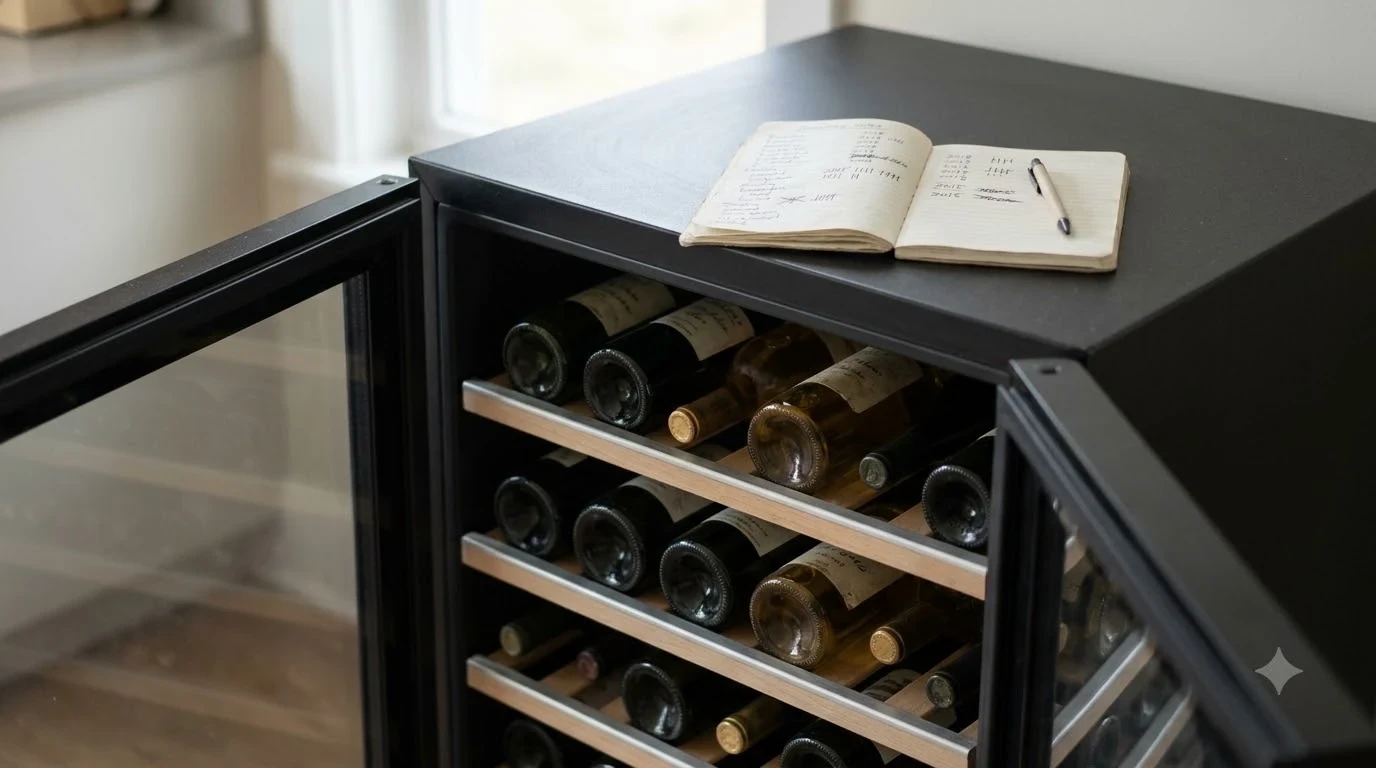
A storage temperature near 55°F is a useful target for wine. Temperature stability matters more than frequent changes between warm and cold environments. Keep bottles away from direct sunlight, heating appliances, and locations with substantial temperature fluctuations.
Traditional cork-sealed bottles are generally stored on their sides to keep the cork from drying out. Avoid excessive vibration and strong odors in the storage area. These simple precautions are particularly important for bottles intended for longer-term storage.
Preserve Opened Bottles
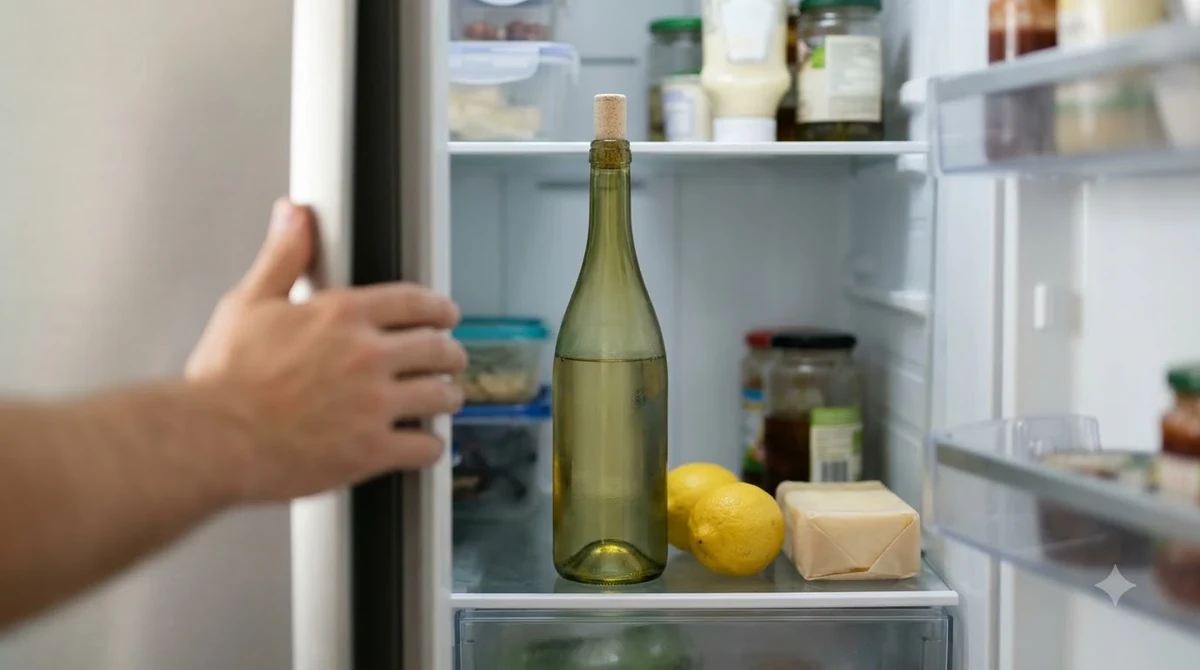
After opening, reseal the bottle and refrigerate it, including red wine. The refrigerator slows oxidation and helps preserve the wine’s freshness.
Typical storage windows are one to three days for sparkling wine, three to five days for still wine, and several weeks for fortified wine. Bag-in-box wine can generally last four to six weeks after opening, depending on its packaging and storage conditions.
For ordinary still wines, a properly fitted stopper can reduce unnecessary air exposure. Sparkling wine benefits from a dedicated pressure-preserving closure. If a bottle develops unpleasant vinegar-like aromas or loses its fruit character, its drinking quality has likely deteriorated.
Frequently Asked Questions
Is Concha y Toro an independently owned winery?
Viña Concha y Toro is a publicly traded Chilean corporation rather than a small privately owned family winery. Its shares have traded on the Santiago Stock Exchange since 1933, according to the company’s corporate history. Its corporate structure helps explain the scale of its international distribution.
What does the name Casillero del Diablo mean in English?
Casillero del Diablo translates approximately to Devil’s Cellar. The name comes from the legend that the founder spread a rumor about the Devil guarding his cellar to discourage people from stealing bottles. The story became a central part of the brand’s identity and marketing.
Is Carmenere originally a Chilean grape variety?
No. Carmenere has historical origins in Bordeaux, France, but became strongly associated with Chile after establishing itself there. Its rediscovery in Chilean vineyards helped strengthen the country’s reputation for distinctive red wines. The variety is now one of the most recognizable parts of Chile’s wine identity.
How many glasses can you pour from a standard Concha y Toro bottle?
A standard 750 ml bottle contains approximately 25.4 US fluid ounces. At a traditional 5-ounce serving, that provides approximately five glasses with a small amount remaining. Smaller tasting pours of 2 to 3 ounces allow more people to compare several varieties during a wine tasting.
Does Concha y Toro produce wines outside Chile?
Yes. The parent company’s international production operations include Argentina, the United States, France, and Mexico in addition to Chile. Its wider corporate portfolio also includes internationally recognized names such as Trivento and Bonterra. Therefore, the corporate group should not be confused with the origin of every individual wine label.
Concha y Toro offers a broad introduction to Chilean wine, with choices ranging from approachable varietal selections to structured Cabernet Sauvignon and distinctive Carmenere. For most shoppers, the best starting point is a grape variety and portfolio category that match their food preferences and usual drinking style. Explore the wider Concha y Toro wine selection to compare labels, and use the broader Wine Brands resource to discover other producers worth considering.
More in Wine Brands
 Underwood Wine Price: Compare Bottles, Cans, and Pack SizesUpdated Nov 21, 2026
 Zenato Wine Price: Compare Styles and Choose the Right BottleUpdated Nov 21, 2026
 Zuccardi Wine Price: Compare Bottles and Find the Right RangeUpdated Nov 21, 2026
 Yellow Tail Moscato Review: Taste, Sweetness and Serving TipsUpdated Nov 21, 2026
 Wolf Blass Yellow Label Review: Choose Your Best StyleUpdated Nov 21, 2026
 Wolffer Estate Rose Review: Choose the Right Bottle for Your TableUpdated Nov 21, 2026