

We may earn a commission when you buy through links on this page, at no extra cost to you. Learn more.
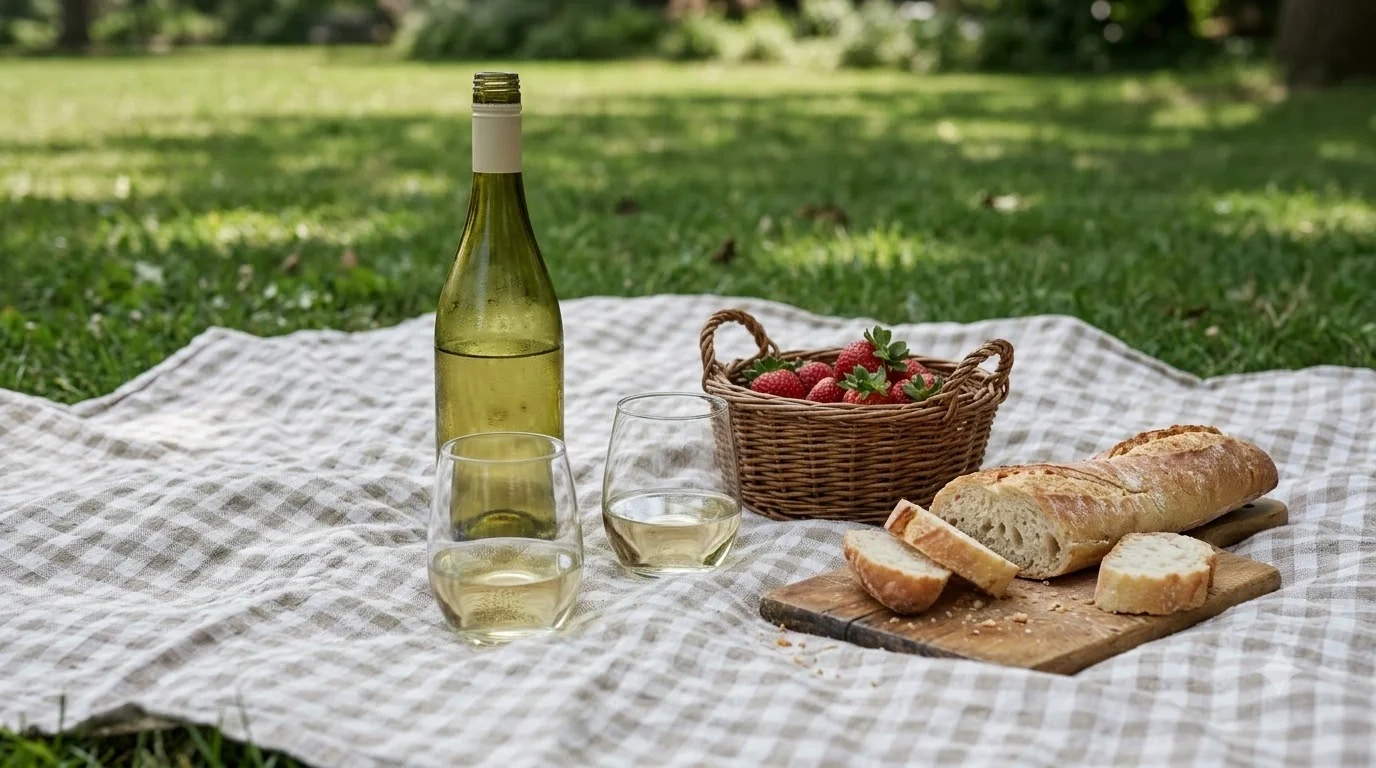
For shoppers, concha y toro white wine covers a broad range of Chilean whites, especially Sauvignon Blanc and Chardonnay, with styles that run from crisp, citrus-led bottles to richer, oak-influenced wines. The producer’s labels are not one single flavor profile: grape variety, vineyard location, and cellar choices all change what ends up in the glass. Start with the grape and the label tier, then match the wine’s acidity and body to the food you plan to serve.
Concha y Toro is a producer with several wine families rather than one white-wine blend. Its catalog includes labels such as Casillero del Diablo and Amelia Chardonnay. This guide covers the main white-grape styles, Chilean regions, food pairings, and serving advice.
What the Concha y Toro White Portfolio Includes
The range is a collection of wines rather than a single signature white. The producer’s English catalog lists 23 wines in its white category, with Chardonnay and Sauvignon Blanc among the leading variety filters; it also lists Pinot Grigio, Moscato, and other grapes elsewhere in the broader portfolio.
That breadth matters because a bottle labeled Casillero del Diablo Sauvignon Blanc is a different proposition from an Amelia Chardonnay. The first is built around the bright, fresh character associated with Sauvignon Blanc, while the latter is a more layered Chardonnay with a defined vineyard origin and time in French oak. Both sit under the same company umbrella, but the grape and winemaking decisions make them suited to different meals and occasions.
Concha y Toro organizes its wines into families and tiers, including Premium Wines, Super Premium Brands, Luxury Collection, and Varietal Wines. These names help shoppers understand how a bottle fits into the producer’s range, but they do not replace the more useful clues on the individual wine: grape, denomination of origin, vintage, and whether the wine was fermented or matured in oak or stainless steel. The same distinction matters when exploring other wine producers; a quick look at the broader Wine Brands collection can help put each label in context.
For a first bottle, choose according to the meal and the style you enjoy rather than assuming every white from the company will taste alike. Someone who prefers lemon, herbs, and a brisk finish will usually be happier starting with Sauvignon Blanc. A drinker who wants a broader palate and a more rounded texture can look toward Chardonnay, especially a bottling with barrel aging.
Sauvignon Blanc: The Crisp, Coastal Choice
Concha y Toro Sauvignon Blanc is the natural starting point for anyone who likes lively acidity, citrus, and herbal freshness. A producer-listed Casillero del Diablo Reserva Sauvignon Blanc comes from Casablanca and is fermented in stainless steel, a combination that supports a clean, fresh expression of the grape.
Concha y Toro describes the Casillero bottling as having a mineral note with peach and redcurrant aromas, and recommends it with sea bass and ceviche. The producer also notes that vineyards close to the Pacific benefit from moderated summer temperatures. For the wine’s own details, see the Casillero del Diablo Sauvignon Blanc profile.
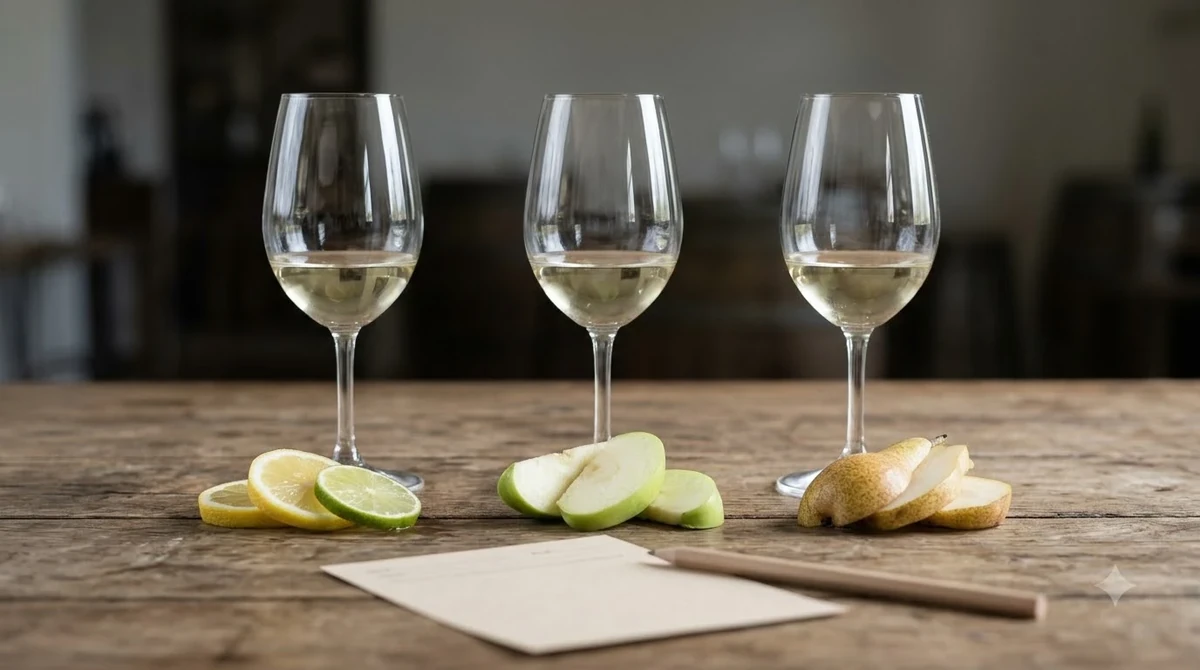
In the glass, Sauvignon Blanc often moves between two recognizable sets of aromas. Cooler sites and earlier picking tend to emphasize lime, lemon, green apple, cut grass, and leafy herbs; riper fruit can bring grapefruit, passion fruit, guava, or pineapple. The grape is naturally high in acidity, so its finish usually feels brisk rather than soft or creamy. The precise balance depends on the vineyard and the winemaking, not just the grape name.
Stainless-steel fermentation is a useful clue when choosing this style. It generally allows fresh fruit and herbal aromas to remain in focus instead of adding the toast, vanilla, or spice that can come from oak. That does not mean every Sauvignon Blanc must be simple or unoaked, but it explains why a stainless-steel Casablanca example is a strong option for raw seafood, ceviche, grilled white fish, and salads with citrus dressing.
Chardonnay: More Texture and a Wider Range of Styles
Chardonnay offers a broader range of textures than Sauvignon Blanc, from lean and citrus-driven to fuller wines with a creamier feel and oak influence. In Concha y Toro’s premium range, Amelia Chardonnay provides a clear example of a more detailed, site-specific approach.
The producer’s listed Amelia Chardonnay 2022 comes from the Quebrada Seca Vineyard in the Limarí Valley. Its cellar program includes 12 months in French oak barrels: 18 percent new barrels and 82 percent second- and third-use barrels. That mix brings measured oak influence while leaving most of the barrel contact to vessels that have already been used, rather than making new wood the central feature of the wine.
Chardonnay can show lemon, apple, pear, stone fruit, and sometimes tropical fruit. Oak may add toast, baking spice, or vanilla, while other cellar choices can change texture. These are options, not automatic traits, so use a producer’s technical description to understand a specific bottling.
Amelia’s listed food pairings show how a fuller Chardonnay can work beyond a simple aperitif. Concha y Toro suggests sea bass, sesame-crusted tuna, lobster bisque, scallops au gratin, seafood paella, roasted game hen, and pasta with a light cream sauce. Its weight and texture suit richer dishes, while its acidity can keep the pairing from feeling heavy. It also makes a useful comparison with red wines: Chardonnay has no red-wine tannin, and its structure comes from acidity, alcohol, texture, and oak influence. Readers comparing the white range with Concha y Toro red wine should expect a different kind of weight, not the drying grip of a tannic Cabernet Sauvignon.
Chilean Regions Behind the White-Wine Styles
Coastal influence is one of the clearest themes in Chilean white wine, particularly in Casablanca and San Antonio. Pacific breezes, morning cloud cover, and cool conditions can slow grape ripening and help preserve acidity, while different soils and vineyard positions give each valley its own character.
Casablanca is one of Chile’s best-known white-wine areas, with Sauvignon Blanc and Chardonnay among its emblematic grapes. Wine Enthusiast describes the valley’s cool maritime setting in connection with the Humboldt Current, morning fog known locally as camanchaca, and granitic soils. Those conditions help explain why Casablanca Sauvignon Blanc can combine citrus and tropical fruit with freshness and a mineral edge. Its account of Chile’s coastal Sauvignon Blanc regions gives useful context for the style.
San Antonio, including the Leyda area, is another coastal region associated with white wines that have pronounced acidity and mineral character. The Wines of Chile regional guide describes thin, rocky soils near the Pacific and identifies Sauvignon Blanc and Chardonnay among the varieties suited to the valley. These details are helpful when comparing two bottles that share a grape name but come from different places.
Limarí offers another perspective. Amelia’s Quebrada Seca Chardonnay comes from a vineyard near the Pacific, where cool conditions and calcium-carbonate-rich clay soils shape the wine’s origin. This differs from Casablanca Sauvignon Blanc, which foregrounds crisp aromatics. Chile is not one uniform climate: its regions stretch from dry northern areas to central valleys and cooler southern zones, so grape variety, altitude, soil, and distance from the ocean all help explain differences between bottles.
How to Choose a Bottle by Label and Style
The simplest way to choose is to start with the grape, then use the producer’s label family and origin details to narrow the options. Sauvignon Blanc is the safer choice for a lean, high-acid white, while Chardonnay is more flexible if you want anything from citrus-led freshness to a fuller, oak-influenced texture.
For an easygoing meal wine, look for a coastal Sauvignon Blanc such as Casablanca with a stainless-steel fermentation note. Those clues point toward a style that suits shellfish, fish tacos, ceviche, and vegetables with lemon or vinaigrette. Casillero del Diablo’s Casablanca Sauvignon Blanc is a clear example in the producer’s range.
For a more layered bottle, consider a Chardonnay with a named vineyard or region and a clear barrel program. Amelia’s Limarí origin and 12-month French-oak maturation offer more detail than a generic grape name; the fact that most barrels were previously used also suggests a measured rather than dominant oak influence.
Premium, Super Premium, and Luxury Collection describe where wines sit within the company’s range, not whether they taste crisp, creamy, light-bodied, or full-bodied. Read variety and origin first, then use the label family as additional context. When choosing a white or red for dinner, start with the main ingredient and sauce instead of treating a higher tier as an automatic match. The temperature ranges below are practical guides: a delicate white can seem muted if too cold, while a fuller Chardonnay benefits from a little extra warmth.
| White-wine style | Typical character | Serving temperature | Good starting point |
|---|---|---|---|
| Fresh Sauvignon Blanc | Citrus, herbs, high acidity | 45–50°F | Seafood, ceviche, salads |
| Lean Chardonnay | Apple, lemon, moderate acidity | 45–50°F | Grilled fish, roast chicken |
| Fuller, oak-influenced Chardonnay | Broader texture, ripe fruit, oak notes | 50–55°F | Scallops, cream sauces, poultry |
| Sweet white | Noticeable residual sweetness | 43–50°F | Fruit desserts, spicy dishes |
Tip: When choosing between two white wines, compare the acidity and body before comparing the label tier. A bright Sauvignon Blanc is usually the better fit for lemony seafood, while a fuller Chardonnay is more at home beside scallops, roast poultry, or a light cream sauce.
Food Pairings for Sauvignon Blanc and Chardonnay
Match the weight and acidity of the wine to the weight and acidity of the dish. High-acid Sauvignon Blanc is especially useful with seafood, herbs, citrus, and tangy sauces, while Chardonnay can handle richer textures such as butter, cream, roasted poultry, and shellfish.
For Sauvignon Blanc, think sea bass with lime, shrimp ceviche, grilled prawns, oysters, goat cheese, or a green salad with a sharp vinaigrette. The wine’s lively acidity refreshes the palate after salty or citrusy bites. With acidic food, the wine should have equal or higher acidity; otherwise, the dish can make the wine seem flat. This is why a crisp coastal Sauvignon Blanc is often a more natural fit for lemon-dressed seafood than a soft, low-acid white.
For Chardonnay, pair the style with the preparation. A fresher Chardonnay works with grilled fish, roast chicken, corn chowder, or seafood pasta, while a fuller bottle can stand beside lobster bisque, scallops au gratin, salmon-stuffed ravioli, or a light cream sauce. The aim is not to match every flavor note in the dish, but to give the wine enough substance to sit comfortably alongside the food without covering it up.
Salt and fat soften the impression of acidity and make a wine feel rounder, which is one reason buttery seafood can work with Chardonnay. Avoid pairing a rich white with a sharp vinegar dressing unless the wine has enough acidity to keep pace. With chili heat, remember that alcohol can intensify the burn, so a lighter white is often more comfortable. For dessert, choose a wine at least as sweet as the dish; dry Sauvignon Blanc can taste sour beside a very sweet tart.
Serving, Storing, and Keeping an Open Bottle
Temperature has a direct effect on how a white wine smells and feels. Serve a light, fresh white at 45–50°F and a fuller Chardonnay at 50–55°F; the cooler range preserves a refreshing edge, while the slightly warmer range allows more texture and aroma to show.
A standard pour is about 5 ounces, so a 750-milliliter bottle provides roughly five glasses. Pour a little less when serving several wines or comparing styles, and allow the wine to warm slightly in the glass if its aromas seem muted.
Keep unopened bottles in a cool, dark place near 55°F, away from sunlight, vibration, and sharp temperature swings. Store cork-finished bottles on their sides so the cork stays in contact with the wine; a shelf above an oven or a sunny counter is a poor long-term location.
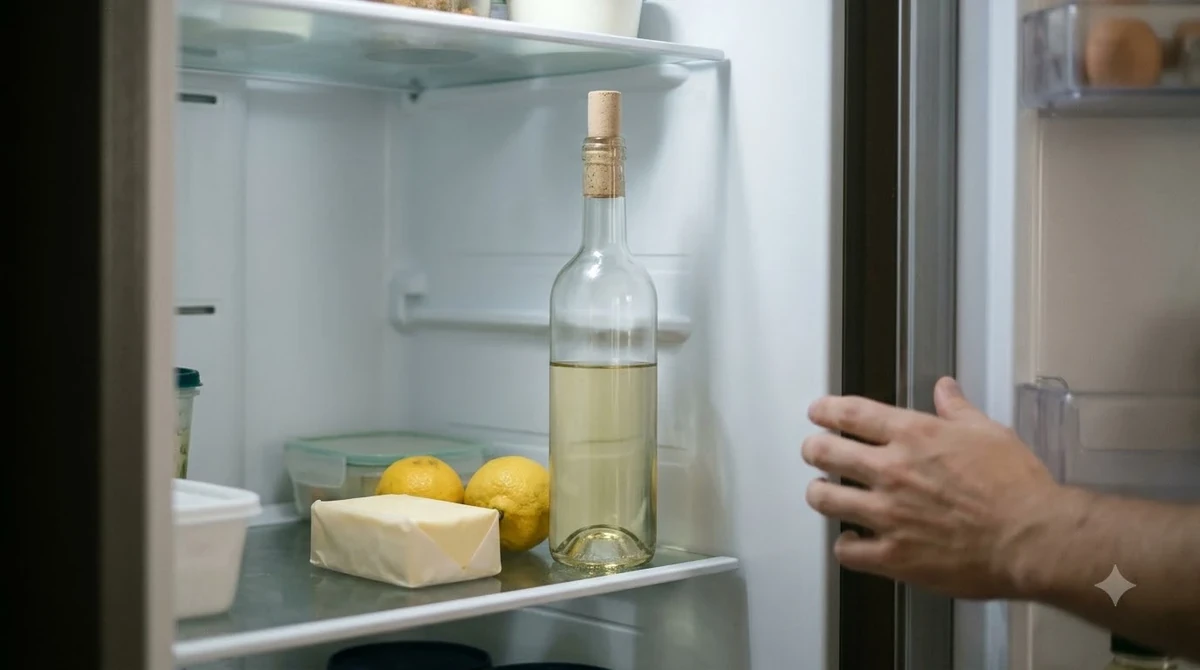
Once opened, refrigerate still white wine and aim to finish it within 3–5 days. Re-cork the bottle or use a stopper to limit air contact. Sauvignon Blanc may lose some citrus and herbal lift as it sits, while Chardonnay can become less lively, so taste a small pour before serving.
Frequently Asked Questions
These details clarify the labels and regional terms that come up most often, from the American name Fumé Blanc to the Limarí vineyard behind Amelia Chardonnay.
Is Sauvignon Blanc also called Fumé Blanc?
Yes. Fumé Blanc is a name used for Sauvignon Blanc in the United States, rather than a separate grape variety. The term is especially associated with American labeling and does not mean that the wine must have a smoky flavor.
What does camanchaca mean in Chilean wine regions?
Camanchaca is the local name for the coastal fog that moves inland from the Pacific, especially around Casablanca. The fog and cool maritime air help moderate vineyard conditions before the sun breaks through later in the day.
Where is the Quebrada Seca Vineyard?
The producer places it in the Limarí Valley at about 190 meters above sea level and approximately 22 kilometers from the Pacific Ocean. Its coastal position and calcium-rich clay soils are part of the site description for Amelia Chardonnay.
Does Amelia Chardonnay have a vegan designation?
The producer’s product page marks the listed Amelia Chardonnay as vegan. That designation applies to the specific wine entry and should not be taken as a blanket claim about every wine made under the company name.
Did Sauvignon Blanc originate in Chile?
No. Concha y Toro’s product notes identify Bordeaux, France, as the variety’s origin. Chile is now an important place for the grape, especially in coastal areas such as Casablanca and San Antonio.
Concha y Toro’s white wines make the most sense when chosen by grape, origin, and style rather than by producer name alone. Start with a crisp Casablanca Sauvignon Blanc for seafood or a more textured Limarí Chardonnay for richer dishes, serve each at the right temperature, and the bottle will have a clear place at the table.
More in Wine Brands
 Louis Latour Wine Price: Compare Bottles by Style and TierUpdated Nov 20, 2026
 Yellow Tail Moscato Price: What to Expect Before You BuyUpdated Nov 20, 2026
 Sutter Home Sweet Red Review: Find the Right Food PairingsUpdated Nov 20, 2026
 Franzia Chillable Red Review: Find the Right Serving StyleUpdated Nov 20, 2026
 Veuve Clicquot Rose Review: Flavor, Food Pairings and Buying AdviceUpdated Nov 20, 2026
 Rombauer Wine Price: Compare Bottles Before You BuyUpdated Nov 20, 2026