

We may earn a commission when you buy through links on this page, at no extra cost to you. Learn more.
Carmenere wine is a medium-bodied red with raspberry and black plum fruit, a hint of green bell pepper, and soft tannins, and it is the signature red of Chile. The grape began in Bordeaux, nearly disappeared there, and found a second home in Chile, where it was for a long time mistaken for Merlot. Carmenere is a good choice for anyone who likes a fruit-forward red with a savory edge.
Carmenere is one of the more interesting red grapes on the shelf because its story is so unusual. Many wine drinkers meet it on a Chilean label and wonder why the bottle tastes a little greener than a Merlot. This guide explains where the grape comes from, what it tastes like, how to serve it, and what to eat with it.
Where Carmenere Comes From
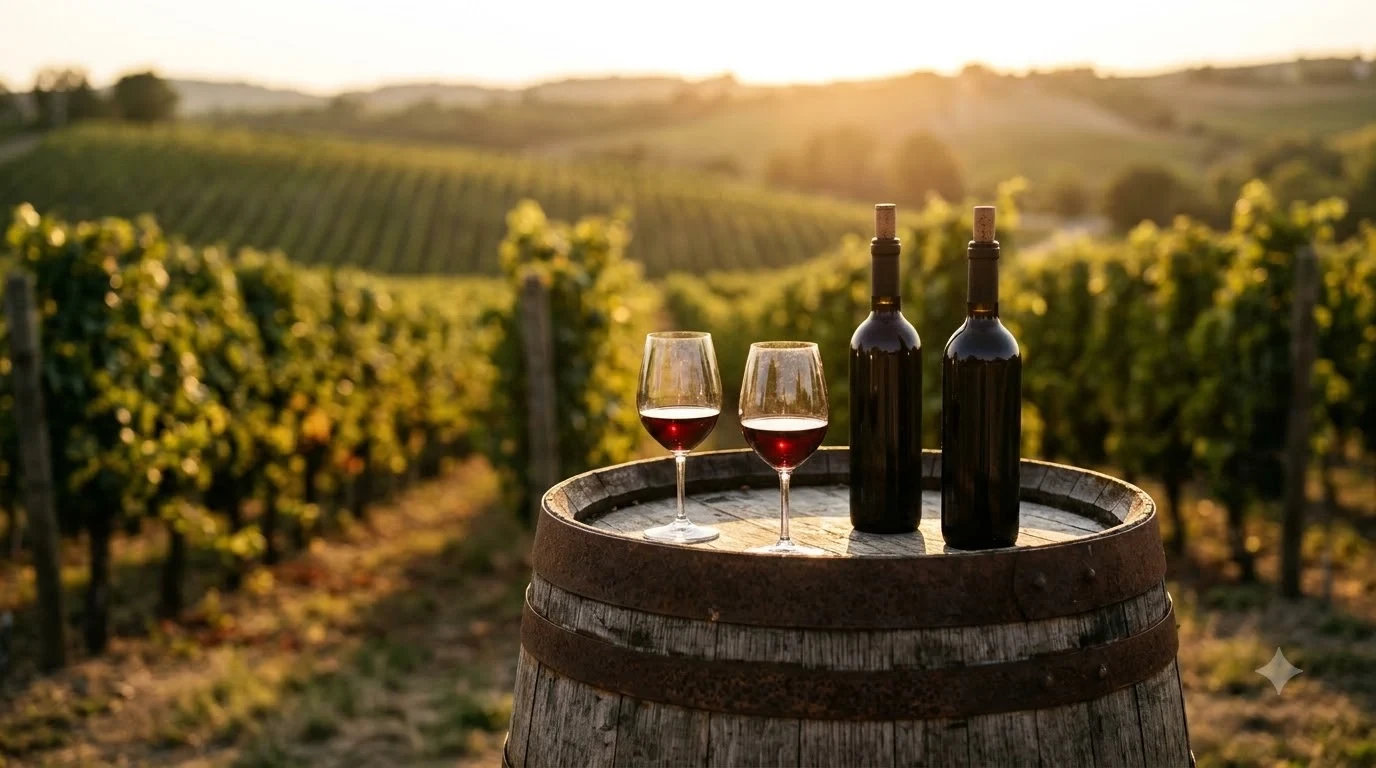
Carmenere started in Bordeaux, France, where it once played a role in the region’s blends. Wine Folly reports that phylloxera, the vine pest that spread through European vineyards in the nineteenth century, wiped out nearly all of the Bordeaux carmenere vines. When growers replanted, they favored Cabernet Sauvignon and Merlot, and the grape was thought close to extinction.
The grape was brought to Chile in the mid-1800s, and it found a home in the country’s valleys. For about a century, Chilean growers believed they were working with Merlot. The mistake was only corrected in 1994, when analysis showed that the vines were carmenere. Today Wine Folly describes it as the flagship grape of Chile.
Flavor and Style
A typical carmenere opens with raspberry, red cherry, and black plum. Many bottles also show bell pepper, a little paprika, and a soft vanilla note from oak. Some people describe the green side as herbal or peppercorn-like, and the savory edge is one of the things that makes the wine stand out from a plain fruity red.
Wine Folly places carmenere at medium body, medium tannins, and medium-high acidity, with alcohol between 13.5 and 15 percent ABV. The tannins are gentle compared with a Cabernet, so the wine feels smooth on the palate while still giving some structure.
Why Carmenere Tastes Green
The green notes come from chemical compounds called methoxypyrazines, which produce aromas of bell pepper, leafy herbs, and green peppercorn. Wine Folly points out that the same family of compounds is found in Cabernet Franc and Cabernet Sauvignon. Isobutyl methoxypyrazine, often shortened to IBMP, is the one most often named as the key contributor.
How strong the green note is depends on ripeness. When the fruit is fully ripe, the green aromas are softer and the wine shows richer dark fruit. Less ripe grapes give a sharper pepper character, so tasting a few bottles from different producers is the best way to learn your preference.
How to Serve Carmenere
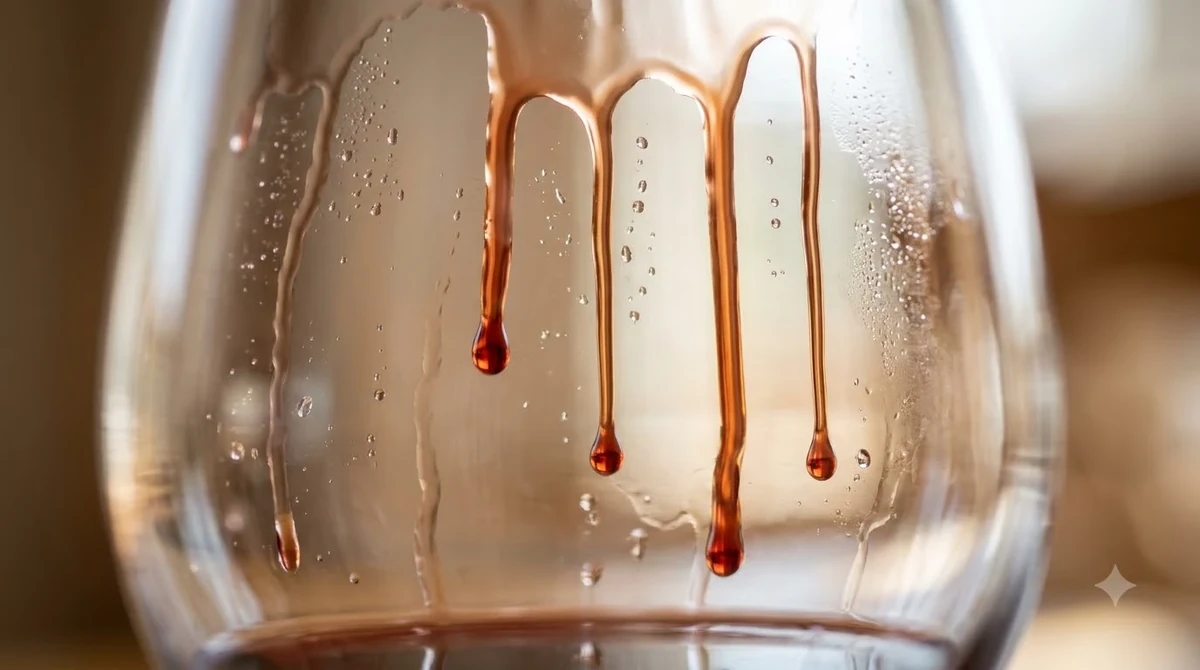
Serve carmenere slightly cooler than room temperature. Wine Folly recommends 60 to 68 degrees Fahrenheit, which is about 15 to 20 degrees Celsius, and a short decant of around 30 minutes helps the aromas open. A standard red wine glass is enough. If the wine tastes too green at first, let it breathe for a little longer before deciding.
Because the wine is not heavy, it does not need a large glass or a long rest. A cool cellar or a wine fridge set to a moderate temperature works well, and the bottle can sit on the counter for a few minutes before you pour it.
| Aspect | Typical carmenere |
|---|---|
| Body | Medium |
| Tannins | Medium |
| Acidity | Medium-high |
| Main flavors | Raspberry, black plum, bell pepper, vanilla, paprika |
| Alcohol | About 13.5 to 15 percent ABV |
| Serving temperature | 60 to 68 degrees Fahrenheit |
| Decanting | About 30 minutes |
Food Pairing
Carmenere is a food wine. Its fruit and gentle tannins suit grilled meats with savory sauces, such as chimichurri, green salsa, or a mint or parsley pesto. Wine Folly also names Cuban-style roast pork, which is a natural match for the wine’s fruit and herbal notes.
Poultry is another good pairing, including turkey and duck, and vegetarian dishes with beans work well too. A pot of pinto bean chili or a white bean and kale soup brings out the wine’s savory side. Avoid very rich, creamy sauces, which can make the wine taste flat.
Tip: If you are cooking with carmenere, use it in a sauce that also has acid, such as a tomato base or a splash of vinegar. The fruit and pepper notes carry through the cooking better than they do in a delicate dish.
How to Choose a Bottle
When you shop for carmenere, read the label for the region and the producer. Chilean valleys such as Colchagua and Maipo are often mentioned on bottles, and the climate in each place shapes the wine’s ripeness and its green character. Look for a bottle that describes the fruit as ripe if you want a softer style.
If you are new to the grape, start with a mid-priced bottle from a well-known producer. That gives you a clear sense of the style without too much risk. Once you know what you enjoy, try a second bottle from a different valley to compare the fruit and pepper balance.
Carmenere and Other Reds
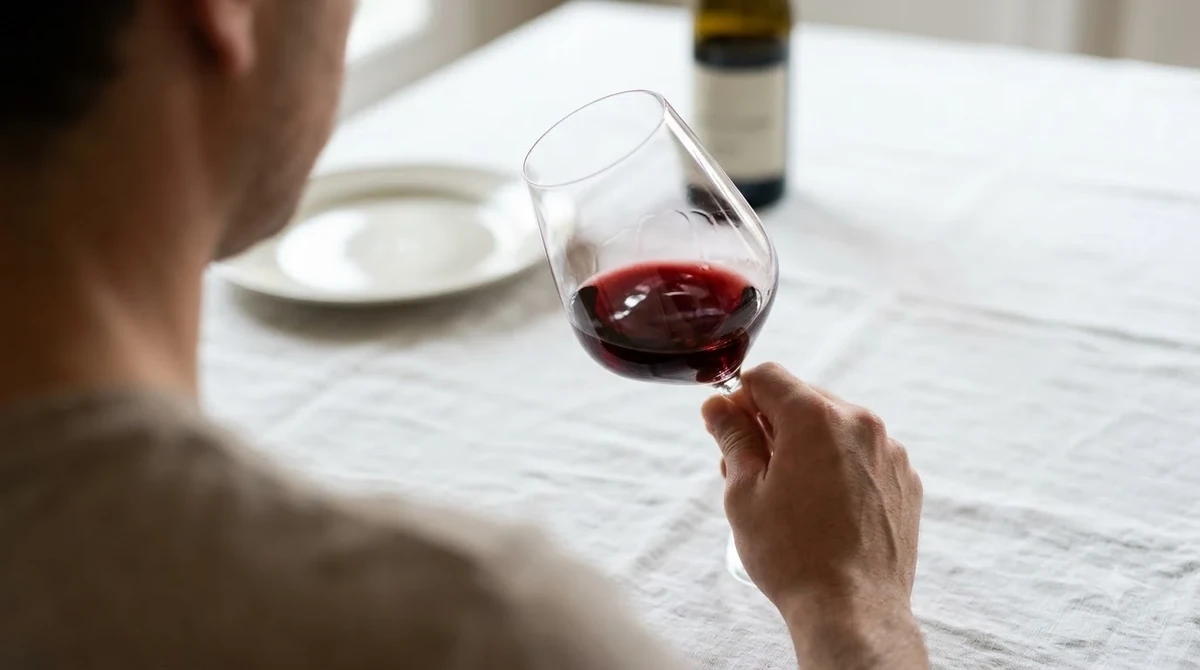
When you taste carmenere side by side with a Merlot, look at the finish first. The Chilean style often ends with a bit more lift and spice, while a Merlot can feel rounder and plusher. Neither is better in every case, but the contrast makes it easier to decide which style you like on a given night.
Many people compare carmenere with Merlot and Cabernet Sauvignon, because the grapes share a family history in Bordeaux. Carmenere usually has softer tannins than Cabernet and a fresher, more fruit-forward profile than many Merlots. The green note is the clearest difference, and it is also what makes the wine easy to tell apart in a tasting.
For a bottle that feels familiar but still interesting, carmenere is a good middle step. It offers the structure of a Bordeaux-style red with a Chilean brightness that suits everyday dinners as well as a slow weekend meal.
Carmenere also works well for a relaxed weeknight. Because it is not heavy, a bottle can be opened for a simple grilled dinner without needing a special occasion, and it keeps well for a day or two once the cork is back in. Many people find that the wine tastes a little rounder the next day, as the fruit settles and the pepper note softens.
Frequently Asked Questions
What does carmenere wine taste like?
Expect raspberry, red cherry, and black plum, with a savory bell pepper note and a little vanilla from oak. The body is medium and the tannins are soft.
Why does carmenere taste like green pepper?
The green notes come from methoxypyrazines, compounds that also appear in Cabernet Franc and Cabernet Sauvignon. Riper fruit tends to show less pepper and more dark fruit.
Is carmenere the same as Merlot?
No. Carmenere is a separate grape from Bordeaux. Chilean growers mistook their vines for Merlot for about a century, and the difference was only confirmed in 1994.
What food goes with carmenere?
Grilled meats with herb sauces, roast pork, poultry, and bean-based dishes all work well. Its gentle tannins suit savory food better than rich, creamy sauces.
Carmenere is a red that rewards a little curiosity. Serve it cool, decant it briefly, and pair it with savory food. For a closer look at the grape itself, see carmenere grape, and to compare with a more familiar red, read about cabernet sauvignon wine. The full Wine by Type guide is a good place to see where carmenere fits among other reds. For the background on the grape’s history and flavors, the Wine Folly page on carmenere is a useful read.
More in Wine Types & Grapes
 Zinfandel Sugar Content: Dry Red vs. White Zinfandel GramsUpdated Nov 21, 2026
 Best Zinfandel Substitute Options for Sipping and CookingUpdated Nov 21, 2026
 Zweigelt Food Pairing: Best Dishes, Cheeses, and Serving TipsUpdated Nov 21, 2026
 Zinfandel Tannins Explained: How Structure Shapes Every BottleUpdated Nov 21, 2026
 Zinfandel Sweetness Level: Dry Red vs. Sweet White Zin ExplainedUpdated Nov 21, 2026
 Xinomavro Food Pairing: Best Dishes, Styles, and Serving TipsUpdated Nov 21, 2026