


We may earn a commission when you buy through links on this page, at no extra cost to you. Learn more.
Concha y Toro wine comes from one of the largest wine companies in Latin America, a Chilean producer founded in 1883 that makes everything from everyday bottles to ultra-premium reds. The company describes itself as the largest producer and exporter of wines from Latin America, with its vineyards and production centered in Pirque, near Santiago. Its best-known label, Casillero del Diablo, has been part of the lineup since 1966, and the range now stretches up to top-tier wines such as Almaviva and Don Melchor.
If you have seen the Concha y Toro name on a shelf and wondered how a single brand can cover so many price points and styles, this guide breaks down the history, the main lines, and how to pick the right bottle for dinner, a gift, or a special occasion.
Who makes Concha y Toro wine
The winery was founded in 1883 by Melchor de Santiago Concha y Toro, a former Chilean Minister of Finance, together with his wife, Emiliana Subercaseaux. The company is headquartered in Santiago, and according to the encyclopedia entry on Concha y Toro it was incorporated as a stock company in 1923. Exports began early for a Chilean producer: according to the company’s history, shipments started in 1933 to Rotterdam in the Netherlands.
Today the business is big. The company reported more than 10,000 hectares under cultivation in 2016 across Chile, Argentina, and the United States. That scale is one reason the brand is so easy to find. Its wines are sold in 135 countries, and the company reported selling more than 33 million cases in 2014. For a buyer, the practical takeaway is that Concha y Toro works as a reliable, widely distributed name, with a structure that covers budget bottles, mid-range wines, and a small number of prestige releases.
The company’s current official website also presents itself as a member of the global B Corp community and promotes responsible consumption, a point worth noting if you are shopping for a group where some guests prefer to drink less.
The main lines in the Concha y Toro range
Concha y Toro does not sell a single “house style.” Instead, the portfolio is organized into tiers, and each tier serves a different purpose. The table below lists the names that the company’s own website places in each group, based on its current catalog. Wine styles inside each line vary by vintage and bottling, so check the label for the grape and vintage before you buy.
| Tier | Examples named by the producer | Who it suits |
|---|---|---|
| Luxury Collection | The Master, Carmín de Peumo, Terrunyo, Amelia | Special dinners and collectors |
| Super Premium | Marqués de Casa Concha, Concha y Toro The Wine | Gifts and food-focused meals |
| Premium | Casillero del Diablo, Diablo | Everyday drinking and parties |
| Varietal | Frontera, Reservado | Casual weeknights |
| Sparkling | Devil’s Brut, Sparkling Zero | Celebrations and brunch |
The company’s older history supports this structure. Casillero del Diablo was launched in 1966 as the company’s hallmark brand. Don Melchor, introduced in 1987, was the first ultra-premium wine from the house. Almaviva followed as a joint venture with Château Mouton Rothschild, which began in 1997. Each of these names marks a step up in ambition, and each one still shapes how people talk about the brand.
The grape list on the company’s site is also broad. Whites include Chardonnay, Sauvignon blanc, Semillon, and Gewürztraminer. Reds include Cabernet Sauvignon, Merlot, and Carménère. Carménère is a grape the company promotes strongly, and its Carmín de Peumo label is presented as a long-term effort to preserve the identity of that variety.
Casillero del Diablo and the everyday bottle
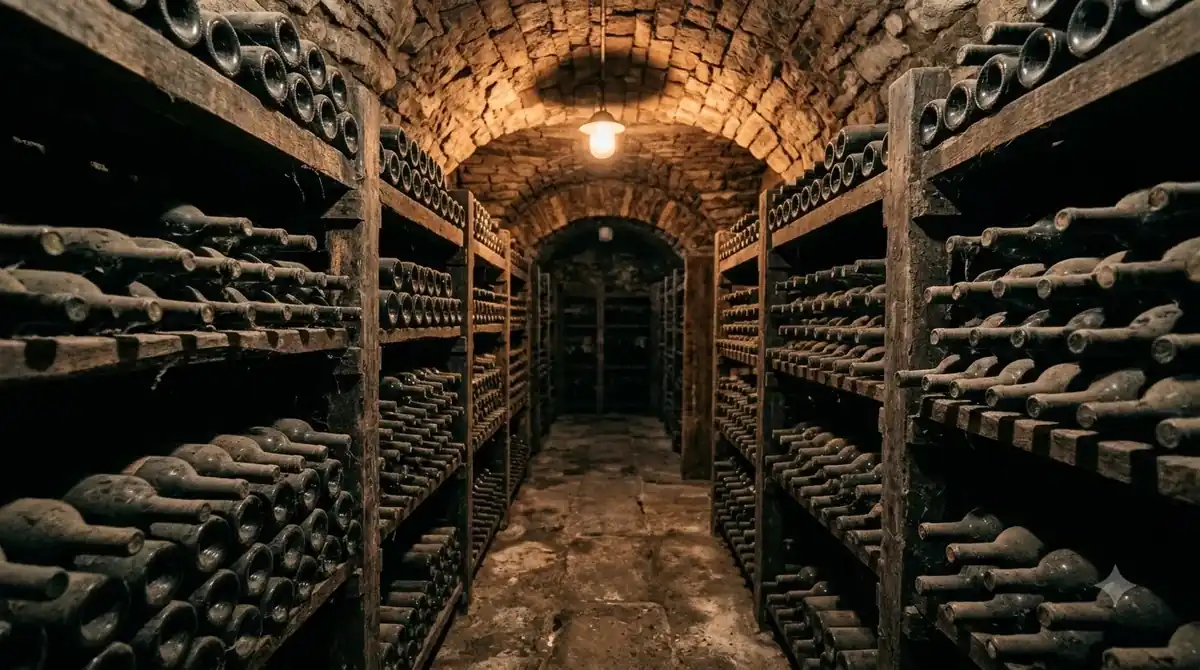
Most shoppers meet the brand through Casillero del Diablo. It is the Premium-tier name that people reach for most often, and it has been on the market since 1966. Its legend is built around the idea of a cellar guarded by the devil, a story the brand has used for decades in its marketing. The label is one of the most recognizable on the shelf, which helps explain why it shows up in so many restaurants, supermarkets, and gift baskets.
Casillero is best approached as a dependable bottle for a crowd. A red from this line works with burgers, tomato-based pasta, grilled chicken, and roasted vegetables. The white styles are a practical match for seafood and salads. If you want to know what you are getting, read the grape name on the back label instead of relying only on the brand’s reputation, because the same name can cover several varieties and blends over the years.
How to serve and pair Concha y Toro wines
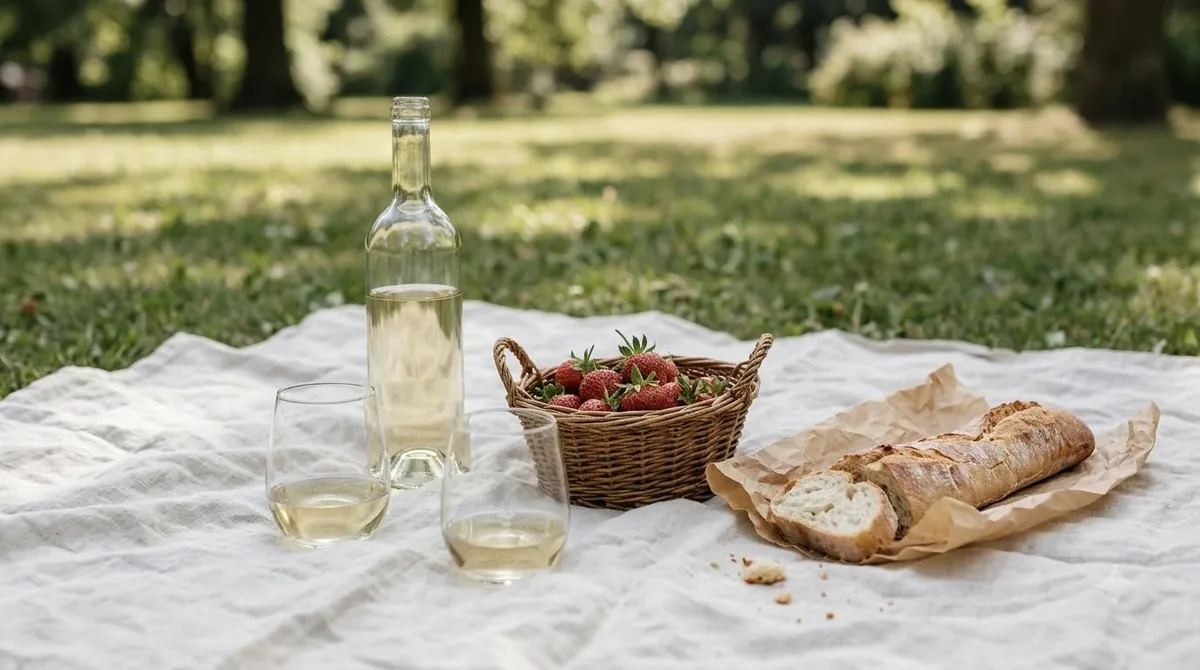
Serving temperature depends on the style rather than the brand. Lighter whites and sparkling wines do best cold, while fuller reds show more of their aroma when they are a little below room temperature. Young, structured reds benefit from a short rest after opening, and a generous pour gives the aromas room to develop in the glass.
For food, match the weight of the wine to the weight of the dish. A medium-bodied red pairs well with grilled meats and hearty sauces, while a full, concentrated red such as a Cabernet-based blend suits steak or lamb. Carménère, which is often described as having herbal and spicy notes alongside dark fruit, is a good choice for roasted vegetables, mushrooms, and grilled pork. Whites like Chardonnay or Sauvignon blanc go well with fish, chicken, and creamy pasta.
How to choose a Concha y Toro bottle
The easiest way to choose is to decide what the bottle is for. For a casual dinner, a Varietal or Premium bottle covers most needs. For a gift or a meal where the wine is part of the story, a Super Premium or Luxury Collection label gives you more to talk about. Sparkling is the simplest option for a celebration because it pairs with almost anything served before dinner.
If you are new to the brand, start with a grape you already like. A Sauvignon blanc or a Cabernet Sauvignon from the Varietal tier gives you a clear point of comparison, and you can move up the lineup from there. Many people who enjoy Chilean wine also explore other producers in the same price band, and the Pedernales wine and Spottswoode wine guides on this site are good next reads if you want to compare different styles of wine from around the world.
Frequently Asked Questions
Is Concha y Toro wine made in Chile?
Yes. The company is headquartered in Santiago, and its vineyards and production facilities are centered in Pirque. It also has vineyards in Argentina and the United States, according to the company’s historical figures.
What is Casillero del Diablo?
It is the Premium-tier label that Concha y Toro introduced in 1966 as its hallmark brand. It is one of the company’s most widely sold wines, and its legend about a guarded cellar is central to the label’s identity.
What is the difference between Concha y Toro and Almaviva?
Almaviva sits near the top of the range. It is produced through a joint venture with Château Mouton Rothschild that began in 1997, and it belongs to the prestige end of the portfolio rather than the everyday shelf.
Which Concha y Toro wine should I try first?
Start with a Varietal bottle in a grape you already know, such as Cabernet Sauvignon or Sauvignon blanc. That gives you a fair baseline before you try a Premium or Super Premium label.
Concha y Toro offers a wide ladder of wines, from dependable everyday bottles to limited prestige releases. Read the tier and the grape on the label, match the wine to the meal, and you will have a clear idea of which bottle fits your table. For more brand guides, visit the Wine Brands section and compare the names that interest you most.
More in Wine Brands
 Underwood Wine Price: Compare Bottles, Cans, and Pack SizesUpdated Nov 21, 2026
 Zenato Wine Price: Compare Styles and Choose the Right BottleUpdated Nov 21, 2026
 Zuccardi Wine Price: Compare Bottles and Find the Right RangeUpdated Nov 21, 2026
 Yellow Tail Moscato Review: Taste, Sweetness and Serving TipsUpdated Nov 21, 2026
 Wolf Blass Yellow Label Review: Choose Your Best StyleUpdated Nov 21, 2026
 Wolffer Estate Rose Review: Choose the Right Bottle for Your TableUpdated Nov 21, 2026