

We may earn a commission when you buy through links on this page, at no extra cost to you. Learn more.
The best chenin blanc under 20 is usually a dry or off-dry bottle from South Africa’s Stellenbosch or Swartland regions, France’s Loire Valley, or California’s Clarksburg region. These wines offer refreshing acidity, expressive fruit, and enough versatility to accompany everything from seafood to spicy Asian dishes. The smartest purchase depends on whether you prefer crisp green apple and citrus flavors, richer peach and tropical fruit, or a slightly sweet finish.
Chenin Blanc deserves more attention from shoppers looking for characterful white wine without moving into expensive bottles. Although the grape can produce complex wines intended for extended aging, it also makes approachable everyday bottles with fresh fruit, lively acidity, and excellent food compatibility. Understanding the differences between its major growing regions, sweetness levels, and winemaking styles makes it easier to choose a bottle that delivers the experience you want.
Who This Is For: Budget-Conscious Chenin Blanc Buyers
Chenin Blanc is an excellent choice for wine drinkers who want more variety than a standard Sauvignon Blanc or Chardonnay without committing to an expensive bottle. Its natural acidity provides freshness, while differences in climate and winemaking create noticeably different expressions across South Africa, France, and California.
This guide is particularly useful for shoppers who enjoy refreshing white wine but want something with a little more texture and personality. A dry Chenin Blanc from Stellenbosch might offer green apple, lemon, pear, and subtle mineral notes. A Vouvray from the Loire Valley could deliver ripe orchard fruit, floral aromas, and a gentle touch of residual sweetness. Neither style needs to be expensive to make an interesting addition to a dinner table.
First-time Chenin Blanc buyers should begin by deciding how much sweetness they enjoy. People accustomed to Pinot Grigio, Albariño, or crisp Sauvignon Blanc will generally find dry Chenin Blanc a comfortable starting point. Those who prefer Riesling with a little sweetness may enjoy an off-dry Vouvray or another lightly sweet Chenin Blanc.
Regular white wine drinkers can also benefit from exploring South African examples. The country produces a particularly broad range of Chenin Blanc, from straightforward fruit-driven wines to more structured old-vine bottlings. Some producers use stainless steel for freshness, while others introduce oak or lees contact to add texture and complexity.
There is also a practical reason to consider this grape: versatility at the table. A refreshing bottle can accompany grilled fish, chicken, salads, soft cheeses, and vegetable dishes. Off-dry versions can work especially well with Thai and Vietnamese food, where a little sweetness helps balance spicy and savory flavors.
Shoppers who are comparing several wine categories can also explore our guide to wine buying fundamentals before making a final selection. Understanding acidity, sweetness, body, and regional labeling makes choosing unfamiliar bottles much easier.
Key Factors to Compare Before Buying
The most useful comparison points are sweetness, acidity, growing region, winemaking approach, and intended food pairing. These five factors reveal more about the likely drinking experience than the grape name alone.
Start with sweetness because Chenin Blanc can range from completely dry to distinctly sweet. A wine described as dry should not taste sugary, although ripe fruit aromas may create an impression of sweetness. Off-dry bottles retain a small amount of residual sugar, which can soften the perception of acidity and make the wine particularly appealing with spicy food.
Next, consider acidity. Chenin Blanc is naturally known for its refreshing acidity, which helps prevent ripe fruit flavors from becoming heavy. This makes it a strong choice for lemon-seasoned seafood, goat cheese, and creamy dishes. If you enjoy crisp white wines, look for dry examples with citrus, green apple, quince, or mineral descriptions.
Region is another important consideration. South African wines often combine ripe orchard fruit with citrus and tropical characteristics. Loire Valley wines can show a more restrained profile with apple, pear, chalky texture, and mineral nuances. California’s Clarksburg region offers another useful direction, with wines that can combine ripe fruit with refreshing acidity.
Winemaking decisions influence texture. Stainless steel fermentation generally preserves fresh fruit characteristics, while oak fermentation or aging can contribute spice, rounded texture, and additional complexity. Lees contact, which involves keeping wine in contact with spent yeast cells, can also create a fuller impression without necessarily making the wine sweet.
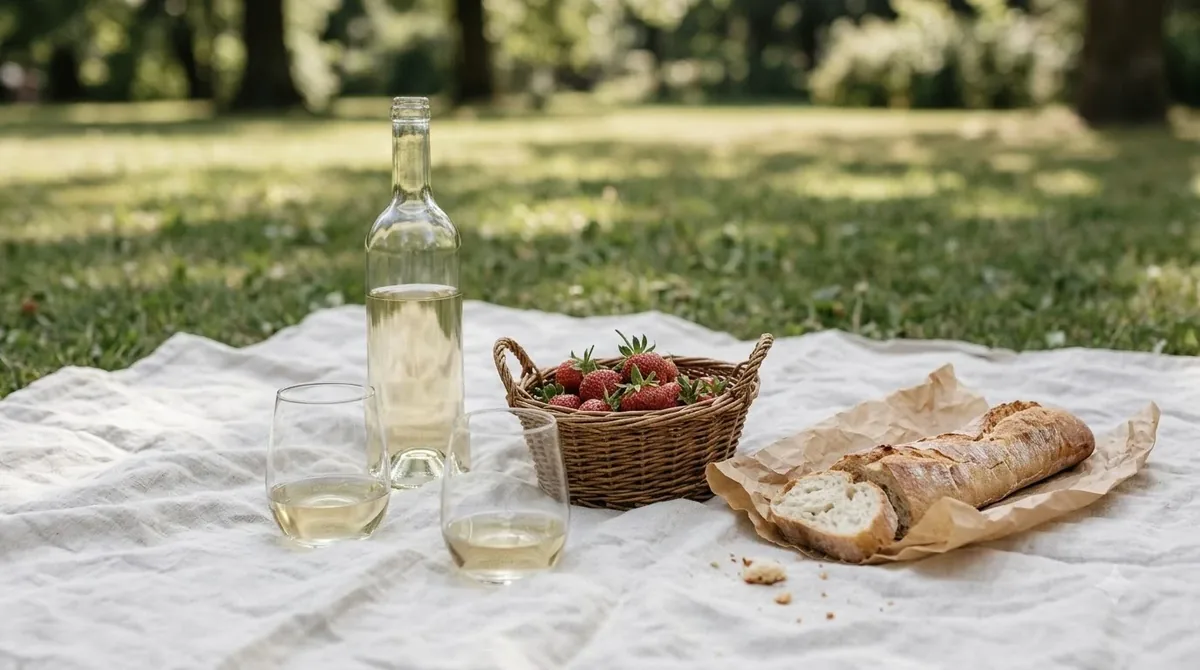
Finally, consider how the bottle will be served. A light, crisp Chenin Blanc may be ideal for an afternoon gathering, while a richer old-vine example can accompany roast chicken or creamy seafood pasta. A slightly sweet bottle may be the better choice for a meal featuring chili, ginger, or sweet-and-sour sauces.
| Comparison Factor | What to Look For | Likely Drinking Experience |
|---|---|---|
| Sweetness | Dry or off-dry description | Crisp or gently rounded finish |
| Acidity | Fresh citrus and green apple | Refreshing, lively palate |
| South African origin | Stellenbosch or Swartland | Ripe fruit and varied texture |
| French origin | Vouvray, Anjou, or Saumur | Orchard fruit and mineral character |
| California origin | Clarksburg | Fruit-forward and approachable |
| Winemaking | Stainless steel, oak, or lees aging | Freshness or additional richness |
| Serving temperature | 45–50°F for light whites | Fresh aromas and balanced acidity |
These factors are more useful when considered together. For example, a dry South African Chenin Blanc fermented in stainless steel is a sensible starting point for someone who likes crisp, fruit-driven white wine. Someone who prefers a rounder texture might instead choose an oak-influenced example from a Loire producer.
For another comparison, explore dry Chenin Blanc styles to understand how bone-dry examples differ from wines with noticeable residual sugar. That distinction is especially useful when choosing wine for a meal.
Step-by-Step: How to Choose a Bottle
A reliable purchase starts with your preferred sweetness level, followed by the wine’s origin and flavor profile. A few straightforward checks can narrow the choices considerably without requiring advanced wine knowledge.
-
Decide how sweet you want the wine.
Choose dry if you enjoy crisp whites such as Sauvignon Blanc or Pinot Grigio. Choose off-dry if you prefer a softer finish with some residual sweetness. For a dessert wine, seek a clearly sweet Chenin Blanc rather than assuming every bottle from Vouvray is sweet.
-
Choose a growing region.
Start with Stellenbosch or Swartland in South Africa for fruit-driven options. Consider Vouvray or Anjou in the Loire Valley for traditional French expressions. Clarksburg in California is another useful place to look, especially if you prefer accessible orchard-fruit flavors.
-
Look for useful tasting descriptions.
Words such as lemon, green apple, quince, and citrus usually suggest a fresh, lively style. Peach, pineapple, melon, and tropical fruit can indicate a riper expression. Honey, honeysuckle, and dried apricot may suggest a sweeter wine, although aromas alone do not establish residual sugar.
-
Consider the winemaking method.
Stainless-steel fermentation is often associated with fresh, direct fruit expression. Oak fermentation can add spice and a fuller texture. Lees aging may provide additional roundness, making the wine feel more substantial alongside creamy dishes.
-
Compare the vintage and bottle size.
Most everyday Chenin Blanc is intended to be enjoyed relatively young, when its fresh fruit remains prominent. A standard 750 ml bottle provides approximately five 5-ounce servings, making it practical for a small dinner or casual gathering.
-
Match the bottle to your food.
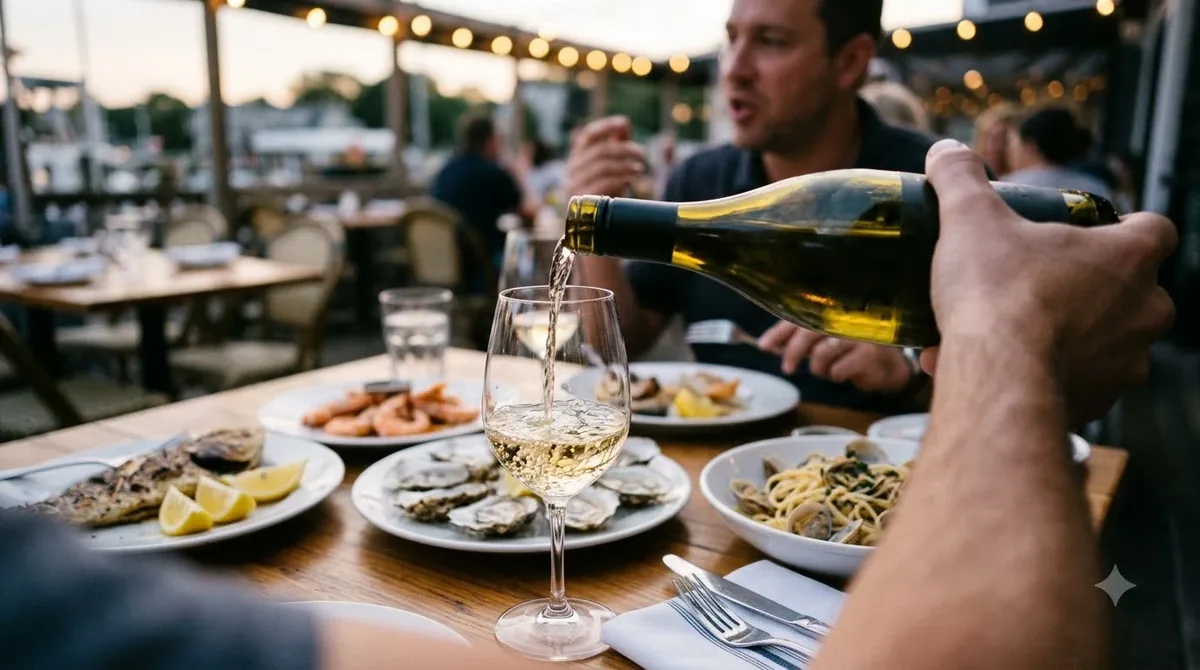
Choose dry, acidic Chenin Blanc for shellfish, grilled fish, and salads. Consider off-dry versions for Thai curries, Vietnamese dishes, or sweet-and-sour preparations. Richer examples can accompany roast chicken, creamy sauces, and mild cheeses.
-
Compare retailer descriptions before completing your selection.
Look at the stated origin, sweetness, vintage, and winemaking information rather than relying on attractive packaging. Availability and regional distribution can differ, so comparing several bottles from the same style category is often more useful than choosing by label appearance.
One helpful shortcut is to choose the food first and the wine second. A dry bottle for grilled shrimp requires a different balance from an off-dry bottle for spicy noodles. Starting with the meal makes it easier to identify the right style.
Tip: If you are uncertain about sweetness, begin with a dry Stellenbosch or Clarksburg Chenin Blanc. If you enjoy the fresh acidity but want a softer finish, move toward an off-dry Vouvray. This simple progression helps identify your preferred style without confusing fruit aromas with actual sugar levels.
Types and Styles Explained: South Africa, Loire Valley, and California
Chenin Blanc has several distinct regional personalities, even though every example comes from the same grape variety. South Africa, the Loire Valley, and California are particularly useful starting points for shoppers comparing affordable bottles.
South African Chenin Blanc
South Africa is an important destination for Chenin Blanc, where the grape is also known as Steen. Stellenbosch, Swartland, and other Western Cape areas produce wines with a broad range of flavors and textures.
Many approachable South African bottles feature pear, apple, peach, pineapple, and citrus. Some are fermented entirely in stainless steel to retain a fresh fruit profile. Others receive oak treatment or lees contact, resulting in a rounder palate with additional texture.
Swartland examples are worth considering if you enjoy wines with ripe fruit and a more substantial personality. Stellenbosch is another useful region to explore, particularly for shoppers interested in comparing straightforward varietal wines with old-vine expressions.
South African producers also demonstrate how versatile the grape can be. It is not limited to simple, light-bodied white wine. Depending on vineyard conditions and cellar choices, Chenin Blanc can offer concentration, structure, and a layered finish while maintaining refreshing acidity.
For additional regional background, South Africa Wine’s Chenin Blanc overview explains the grape’s history, characteristic flavors, vineyard presence, and recommended food pairings.
Loire Valley Chenin Blanc
The Loire Valley in France is the grape’s traditional home and one of the most recognizable sources of Chenin Blanc. Vouvray, Anjou, Saumur, and Savennières are among the appellations worth remembering.
Vouvray is especially useful for shoppers because it produces dry, off-dry, and sweet expressions. A dry Vouvray is generally labeled Sec, while Demi-Sec indicates a wine with greater residual sweetness. Moelleux and Doux are associated with sweeter expressions, although exact sweetness can vary by producer and vintage.
Loire Chenin often emphasizes yellow apple, pear, quince, citrus, and mineral character. Limestone, clay, and flint soils are important elements of the regional identity, and some wines have a distinctive chalky or stony impression.
Anjou and Saumur are also worth exploring. Anjou Blanc can provide fresh orchard fruit and lively acidity, while Savennières is known for more structured and often dry Chenin Blanc. These regional names offer useful clues when shopping for a particular style.
Decanter’s Loire Valley Chenin Blanc style guide also explains the differences between sparkling, dry, off-dry, and sweet regional expressions, including their characteristic aromas and food pairings.
California Chenin Blanc
California offers an alternative for drinkers who prefer ripe fruit and a relatively accessible flavor profile. Clarksburg, in particular, is associated with increasingly interesting Chenin Blanc production.
Dry Creek Vineyard and Folk Machine are two names that appear in discussions of California Chenin Blanc. Their wines demonstrate different approaches to expressing the grape. Folk Machine’s Clarksburg Merritt Island bottling, for example, is described as using indigenous yeast fermentation in concrete eggs and stainless steel tanks.
California examples may emphasize green apple, apricot, lemon zest, quince, and ripe fruit. They can be a good fit for shoppers who want refreshing acidity without the more restrained mineral character sometimes associated with Loire wines.
Understanding the Difference Between Dry and Sweet
Chenin Blanc’s natural versatility means that the grape name alone does not tell you how sweet the wine will taste. A bottle can be completely dry, gently off-dry, or noticeably sweet.
Dry versions are particularly useful as everyday table wines. They can accompany seafood, salads, roasted vegetables, and poultry. Off-dry versions offer a different experience because their residual sugar balances acidity and can complement spicy or sweet-and-sour dishes.
Sweet Chenin Blanc is another category entirely. It can show ripe peach, apricot, honey, and citrus, with enough acidity to keep the wine balanced. Those interested in this expression can explore sweet Chenin Blanc for a closer look at dessert-friendly bottles.
Common Mistakes When Shopping for Chenin Blanc
The most common shopping mistakes involve assuming that every Chenin Blanc tastes the same, confusing fruit aromas with sweetness, and overlooking regional labeling. Understanding these distinctions makes the selection process considerably more reliable.
Assuming Every Chenin Blanc Is Sweet
One persistent misconception is that Chenin Blanc is automatically a sweet wine. Although the grape is capable of producing excellent dessert wines, many examples are completely dry.
A dry Vouvray, a Savennières, or a dry South African Chenin Blanc can be crisp and refreshing. These wines can be excellent alternatives to familiar dry whites, especially for people who want more orchard-fruit character and texture.
Confusing Ripe Fruit With Residual Sugar
Fruit aromas can create an impression of sweetness even when the wine contains very little residual sugar. Pineapple, ripe peach, pear, and melon do not automatically indicate an off-dry wine.
The distinction is important because a dry wine with ripe tropical aromas can still finish crisp. Conversely, an off-dry wine may taste less sweet than expected because Chenin Blanc’s acidity balances its remaining sugar.
Ignoring the Regional Differences
Choosing a bottle based only on the words Chenin Blanc can lead to an unexpected experience. A Swartland wine may feel quite different from a Vouvray, while a Clarksburg example can show another combination of fruit and acidity.
Think of the region as a useful first filter. South Africa is a strong starting point for fruit-forward variety, Loire Valley appellations offer traditional French expressions, and California provides an accessible New World alternative.
Choosing the Wrong Sweetness for Food
A bone-dry white wine can taste overly sharp beside a dish with noticeable sweetness. Similarly, a sweet wine may feel heavy alongside delicate seafood if the food does not have enough flavor to balance it.
Match the wine to the dominant flavor rather than just the main ingredient. A lemon-dressed fish dish works well with an acidic dry Chenin Blanc, while a mildly spicy Thai curry may benefit from an off-dry version.
Serving the Wine Too Cold
Very cold wine can hide delicate aromas and make its acidity seem more pronounced. This is particularly noticeable with Chenin Blanc because its fruit and texture are important parts of the drinking experience.
Light whites and rosé generally work well around 45–50°F, while fuller white wines are better around 50–55°F. Avoid leaving the bottle in an ice bucket for an unnecessarily long period if you want to appreciate its more subtle aromas.
Another common comparison mistake is assuming that a familiar grape must be the better value. Someone who usually purchases best Cabernet Sauvignon under 20 may enjoy exploring Chenin Blanc as a different option for lighter meals, seafood, and warm-weather dining.
Care and Storage Tips for Better Chenin Blanc
Proper serving and storage preserve Chenin Blanc’s fresh fruit, natural acidity, and aromatic character. For most everyday bottles, the main priorities are avoiding excessive heat, serving at the right temperature, and storing leftovers correctly.
Serve at the Appropriate Temperature
Light, crisp Chenin Blanc is generally best served between 45°F and 50°F. Fuller-bodied examples can benefit from slightly warmer temperatures of 50°F to 55°F, which allow more of their texture and aromatic complexity to show.
A practical approach is to chill the bottle in the refrigerator before serving, then allow it to warm slightly in the glass if its aromas seem muted. Avoid serving every white wine at refrigerator temperature without considering its body and style.
Use an Appropriate Glass
A standard white wine glass is suitable for most Chenin Blanc. A bowl with enough room to swirl helps release aromas of citrus, apple, pear, peach, and floral notes.
There is no need to purchase specialized glassware to enjoy an everyday bottle. A clean glass with a reasonably sized bowl is sufficient for appreciating the wine’s freshness and texture.
Store Unopened Bottles Correctly
Keep unopened bottles away from direct sunlight, temperature fluctuations, and excessive heat. For bottles intended for longer storage, a cool environment near 55°F is a useful target.
Traditional cork-sealed bottles are generally stored horizontally so the cork remains in contact with the wine. Screw-cap bottles do not require the same cork-moisture consideration, although they still benefit from cool, stable storage.
Most affordable Chenin Blanc is intended for relatively early enjoyment rather than extended cellar aging. Unless a producer specifically recommends aging, there is little reason to hold an everyday bottle for years before opening it.
Preserve an Opened Bottle
Once opened, reseal the bottle and place it in the refrigerator. Most still wines remain enjoyable for approximately three to five days, although their aromas and freshness gradually change after exposure to oxygen.
Keep the bottle upright after opening to reduce the surface area exposed to air. If you only drink one glass at a time, a suitable wine stopper can help preserve the remaining wine between servings.
Before pouring a leftover glass, allow it a few minutes outside the refrigerator if it has become excessively cold. This small adjustment can make the remaining fruit and floral aromas easier to appreciate.
Chenin Blanc is particularly rewarding as a weekday wine because it does not require elaborate serving rituals. A properly chilled bottle, suitable food, and a clean glass are enough to enjoy most affordable examples.
Frequently Asked Questions
Is Chenin Blanc the same grape as Steen?
Yes. Steen is the traditional South African name for Chenin Blanc. The name refers to the same grape variety rather than a separate white wine grape. Both names can appear in discussions of South African wine production and regional wine culture.
Can Chenin Blanc be made into sparkling wine?
Yes. Chenin Blanc is used in sparkling wines from the Loire Valley, including Crémant de Loire, Saumur Mousseux, and Vouvray Pétillant. These wines can provide fresh apple, citrus, and floral aromas alongside lively bubbles. Traditional-method sparkling wines undergo their second fermentation in the bottle.
Does Chenin Blanc have tannins?
White Chenin Blanc generally has much less noticeable tannin than red wines, but grape skins can contribute a subtle phenolic or textural sensation. Skin contact and winemaking choices can influence this impression. It is not the same structure typically associated with heavily tannic Cabernet Sauvignon.
Can an affordable Chenin Blanc be aged?
Some Chenin Blanc wines have considerable aging potential, particularly structured examples from the Loire Valley and carefully made South African old-vine wines. However, aging potential depends on the producer, vineyard, vintage, acidity, and winemaking approach. Most everyday bottles intended for casual drinking are better enjoyed while their primary fruit character is fresh.
What does old-vine Chenin Blanc mean?
Old-vine Chenin Blanc comes from vineyards containing mature grapevines, although the precise age threshold can vary between producers and regions. Older vines may produce smaller crops and more concentrated fruit, depending on growing conditions and vineyard management. The term alone does not guarantee superior quality, so the producer and wine style remain important considerations.
The best Chenin Blanc under 20 is ultimately the bottle that matches your preferred sweetness, regional character, and food pairing. Start with a dry South African or California example if you enjoy crisp whites, or explore Vouvray if you prefer a softer, potentially off-dry style. With its natural acidity, versatile flavors, and range of expressions, Chenin Blanc is one of the most rewarding white wine grapes to explore on a limited budget.
More in Wine Buying Guides
 Riesling Gift: Choose a Bottle They’ll LoveUpdated Nov 21, 2026
 Sweet Red Wine Gift: Choose a Bottle They’ll LoveUpdated Nov 21, 2026
 Malbec Gift: How to Choose a Memorable Bottle for Any OccasionUpdated Nov 21, 2026
 Sherry Gift Ideas That Match Every Wine LoverUpdated Nov 21, 2026
 Moscato Gift: How to Choose a Sweet Wine They’ll LoveUpdated Nov 21, 2026
 Merlot Gift: How to Choose a Bottle They’ll AppreciateUpdated Nov 21, 2026