


We may earn a commission when you buy through links on this page, at no extra cost to you. Learn more.
Chenin Blanc acidity is naturally high, giving this white wine its refreshing crispness and helping balance everything from bone-dry Loire whites to richly sweet dessert wines. The grape is known for lively citrus, green apple, and quince characteristics, although ripeness, climate, and winemaking influence how sharp or rounded a particular bottle tastes. Understanding its acidity makes it easier to choose between dry, off-dry, sparkling, and sweet expressions and find suitable food pairings.
Chenin Blanc is one of the most versatile white grapes because its natural acidity provides structure across a remarkably broad range of wine styles. A bottle from Savennières in France can taste lean, mineral, and intensely fresh, while an oak-influenced South African example may feel fuller and creamier without losing its underlying freshness. Sweet Vouvray offers another expression, combining concentrated fruit and residual sugar with refreshing acidity. Rather than assuming every bottle tastes equally tart, it helps to understand what creates that sensation and how to recognize it when choosing wine.
What Chenin Blanc Acidity Means in the Glass
Chenin Blanc is generally classified as a high-acid white wine, meaning it produces a noticeable sensation of freshness and tartness. Its acidity is especially recognizable in dry examples, where citrus, green apple, and quince flavors create an energetic, mouthwatering finish.
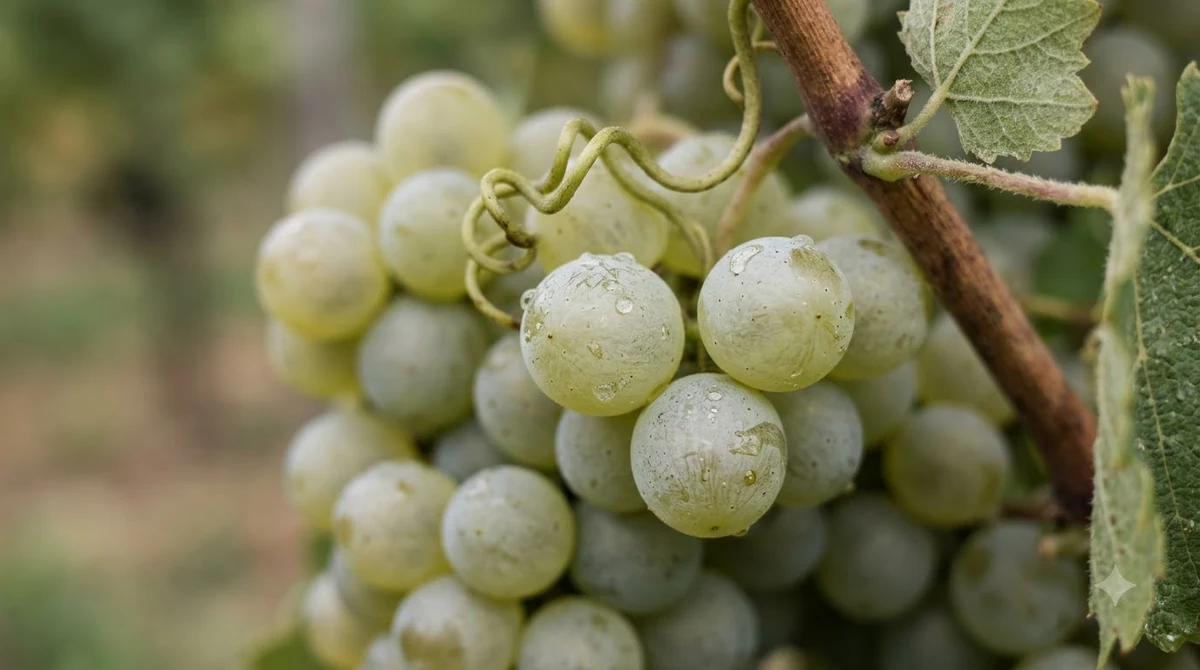
Acidity is one of the main structural components of wine, alongside sweetness, alcohol, tannin, and body. In white wine, it often creates a refreshing sensation that makes the mouth water. With Chenin Blanc, this characteristic is particularly important because the grape can produce wines ranging from completely dry to intensely sweet without losing its ability to deliver freshness.
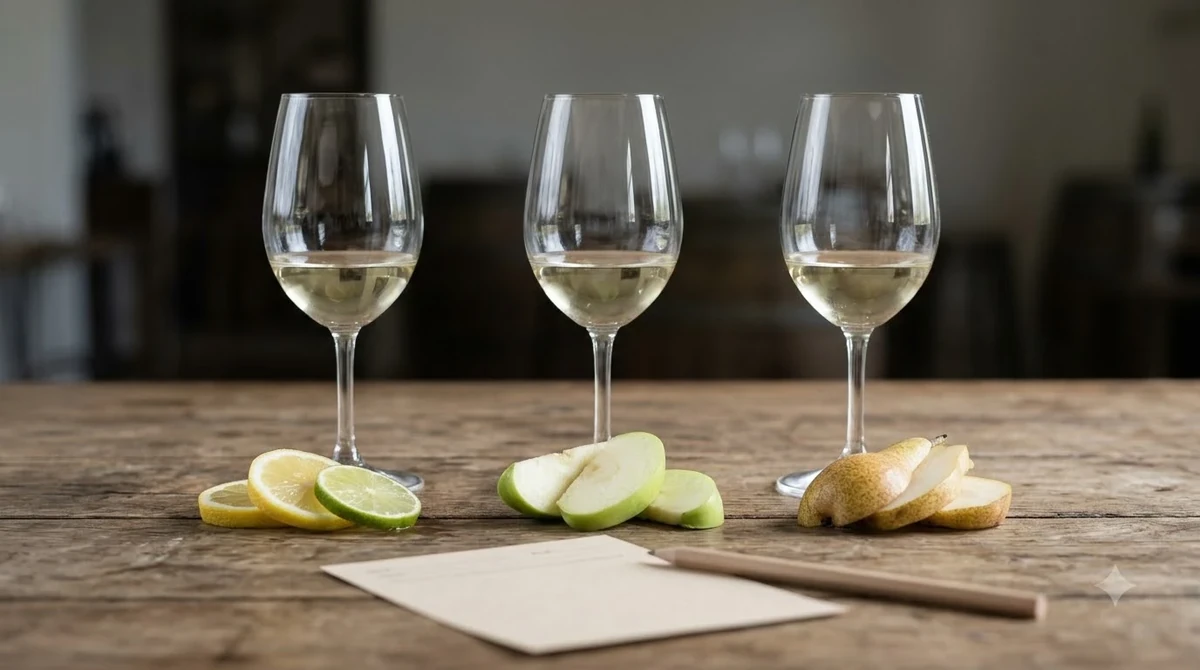
When tasting Chenin Blanc, look for sensations similar to biting into a crisp Granny Smith apple, squeezing fresh lemon over seafood, or eating a slightly tart quince. These comparisons help explain the difference between acidity and fruit flavor. A wine can smell ripe and fruity while still tasting sharply refreshing. For example, a Chenin Blanc with aromas of peach, pear, and honey may have enough acidity to finish cleanly rather than feeling heavy.
Acidity also influences the length and shape of a wine’s finish. A high-acid Chenin Blanc often leaves a fresh, mouthwatering impression after swallowing, encouraging another sip. Lower-acid white wines may feel softer and rounder, particularly when they have fuller bodies or noticeable residual sugar.
It is useful to distinguish perceived acidity from measured acidity. Total acidity describes the concentration of acids in a wine, generally expressed in grams per liter, while pH measures how acidic the liquid is on a logarithmic scale. These measurements are related but are not interchangeable. Two bottles with similar total acidity can feel different because their sweetness, alcohol, fruit concentration, and winemaking choices affect the overall balance.
For everyday wine selection, tasting perception is often more useful than trying to interpret laboratory measurements. A wine with green apple, lemon, and a crisp finish will usually feel fresher than a rounded, creamy white with ripe peach and vanilla characteristics, even if both have substantial natural acidity.
Why Chenin Blanc Retains Its Natural Freshness
Chenin Blanc retains naturally high acidity because of its grape characteristics, growing conditions, and relatively late ripening behavior. Climate, harvest timing, vineyard location, and winemaking determine whether that acidity tastes sharply citrus-driven or more integrated with ripe fruit.
Chenin Blanc is an early-budding but late-ripening grape. This growing pattern gives producers considerable flexibility when deciding when to harvest, but it also requires careful vineyard management. Picking earlier generally preserves more freshness and emphasizes green apple, citrus, and tart pear. Allowing grapes to ripen further produces riper fruit flavors, including peach, melon, and tropical fruit.
Climate plays a major role. Cooler growing conditions in France’s Loire Valley often produce wines with pronounced freshness, delicate fruit, and mineral characteristics. In warmer parts of South Africa, Chenin Blanc can develop fuller fruit flavors while retaining enough acidity to prevent the wine from becoming flat or excessively heavy.
Soil also contributes to the wine’s overall expression. Limestone-based vineyard sites are associated with fresh, structured expressions, while clay-rich soils can contribute to rounder, richer textures. The exact result depends on vineyard location, water availability, grape ripeness, and cellar decisions rather than soil type alone.
Winemaking choices further influence the way acidity is experienced. Stainless-steel fermentation typically helps preserve fresh fruit characteristics, while oak fermentation and maturation can introduce vanilla, toasted nuts, and a broader texture. Aging on lees can also add creaminess and complexity. These techniques do not automatically eliminate the grape’s natural acidity, but they can make the wine feel less sharply focused on tart fruit.
Residual sugar is another important factor. A winemaker can retain some natural grape sugar to balance the wine’s acidity, creating an off-dry expression that tastes smoother than a completely dry example. The resulting wine may still have considerable freshness, even when its fruit flavors suggest sweetness.
Tip: If you prefer crisp, refreshing whites, start with a dry, unoaked Chenin Blanc from the Loire Valley or a fresh South African bottling. If sharp acidity is not your preference, try an off-dry or oak-influenced example with a fuller texture.
How Dry, Off-Dry, Sweet, and Sparkling Styles Differ
Chenin Blanc’s acidity makes it suitable for several different wine styles, including bone-dry still wines, lightly sweet whites, concentrated dessert wines, and sparkling bottles. The amount of residual sugar and the winemaking method determine how the acidity feels in each expression.
Dry Chenin Blanc is generally the most straightforward introduction for drinkers who enjoy crisp white wine. It often features green apple, lemon, white peach, quince, and floral aromas. The acidity provides a clean, refreshing finish, making dry examples suitable for drinking before a meal or alongside seafood and lighter dishes.
Off-dry Chenin Blanc contains some residual sugar, but its natural acidity helps prevent the sweetness from becoming overwhelming. Vouvray is a particularly useful example because producers make wines across different sweetness levels. A bottle labeled demi-sec can combine noticeable sweetness with enough freshness to remain balanced. This style can be especially appealing to people who enjoy fruity white wine but find completely dry versions too sharp.
Sweet Chenin Blanc takes the relationship between sugar and acidity further. Wines from Coteaux du Layon, Bonnezeaux, and Quarts de Chaume can contain concentrated fruit flavors and rich sweetness. Botrytis cinerea, commonly called noble rot, may contribute honeyed, apricot, and dried-fruit characteristics. The grape’s acidity is important because it prevents these concentrated wines from tasting excessively heavy.
Sparkling Chenin Blanc uses the grape’s natural freshness to produce lively wines with energetic bubbles. Crémant de Loire and sparkling Vouvray are notable examples. Traditional-method sparkling wines undergo their second fermentation in the bottle, creating bubbles and often developing additional bread, pastry, and yeasty characteristics during aging.
These styles demonstrate why acidity should not be confused with sweetness. A dry Chenin Blanc can taste extremely crisp, but a sweet version can also have high acidity. The difference is the balance between the wine’s sugar, fruit concentration, and refreshing structure.
The following table summarizes the typical differences between the main styles and provides practical starting points when choosing a bottle.
| Style | Typical sweetness | Acidity perception | Common characteristics |
|---|---|---|---|
| Dry (Sec) | Dry | High and prominent | Green apple, lemon, quince |
| Off-dry (Sec Tendre) | Light sweetness | High but balanced | Pear, peach, floral notes |
| Demi-Sec | Noticeable sweetness | Fresh and lively | Apricot, honey, ripe apple |
| Doux | Very sweet | Refreshing beneath sweetness | Honey, candied fruit, apricot |
| Sparkling | Varies by bottling | Bright and refreshing | Citrus, apple, floral notes |
French sweetness terminology can help identify the intended style, although producers and appellations may have different labeling conventions. In Vouvray, Sec generally indicates dry wine, while Demi-Sec and Doux indicate progressively sweeter expressions. Sparkling wines can also have different sweetness levels, so it is useful to consider both the wine’s style and its sweetness designation.
How Region and Climate Influence Acidity
The Loire Valley in France and South Africa are two important reference points for understanding regional differences in Chenin Blanc acidity. Both produce wines with refreshing natural structure, but climate, vineyard conditions, and winemaking create different combinations of fruit, body, and freshness.
Loire Valley, France: The Loire is Chenin Blanc’s traditional home, with important appellations including Vouvray, Savennières, Saumur, Anjou, and Montlouis-sur-Loire. Cooler growing conditions can preserve lively acidity and emphasize green apple, quince, lemon, white flowers, and mineral notes.
Savennières is particularly associated with dry, structured Chenin Blanc. These wines can feel intense and concentrated, with pronounced freshness and savory characteristics. Vouvray offers greater stylistic variety, including dry, off-dry, sweet, and sparkling expressions. Meanwhile, Coteaux du Layon and Quarts de Chaume are associated with rich sweet wines in which acidity provides an important counterbalance to concentrated fruit and sugar.
South Africa: Chenin Blanc is widely planted throughout the Cape Winelands, where it is also traditionally called Steen. The country’s warmer growing conditions can encourage ripe pear, peach, guava, passion fruit, and other tropical fruit flavors. Despite this fruit richness, many examples maintain refreshing acidity.
South African producers make everything from straightforward unoaked wines to more concentrated examples sourced from mature bush vines. Oak fermentation, lees aging, and careful vineyard selection can create fuller wines with additional complexity. The best examples retain freshness rather than relying entirely on richness and ripe fruit.
South Africa’s wine industry identifies Chenin Blanc as the most widely cultivated variety in the Cape. Its regional importance explains why the country offers such a broad selection of styles, from fresh everyday whites to age-worthy single-vineyard expressions.
California also produces Chenin Blanc, although it is less central to the grape’s international identity than France and South Africa. American examples can range from light and fruity to richer, more concentrated wines. The final style depends on vineyard climate, harvest decisions, and the producer’s approach to fermentation and aging.
For a practical regional comparison, choose a dry Vouvray or Savennières alongside an unoaked South African Chenin Blanc. Compare the lemon and quince characteristics of the French wine with the riper pear and tropical fruit flavors of the South African example. Both can be refreshing, even though their fruit profiles and textures differ.
For additional background on the grape’s traditional home, read where is chenin blanc from. Understanding the Loire’s different appellations makes it easier to recognize why two bottles made from the same grape can taste so different.
How to Recognize Acidity When Tasting Chenin Blanc
The easiest way to recognize Chenin Blanc acidity is to pay attention to the first sensation on the palate, the wine’s mouthwatering effect, and how long its refreshing character lasts. Fruit aromas alone do not tell you whether a wine will taste sharply acidic.
Begin by smelling the wine. Green apple, lemon, grapefruit, quince, and white peach are common reference points in fresher styles. Riper examples may show pear, melon, guava, pineapple, and honey. These aromas provide clues about the fruit profile, but they do not establish the wine’s actual sweetness or acidity by themselves.
Take a small sip and notice the sensation along the sides of your tongue and inside your cheeks. High acidity often creates a mouthwatering response, similar to the sensation of eating a tart green apple. A wine that tastes fresh and lively is likely to have prominent acidity, even if its fruit flavors are ripe and generous.
Next, consider the middle of the palate. Does the wine feel lean and energetic, or does it have a fuller, creamier texture? Dry Chenin Blanc from a cooler site may emphasize citrus and mineral freshness. An oak-aged South African example may have more weight, texture, and ripe fruit, but still retain noticeable acidity.
The finish provides another useful clue. A high-acid Chenin Blanc generally leaves a clean, refreshing impression rather than a heavy or sugary sensation. In sweet examples, the acidity should remain noticeable beneath the sweetness. The wine may taste rich initially, but it should not feel entirely flat or syrupy.
Comparing two wines side by side is an effective way to develop your palate. Pour approximately 5 ounces of each wine into separate glasses and taste them at similar temperatures. Choose a dry Vouvray and a fuller South African Chenin Blanc, for example. Notice how the French wine may emphasize lemon and green apple while the South African wine shows ripe peach and guava.
Wine labels can also provide useful clues. Terms such as Sec, Demi-Sec, and Doux describe sweetness rather than acidity. Words such as fresh, crisp, mineral, and lively often suggest a style in which acidity is an important feature, although tasting remains the best way to understand the actual balance.
Laboratory measurements can offer additional context. For example, a South African Chenin Blanc with total acidity of 6.8 grams per liter and a pH of 3.31 would have a measurable acid structure, but those numbers should not be treated as universal targets. Grape ripeness, residual sugar, alcohol, and winemaking influence the finished wine’s perception.
If you are exploring the grape for the first time, our guide to what does chenin blanc taste like explains its characteristic fruit, floral, and honeyed notes in more detail.
Food Pairings That Work With Chenin Blanc Acidity
Chenin Blanc’s acidity makes it an adaptable food wine because it can refresh the palate between bites and balance dishes with richness or moderate spice. The best pairing depends on the wine’s sweetness, body, and fruit intensity rather than acidity alone.
Dry Chenin Blanc works particularly well with seafood. Its freshness complements grilled trout, halibut, shrimp, and white fish prepared with lemon or herbs. The wine’s acidity cuts through buttery sauces and helps keep richer fish dishes from feeling excessively heavy. It can also work with steamed mussels, especially when the preparation includes garlic, herbs, or a light cream sauce.
Goat cheese is another classic pairing, particularly with crisp Loire Chenin Blanc. The wine’s acidity complements the cheese’s tangy character, while its fruit flavors provide contrast. Fresh chèvre, mild cow’s milk cheese, and soft cheeses can all work well depending on the wine’s intensity.
South African Chenin Blanc is particularly suitable for chicken, pork, and dishes with aromatic spices. An unoaked bottle can accompany roast chicken, grilled turkey, vegetable dishes, or mild curries. Fuller oak-influenced examples can handle richer preparations such as roast pork belly, creamy fish pie, and chicken with mushroom sauce.
Off-dry Chenin Blanc is useful when a meal includes noticeable spice or sweetness. A little residual sugar can complement mildly spicy Thai or Malay dishes, while the wine’s acidity prevents the combination from becoming too heavy. However, extremely hot chili dishes can make alcohol and tannin seem more aggressive, so a moderate-alcohol, slightly sweet example is generally a better choice than a powerful dry wine.
Sweet Chenin Blanc belongs alongside fruit desserts, apple tarts, apricot pastries, and certain cheeses. The wine should be at least as sweet as the dessert; otherwise, the food can make it taste unexpectedly sour. Sweet Chenin Blanc also works with salty blue cheese because the contrast between concentrated sweetness and salt creates balance.
For a simple pairing guide, consider these combinations:
- Grilled fish: Dry Chenin Blanc with lemon, herbs, and lightly seasoned vegetables.
- Goat cheese: Crisp Loire Chenin Blanc with fresh chèvre and a green salad.
- Roast chicken: Fuller South African Chenin Blanc with roasted root vegetables.
- Mild curry: Off-dry Chenin Blanc with aromatic spices and moderate chili heat.
- Apple tart: Sweet Chenin Blanc with concentrated fruit and honeyed characteristics.
- Blue cheese: A richly sweet late-harvest Chenin Blanc with sufficient sweetness to balance the salt.
Acidity also helps Chenin Blanc complement dishes with fatty or creamy textures. However, preparation matters. A delicate fish dish with lemon butter may work beautifully with a crisp white, while a strongly flavored preparation with excessive chili may overwhelm a lighter wine.
Serving Temperature and Storage for Better Freshness
Serving Chenin Blanc at the correct temperature helps preserve its refreshing acidity without suppressing its aromas and texture. Lighter, unoaked examples generally benefit from cooler serving temperatures, while fuller oak-influenced wines need slightly more warmth to reveal their complexity.
For most light-bodied, fresh Chenin Blanc, a temperature of 45–50°F works well. Fuller white wines can be served around 50–55°F, allowing their ripe fruit, oak, and richer textures to become more apparent. Very sweet Chenin Blanc is generally enjoyable around 43–50°F, while sparkling examples are best served around 40–50°F.
Serving a wine too cold can make its aromas difficult to recognize and make its acidity seem more pronounced. Serving it too warm can make alcohol feel more noticeable and reduce the refreshing sensation. If a bottle has been stored in the refrigerator, allow a fuller example a little time in the glass before evaluating its aromas and texture.
Glassware also matters. A standard white wine glass with a moderately sized bowl gives Chenin Blanc enough room to release its aromas while keeping the wine focused. More complex, oak-aged examples can benefit from a slightly larger glass because additional space allows their floral, fruit, and savory notes to develop.
Storage is important if you intend to keep Chenin Blanc for future drinking. Store unopened bottles in a cool, dark environment near 55°F, with minimal temperature fluctuations. Traditional cork-finished bottles should generally be stored on their sides to help keep the cork from drying out.
Many fresh, unoaked Chenin Blanc wines are intended for relatively early enjoyment, while more concentrated dry and sweet examples can develop additional complexity in the bottle. Wines of South Africa identifies the grape’s acidity as an important contributor to aging potential, noting that suitable examples can mature for 8–10 years or longer.
Once opened, still Chenin Blanc generally keeps for approximately 3–5 days in the refrigerator when properly resealed. Sparkling examples are best enjoyed sooner, usually within 1–3 days when stored with an appropriate sparkling-wine stopper. Keeping the wine cold and limiting exposure to air helps preserve its fresh fruit and acidity.
For additional serving advice, see our guide to whether Chenin Blanc should be chilled. The right temperature can make a noticeable difference in how clearly the wine’s freshness, fruit, and texture come through.
Frequently Asked Questions
Is Chenin Blanc more acidic than Chardonnay?
Chenin Blanc generally has higher perceived acidity than many fuller, oak-aged Chardonnay wines, although the comparison depends on the individual bottles. Chardonnay from cooler regions can also have pronounced acidity. A particularly useful comparison is dry Loire Chenin Blanc alongside an oak-aged Chardonnay from a warmer growing region.
Does Chenin Blanc contain citric acid?
Wine acidity comes from several naturally occurring acids, including tartaric, malic, and smaller amounts of citric acid. Tartaric acid is the principal acid in most grape wines. Malic acid can contribute a sharper, green-apple-like impression, which helps explain some of Chenin Blanc’s characteristic tart fruit sensations.
Can Chenin Blanc undergo malolactic fermentation?
Yes. Some producers use malolactic fermentation to convert sharper malic acid into softer lactic acid. This can create a rounder impression and sometimes contribute buttery or creamy characteristics. It is a stylistic choice rather than a requirement for making Chenin Blanc, and many producers preserve the grape’s crisp character instead.
What is the difference between pH and total acidity in Chenin Blanc?
pH measures the strength of acidity on a logarithmic scale, while total acidity measures the combined concentration of measurable acids. A lower pH generally indicates greater acid strength, but total acidity provides different information about the wine’s acid content. Winemakers consider both measurements when evaluating grape ripeness and finished wine balance.
Can Chenin Blanc develop petrol-like aromas with age?
Some mature Chenin Blanc wines develop unusual savory, waxy, and complex aromas that differ from their youthful apple and citrus character. These can include lanolin, beeswax, dried herbs, and sometimes mineral or petroleum-like impressions. Bottle development depends on the vineyard, vintage, winemaking, and storage conditions rather than acidity alone.
Chenin Blanc’s naturally high acidity is the foundation of its versatility, allowing the grape to produce everything from crisp dry whites to sparkling wines and concentrated sweet expressions. Start with a dry Loire bottle if you enjoy pronounced freshness, or explore South African Chenin Blanc for riper fruit and fuller textures. For further reading, Decanter’s Chenin Blanc grape guide provides additional information about its regional styles and characteristic flavors.
More in Wine Types & Grapes
 What Does Ruby Port Taste Like? Flavor Notes, Styles, and Serving TipsUpdated Nov 21, 2026
 What Does Ribolla Gialla Taste Like? Crisp White and Amber Styles ExplainedUpdated Nov 21, 2026
 What Does Semillon Taste Like? Flavor Profile, Styles & PairingsUpdated Nov 21, 2026
 What Does Scuppernong Taste Like? Flavor, Styles, and Pairing GuideUpdated Nov 21, 2026
 What Does Saperavi Taste Like? Flavors, Styles, and Pairing GuideUpdated Nov 21, 2026
 What Does Natural Wine Taste Like? Flavors, Styles, and Serving TipsUpdated Nov 21, 2026