

We may earn a commission when you buy through links on this page, at no extra cost to you. Learn more.
Coravin wine opener instructions are straightforward: install a Coravin Pure argon capsule, insert the needle through a suitable natural cork, tilt the bottle, and press and release the trigger to pour wine without removing the cork. The Timeless system replaces the wine removed from the bottle with argon gas, helping protect the remaining wine from oxidation. Correct bottle positioning, short trigger presses, and regular cleaning are essential for reliable operation and efficient capsule use.
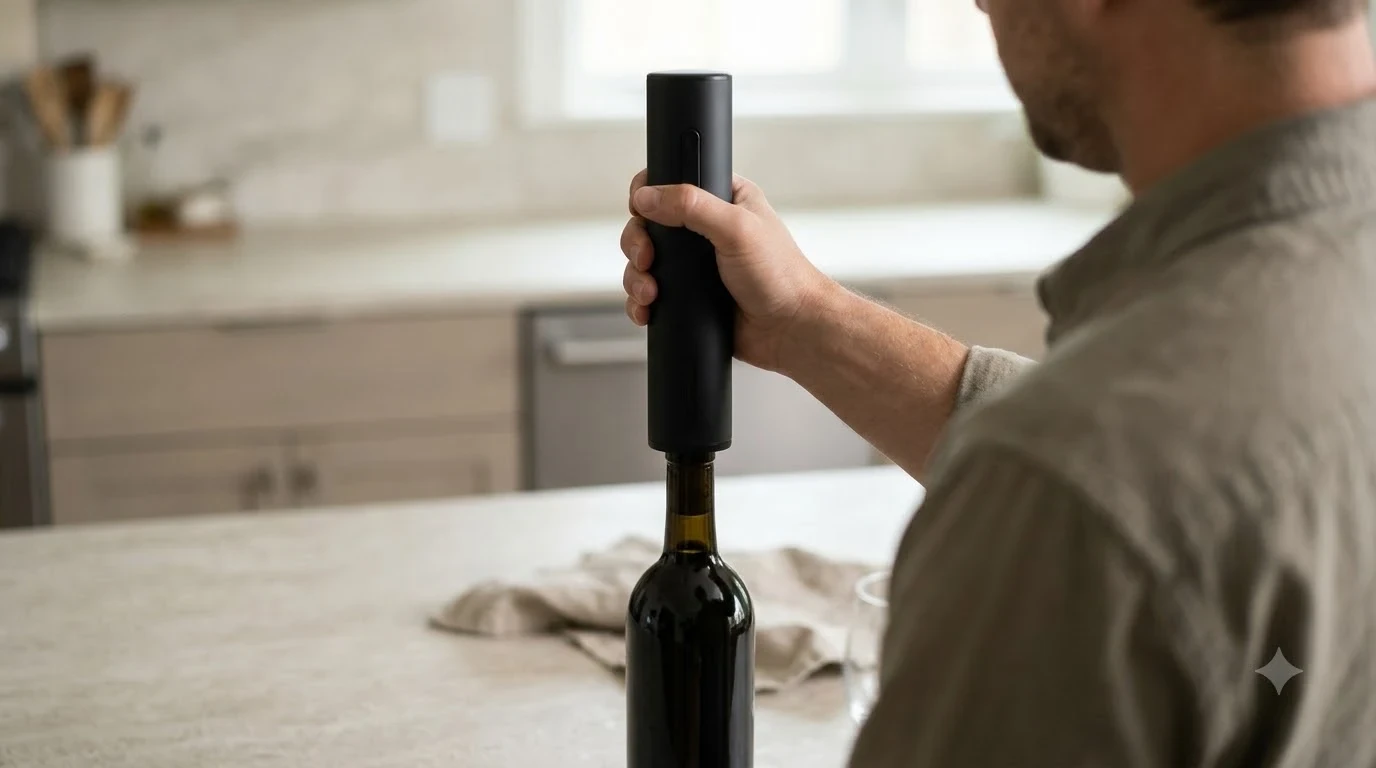
A Coravin wine opener works differently from a traditional corkscrew. Instead of pulling the cork, its needle passes through the closure, allowing wine to flow into a glass while the original cork remains in place. This makes it particularly useful for wine collectors, tasting groups, and anyone who wants an occasional glass without committing to an entire bottle. However, the system has specific requirements involving capsule installation, cork condition, pouring technique, and storage. The following review explains how the Timeless system works, what owners should understand before using it, and where its limitations matter.
Specs and Key Features
The Coravin Timeless wine preservation system combines a precision needle, a capsule-powered gas mechanism, and a bottle-clamping assembly to dispense wine without pulling the cork. Its main advantage is that it provides access to individual glasses while leaving the bottle’s original closure intact. Understanding its components and operating specifications makes the first use considerably easier.
The system is designed primarily for still wine bottles sealed with natural cork. The needle creates a narrow passage through the cork, while argon gas enters the bottle to replace the volume of wine being poured. After the needle is withdrawn, a suitable natural cork can reseal itself. This approach differs from ordinary vacuum stoppers, which operate only after the bottle has been opened and exposed to air.
| Feature | Coravin Timeless specification or behavior |
|---|---|
| Preservation gas | 100% pure argon |
| Closure compatibility | Natural cork; compatible screw caps with the dedicated accessory |
| Capsule capacity | Approximately 15 glasses |
| Standard serving reference | 5 ounces per glass |
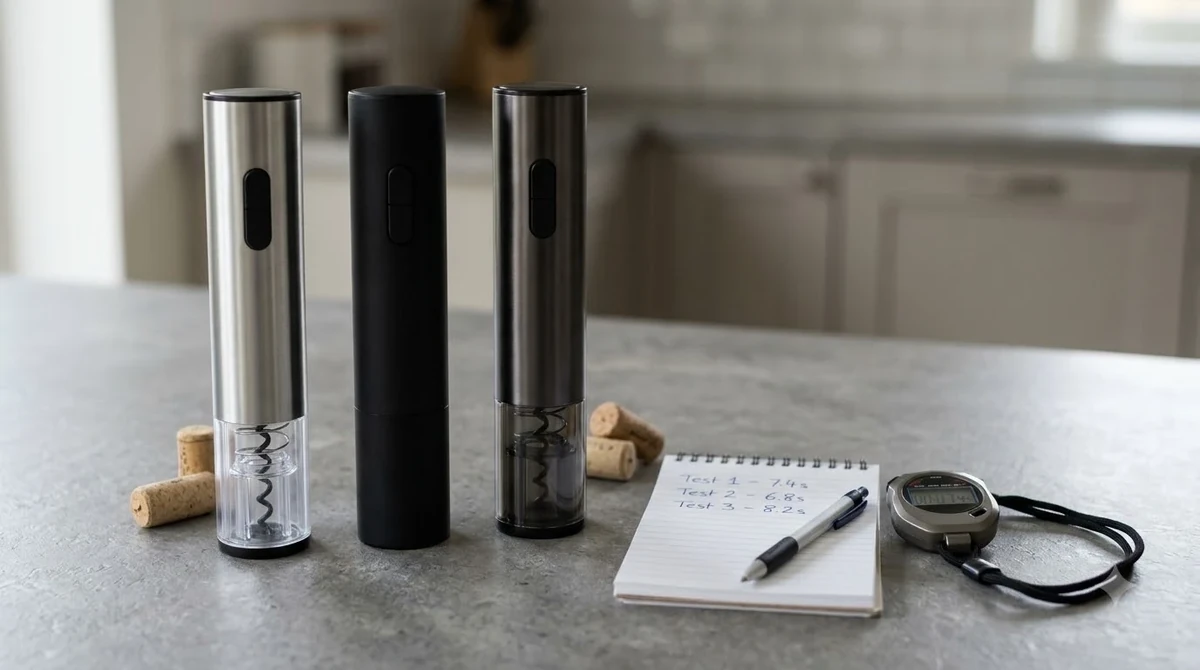
| Average pouring time | Approximately 25–30 seconds per 5-ounce glass |
| Pouring mechanism | Manual trigger and hollow needle |
| Bottle angle | Approximately 45 degrees |
| Storage position | Horizontal, in a suitable wine-storage environment |
| Screw-cap accessory lifespan | Up to 50 insertions |
| Cleaning method | Warm, clean water and a soft cloth |
These specifications are based on Coravin’s Timeless system instructions and product information. Capsule output is an approximate figure rather than a guaranteed number because pouring habits, bottle fill levels, and the amount of gas released can affect consumption. Coravin recommends short trigger presses rather than prolonged activation to make each capsule last longer.
The needle is another important part of the design. It must be securely attached and free of cork particles before use. A clogged needle can interrupt the wine flow even when the capsule still contains gas. Coravin provides different needle options for different requirements, including Standard, Faster Pour, and Vintage versions. Wine Enthusiast explains that the Standard Needle suits everyday use, while the Vintage Needle is intended for particularly delicate or older corks.
What the argon system actually does
Argon is an inert gas, meaning it does not readily react with the wine. When the user activates the trigger, the gas pressurizes the bottle and helps push wine through the hollow needle. Because the cork remains in place, the bottle can return to storage without the conventional exposure associated with removing the entire closure.
There is an important distinction between the Timeless system and other Coravin products. Timeless accesses wine through natural cork, while the Pivot system requires removing the original closure and fitting a dedicated stopper. These are different operating methods, so the instructions for one should not automatically be applied to the other.
For a closer look at the manufacturer’s operating explanation, consult Coravin’s explanation of how its wine preservation systems work.
What Owners Like About the Coravin System
The strongest advantage of the Coravin Timeless system is its ability to dispense individual glasses without removing a suitable natural cork. It is particularly useful for households with several open wine preferences, collectors who want to sample bottles over time, and people who enjoy comparing different grape varieties during one evening.
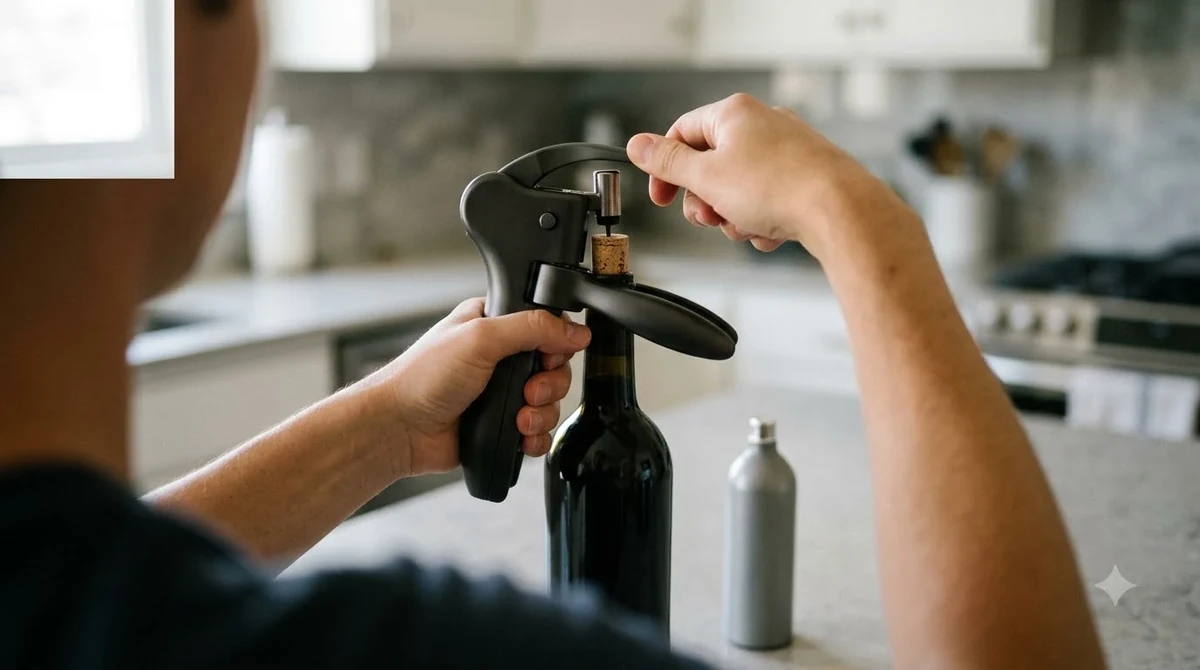
Traditional wine openers require the user to remove the cork before pouring. Once that happens, the remaining wine begins interacting with oxygen in the bottle’s headspace. Refrigeration and ordinary stoppers can slow deterioration, but they do not reverse the initial exposure. Coravin takes a different approach by keeping the original closure in place throughout the dispensing process.
Another advantage is the ability to sample wines without planning an entire bottle around one meal. Someone might pour a small glass of Cabernet Sauvignon with dinner and choose Chardonnay the following evening. The remaining bottles can return to appropriate storage instead of becoming unfinished bottles that need to be consumed quickly.
Useful for wine tasting and collection management
For organized tastings, the system offers a practical way to compare wines without opening several complete bottles. For example, a host could serve a small amount of Pinot Noir, Syrah, and Merlot during one tasting session. Each bottle remains available for another occasion, assuming its closure is suitable and the cork is in good condition.
The same advantage applies to expensive or mature wines. A collector may want to assess a particular bottle before deciding whether to open it fully for a special meal. A Coravin system provides a way to draw a serving while leaving the remaining wine under its original cork.
However, the condition of the closure matters just as much as the dispensing mechanism. An old, brittle, loose, or deteriorated cork may not provide the protection expected from the system. Coravin specifically warns against continuing to use Timeless when a cork moves during insertion or pouring.
Capsule capacity and controlled pouring
Coravin states that one Pure Capsule provides approximately fifteen standard 5-ounce glasses with a Timeless system. That capacity makes it possible to plan several tasting sessions before replacing a capsule. It also helps explain why careful trigger operation matters.
Users can control the flow by pressing and releasing the trigger in short bursts. This approach avoids unnecessarily releasing argon into the bottle. The wine begins flowing when the trigger is released, so holding the mechanism down continuously is not the recommended technique.
The system also offers a useful advantage for switching between wines. A short trigger press can clear residual wine from the needle before moving to another bottle. This is particularly helpful during a tasting where red and white wines are served close together.
Owners who already organize wine accessories on a dedicated bar cart can keep the Coravin device, compatible capsules, glasses, and cleaning supplies together. A consistent setup makes it easier to find the equipment and avoid misplacing the small needle-clearing accessory.
Common Complaints and Operating Limitations
The Coravin Timeless system has some important limitations, especially concerning closure compatibility, needle maintenance, and gas consumption. It is not a universal corkscrew, and using it with the wrong bottle closure can compromise wine preservation even if the device appears to dispense wine successfully.
The most significant limitation concerns synthetic corks. Unlike natural cork, synthetic material does not reliably reseal after the needle is withdrawn. Wine may leak, and oxygen can enter the bottle during subsequent storage. A bottle with a synthetic closure should therefore not be treated as a suitable Timeless bottle simply because the needle can physically pass through the material.
Old and cold corks can cause difficulties
Natural cork becomes less elastic as it ages, and colder corks can also take longer to recover after needle insertion. This may produce a small amount of wine on the surface after the device is removed. A few drops do not necessarily indicate a malfunction, but persistent dripping deserves attention.
Before accessing an older bottle, examine the cork and check whether it feels firmly seated. If it moves noticeably under gentle pressure, the closure may already be compromised. Coravin warns that a deteriorated cork can be pushed into the bottle or displaced by internal pressure. Stop using the Timeless device on a bottle showing these signs and open it with a conventional corkscrew instead.
Slow pouring and gas consumption
Some users may initially find the dispensing process slower than pouring from an ordinary open bottle. Coravin gives an approximate 25-to-30-second reference for a standard 5-ounce serving. The first pour from a bottle can also require several trigger presses before the wine flows consistently.
Gas consumption is another practical consideration. A capsule rated for approximately fifteen standard glasses can deliver fewer servings if the trigger is held down for long periods or excessive gas escapes during pouring. Users should also expect the last portion of a bottle to require more gas because the available liquid volume is smaller relative to the remaining bottle space.
Compatibility is not universal
Timeless is intended for natural cork and compatible screw-cap bottles using the dedicated Coravin Screw Cap accessory. It is not designed for every closure type. Glass stoppers, synthetic corks, and other nonstandard closures require a different approach.
Coravin’s Pivot system is the alternative for bottles with different closure types. It works by removing the original closure and inserting a dedicated stopper immediately afterward. This is a different preservation method, with a shorter intended preservation period than the Timeless approach.
These limitations mean the Coravin system is most appropriate for users who understand their wine bottles and are comfortable following specific operating instructions. Someone who mainly buys inexpensive everyday wine and finishes each bottle in one evening may not need a needle-based preservation device.
Who Should Buy and Who Should Skip the Coravin
The Coravin Timeless system is best suited to people who regularly drink wine by the glass and want to keep suitable bottles available for future occasions. It is especially appealing to collectors, wine educators, restaurant professionals, and enthusiasts who compare several wines without opening every bottle completely.
Its practical value increases when a household regularly purchases wines sealed with natural cork. For example, someone who keeps several bottles of Bordeaux, Burgundy, or Napa Valley Cabernet Sauvignon may appreciate the ability to pour individual servings without removing the cork. The same applies to wine enthusiasts who enjoy comparing Chardonnay from different regions during separate meals.
Buy it if you regularly sample different wines
A Coravin device makes sense for someone who wants flexibility rather than simply another way to remove a cork. Consider a household where one person prefers Sauvignon Blanc while another prefers Pinot Noir. Instead of opening two bottles and feeling pressure to finish them within a few days, each person can pour a glass from the appropriate bottle.
It is also useful for educational wine tastings. A wine student might want to compare the acidity of Riesling with the structure of Cabernet Sauvignon, or examine how different vintages of the same wine develop. Accessing a measured serving from each bottle can make those comparisons easier to organize.
Skip it if you usually finish bottles immediately
Someone who regularly shares a bottle with several guests and finishes it during dinner may gain little from the additional equipment. A conventional corkscrew and a suitable stopper are simpler for that pattern of use.
The system is also less attractive for people who primarily buy screw-cap or synthetic-cork wines but do not want to purchase compatible accessories. In that situation, a different Coravin system may be more appropriate, or a conventional wine preservation stopper may be sufficient.
Consider how often the device will be used, how many compatible bottles are in the collection, and whether the additional capsule and needle maintenance fits the user’s routine. The preservation advantage is meaningful only when the system matches actual drinking habits.
How It Compares to Alternatives
Coravin offers several wine preservation approaches, and choosing between them depends mainly on bottle closure, drinking frequency, and the type of wine being preserved. The Timeless system is the most distinctive option for accessing wine through natural cork, while Pivot and conventional corkscrews serve different purposes.
Coravin Timeless versus Coravin Pivot
The Timeless and Pivot systems share the goal of allowing wine to be consumed over multiple occasions, but their operating methods are different. Timeless inserts a needle through the existing cork, while Pivot requires the original cork or screw cap to be removed and replaced with a special stopper.
Coravin describes Timeless as a system for preserving wine without removing its natural cork. Pivot is designed for wines with natural, synthetic, glass, or screw-cap closures and offers preservation for up to four weeks according to the manufacturer. This makes Pivot more flexible with bottle types, while Timeless is more appropriate for people who want to keep the original natural cork intact.
For someone who primarily buys wines sealed with synthetic corks, Pivot is generally the more suitable Coravin option. For a collection of naturally cork-sealed wines that may be revisited over longer periods, Timeless has the more relevant design.
Coravin versus a conventional corkscrew
A traditional corkscrew is inexpensive to operate, easy to store, and suitable for nearly every bottle with a removable cork. It does not require argon capsules, a specialized needle, or periodic cleaning of a dispensing mechanism. Its main limitation is that it removes the original closure and exposes the remaining wine to air.
The Coravin system adds complexity but provides a different preservation advantage. It makes sense when the ability to pour one glass without opening the bottle is more important than keeping the opening process simple. A conventional corkscrew remains the sensible choice for bottles that will be shared and finished promptly.
Coravin versus other preservation accessories
Ordinary wine stoppers and vacuum devices work after a bottle has been opened. They can help manage exposure, but they cannot recreate the original unopened condition of a bottle. Coravin Timeless avoids removing the natural cork in the first place.
People who want a simpler combination of opening and short-term preservation equipment can also consider a wine opener and preserver set. Such accessories are useful for everyday bottles, particularly when the wine is expected to be consumed within a few days. They do not perform the same function as a needle-based system.
For shoppers comparing different wine accessories, the Accessory Brands category provides another starting point for understanding the equipment available for serving, opening, and preserving wine.
Frequently Asked Questions
These additional answers cover practical details that are easy to overlook when learning to use the Coravin Timeless system. Understanding them can help prevent unnecessary gas loss, closure problems, and maintenance issues.
Can you use Coravin on a bottle more than once?
Yes. Coravin Timeless is designed to access suitable natural corks repeatedly. However, Coravin advises that repeated needle insertions can eventually affect cork integrity, particularly with very frequent dispensing. Its guidance identifies approximately fifteen insertions as a point where extra caution may be appropriate for some bottles.
Can you travel on an airplane with a Coravin system?
The device itself can generally travel without its gas capsules. Coravin states that Pure Capsules are prohibited for air travel under applicable US transportation restrictions. Travelers should check the relevant airline and destination-country requirements before packing any replacement capsules.
Does Coravin work with large-format wine bottles?
Compatibility depends on the bottle neck, closure, and device configuration rather than bottle volume alone. A standard Timeless system should not automatically be assumed to fit every unusual bottle format. Check the manufacturer’s compatibility guidance before attempting to access a large-format bottle.
Can you use a Coravin system with dessert wine?
Still dessert wines can be accessed with suitable Timeless closures. However, Coravin recommends running its cleaning routine twice after dispensing dessert or fortified wines because their higher sugar content can leave additional residue inside the system. This is particularly important before switching to a different bottle.
Does Coravin work with bottles that have glass stoppers?
The Timeless needle system is designed for natural cork rather than glass stoppers. Coravin Pivot is the more flexible option because it uses a replacement stopper after the original closure has been removed. The correct system depends on the specific bottle closure and preservation period required.
The Coravin Timeless system is a specialized wine accessory rather than a replacement for every conventional corkscrew. Its main benefit is the ability to pour individual glasses from suitable natural-cork bottles while leaving the original closure in place. Follow the capsule installation, insertion, pouring, and cleaning instructions carefully to get reliable results and avoid unnecessary gas consumption. For collectors and regular wine tasters, that added flexibility can make the system a useful part of a well-organized wine setup.
More in Wine Accessories
 Coravin Vs Vacu Vin: Choose the Right Wine Saver for Your BottlesUpdated Nov 21, 2026
 Zwilling Wine Stopper Review: Preserve Open Bottles LongerUpdated Nov 21, 2026
 Wine Enthusiast Wine Preserver Review: Features, Benefits and LimitationsUpdated Nov 21, 2026
 Wine Enthusiast Wine Stopper: An Easier Way to Reseal Open BottlesUpdated Nov 21, 2026
 Vintorio Wine Opener: Two-Step Cork RemovalUpdated Nov 21, 2026
 Zwilling Wine Aerator Review: Aerate, Pour, and Seal With One ToolUpdated Nov 21, 2026