


We may earn a commission when you buy through links on this page, at no extra cost to you. Learn more.
Concha y Toro wine price typically ranges from about $9 to $160 for a 750 ml bottle, depending on the label, wine style, and vintage. Everyday selections such as Frontera and Casillero del Diablo occupy the more affordable end, while Marqués de Casa Concha and Terrunyo offer more premium choices. Don Melchor sits at the luxury end of the portfolio, with tracked US retail prices reaching approximately $144 to $160 for selected vintages. Comparing individual wine ranges rather than the producer name alone is the easiest way to find a suitable bottle.
Chile’s Viña Concha y Toro produces a broad portfolio, so its wines cover several different shopping budgets and drinking occasions. A bottle carrying the Concha y Toro name might be an everyday Cabernet Sauvignon, a fresh Sauvignon Blanc, a structured Carmenere, or a collectible premium Cabernet. Understanding the labels, bottle sizes, and vintage differences helps explain why prices vary substantially across the range.
Who This Is For: Understanding Different Concha y Toro Budgets
Concha y Toro suits shoppers who want to compare Chilean wines across everyday, midrange, and premium categories without limiting themselves to one grape variety. Its portfolio includes red, white, rosé, sweet, and sparkling options, with several distinct labels occupying different positions.
For everyday drinking, Frontera and Casillero del Diablo are useful starting points. Frontera belongs to the producer’s Varietal Wines category, while Casillero del Diablo is classified as a Premium Wine. These distinctions help explain why two bottles from the same producer can have noticeably different retail prices even when they feature the same grape.
Shoppers looking for a more developed bottle can consider Marqués de Casa Concha or Terrunyo. The former belongs to the Super Premium category, while Terrunyo appears in the Luxury Collection. These ranges are appropriate starting points for people who want to compare more premium Chilean wines without immediately moving to the producer’s most expensive offerings.
At the luxury end, Don Melchor is a separate consideration. Its Cabernet Sauvignon is considerably more expensive than everyday labels, and vintage selection becomes particularly important when comparing bottles. The difference is significant enough that shoppers should identify the exact wine and vintage before deciding whether a quoted price is reasonable.
This guide is particularly useful for three types of buyers:
- Everyday wine shoppers: People seeking accessible reds, whites, or larger-format bottles for regular meals and casual gatherings.
- Premium wine buyers: Shoppers interested in Marqués de Casa Concha, Terrunyo, or Amelia and their more specialized wine styles.
- Collectors and gift buyers: People comparing Don Melchor vintages or choosing a more prestigious Chilean bottle for a special occasion.
For a broader introduction to the producer’s labels and wine styles, the Concha y Toro wine overview provides useful context before narrowing the search to a particular bottle.
Key Factors to Compare When Shopping for Concha y Toro Wine
The biggest pricing differences come from the wine label, grape variety, vintage, and bottle size. A 750 ml bottle of Don Melchor is not directly comparable with a 1.5-liter Frontera bottle, even though both carry the same producer name.
The following table uses reported US retail ranges for selected wines. Caveau’s figures represent typical prices across tracked vintages, while Total Wine’s examples illustrate displayed retailer listings. They are reference points rather than guaranteed prices in every state.
| Wine or label | Style or variety | Bottle size | Typical US retail reference |
|---|---|---|---|
| Frontera | Cabernet Sauvignon, Cabernet Merlot, Sauvignon Blanc | 1.5 L | About $9.99 at Total Wine |
| Casillero del Diablo | Cabernet Sauvignon | 750 ml | About $12 |
| Marqués de Casa Concha | Cabernet Sauvignon | 750 ml | About $22–$23 |
| Marqués de Casa Concha | Carmenere | 750 ml | About $23 |
| Terrunyo | Carmenere | 750 ml | About $48–$49 |
| Amelia | Chardonnay | 750 ml | About $49.99 at Total Wine |
| Don Melchor | Cabernet Sauvignon | 750 ml | About $144–$160 |
Sources: Caveau’s tracked US retail listings and Total Wine’s displayed product listings. Caveau’s reported ranges cover specific vintages, while the retailer examples reflect individual displayed listings. Prices vary by state and retailer.
1. Brand tier
The label is one of the quickest ways to estimate where a bottle sits in the portfolio. Frontera is positioned in the varietal category, Casillero del Diablo in the premium category, Marqués de Casa Concha in the super-premium category, and Terrunyo in the Luxury Collection.
These categories provide a helpful starting point, but they do not establish a universal quality ranking for every bottle. A buyer who enjoys approachable, fruit-forward Cabernet Sauvignon might prefer an affordable label over a more expensive wine with a different structure or flavor profile.
2. Grape variety and wine style
Concha y Toro produces wines from varieties including Cabernet Sauvignon, Carmenere, Merlot, Chardonnay, Sauvignon Blanc, Malbec, Pinot Noir, and Syrah. Each grape produces a different drinking experience, so the preferred style matters as much as the price.
Cabernet Sauvignon generally has higher tannin, while Merlot is softer and usually has medium tannin. Carmenere is an important Chilean red variety, and Sauvignon Blanc offers a more refreshing white-wine alternative. Chardonnay provides another option for buyers who prefer a fuller-bodied white.
3. Vintage and bottle format
Vintage can make a meaningful difference, particularly for premium wines. Caveau’s tracked Don Melchor examples cover the 2020 and 2021 vintages, while its Marqués de Casa Concha Cabernet Sauvignon references cover 2022 and 2023.
Bottle size also changes the comparison. Total Wine lists Frontera Cabernet Sauvignon and Cabernet Merlot in 1.5-liter formats, while its Don Melchor and Amelia listings use standard 750 ml bottles. A larger bottle contains twice the wine of a standard bottle, so comparing shelf prices without considering volume can produce a misleading impression.
For additional context on the producer’s categories and individual labels, consult the official Concha y Toro wine portfolio.
Step-by-Step: How to Compare Prices Before Buying
A reliable comparison starts with the exact label and bottle size, followed by the vintage and retailer. These steps help separate genuine differences between wines from ordinary variations in shop pricing.
-
Identify the exact label.
Start by deciding whether the intended purchase is Frontera, Casillero del Diablo, Marqués de Casa Concha, Terrunyo, Amelia, or Don Melchor. Avoid searching only for Concha y Toro because the broad producer name covers wines with very different positions in the portfolio.
-
Choose the grape variety.
Decide whether Cabernet Sauvignon, Carmenere, Merlot, Chardonnay, or Sauvignon Blanc suits the occasion. A structured red for grilled beef is a different purchase from a crisp white intended for seafood or a light lunch.
-
Confirm the bottle size.
Compare 750 ml bottles with other 750 ml bottles whenever possible. If a retailer lists a 1.5-liter Frontera bottle, remember that it contains twice the volume of a standard bottle.
-
Compare the vintage.
For Marqués de Casa Concha and Don Melchor, compare the same vintage across retailers before judging the price. Different vintages may attract different retail valuations, particularly in premium categories.
-
Check multiple US retailers.
Look at established wine merchants and retailers such as Total Wine, as well as price comparison services that identify listings from several merchants. Retail availability and local taxes can create differences between states.
-
Calculate the price per 750 ml equivalent.
For a 1.5-liter bottle, divide the displayed bottle price by two to establish its equivalent cost per standard 750 ml bottle. This does not make the wines identical, but it makes volume comparisons more useful.
-
Consider the occasion.
Choose an everyday bottle for casual meals, a midrange wine for a dinner party, or a premium label for a more formal gift. The most expensive bottle is not automatically the most suitable choice.
Tip: Keep the producer, label, grape, vintage, and bottle size together when comparing prices. A 750 ml Don Melchor Cabernet Sauvignon from one vintage should not be compared directly with a 1.5-liter Frontera blend simply because both are listed under Concha y Toro.
For buyers who already know they prefer red wine, narrowing the search to Concha y Toro red wine makes the comparison more practical. It avoids mixing Cabernet Sauvignon and Carmenere pricing with unrelated white and sparkling wine listings.
Types and Styles Explained Across the Concha y Toro Portfolio
Concha y Toro’s portfolio contains several label families, each serving a different purpose in the wine market. Understanding the distinction between Frontera, Casillero del Diablo, Marqués de Casa Concha, and Don Melchor makes price differences easier to interpret.
Frontera: approachable varietal wines
Frontera belongs to the producer’s Varietal Wines category. It is a sensible starting point for shoppers who want familiar grape varieties and larger-format bottles for casual occasions.
Total Wine lists Frontera Cabernet Sauvignon, Cabernet Merlot, and Sauvignon Blanc in 1.5-liter bottles. Its displayed listings place these examples at approximately $9.99 per bottle, although prices vary by state and retailer.
Frontera is worth considering for informal dinners, outdoor gatherings, and situations where buying a larger quantity is more practical than selecting a premium 750 ml bottle. Its Cabernet Merlot combination also offers an alternative to purchasing a single-variety Cabernet Sauvignon.
Casillero del Diablo: the everyday premium step
Casillero del Diablo occupies the Premium Wines category. It is an option for shoppers who want to move beyond entry-level varietal wines without entering the higher-priced Marqués de Casa Concha or Don Melchor categories.
Caveau reports a typical US retail price of approximately $12 for its tracked 2023 Casillero del Diablo Cabernet Sauvignon in a 750 ml bottle. That provides a useful reference point for comparing this label with Frontera and other Chilean Cabernet Sauvignon options.
The range also includes red, white, rosé, and sparkling expressions in the producer’s wider portfolio. The official selection identifies Casillero del Diablo Devil’s Brut and Sparkling Zero as sparkling products, giving buyers alternatives to still wine.
Marqués de Casa Concha: a more premium choice
Marqués de Casa Concha is classified as a Super Premium brand. The US portfolio describes the range as having launched in 1976 and identifies Marcelo Papa as its guiding winemaker.
Its Cabernet Sauvignon and Carmenere wines provide two different directions for shoppers who want a more premium Chilean red. Caveau reports approximately $22 to $23 for its tracked Cabernet Sauvignon vintages and approximately $23 for its 2024 Carmenere.
The distinction is useful for shoppers who want a bottle suitable for a dinner party or a more considered gift without moving directly into luxury-level pricing. Cabernet Sauvignon generally provides more assertive tannin, while Carmenere can offer a different balance of fruit, savory character, and structure.
Terrunyo and Amelia: specialized premium selections
Terrunyo is part of the producer’s Luxury Collection. Its tracked Carmenere examples are considerably more expensive than Casillero del Diablo or Frontera, with Caveau reporting approximately $48 to $49 for the vintages it covers.
Amelia provides another premium direction, particularly for white-wine buyers. Total Wine lists Amelia Chardonnay from Valle de Limarí in a 750 ml bottle at approximately $49.99 in its displayed selection. This is a useful reference for people comparing premium Chardonnay with more affordable Chilean white wines.
Don Melchor: the luxury Cabernet Sauvignon
Don Melchor sits at the high end of the comparison. Its Cabernet Sauvignon is a different buying proposition from the producer’s everyday wines, and vintage selection can substantially influence its retail value.
Caveau reports approximately $144 to $160 for tracked 2020 and 2021 bottles. Total Wine also lists a 2022 Don Melchor Cabernet Sauvignon at approximately $149.99 for 750 ml. Prices vary by state and retailer, and these figures should not be interpreted as a universal release price.
For shoppers interested in luxury Chilean Cabernet Sauvignon, Don Melchor deserves to be compared separately from the rest of the portfolio. Its price position reflects a different market segment, making it more relevant to special occasions, serious wine enthusiasts, and buyers who specifically want this label.
Common Mistakes When Comparing Concha y Toro Prices
Many confusing price comparisons come from treating the producer’s entire portfolio as one wine range. Differences in label, vintage, grape, and bottle format can make an apparently expensive bottle perfectly reasonable within its own category.
Comparing different bottle sizes
A 1.5-liter bottle of Frontera and a 750 ml bottle of Casillero del Diablo do not contain the same amount of wine. Looking only at the displayed bottle price can make the larger bottle appear more expensive or less expensive without showing the actual cost per standard serving.
For a fair comparison, calculate the 750 ml equivalent first. A 1.5-liter bottle contains two standard 750 ml bottles, while a standard 750 ml bottle typically provides about five servings using a 5 oz pour.
Assuming every Concha y Toro label belongs to the same price tier
The producer’s portfolio covers varietal, premium, super-premium, and luxury categories. Frontera, Casillero del Diablo, Marqués de Casa Concha, Terrunyo, and Don Melchor therefore should not be expected to share one consistent price range.
The category names are helpful indicators, but grape variety and individual wine selection still matter. Two wines from the same category may appeal to different buyers because of differences in body, acidity, tannin, and intended drinking occasion.
Ignoring vintage differences
Premium Cabernet Sauvignon is particularly sensitive to vintage comparisons. A 2020 Don Melchor and a 2022 Don Melchor may not have identical retail pricing, and the same applies to different Marqués de Casa Concha releases.
Vintage should therefore be part of the comparison rather than an afterthought. Comparing two different years without accounting for them can lead shoppers to misunderstand the normal pricing of a particular label.
Using one retailer’s listing as the national average
Retail prices vary with distribution, local taxation, retailer inventory, and market demand. A displayed price at a California retailer does not necessarily represent the price available in New York, Texas, or another state.
Likewise, an online price comparison may include different vintages or merchants with limited stock. It is more useful to treat several current listings as a reference range than to assume one advertised amount represents every US market.
Choosing a wine by price alone
A more expensive wine is not automatically the right wine for a particular meal. A Cabernet Sauvignon with pronounced tannin may work well with grilled beef, while a crisp Sauvignon Blanc may be a more suitable choice for seafood or fresh salads.
Food pairing also depends on acidity and intensity. High-acidity whites can complement acidic dishes, while salt and fat soften the perception of tannin in red wines. Choosing the style first and the price second generally leads to a more satisfying purchase.
Care and Storage Tips for Protecting Your Purchase
Proper storage helps preserve the condition of Concha y Toro wines, especially premium bottles purchased for later drinking. Temperature stability, protection from light, and suitable storage conditions matter more than simply keeping a bottle in a convenient kitchen cupboard.
Store bottles consistently
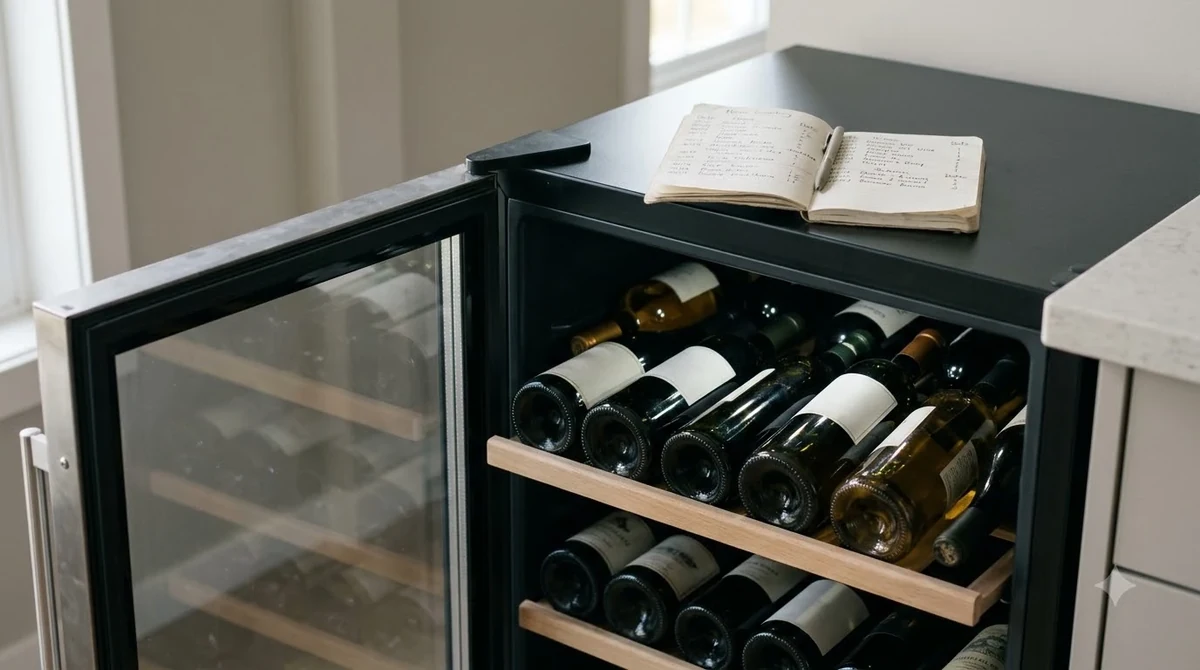
For bottles with traditional cork closures, store them on their sides so the cork remains in contact with the wine. A storage temperature near 55°F is a useful target, provided the environment remains reasonably stable.
Avoid locations exposed to direct sunlight, heating appliances, or frequent temperature fluctuations. A warm garage or a sunny kitchen counter can be unsuitable for long-term storage, particularly for premium Cabernet Sauvignon intended to age.
Serve each wine at an appropriate temperature
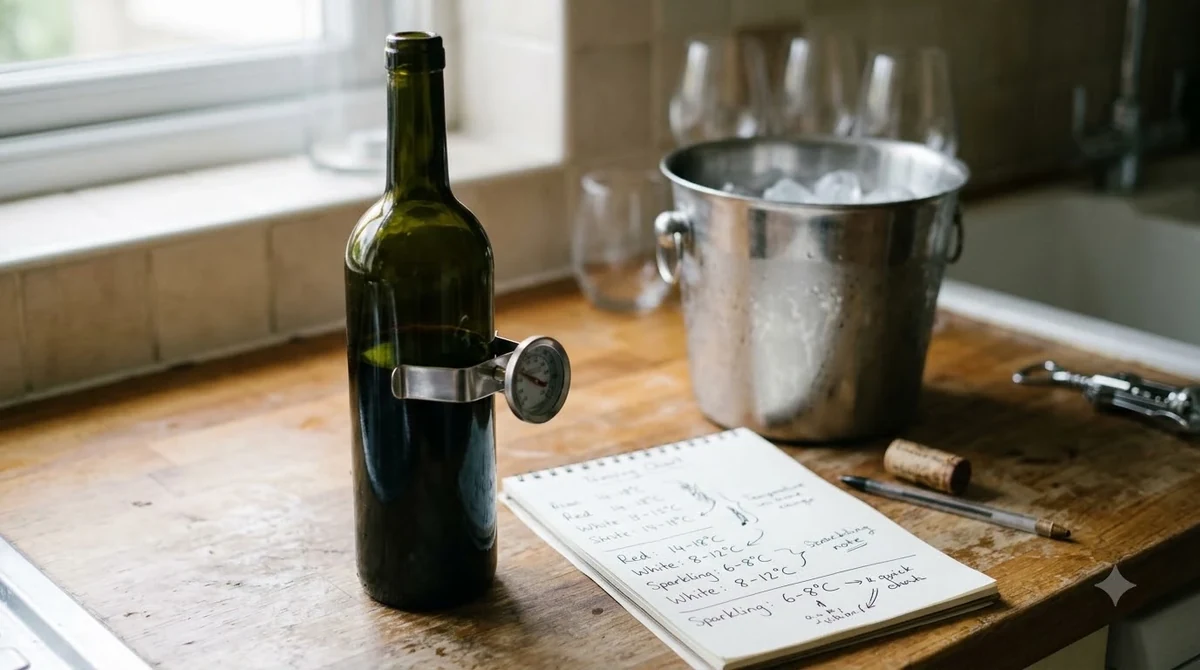
Serving temperature influences how aromas, acidity, and alcohol are perceived. Full-bodied reds such as Cabernet Sauvignon are generally better served around 60–65°F, while lighter reds can be served around 55–60°F.
White wines benefit from cooler temperatures. Full-bodied Chardonnay is generally served around 50–55°F, while lighter whites such as Sauvignon Blanc are usually served around 45–50°F. Sparkling wines are generally served around 40–50°F.
Give structured reds time to breathe
Young, full-bodied reds can benefit from decanting before serving. A period of approximately 30–60 minutes can help a young Cabernet Sauvignon open up and become more expressive.
Decanting is not essential for every Concha y Toro bottle. A lighter, fruit-forward wine intended for immediate enjoyment may need little preparation, whereas a structured premium red may benefit from additional aeration.
Handle opened bottles carefully
After opening a still wine, reseal the bottle and refrigerate it. Most opened still wines are best consumed within approximately three to five days, although their aromas and flavors can gradually change.
For sparkling wine, a suitable stopper helps retain carbonation, and refrigeration is important. Sparkling wine generally keeps for approximately one to three days after opening, depending on the wine and storage conditions.
Premium bottles also deserve careful handling before opening. Avoid unnecessary movement, extreme temperature changes, and prolonged exposure to light. For a more expensive vintage, proper storage is particularly important because condition can influence its value as well as its drinking quality.
White-wine shoppers can narrow their selection through the Concha y Toro white wine guide, especially when comparing Chardonnay, Sauvignon Blanc, and other lighter styles. Buyers exploring additional producers and price categories can also browse the wider Wine Brands collection.
Frequently Asked Questions
Is Concha y Toro considered a Chilean wine producer?
Yes. Viña Concha y Toro is a Chilean wine producer with a broad international portfolio. Its US portfolio also includes wines from California and Argentina through other brands, so the country of origin should be considered at the individual label level rather than assumed from the corporate portfolio.
What does Carmenere mean on a Concha y Toro wine label?
Carmenere is a red grape variety historically associated with Bordeaux that became particularly important in Chile. It is commonly associated with dark fruit and savory herbal characteristics. Its flavor profile differs from Cabernet Sauvignon, making it a useful alternative for shoppers interested in Chilean red wines.
Does Concha y Toro produce sparkling wine?
Yes. The official portfolio includes Casillero del Diablo Devil’s Brut and Casillero del Diablo Sparkling Zero. These provide options for buyers who want a sparkling alternative to the producer’s still red and white wines.
How many servings are in a standard Concha y Toro bottle?
A standard 750 ml bottle provides approximately five servings when poured in 5 oz portions. A 1.5-liter bottle contains twice that volume, or approximately ten equivalent servings. Actual serving counts depend on pour size and bottle format.
Can an older Don Melchor bottle be worth more than a newer release?
Yes. Older vintages can attract different market valuations depending on vintage reputation, provenance, storage conditions, bottle condition, and buyer demand. Age alone does not guarantee a higher value, and an older bottle with poor storage history may be less desirable than a properly preserved younger release.
Concha y Toro offers a wide range of wines, from accessible Frontera and Casillero del Diablo selections to premium Marqués de Casa Concha, Terrunyo, and luxury Don Melchor Cabernet Sauvignon. The most useful buying comparison considers the exact label, grape variety, vintage, and bottle size together. With those details established, shoppers can identify a suitable bottle and judge its US retail price against comparable wines rather than the producer’s entire portfolio.
More in Wine Brands
 Louis Latour Wine Price: Compare Bottles by Style and TierUpdated Nov 20, 2026
 Yellow Tail Moscato Price: What to Expect Before You BuyUpdated Nov 20, 2026
 Sutter Home Sweet Red Review: Find the Right Food PairingsUpdated Nov 20, 2026
 Franzia Chillable Red Review: Find the Right Serving StyleUpdated Nov 20, 2026
 Veuve Clicquot Rose Review: Flavor, Food Pairings and Buying AdviceUpdated Nov 20, 2026
 Rombauer Wine Price: Compare Bottles Before You BuyUpdated Nov 20, 2026