

We may earn a commission when you buy through links on this page, at no extra cost to you. Learn more.
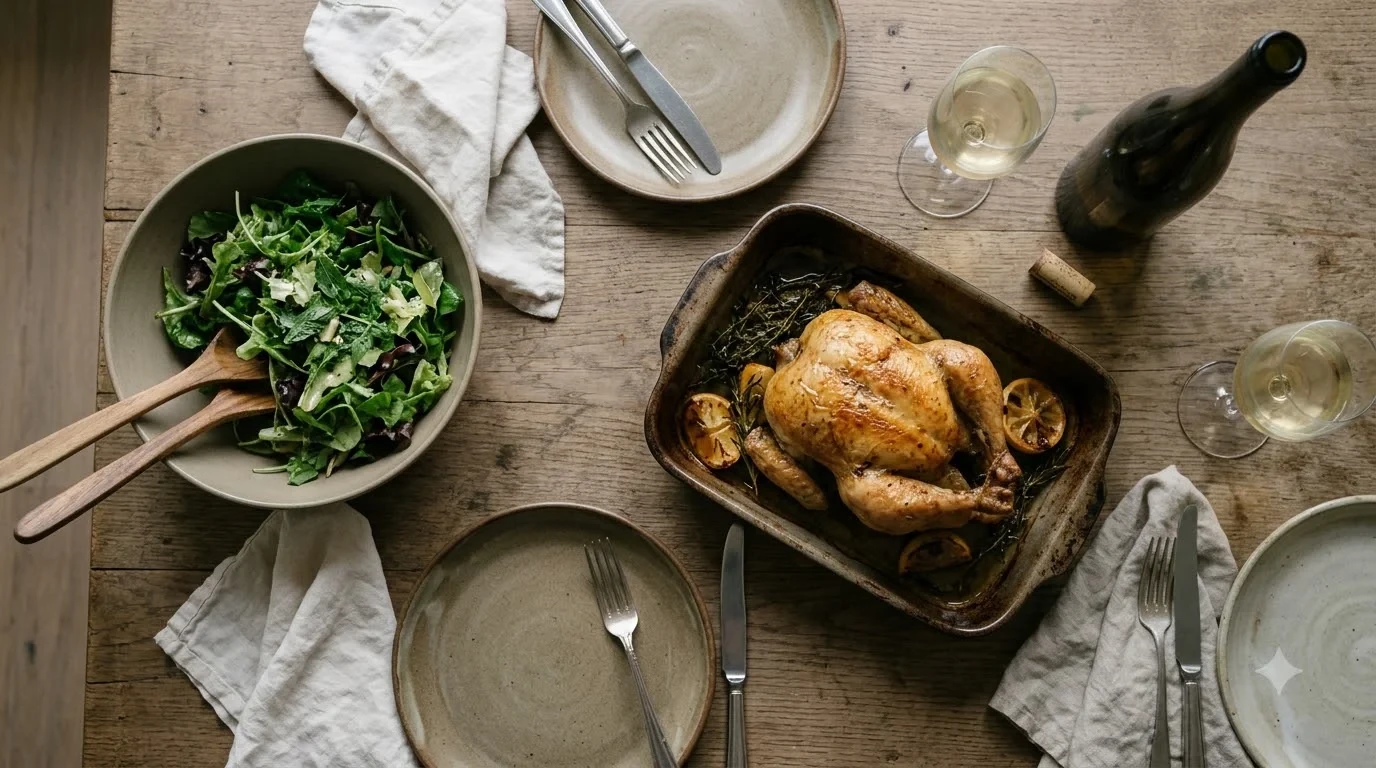
The best wine for mothers day depends on the celebration, with dry sparkling wine, Provence-style rosé, crisp Sauvignon Blanc, and silky Pinot Noir serving as the top four versatile choices. Sparkling wines and dry rosés excel at daytime brunches and outdoor picnics because their high acidity refreshes the palate across egg, pastry, and fruit dishes. For evening dinners or gift bottles, cool-climate Pinot Noir or a mission-driven California Cabernet Sauvignon adds structure and depth without overwhelming spring menus.
Selecting a bottle for the second Sunday in May requires balancing personal flavor preferences with the time of day and the dishes on the table. Rather than defaulting to a generic label, matching the wine’s acidity, sweetness, and body to the specific occasion ensures the bottle feels thoughtful and pairs reliably with the meal.
Who This Guide Is For
This buying guide helps shoppers, hosts, and gift-givers choose a reliable bottle for Mother’s Day brunches, afternoon gatherings, seated dinners, or shipped presents. Whether buying for a seasoned collector or someone who rarely drinks wine, the recommendations below organize options by occasion, flavor profile, and serving ease.
Hosts planning a late-morning brunch face a distinct challenge because traditional menus combine rich hollandaise, salty bacon, sweet waffles, and acidic citrus fruits on the same plate. According to Wine Folly, white, sparkling, and rosé wines create complementary pairings by balancing dish richness with brisk acidity. Choosing a single high-acid bottle prevents flavor clashes across sweet and savory courses.
Gift-givers shopping from afar or choosing a bottle to pair with flowers benefit from focusing on presentation, provenance, and charitable impact. Sommeliers interviewed by VinePair frequently highlight pink Champagne, Tuscan Sangiovese rosé, and Italian Franciacorta because they feel festive on a spring table while remaining approachable for casual drinkers.
Shoppers who already know a mother’s preferred style can also look at purpose-driven wineries that direct proceeds toward women’s health, education, or clean water initiatives. Pairing a classic grape variety with a clear story turns a standard 750 ml bottle—which yields about five standard 5-ounce pours—into a memorable tribute.
Key Factors to Compare When Choosing a Bottle
Comparing wines across five core attributes—acidity, residual sweetness, body, alcohol by volume, and serving temperature—prevents mismatched pairings and overly heavy pours. Reviewing these structural benchmarks before visiting a wine shop narrows hundreds of shelf options down to a few dependable styles.
| Wine Style | Acidity & Tannin | Typical ABV | Ideal Serving Temp | Best Mother’s Day Occasion |
|---|---|---|---|---|
| Traditional Method Sparkling (Champagne, Crémant, Cava) | High acidity, zero tannin | 11.5%–12.5% | 40°F–50°F | Morning toast, eggs Benedict, smoked salmon |
| Prosecco (Glera) | Medium-high acidity, zero tannin | 11%–12% | 40°F–50°F | Mimosas, fruit tarts, casual patio brunch |
| Dry Rosé (Provence, Sangiovese) | High acidity, minimal tannin | 12%–13.5% | 45°F–50°F | Afternoon picnic, quiche, grilled shrimp |
| Sauvignon Blanc or Dry Riesling | High acidity, zero tannin | 11.5%–13.5% | 45°F–50°F | Asparagus, goat cheese salad, roast chicken |
| Chardonnay (Lightly Oaked) | Medium acidity, zero tannin | 13%–14.5% | 50°F–55°F | Crab cakes, creamy pasta, lobster roll |
| Pinot Noir | High acidity, low-medium tannin | 12.5%–14% | 55°F–60°F | Cedar-plank salmon, duck, herb-roasted pork |
| Cabernet Sauvignon or Malbec | Medium acidity, high tannin | 13.5%–15% | 60°F–65°F | Prime rib, grilled lamb chops, aged cheddar |
Acidity is the single most important factor for daytime celebrations because it cuts through butter, cream, and egg yolks while keeping the palate refreshed. High-acid wines like Sauvignon Blanc, Riesling, and bottle-fermented sparkling wines prevent rich brunch dishes from feeling heavy.
Sweetness levels also require careful attention when selecting sparkling or white bottles. According to Decanter, traditional method sparkling wines range from bone-dry Brut Nature to sweeter Demi-Sec styles, while tank-method Prosecco typically sits in the Brut or Extra Dry tier with subtle orchard fruit character. Matching a wine’s sweetness to the dish ensures the bottle never tastes sour next to glazed ham or berry pastries.
Tip: When buying sparkling wine for a brunch crowd with mixed preferences, pick a Brut or Extra Dry bottling rather than a bone-dry Brut Nature, as a tiny hint of residual sugar bridges the gap between savory egg dishes and sweet pastries.
Step-by-Step Guide to Picking the Best Wine for Mothers Day
Following a structured five-step process removes guesswork at the retail shelf and aligns the bottle with the menu, guest list, and gift presentation. Working through these steps takes less than five minutes in a store or online catalog.
- Lock in the meal time and menu first. Morning and early-afternoon gatherings call for chilled sparkling, rosé, or crisp white wines served between 40°F and 50°F, whereas evening dinners with roasted meats support medium- or full-bodied reds served at 55°F to 65°F.
- Identify the dominant flavor on the plate. Wine Folly notes that food pairing relies on balancing six basic taste components—salt, acid, sweet, bitter, fat, and spice—so pair acidic vinaigrette salads with equally high-acid wines and match rich, fatty meats with structured tannins.
- Check her preferred sweetness and oak level. Think back to what she orders at restaurants: fans of crisp Pinot Grigio or New Zealand Sauvignon Blanc usually prefer unoaked whites, while fans of buttery California Chardonnay or Napa Cabernet appreciate barrel-aged richness.
- Consider bottles with a philanthropic or personal tie. Food & Wine highlights producers such as Une Femme, Lubanzi, Row Bear Wine, and J. Lohr Carol’s Vineyard that donate proceeds to breast cancer research, children’s healthcare, and educational grants, adding meaningful context to a gift bottle.
- Plan the bottle count and chill schedule. A standard 750 ml bottle provides five 5-ounce pours, so plan on half a bottle per wine-drinking adult for a two-hour brunch and chill whites and sparkling wines in the refrigerator for at least three hours before guests arrive.
If the celebration centers on a romantic or intimate dinner for two rather than a large family brunch, many of the same principles used when choosing the best wine for valentines day apply, including prioritizing grower Champagne or silky Pinot Noir.
For hosts serving multiple courses, opening two contrasting styles—such as a bottle of Crémant de Loire for appetizers and a cool-climate Pinot Noir for the main course—gives guests a clear progression without cluttering the table.
Wine Styles Explained for Mother’s Day Celebrations
Each major wine category brings a distinct combination of aroma, texture, and food versatility to a spring gathering. Understanding the differences between bottle-fermented bubbles, tank-method sparkling, dry rosés, aromatic whites, and low-tannin reds makes it easy to match any menu.
Sparkling Wines: Champagne, Crémant, and Prosecco
Sparkling wine remains the classic Mother’s Day opener because carbonation scrubs the palate and pairs easily with salty, fried, or creamy foods. Decanter notes that Champagne, Cava, Franciacorta, English sparkling wine, and French Crémant all undergo secondary fermentation in the bottle, creating fine bubbles and toasted brioche complexity.
Prosecco, made primarily from the Glera grape in northeastern Italy’s Veneto region using the pressurized tank method, offers a lighter, fruit-forward profile at 11% to 12% ABV. Sommeliers frequently recommend Prosecco alongside dim sum, shumai, or fruit-topped waffles because its white peach and pear notes complement subtle sweetness without heavy yeast flavors.
Dry Rosé and Skin-Contact Whites
Pale pink rosé from Côtes de Provence—typically blended from Grenache, Cinsault, Syrah, and regional grapes like Tibouren—delivers crisp citrus, wild strawberry, and wet-stone minerality. For a slightly deeper color and richer berry texture, Tuscan rosés made from Sangiovese or rosé Champagne crafted from Pinot Noir stand up well to grilled salmon and herb-roasted chicken.
Skin-contact white wines, often called orange wines, and pink-hued Blanc de Gris bottlings like Greek Moschofilero offer an intriguing middle ground between white and rosé. These wines combine floral orange-blossom aromas with gentle grip and bright acidity, making them strong companions for Mediterranean mezze platters and roasted vegetables.
Crisp Whites and Medium-Bodied Reds
Among still white wines, a dry white wine such as Marlborough Sauvignon Blanc, Loire Valley Sancerre, or dry Alsace Riesling brings vibrant lime, green apple, and floral notes that shine alongside spring asparagus, snap peas, and goat cheese tarts. When the menu features butter-poached lobster, roast turkey, or mushroom risotto, an Arroyo Seco or Sonoma Chardonnay provides rounder texture and gentle vanilla spice.
Red wine drinkers do not need to sit out a spring afternoon if the host pours a lighter, high-acid red. Cool-climate Pinot Noir from Oregon’s Willamette Valley or California’s Sonoma Coast delivers red cherry, hibiscus, and baking spice with low-to-medium tannins that taste refreshing when served slightly chilled at 55°F to 60°F.
Mission-Driven and Charitable Wines for Thoughtful Gifting
Gifting a bottle from a winery that funds women’s health, children’s education, or environmental stewardship adds lasting meaning to a Mother’s Day toast. Several established producers build direct charitable contributions into every bottle sold while maintaining rigorous winemaking standards.
In Napa Valley, J. Lohr’s Carol’s Vineyard St. Helena Cabernet Sauvignon honors the founder’s late wife by donating a fixed amount per bottle to the National Breast Cancer Foundation to fund early detection and mammogram services. Similarly, California sparkling producer Une Femme directs proceeds from its The Betty California Sparkling Brut to the Breast Cancer Research Foundation and Bâtonnage, an organization supporting women in the wine industry.
For gifts centered on children and families, South Africa’s Lubanzi Wines contributes half of its net profits from its Swartland Rosé Bubbles to the Pebbles Project, which provides nutrition, healthcare, and education to children in vineyard communities. In Sonoma’s Alexander Valley, Row Bear Wine produces Mamma Bear Sauvignon Blanc to support nonprofits assisting children with learning and language differences, while Oregon certified B Corp winery A to Z Wineworks donates annually across regional arts, healthcare, and youth programs.
Shoppers seeking a red blend from a women-owned winery can look to Teneral Cellars in California’s El Dorado region, whose Gratitude Red Blend combines 50% Grenache and 50% Tempranillo and donates a portion of its proceeds toward organizations advancing women’s empowerment, as noted on the winery’s product page. Reviewing the back label or producer website confirms current philanthropic partnerships and harvest details.
Common Mistakes to Avoid When Buying Mother’s Day Wine
Even thoughtful hosts can undermine a great bottle through simple pairing missteps, temperature errors, or mismatched sweetness levels. Avoiding four frequent mistakes keeps the wine tasting vibrant from the first pour to dessert.
The most common error at Mother’s Day brunch is serving dry sparkling wine alongside sugary pastries, fruit tarts, or syrup-drenched French toast. When a dessert is sweeter than the wine in the glass, the wine tastes tart, thin, and bitter; instead, pair sweet courses with Demi-Sec Champagne, Moscato d’Asti, or a fruit-forward sweet red wine such as Brachetto d’Acqui.
Another frequent pitfall is pairing high-tannin red wines like young Cabernet Sauvignon or Syrah with oily fish such as salmon or spicy brunch dishes. High tannins clash with fish oils to produce a metallic taste, while high alcohol and firm tannins amplify chili heat in spicy shakshuka or huevos rancheros.
Serving temperatures also trip up many hosts during warm May weather. Serving full-bodied red wines at warm patio temperatures above 70°F makes the alcohol taste hot and dulls fruit aromas, while serving crisp white wines straight from a 35°F kitchen refrigerator mutes delicate floral and citrus notes.
Finally, waiting until Sunday morning to shop often leaves buyers picking through picked-over supermarket shelves. Purchasing bottles two to three days ahead allows time to check wine buying fundamentals, verify vintage freshness for rosés and crisp whites, and chill bottles properly overnight.
Care, Chilling, and Storage Tips Before and After the Celebration
Proper temperature control before pouring and smart preservation afterward protect wine aromatics and prevent wasted bottles. A few practical steps ensure every glass tastes fresh even if celebrations stretch across the weekend.
To chill still white, rosé, and sparkling wines quickly without freezing them, submerge the bottles in a bucket filled with equal parts ice and cold water for 20 to 30 minutes. Ice water transfers heat far faster than cold air in a standard refrigerator, bringing a room-temperature bottle down to the ideal 40°F to 50°F serving range right before guests sit down.
If full-bodied red wines like Pinot Noir or Cabernet Sauvignon have been stored in a warm kitchen, place them in the refrigerator for 15 to 20 minutes prior to opening so they land near 55°F to 65°F. Young, structured reds such as Napa Cabernet Sauvignon or El Dorado Tempranillo also benefit from 30 to 60 minutes in a decanter to soften tannins and release dark fruit aromatics.
When bottles remain unfinished after dinner, reseal sparkling wines immediately with a hinged Champagne stopper and refrigerate them, where bubbles stay lively for 1 to 3 days. Recorked still white, rosé, and red wines keep well in the refrigerator for 3 to 5 days, while unopened bottles meant for future celebrations should rest on their sides in a dark spot near 55°F so corks stay moist.
Frequently Asked Questions
What is the best wine to serve with Mother’s Day eggs Benedict?
Traditional method sparkling wines like Champagne, Crémant de Bourgogne, or Italian Franciacorta are top matches for eggs Benedict. Their crisp acidity and fine carbonation cut through rich hollandaise sauce and smoky Canadian bacon without overpowering the poached egg.
Should Mother’s Day rosé be from the most recent vintage?
Yes, most dry rosés from Provence, Tuscany, and California are crafted for immediate freshness and vibrant citrus-berry aromatics within one to two years of harvest. Checking the vintage year on the front label ensures crisp acidity rather than faded fruit flavors.
How many bottles of wine are needed for a 10-person Mother’s Day brunch?
For 10 wine-drinking adults attending a two- to three-hour brunch, plan on five to six 750 ml bottles, which yields roughly 25 to 30 standard 5-ounce pours. Splitting the order between three bottles of sparkling wine and three bottles of dry rosé or Sauvignon Blanc covers both mimosas and main courses.
What is the difference between Prosecco Brut and Prosecco Extra Dry?
Despite its name, Prosecco Extra Dry contains slightly more residual sugar—12 to 17 grams per liter under European Union sparkling wine labeling rules—than Prosecco Brut, which holds under 12 grams per liter. Extra Dry feels marginally rounder and fruitier, making it a crowd-pleasing choice for brunch fruit platters.
Can pétillant naturel sparkling wine work for a casual Mother’s Day picnic?
Pétillant naturel, or pét-nat, is bottled before primary fermentation finishes, resulting in gentle effervescence, bright orchard fruit, and typically moderate alcohol levels. Many bottles are sealed with a crown cap rather than a cork, making them easy to open outdoors with a standard bottle opener.
Choosing the right Mother’s Day bottle comes down to matching bright acidity to daytime menus, honoring personal flavor preferences, and serving every pour at its proper temperature. Whether opening a celebratory bottle of Crémant at brunch or gifting a mission-driven red blend at dinner, thoughtful selection turns a simple glass into a memorable centerpiece.
More in Wine Buying Guides
 Riesling Gift: Choose a Bottle They’ll LoveUpdated Nov 21, 2026
 Sweet Red Wine Gift: Choose a Bottle They’ll LoveUpdated Nov 21, 2026
 Malbec Gift: How to Choose a Memorable Bottle for Any OccasionUpdated Nov 21, 2026
 Sherry Gift Ideas That Match Every Wine LoverUpdated Nov 21, 2026
 Moscato Gift: How to Choose a Sweet Wine They’ll LoveUpdated Nov 21, 2026
 Merlot Gift: How to Choose a Bottle They’ll AppreciateUpdated Nov 21, 2026