

We may earn a commission when you buy through links on this page, at no extra cost to you. Learn more.
Is gallo wine good? Yes, Gallo makes plenty of enjoyable wines, particularly for everyday drinking, casual meals, and people who want approachable bottles without complicated wine terminology. However, Gallo is a large producer with a portfolio ranging from inexpensive, fruit-forward supermarket wines to more serious premium bottlings. The quality depends much more on the individual brand, grape variety, and bottle than on the Gallo name alone.
Gallo is one of the most recognizable names in American wine, but its size can make choosing a bottle confusing. Barefoot, Apothic, Dark Horse, Gallo Family Vineyards, and Orin Swift occupy different parts of the wine market, even though they belong to the same corporate family. Understanding those differences makes it easier to find a wine that suits your preferences rather than assuming every Gallo bottle tastes alike. This guide examines the company’s reputation, wine styles, quality indicators, and practical buying considerations.
Who Should Buy Gallo Wine?
Gallo wines are particularly suitable for casual drinkers, beginners, and households looking for accessible bottles across several wine styles. The company’s extensive portfolio offers options for people who prefer sweet whites, fruit-forward reds, crisp whites, and sparkling wines.

Gallo’s history helps explain why its wines appear in so many different stores and drinking situations. Brothers Ernest and Julio Gallo founded the winery in Modesto, California, in 1933. According to the company’s history, its first production year yielded 177,847 gallons. That operation grew into a major wine business with a broad collection of domestic and international labels.
Scale alone does not determine whether a wine is good. Large production can support consistency, widespread availability, and approachable styles, but individual wines still differ in grape sourcing, blending, production methods, and intended drinking experience. A straightforward supermarket Chardonnay has a different purpose from a more complex wine made for extended aging.
Beginners and casual wine drinkers
People who are still learning their preferences can find Gallo particularly convenient. Rather than starting with unfamiliar appellations or expensive bottles, they can compare familiar varieties such as Cabernet Sauvignon, Merlot, Pinot Noir, Sauvignon Blanc, and Chardonnay.
Someone who enjoys softer, fruit-driven reds might prefer a Merlot or an approachable red blend. A drinker who likes sweetness may find Moscato or Riesling more appealing. People who prefer brighter, refreshing flavors can start with Pinot Grigio or Sauvignon Blanc.
Everyday meals and informal gatherings
Gallo’s approachable wines can work well for pizza nights, backyard gatherings, weeknight pasta, and informal dinners. These occasions do not necessarily require a complex wine with a long finish or significant aging potential.
For example, a fruit-forward red blend can accompany burgers, while a crisp white can work with grilled chicken or seafood. A sweeter Moscato may suit fruit-based desserts. The key is matching the wine’s sweetness, acidity, and body to the food rather than selecting a bottle based exclusively on its producer.
Gallo may be less suitable for someone seeking a highly distinctive, small-production wine with a specific vineyard identity. Those drinkers should look beyond the company’s introductory labels and explore its more specialized producers. Its Wine Brands category can also help readers understand how different producers position their wines.
Key Factors to Compare Before Buying Gallo Wine
The most useful way to evaluate Gallo is to compare individual wines rather than treating the entire portfolio as one product. Grape variety, sweetness, acidity, intended drinking occasion, and independent competition results can help narrow the choices.
| Wine or category | Documented result | What it tells buyers |
|---|---|---|
| Barefoot Riesling | 93 points | Strong competition result for an accessible white wine |
| Barefoot White Moscato | 93 points | Recognized example of a sweeter wine |
| Barefoot Pinot Noir | 91 points | Positive result for a lighter red style |
| Black Box Sauvignon Blanc Tart & Tangy | 91 points | Positive result for a crisp white style |
| Barefoot Pinot Grigio | 87 points | Moderate competition recognition |
| Barefoot Cabernet Sauvignon | 77 points | A reminder that results vary by individual wine |
These results come from the 2024 USA Wine Ratings competition. They are useful reference points, not guarantees that every bottle from the same brand will receive an identical assessment. They also should not be interpreted as a universal ranking of all Gallo wines. Different competitions use different judging approaches, and a score cannot fully describe whether a wine suits an individual drinker’s preferences.
The results nevertheless illustrate an important point: Gallo’s wines should be judged individually. Barefoot Riesling and White Moscato both received 93 points, while Barefoot Cabernet Sauvignon received 77 points in the same competition. A buyer who assumes that every bottle from one producer has identical quality could miss some appealing options.
Grape variety and flavor profile
Start with the grape variety because it provides a useful indication of what to expect. Cabernet Sauvignon typically has relatively high tannin, which can create a drying sensation in the mouth. Merlot generally has medium tannin and a softer texture, while Pinot Noir usually has lower-to-medium tannin and relatively high acidity.
For white wines, Sauvignon Blanc generally offers high acidity and refreshing citrus or herbal characteristics. Chardonnay usually has medium acidity and can range from crisp and restrained to fuller and creamier. Riesling can combine high acidity with noticeable sweetness, while Moscato is often aromatic and gently sweet.
Sweetness and balance
Sweetness is one of the biggest differences between popular commercial wines. A dry Cabernet Sauvignon and a sweet Moscato can appeal to completely different drinkers, even when they share the same producer.
Consider whether you prefer dry, off-dry, or sweet wines. Dry wines have little noticeable residual sugar, while sweeter wines retain more sugar and can feel softer or richer. Neither style is automatically better. The best choice is the one that fits your palate and the food being served.
Independent recognition
Competition results can provide an additional reference when choosing unfamiliar labels. The USA Wine Ratings Gallo results include several Barefoot, Black Box, and other portfolio wines, allowing buyers to compare individual entries rather than relying on the winery’s overall reputation.
Competition scores are only one buying consideration. They do not replace personal preference, and they do not guarantee that a bottle from a different vintage will taste identical. A wine that performs well in a formal judging environment might still be too sweet, too light, or too acidic for a particular person.
Tip: If you are uncertain which Gallo wine to choose, begin with the grape variety and sweetness level you already enjoy. Then compare individual labels within that style instead of buying solely because a bottle belongs to a familiar brand.
Step-by-Step: How to Choose a Good Gallo Bottle
A simple buying process can prevent disappointment and make it easier to identify the right bottle. Start with the occasion, narrow the choices by style, and then consider the individual brand and food pairing.
-
Decide when you will drink the wine.
A casual evening at home, a dinner party, and a special celebration call for different levels of complexity. An uncomplicated fruit-forward wine may be ideal for a relaxed gathering, while a more structured bottle may be appropriate for a formal dinner.
-
Choose red, white, rosé, or sparkling wine.
Start with the broad category you normally enjoy. Red wines often suit richer meals, whites can complement lighter dishes, rosé offers versatility, and sparkling wines work well for celebrations and appetizers.
-
Identify your preferred sweetness.
Choose Cabernet Sauvignon, Merlot, or a dry red blend if you prefer dry reds. Consider Pinot Grigio or Sauvignon Blanc for a dry white. If you enjoy sweeter wines, investigate Moscato or Riesling before purchasing.
-
Compare the individual Gallo brands.
Look at Barefoot, Gallo Family Vineyards, Dark Horse, Apothic, and the company’s more specialized producers. These labels serve different tastes and drinking occasions, so do not assume that their wines share the same flavor profile.
-
Consider the food pairing.
Match the wine to the strongest flavors in the meal. High-acidity Sauvignon Blanc can work with acidic dishes, while softer Merlot may be more comfortable with foods that do not need substantial tannin.
-
Review the available bottle information.
Look at the grape variety, wine style, alcohol percentage, vintage when applicable, and sweetness description. These details help establish whether the wine fits your preferences.
-
Serve the wine at an appropriate temperature.
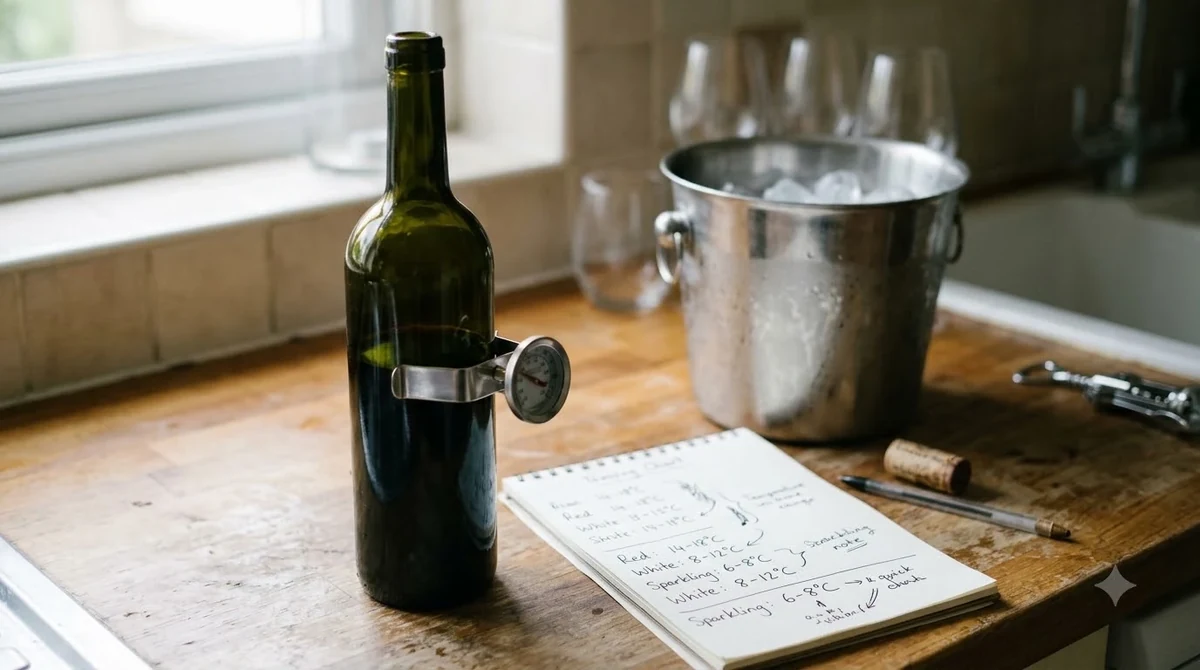
Light whites generally show better at 45 to 50 degrees Fahrenheit, while full-bodied reds are usually best around 60 to 65 degrees Fahrenheit. Serving temperature can make a noticeable difference in how the wine feels and tastes.
This process is useful because Gallo’s portfolio covers many different drinking preferences. Someone looking for a dry dinner wine should not choose a bottle simply because another person enjoyed a sweet Moscato from the same company.
Types of Gallo Wine and Brands Explained
Gallo’s portfolio includes numerous labels with different market positions and wine styles. Understanding the major categories helps buyers distinguish approachable everyday bottles from more specialized premium offerings.
Barefoot
Barefoot is one of Gallo’s most recognizable wine brands and offers a broad selection of familiar varieties. Its range includes Cabernet Sauvignon, Merlot, Pinot Noir, Pinot Grigio, Sauvignon Blanc, Riesling, Moscato, and sparkling options.
The brand is generally a sensible starting point for casual drinkers who want recognizable grape varieties and straightforward drinking styles. Its range also gives beginners an opportunity to compare different sweetness levels without needing to understand complicated regional classifications.
The USA Wine Ratings results provide examples of its range. Barefoot Riesling and White Moscato both received 93 points, while Barefoot Pinot Noir received 91 points. These competition results suggest that individual bottles can perform well, although they should not be treated as a guarantee of personal preference.
Gallo Family Vineyards
Gallo Family Vineyards is another recognizable label in the company’s portfolio. It is aimed at approachable wine drinking and provides options for consumers who prefer familiar styles for everyday occasions.
For shoppers comparing this label with Barefoot, the important consideration is the specific bottle rather than the assumption that one brand must always be superior. Compare grape variety, sweetness, and the intended flavor profile before making a decision.
Readers interested in this particular range can explore Gallo Family Vineyards wine for a closer look at the label and its place within the wider company portfolio.
Apothic
Apothic is a more distinctive label within Gallo’s collection. It is particularly associated with red blends and a fruit-forward approach, making it an option for people who enjoy richer, more approachable red wine styles.
Red blends can combine different grapes to create a particular balance of fruit, body, acidity, and tannin. This approach can produce a smoother-feeling wine than a strongly structured Cabernet Sauvignon, although the actual result depends on the blend.
Apothic may appeal to drinkers who want something more expressive than a basic table wine but are not necessarily looking for a traditional, highly tannic red.
Dark Horse
Dark Horse is another Gallo-owned brand worth considering when comparing accessible wines. Its portfolio includes familiar varieties and blends, making it relevant to buyers who want straightforward wines for everyday meals.
As with other commercial labels, the grape variety should guide the purchase. A Dark Horse Cabernet Sauvignon will generally have a different structure from a lighter white wine, so the brand name alone is not enough to predict whether a bottle will suit your palate.
Premium and specialized producers
Gallo also owns and represents brands that occupy a different part of the wine market. Its portfolio includes Edna Valley Vineyard, Louis M. Martini, J Vineyards & Winery, Orin Swift, Ecco Domani, and other specialized producers.
The Institute of Masters of Wine identifies several of these labels among Gallo’s premium offerings. This demonstrates why describing every Gallo wine as inexpensive supermarket wine is an oversimplification. The company operates across multiple quality and market segments.
For buyers who enjoy exploring more distinctive styles, Gallo wine offers a useful starting point for understanding the broader selection. Someone who prefers a familiar, inexpensive everyday bottle may have different priorities from a collector looking for a more distinctive producer.
Gallo’s official wine portfolio provides a further overview of the labels associated with the company. It is a useful place to distinguish the producer’s extensive brand collection from any single bottle carrying the Gallo name.
Common Mistakes When Buying Gallo Wine
The biggest buying mistakes involve assuming that every Gallo label offers the same experience or choosing a wine without considering sweetness and structure. A little attention to the bottle’s style can prevent a poor match.
Assuming every Gallo wine is inexpensive table wine
Gallo has a strong presence in the everyday wine market, but its portfolio extends beyond entry-level labels. The company owns premium and specialized producers, including Orin Swift, Louis M. Martini, J Vineyards & Winery, and Edna Valley Vineyard.
It is therefore inaccurate to judge every wine in the portfolio by the reputation of one widely distributed label. A basic Barefoot wine and a bottle from a specialized premium producer should be evaluated according to their own intended styles and characteristics.
Expecting every bottle to taste the same
A Cabernet Sauvignon, Pinot Noir, Moscato, and Sauvignon Blanc are fundamentally different wines. Their grapes, acidity, tannin, sweetness, and aromas differ considerably.
Even wines made from the same grape can vary because of blending, vineyard conditions, winemaking choices, and vintage. Comparing a sweet white with a dry red is not a meaningful way to determine which Gallo label is generally better.
Ignoring sweetness
People who prefer dry wines sometimes choose Moscato because they recognize the brand, only to discover that its sweetness does not suit their preferences. The reverse can happen when someone who enjoys sweet wine purchases a dry Sauvignon Blanc expecting a similar experience.
Think about the sweetness level before looking at other details. For food pairing, the wine should generally be at least as sweet as the dessert. A dry wine served with a very sweet dessert can taste thin or unusually acidic.
Choosing solely by competition scores
Competition scores are useful, but they should not determine every purchase. A 93-point wine can still be the wrong choice for someone who dislikes its grape variety or sweetness level.
The 2024 USA Wine Ratings results show meaningful variation among Gallo wines. That variation reinforces the importance of comparing individual bottles rather than using one award or score to describe an entire producer.
Expecting a premium wine experience from every label
Everyday commercial wines are usually designed to be accessible and straightforward. They may prioritize recognizable fruit flavors and immediate drinkability rather than the complexity, regional character, or aging potential associated with some premium wines.
That is not necessarily a defect. A simple wine can be perfectly suitable for pizza, casual dinners, or a glass after work. Problems arise when buyers expect a different style from the one the producer intended to make.
Care and Storage Tips for Gallo Wine
Proper serving and storage can improve the experience of almost any Gallo wine. Temperature, exposure to air, and storage conditions all influence how well a bottle performs after purchase.
Serve at the right temperature
Temperature influences how aromas, acidity, sweetness, and alcohol are perceived. Serving a wine too warm can make alcohol seem more noticeable, while excessive chilling can suppress aromas and make flavors less expressive.
These general serving temperatures provide a useful starting point:
| Wine style | Serving temperature | Typical use |
|---|---|---|
| Sparkling wine | 40–50°F | Celebrations and appetizers |
| Light white wine | 45–50°F | Seafood and salads |
| Full-bodied white wine | 50–55°F | Chicken and creamy dishes |
| Rosé | 45–50°F | Light meals and outdoor gatherings |
| Light-bodied red wine | 55–60°F | Pizza and poultry |
| Full-bodied red wine | 60–65°F | Steak and hearty meals |
| Sweet white wine | 43–50°F | Desserts and fruit |
Store unopened bottles correctly
For bottles intended for storage, a cool, dark environment near 55 degrees Fahrenheit is a useful target. Avoid direct sunlight, strong temperature fluctuations, and locations near ovens or heating equipment.
Cork-finished bottles are generally stored on their sides to keep the cork from drying out. Most inexpensive, everyday Gallo wines are intended for relatively early consumption rather than extended cellaring, so there is little reason to hold them for several years expecting significant improvement.
For a household buying wine for regular meals, it is usually more practical to purchase bottles according to expected consumption and keep them in a consistently cool location.
Preserve opened wine
Once opened, still wines generally retain their best quality for approximately three to five days when properly resealed and refrigerated. Sparkling wines generally last around one to three days with an appropriate sparkling-wine stopper.
Keep opened red wines in the refrigerator as well. Before serving, allow a red wine to warm slightly toward its preferred serving temperature. Refrigeration slows oxidation and helps preserve the wine’s freshness.
Use decanting selectively
Decanting is not necessary for every bottle of Gallo wine. A young, full-bodied red may benefit from approximately 30 to 60 minutes of aeration, particularly if it tastes tight immediately after opening.
Lighter reds, simple whites, and sparkling wines generally do not require extended decanting. For most everyday bottles, opening the wine and allowing it to breathe briefly in the glass is sufficient.
Frequently Asked Questions
Is Gallo wine considered a mass-market wine producer?
Yes, Gallo is a major commercial wine producer with a substantial distribution network. Its portfolio includes wines designed for broad consumer availability as well as premium and specialized producers. Its size does not mean every wine it produces belongs to the same quality category.
Is Gallo the same company as Barefoot?
Yes. Barefoot is part of Gallo’s brand portfolio, rather than a separate unrelated winery. Gallo purchased the Barefoot Cellars brand in 2005, and its official portfolio continues to list Barefoot among its wine brands.
Does Gallo produce wine outside California?
Yes. Gallo’s portfolio includes wines and wine brands associated with several countries and regions. Its collection includes imported wines from producers and brands such as Whitehaven from New Zealand and Martín Códax from Spain, demonstrating that its operations extend beyond California.
Can Gallo wine be used for cooking?
Yes. Dry Gallo Chardonnay, Sauvignon Blanc, or Pinot Grigio can be used in sauces, risotto, and seafood dishes. Dry red wines can also work in braises and tomato-based preparations. Avoid very sweet styles in recipes that require dry wine unless the recipe specifically calls for sweetness.
Does Gallo make wines suitable for wine collectors?
Some Gallo-associated producers operate in more specialized premium wine segments, including Orin Swift, Louis M. Martini, and Pahlmeyer. These labels are distinct from the company’s everyday introductory wines. Collectors should evaluate the particular vineyard, vintage, producer, and wine rather than assuming that corporate ownership determines aging potential.
Gallo makes good wine for a range of budgets, tastes, and occasions, but its extensive portfolio means that choosing the right label matters more than choosing the company name. Barefoot and Gallo Family Vineyards are useful starting points for accessible everyday drinking, while Apothic, Dark Horse, and Gallo’s specialized premium producers offer different experiences. Focus on grape variety, sweetness, and the occasion, and you can find a Gallo bottle that delivers an enjoyable drinking experience.
More in Wine Brands
 Louis Latour Wine Price: Compare Bottles by Style and TierUpdated Nov 20, 2026
 Yellow Tail Moscato Price: What to Expect Before You BuyUpdated Nov 20, 2026
 Sutter Home Sweet Red Review: Find the Right Food PairingsUpdated Nov 20, 2026
 Franzia Chillable Red Review: Find the Right Serving StyleUpdated Nov 20, 2026
 Veuve Clicquot Rose Review: Flavor, Food Pairings and Buying AdviceUpdated Nov 20, 2026
 Rombauer Wine Price: Compare Bottles Before You BuyUpdated Nov 20, 2026