

We may earn a commission when you buy through links on this page, at no extra cost to you. Learn more.
Gallo wine comes from E. & J. Gallo Winery, a family company founded in Modesto, California, in 1933 by brothers Ernest and Julio Gallo. It grew from a small operation into one of the largest wine producers in the United States, with a wide range that runs from everyday jug wines and sparkling bottles to premium varietals from its own estates. Its brands are sold in most supermarkets and many restaurants, which is why the name is familiar even to people who rarely study wine labels.
Few wine names are as widely recognized as Gallo. The brand appears on shelves in almost every grocery store, on restaurant lists, and in household kitchens, and the family behind it has shaped how American wine is made, sold, and distributed. This guide covers the company’s history, the main brands and styles, how to choose a bottle, and how to serve these wines well.
How the Gallo Winery Started
The company began in 1933, just after Prohibition ended. Ernest and Julio Gallo were young when they started, and they learned their early winemaking from old pamphlets rather than formal training, as described in the Encyclopedia.com entry on the winery. The brothers leased a warehouse, bought equipment on credit, and sold their first large volume to a Chicago distributor in the first year. The early profit was reinvested in the business rather than taken out, a pattern that shaped the company’s approach for decades.
The first Gallo-labeled wine appeared in 1940. Before that, the company sold bulk wine to local bottlers. Launching its own label was a turning point, because it meant the family could control the product from the vineyard to the shelf. The brothers also bought a large tract of land in Livingston, California, in 1942, and used it for a long research program in viticulture and winemaking.
The early years also set a pattern that the company still follows. Ernest and Julio split the work, with Ernest leading marketing and sales and Julio focusing on production. That division let the business grow without losing close personal involvement from the founders, and it is one reason the family has been able to keep the company private for so long.
Growth, Distribution, and the Family Business
Gallo grew by building much of its own supply chain. The company opened a glass plant in Modesto in 1957, and in 1961 it founded a trucking company and an aluminum cap maker that produced bottle caps and foil. This kind of vertical integration let Gallo control costs and keep its production moving, which helped it compete with much larger national beverage brands.
Distribution was the company’s main strength. Ernest Gallo introduced salespeople who sold only wine, which helped wine compete for shelf space with hard liquor. The company expanded into new markets only after securing the markets it already served, and within about twenty-five years of its first label, Gallo brands were sold across the country. A company profile on Reference for Business describes the same distribution network as the company’s greatest competitive strength.
The Main Brands and Styles
Gallo’s portfolio covers a wide range of styles, and that breadth is part of the story. Jug wines and budget bottles built the company’s base, while later decades brought premium varietals, sparkling wines, and specialty products. The brand names most people encounter include Barefoot, Carlo Rossi, Stella Rosa, La Marca Prosecco, Andre sparkling wine, and E & J brandy. Each one has a different job, from easy everyday drinking to celebration bottles.
The company also moved into premium wine during the 1980s, starting with a Chardonnay in 1981, and later added champagne and sparkling options. Wine coolers such as Bartles & Jaymes became a major hit in the mid-1980s before demand fell in the early 1990s. That shift is useful to know, because it explains why the company’s lineup changes over time and why older brands may disappear while newer ones take their place.
| Style | Typical example | Best for |
|---|---|---|
| Easy red and white | Everyday table wines from the Gallo range | Weeknight dinners and casual gatherings |
| Sweet or rose | Stella Rosa style wines | Lighter, fruit-forward sipping |
| Prosecco and sparkling | La Marca Prosecco | Toasts, brunch, and celebrations |
| Value red and white | Barefoot style wines | Easy drinking for a group |
Many shoppers find that the same style group can vary a great deal between brands. A sweet rose from one label may taste fruitier and softer than another, and a sparkling wine from a large producer can be lighter or richer depending on the fruit and the method. Comparing two bottles side by side is the quickest way to learn your own preference.
The table is a rough guide to the style groups rather than a list of every label. Check the back label for the grape, sweetness level, and alcohol content, since these details vary by bottle.
How to Choose a Gallo Bottle
Start with the style you want. A soft, fruity white or a light rose suits a warm afternoon, while a fuller red fits a heavier meal. If you are buying for a group, pick one dry and one sweeter option so guests have a clear choice. Sparkling wines are the easiest way to make an ordinary dinner feel special, and they are often the most versatile bottles to keep on hand.
Think about the occasion as well as the taste. A bottle for a casual cookout can be simple and easy to share, while a bottle for a dinner with guests may deserve a little more care in choosing the style. Gallo’s range has options for both, so it helps to decide what you need before walking down the aisle.
Read the label carefully. Terms such as dry, off-dry, or sweet tell you how the wine will taste, and the grape name shows you what to expect from the aroma. Many Gallo bottles are blends, which means the flavor is built to be consistent from one year to the next rather than tied to one vineyard.
How to Serve and Pair Gallo Wines
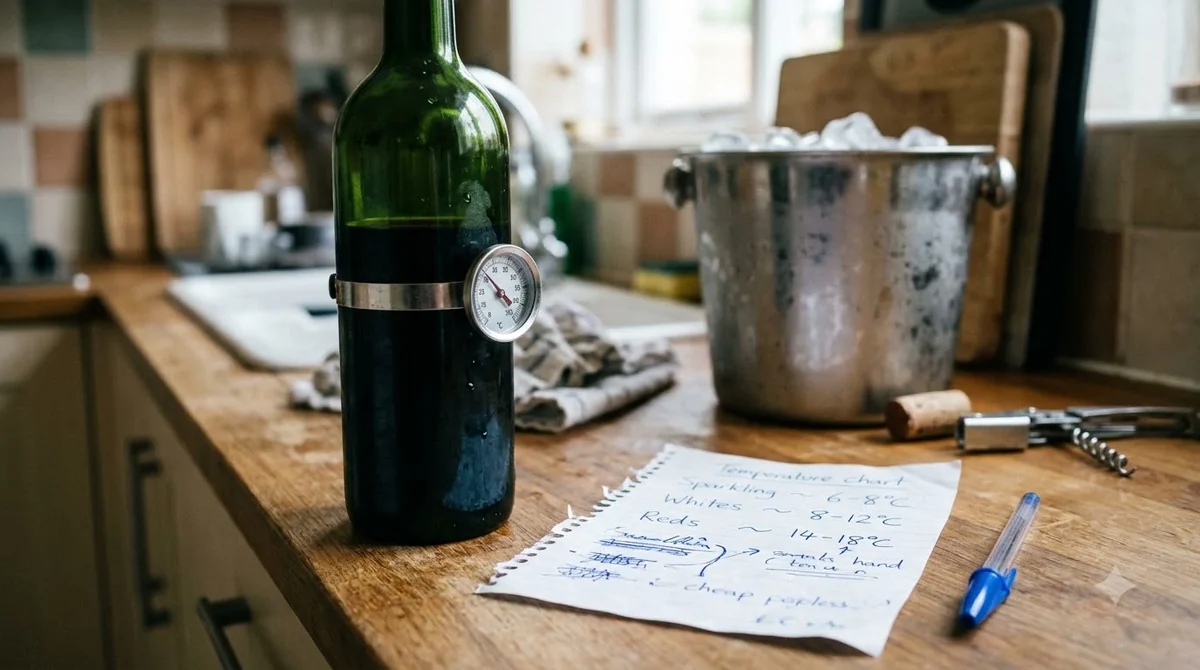
Serve white and rose wines chilled, and serve reds slightly cooler than room temperature. Sparkling wines should be well chilled and poured into a tall glass to keep the bubbles lively. Avoid warm storage and leave a bottle in the fridge for a short time before serving if it has been kept on the counter.
Simple food pairings work best with these wines. Sparkling wine goes with fried foods, salty snacks, and brunch dishes. A dry white suits chicken, seafood, and salads. A sweet rose works well with spicy takeout, and a soft red goes with burgers, pasta, and grilled vegetables. The goal is balance, so match the weight of the food with the weight of the wine.
Tip: Keep an opened bottle of sparkling wine sealed with a proper stopper and store it cold. The bubbles last longer that way.
Frequently Asked Questions
Is Gallo wine a family business?
Yes. Gallo remains a private company owned by the Gallo family, and it has been run by the family since the brothers founded it in Modesto.
Which Gallo wine is best for beginners?
A light, fruity white or a sparkling wine is usually the easiest place to start. These styles are approachable and low in tannin, so they are gentle for people new to wine.
Is Gallo wine sweet?
It depends on the bottle. The range includes dry wines as well as sweeter styles such as rose and fruit-forward sparkling. Check the label or the producer description for the sweetness level.
Where is Gallo wine made?
The company is headquartered in Modesto, California, and has operated wineries in several California regions, including Sonoma County.
Gallo wine is a practical choice for everyday meals, parties, and gifts. If you want to compare brands in the same family of styles, the Barefoot wine and Stella Rosa wine guides give a closer look at two popular bottlings, and the La Marca Prosecco guide covers a sparkling option. For a wider view of how these brands fit together, the Wine Brands hub is a good place to start.
More in Wine Brands
 Underwood Wine Price: Compare Bottles, Cans, and Pack SizesUpdated Nov 21, 2026
 Zenato Wine Price: Compare Styles and Choose the Right BottleUpdated Nov 21, 2026
 Zuccardi Wine Price: Compare Bottles and Find the Right RangeUpdated Nov 21, 2026
 Yellow Tail Moscato Review: Taste, Sweetness and Serving TipsUpdated Nov 21, 2026
 Wolf Blass Yellow Label Review: Choose Your Best StyleUpdated Nov 21, 2026
 Wolffer Estate Rose Review: Choose the Right Bottle for Your TableUpdated Nov 21, 2026