

We may earn a commission when you buy through links on this page, at no extra cost to you. Learn more.
The best sonoita wineries for a memorable Arizona wine trip include Callaghan Vineyards, Rune Wines, Dos Cabezas WineWorks, Sonoita Vineyards, and Los Milics Vineyards. Each offers a different experience, from traditional vineyard tastings and distinctive high-desert wines to panoramic mountain views and food-friendly tasting rooms. The Sonoita AVA sits southeast of Tucson, making it a practical destination for a day trip or a relaxed weekend devoted to Arizona wine.
Southern Arizona wine country has a personality quite different from the familiar vineyard landscapes of California. Around Sonoita and Elgin, open grasslands, mountain backdrops, dramatic temperature changes, and high-elevation vineyards shape a wine region worth exploring slowly. The best approach is to choose wineries according to the wines you enjoy, the atmosphere you prefer, and how much driving you want to do. This guide covers the standout stops, explains what to look for in the glass, and provides a practical plan for visiting without rushing through the experience.
Who Should Visit Sonoita Wine Country
Sonoita is an excellent destination for wine drinkers who enjoy discovering smaller American wine regions, trying less familiar grape varieties, and visiting tasting rooms with a strong sense of place. Its combination of high-desert scenery, vineyards, and independently operated wineries makes it particularly appealing to travelers who prefer character over a highly commercial wine-tourism experience.
The Sonoita AVA is Arizona’s first federally recognized American Viticultural Area. According to Visit Arizona, vineyards in the region generally occupy elevations between 4,500 and 5,000 feet. The growing environment includes intense sunshine, strong winds, seasonal summer storms, and significant temperature changes between daytime and nighttime. These conditions help explain why the region produces wines that can feel quite different from bottles made in warmer, lower-elevation desert locations.
The destination works particularly well for several types of visitors:
- Curious wine enthusiasts: Visitors interested in Syrah, Grenache, Viognier, Sangiovese, and other varieties beyond the most familiar supermarket grapes will find plenty to investigate.
- Arizona travelers: Visitors based in Tucson can make Sonoita a manageable wine-country excursion without committing to a long interstate journey.
- Couples and small groups: The independent tasting-room atmosphere makes it easy to build a leisurely itinerary around wine, food, and scenery.
- Wine collectors: Travelers interested in regional producers can discover bottles that may be less familiar outside Arizona.
- Scenic travelers: The surrounding grasslands and mountain views offer a different setting from densely planted vineyard destinations.
Visitors expecting a large resort-style wine destination should adjust their expectations. Sonoita and Elgin are small communities, and the experience centers on individual wineries rather than an extensive commercial wine district. Some tasting rooms have limited operating schedules, and the distance between properties makes transportation planning important.
The region is also a useful destination for travelers who have already explored other American wine areas. Comparing the best Temecula wineries with Arizona’s high-elevation producers, for example, reveals how climate, elevation, and local grape choices influence the character of a wine region.
Key Factors to Compare When Choosing a Winery
The right winery depends on more than reputation. Compare the available wine styles, tasting-room setting, food options, location, and visiting arrangements before deciding which properties deserve a place on your itinerary.
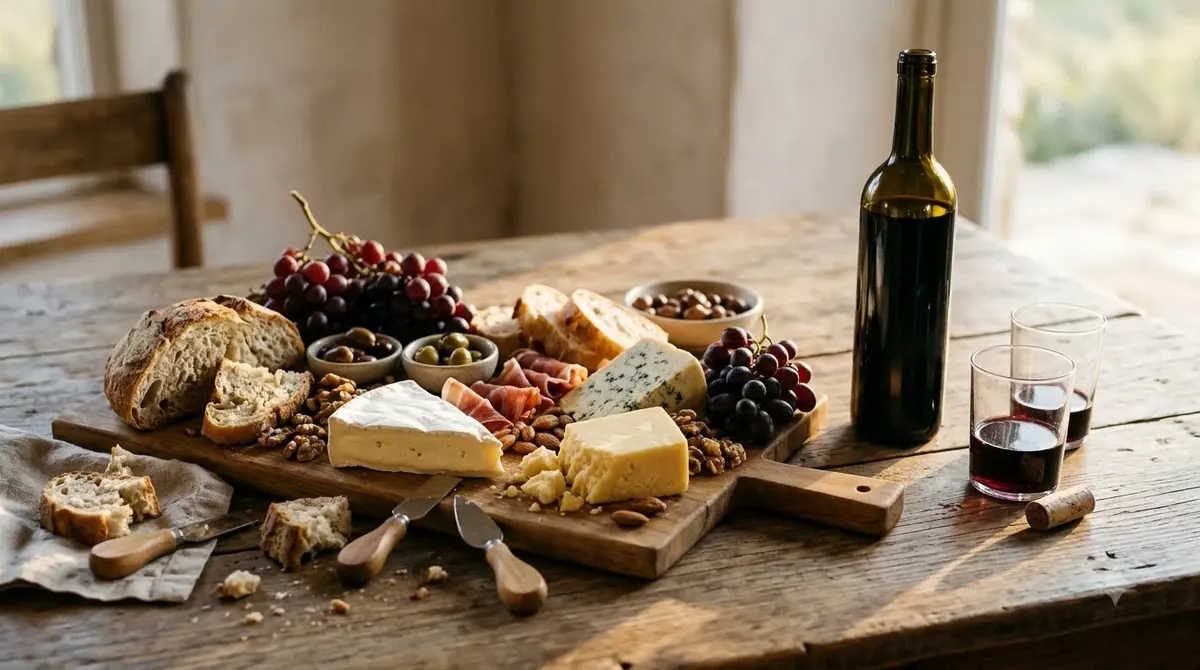
Start with the wine selection. Some visitors want structured reds, while others prefer aromatic whites, rosé, or lighter wines for a warm afternoon. A producer’s grape varieties and winemaking approach provide useful clues about whether its tasting flight will match your preferences.
Next, consider the experience outside the glass. Rune Wines is particularly interesting for its off-grid setting and panoramic high-desert views. Dos Cabezas WineWorks offers a convenient Sonoita tasting-room location and welcomes walk-ins. Los Milics adds an architectural setting and food-focused hospitality, while Sonoita Vineyards combines a substantial vineyard property with a long local history.
The following comparison summarizes the most useful planning details. Distances are approximate driving estimates rather than guaranteed travel times, and opening schedules should be reconfirmed before departure.
| Winery | Location | Standout feature | Useful planning detail |
|---|---|---|---|
| Callaghan Vineyards | Elgin | Traditional, straightforward winemaking approach | Weekend tasting experience highlighted by Visit Arizona |
| Rune Wines | 3969 AZ-82, Sonoita | Off-grid solar-powered tasting room | Typically 5-6 wines per flight |
| Dos Cabezas WineWorks | 3248 Highway 82, Sonoita | Wines from two vineyard sources | Open 11 a.m.-7 p.m. Friday and Saturday |
| Sonoita Vineyards | 290 Elgin-Canelo Road, Elgin | Historic vineyard and broad grape selection | More than 30 acres of vines |
| Los Milics Vineyards | Elgin | Modern architecture and small plates | 3,400-square-foot glass tasting room |
Price is another consideration, but tasting fees, included samples, and food arrangements can change. Review each winery’s current visitor information instead of assuming that every tasting room follows the same format. A flight with several wines may be ideal for comparison, while a guided tasting may offer more detailed discussion of vineyard sources and production decisions.
For example, Rune Wines describes its rotating tasting menu, food offerings, and visitor arrangements on its official tasting-room and visitor information page. Checking the winery’s own details before leaving helps avoid relying on outdated third-party listings.
Finally, consider the size of your group. A couple or small party may be able to visit several properties without advance arrangements, but larger parties should contact wineries before arriving. This is especially important if the itinerary includes a private tasting or a meal.
Step-by-Step: Planning a Sonoita Winery Visit
A successful wine-country visit starts with a manageable itinerary. Two or three carefully selected tasting rooms generally offer a better experience than trying to fit every winery into a single afternoon.
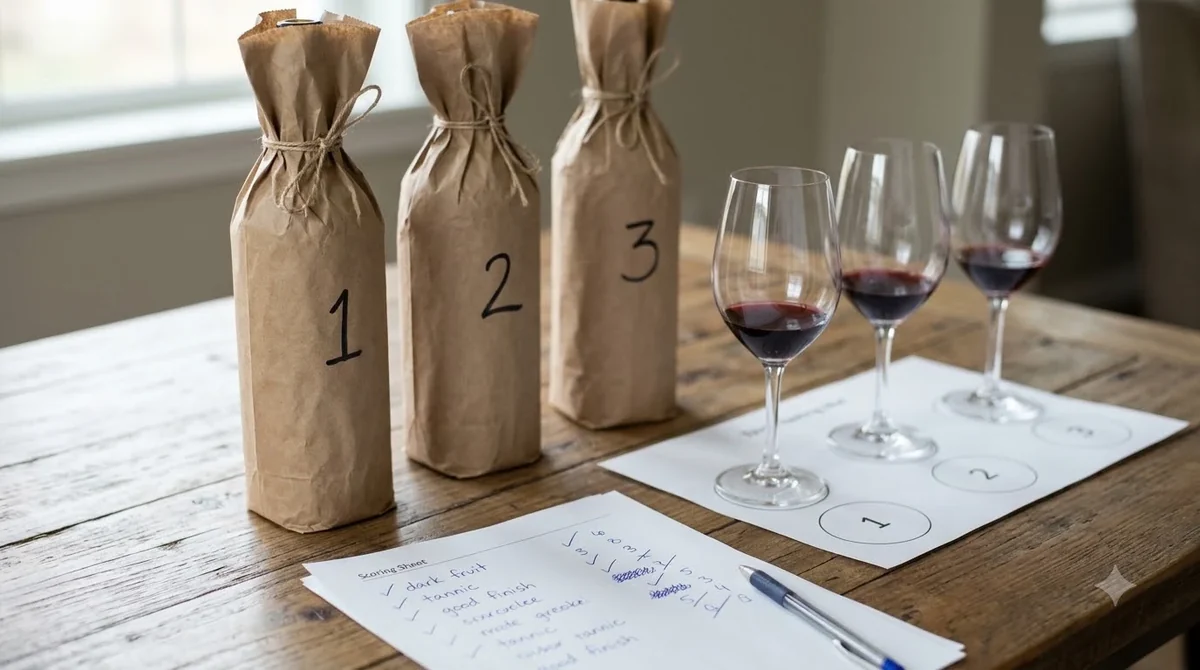
Use this sequence to organize the day:
- Choose your starting point. Tucson is a practical base for many visitors, with the Sonoita region less than an hour south by car according to Visit Arizona. Allow additional time for scenic stops, road conditions, and the drive between individual properties.
- Choose your preferred wine styles. Make a short list of grapes you want to explore. For example, choose Syrah and Grenache if you enjoy fuller reds, or Viognier and other aromatic whites if you prefer expressive white wines.
- Select two or three wineries. A useful first itinerary might combine Sonoita Vineyards, Dos Cabezas WineWorks, and Rune Wines. Alternatively, focus on the Elgin area with Callaghan and Los Milics.
- Check the operating schedule. Opening days vary. Sonoita Vineyards closes Tuesdays, Dos Cabezas WineWorks closes Wednesdays, and individual wineries may have shorter weekday schedules.
- Contact wineries about group arrangements. Dos Cabezas recommends reservations for groups of 9 to 12 and advance arrangements for parties of 13 or more. Other producers may have their own policies.
- Arrange transportation. Choose a designated driver, professional tour, or overnight accommodation. Do not plan to drive after consuming enough wine to impair your driving ability.
- Allow time for food. Schedule a proper meal or a substantial break between tastings. Rune Wines offers sandwiches, small bites, and charcuterie, while Los Milics is known for its small-plate menu.
- Finish with bottle shopping. Decide which wines genuinely stand out and ask about availability, grape varieties, vineyard sources, and suitable drinking windows before purchasing.
A useful starting itinerary is to visit Sonoita Vineyards in the late morning, continue to Dos Cabezas WineWorks, and finish at Rune Wines if its hours fit the schedule. This arrangement combines an established vineyard, a winery with a diverse sourcing story, and a scenic tasting-room experience.
Another option is to concentrate on Elgin. Callaghan Vineyards and Los Milics offer contrasting experiences: one emphasizes a traditional approach to winemaking, while the other combines a modern architectural setting with food. This makes the pairing particularly useful for visitors who want to compare different approaches within the same wine region.
Tip: Leave at least 60 to 90 minutes for each winery, including parking, tasting, questions, and bottle shopping. Three relaxed visits are generally more enjoyable than squeezing five tastings into a short afternoon.
Types and Styles of Sonoita Wineries Explained
Sonoita’s wineries do not all follow the same philosophy. Some emphasize traditional vineyard production, others highlight experimental or regionally distinctive wines, and several place equal importance on the tasting-room setting and hospitality.
Understanding these differences makes it easier to select stops that suit your interests.
Traditional vineyard-focused producers
Callaghan Vineyards is an important name to consider for visitors interested in winemaking rather than elaborate tasting-room entertainment. Visit Arizona describes founder Kent Callaghan’s approach as relatively straightforward, with barrel aging, lees aging, and limited racking. These production choices are useful topics to ask about during a tasting because they can influence texture, structure, and the way fruit character develops in the finished wine.
Sonoita Vineyards is another natural choice for traditional vineyard-focused exploration. The winery began in 1974 and opened in 1983, according to its official website. Its vineyard covers more than 30 acres and sits at approximately 5,000 feet. The winery’s reported grape varieties include Chardonnay, Merlot, Cabernet Sauvignon, Syrah, Sangiovese, Malbec, and Tannat. This range offers visitors an opportunity to compare familiar international varieties with grapes that may be less common in their regular wine purchases.
Producers with distinctive regional character
Dos Cabezas WineWorks deserves attention from visitors who want to understand how grape sourcing can influence an Arizona wine. Visit Arizona identifies two vineyard sources: Pronghorn Vineyard in Elgin and Cimarron Vineyard near Willcox. Its tasting-room wines therefore provide an opportunity to explore wines associated with different growing locations rather than assuming every bottle comes from a single property.
The producer is also associated with dry, fruity reds, mild whites, and distinctive sparkling pink wine. These styles make it an interesting stop for visitors who want something beyond a conventional Cabernet Sauvignon and Chardonnay tasting.
Scenic and experience-focused tasting rooms
Rune Wines stands out for its off-grid solar-powered tasting room and panoramic views. Its regular tasting menu typically includes five to six wines, with a selection of rosé, whites, and reds. The winery also offers sandwiches, small bites, and charcuterie, which makes it convenient for visitors who want refreshments without leaving the property.
Los Milics Vineyards offers a different atmosphere. Visit Arizona describes its Elgin tasting room as a 3,400-square-foot glass structure with expansive views of the Mustang Mountains and surrounding grasslands. Its Italian and French varietal selections are accompanied by a small-plate menu, making it a strong choice for visitors who appreciate food as part of a wine-country experience.
For a broader regional overview, Visit Arizona’s guide to Arizona’s wine regions provides additional context about the Sonoita landscape, its producers, and the surrounding high-desert growing environment.
How to approach unfamiliar grape varieties
Try to compare wines by structure rather than simply choosing the varieties with the most familiar names. Syrah generally offers more tannin and body than Pinot Noir, while Viognier is known for aromatic fruit and a fuller texture than many crisp white wines.
For a useful comparison, taste a red wine first for fruit, acidity, and tannin, then compare its texture with a second red from a different grape variety. With whites, consider whether you prefer the freshness of a high-acid style or the rounder impression of a fuller-bodied wine.
Visitors interested in broadening their American wine knowledge can also compare the region with the best Paso Robles wineries, where Rhône-inspired varieties and other Mediterranean grapes provide another useful point of comparison.
Common Mistakes When Visiting Sonoita Wineries
The most common planning problems involve scheduling, transportation, and unrealistic expectations about how many wineries can fit into a day. A little preparation helps visitors spend more time enjoying the wines and less time adjusting plans.
Trying to visit too many wineries
It is tempting to build a schedule around every producer in the area, particularly when looking at a winery map. However, a tasting is more than the time spent pouring wine. Visitors need time to park, ask questions, explore the property, and decide whether they want to purchase bottles.
Three wineries can provide a meaningful overview of the region. Four may work for visitors with a full day and carefully coordinated opening times, but a larger itinerary can become tiring. The best approach is to choose producers with different strengths rather than several tasting rooms offering similar experiences.
Ignoring different opening days
Not every tasting room follows a seven-day schedule. Sonoita Vineyards closes Tuesdays and major holidays, while Dos Cabezas WineWorks closes Wednesdays. Rune Wines lists different closing times throughout the week, including later Friday and Saturday hours.
Never assume that a winery will be open simply because another property nearby is operating. Confirm the actual date and arrival time directly before setting out.
Assuming every tasting is identical
One producer may offer a four-wine flight, another may pour five or six selections, and another may focus on a guided discussion of its production methods. Some wineries also provide food, while others concentrate on wine service.
These differences are part of the appeal. Ask what is included, whether the tasting lineup changes, and whether there are opportunities to sample wines made from less familiar grapes.
Underestimating the driving arrangements
Sonoita and Elgin are close enough to form one wine-country destination, but visitors still need to travel between properties. The roads and surrounding landscape can make the distances feel different from a compact urban tasting district.
Do not depend on being able to drive comfortably after multiple tastings. Organize a sober driver or suitable transportation before the first pour, not after the final stop.
Choosing wines based only on reputation
Well-known producers are useful starting points, but the most enjoyable wine is a matter of personal preference. Someone who enjoys lighter, higher-acid reds may not prefer a structured Cabernet Sauvignon, regardless of a winery’s reputation.
Ask about grape varieties, acidity, tannin, oak treatment, and food pairings. These details help translate an interesting tasting into a better purchasing decision.
Care and Storage Tips for Wine Purchased in Sonoita
Buying a few bottles at a winery is a natural part of a wine-country visit, but proper handling matters. Heat exposure during transportation and poor storage at home can reduce a wine’s freshness and compromise its character.
Protect bottles during transportation
Keep purchased bottles away from direct sunlight and hot vehicle interiors. Avoid leaving wine in a parked car for extended periods, particularly during warm Arizona afternoons. If the itinerary includes several tasting rooms, use an insulated carrier and arrange to move bottles into suitable accommodation storage as soon as practical.
For longer journeys, ask the winery about shipping arrangements where permitted. Alcohol shipping rules differ by destination, so confirm whether delivery is available to your state before relying on that option.
Store bottles at a stable temperature
For long-term storage, keep wine in a cool, dark location near 55 degrees Fahrenheit, with relatively stable temperature and humidity. Bottles with natural cork closures are generally stored on their sides to keep the cork from drying out. Avoid locations near ovens, radiators, windows, and other sources of temperature fluctuation.
Temperature stability is particularly important for wines purchased during a warm-weather trip. A consistently cool storage environment is preferable to repeated changes between a hot room and a cold refrigerator.
Serve different wine styles at appropriate temperatures
Serving temperature can change the way a wine tastes. A structured red served too warm may seem heavy, while a delicate white served too cold can lose some of its aromatic expression.
- Sparkling wine: Serve around 40-50 degrees Fahrenheit.
- Light whites and rosé: Serve around 45-50 degrees Fahrenheit.
- Full-bodied whites: Serve around 50-55 degrees Fahrenheit.
- Light reds: Serve around 55-60 degrees Fahrenheit.
- Full-bodied reds: Serve around 60-65 degrees Fahrenheit.
Give suitable reds time to breathe
Some young, full-bodied red wines benefit from decanting before serving. A period of approximately 30 to 60 minutes can help certain wines open up, making their aromas easier to appreciate. This is not necessary for every bottle, and delicate or older wines may require a more cautious approach.
Once opened, still wines generally keep for about three to five days in the refrigerator, depending on the wine and storage conditions. Sparkling wines typically retain their best qualities for approximately one to three days when properly sealed and refrigerated.
For a broader introduction to selecting bottles, reading wine labels, and comparing wine styles, the wine-buying learning section offers a useful next step beyond the tasting room.
Frequently Asked Questions
Is Sonoita considered a high-altitude wine region?
Yes. The vineyards generally sit between 4,500 and 5,000 feet, making the region one of the notable high-elevation wine-growing areas in the United States. The elevation contributes to a growing environment with strong sunlight and substantial daily temperature changes.
What is the difference between Sonoita and Willcox wines?
Both are Arizona wine regions, but their vineyard landscapes and growing conditions differ. The Willcox AVA is much larger and accounts for a substantial share of Arizona’s wine-grape production, while Sonoita is known for its high-desert grasslands and vineyards between Sonoita and Elgin.
Can visitors buy wine directly from Sonoita wineries?
Yes. Several producers offer bottles for purchase through their tasting rooms. Availability depends on the current wine lineup and inventory, so ask staff about individual bottles, production quantities, and shipping options before making a selection.
Does Sonoita have an official wine appellation?
Yes. Sonoita is a federally recognized American Viticultural Area. Its recognition reflects a defined grape-growing region with distinctive geographic and environmental characteristics, rather than simply a tourism label for nearby wineries.
Which grape varieties are less familiar to visitors in Sonoita?
Visitors may encounter Tannat, Mourvèdre, Roussanne, Viognier, and other varieties that receive less attention in mainstream American wine retail. These grapes can provide a useful introduction to the Mediterranean and Rhône-inspired styles found among Arizona producers.
The best Sonoita wineries offer more than a collection of tasting flights: they provide an opportunity to understand Arizona’s distinctive high-elevation wine culture. Start with two or three producers that match your preferred styles, allow time for the scenery and conversation, and make transportation part of the plan. A relaxed visit to Sonoita and Elgin can be one of the most rewarding ways to discover American wines beyond the familiar coastal regions.
More in Wine Buying Guides
 Cheap Red Blend: How to Find a Flavorful Bottle for LessUpdated Nov 20, 2026
 Pinot Grigio Gift: How to Choose a Bottle They’ll EnjoyUpdated Nov 20, 2026
 Best White Wine at Total Wine for Every MealUpdated Nov 20, 2026
 Wine Fridge Replacement Shelves: Find the Right FitUpdated Nov 20, 2026
 Best Sparkling Wine Under 20: Find Bubbles Worth BuyingUpdated Nov 20, 2026
 Best Wine For Birthday Celebrations With Perfect Party PairingsUpdated Nov 20, 2026