

We may earn a commission when you buy through links on this page, at no extra cost to you. Learn more.
The arizona wine region is a high-desert wine area defined by three federal American Viticultural Areas—Sonoita, Willcox, and Verde Valley—and by wines made from a wide range of grapes. High elevations, sunny days, cool nights, varied soils, and summer monsoon weather shape its vineyards. Compare the southern AVAs with northern Verde Valley, then look for the Rhône, Spanish, and Italian varieties growers have adapted to each site.
Arizona is not one uniform growing zone. A vineyard near Sonoita’s grasslands differs from a site in the Sulphur Springs Valley or beside Oak Creek near Cottonwood. Those contrasts make regional labels useful, whether you are shopping for Syrah, a lively white, or an unfamiliar blend.
How Arizona’s AVA System Works
Arizona has three federally recognized American Viticultural Areas: Sonoita in the south, Willcox in southeastern Arizona, and Verde Valley in Yavapai County. Each AVA marks a defined grape-growing area rather than a guarantee of one flavor, helping buyers connect a wine with a specific place.

An American Viticultural Area, or AVA, is a geographic designation based on distinguishing features such as climate, geology, soil, and topography. The federal Alcohol and Tobacco Tax and Trade Bureau lists the three Arizona AVAs and their counties: Sonoita spans Cochise, Pima, and Santa Cruz counties; Willcox covers parts of Cochise and Graham counties; and Verde Valley is in Yavapai County. The official AVA directory identifies current federal appellation names and boundaries.
For a wine to carry an AVA name, at least 85 percent of its grapes must come from that AVA, and the wine must be fully finished in the state where the AVA is located. A bottle labeled Arizona may draw fruit from several regions; a bottle labeled Willcox makes a tighter geographic claim. The regions received recognition at different points: Sonoita was first, followed by Willcox and Verde Valley. For context on appellation systems elsewhere, the Wine Regions overview explains how geographic names work on wine labels.
High-Desert Climate, Elevation, and Soil
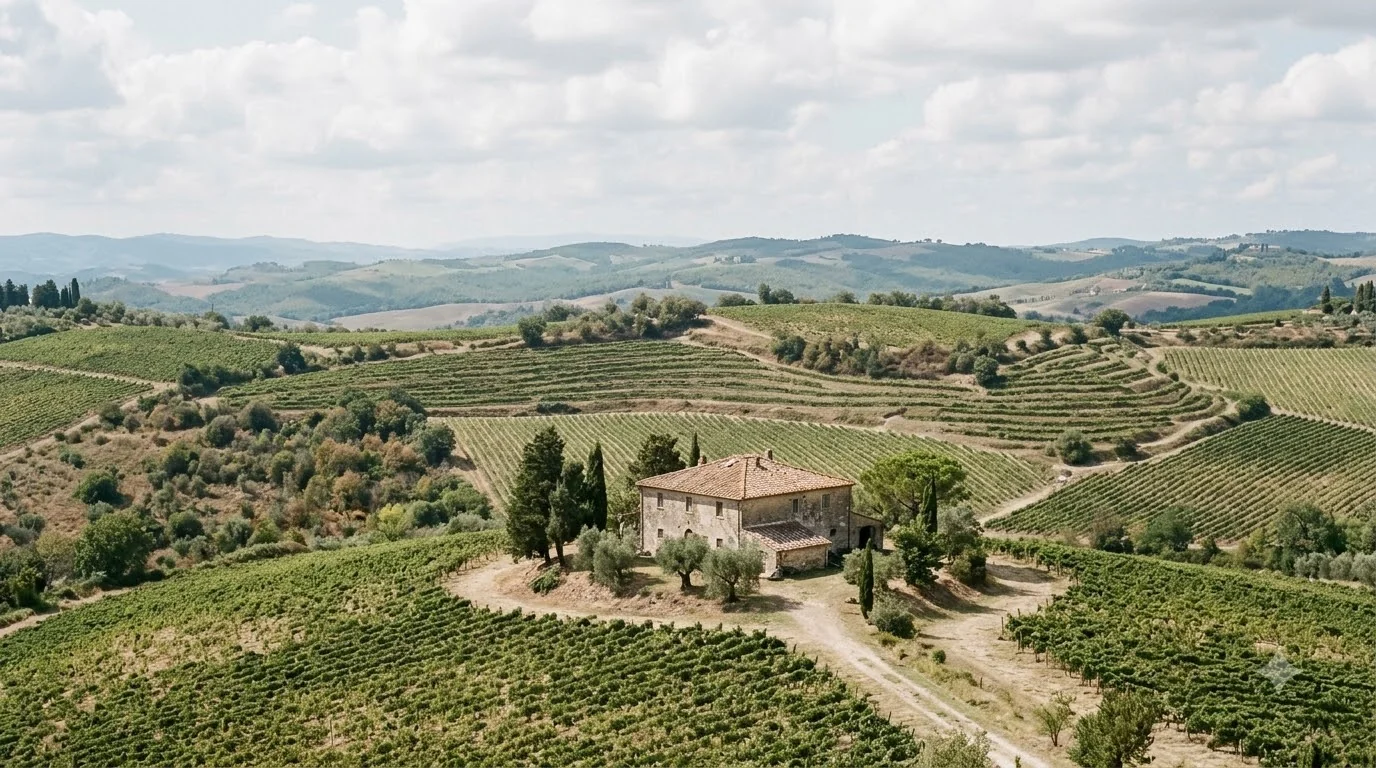
Arizona vineyards combine intense sunlight with altitude, sharp day-to-night temperature changes, and seasonal monsoon rain. The three AVAs span roughly 3,000 to 5,500 feet, while their average annual rainfall ranges from about 13 to 20 inches.
Warm days help grapes ripen, while cooler nights can slow the loss of acidity and preserve freshness. This day-to-night temperature difference is called diurnal range; in Willcox, the Arizona Wine Growers Association reports that some vineyards experience fluctuations of up to 50 degrees during the growing season. The effect varies with site, slope, exposure, and vintage, so elevation alone does not predict a wine’s taste.
Much of the state’s limited rainfall arrives during the summer monsoon season. Timing can influence harvest decisions and vineyard work, while growers also manage heat, wind, frost risk at elevation, and irrigation needs. Soil changes by region: Sonoita has reddish gravelly loam; Verde Valley includes limestone near Rimrock, sandstone around Sedona, basalt near House Mountain, and alluvial deposits beside Oak Creek and the Verde River; Willcox ranges from gravelly soils to deep loams and clay-loams mixed with cobbles.
| AVA | Typical elevation | Average annual rainfall | Reference towns |
|---|---|---|---|
| Sonoita | 4,500–5,200 feet | 15–20 inches | Sonoita, Elgin, Patagonia |
| Willcox | 4,000–5,500 feet | 13–18 inches | Willcox, Pearce, Kansas Settlement |
| Verde Valley | 3,000–5,500 feet | 16–18 inches | Cottonwood, Cornville, Sedona, Jerome |
These are regional ranges, not measurements for every vineyard. A site’s aspect, soil depth, nearby water, and exposure can vary within one AVA, which is why tasting the same grape from two Arizona regions can be more revealing than relying on a generic state profile.
Sonoita AVA: Grassland Vineyards South of Tucson
Sonoita is Arizona’s original federally designated wine region, centered on high grasslands between Sonoita and Elgin, about an hour south of Tucson. Vineyards generally sit between 4,500 and 5,200 feet, surrounded by rolling terrain and mountain ranges.
The Santa Rita, Mustang, Whetstone, and Huachuca mountains influence the region’s reddish gravelly loam. Native grasses, oak, ash, and mesquite define much of the countryside, while summer highs often reach the 80s and 90s and average annual rainfall is around 15 to 20 inches, much of it during monsoon season. These are distinctive growing conditions, but vineyard exposure and harvest timing still determine how a particular wine develops.
Sangiovese, Cabernet Franc, and Petit Verdot are among the varieties associated with Sonoita; growers also work with Syrah, Grenache, and Viognier. Reds can show firm structure and savory detail, while Cabernet Franc may bring herbal notes and red fruit. Highway 82 links the Sonoita-Elgin area, but tasting rooms are spread across rural roads, so plan a route rather than expect one compact downtown. Patagonia is another nearby community to include in a southern Arizona visit.
For a contrast with another mountain-influenced region, read about the Savoie wine region. Its Alpine geography and cooler conditions create a markedly different expression of mountain viticulture.
Willcox AVA: The State’s Major Grape-Growing Hub
Willcox is the largest source of Arizona wine grapes and an important region for understanding the state’s vineyard economy. Its vineyards occupy the Sulphur Springs Valley and nearby mountain foothills, generally between 4,000 and 5,500 feet, with Willcox, Pearce, and Kansas Settlement as useful geographic reference points.
The Arizona Wine Growers Association describes Willcox as the source of most of the state’s fruit, and University of Arizona Cooperative Extension’s statewide harvest reporting also identifies it as the leading region for planted acreage and harvested tonnage. The broad valley setting supports larger vineyard sites, supplying both local wineries and producers elsewhere in Arizona. The soil varies from gravelly or sandy profiles to deep loams and clay-loams mixed with cobbles.
The Chiricahua and Dos Cabezas mountains lie to the east, with the Dragoon Mountains to the west; nearby Willcox Playa is a broad dry lakebed that reflects the valley’s arid basin geography. Grenache, Tempranillo, and Mourvèdre are varieties to seek out, alongside Syrah and Cabernet Sauvignon. Try single-variety bottlings to compare grape character, then taste blends that combine fruit from different vineyard blocks or sites.
Willcox has tasting rooms in town, while vineyard sites may be farther out toward Pearce or the foothills. Tucson is roughly 80 miles west and makes a useful food-and-travel gateway. Check whether a producer’s tasting room is in town or at the vineyard before setting off; the two locations may be different.
Verde Valley AVA: Northern Arizona’s Creekside Vineyards
Verde Valley brings a different landscape to Arizona wine, with vineyards around Cottonwood, Cornville, Clarkdale, Jerome, Sedona, and nearby communities. The AVA lies in Yavapai County north of Phoenix, with sites ranging from about 3,000 to 5,500 feet.
The Verde River and Oak Creek shape the agricultural setting, while nearby hills and the Mogollon Rim influence local temperatures. Vineyards occupy creekside ground, slopes, and benches with different exposures. The region’s geology ranges from limestone around Rimrock and sandstone near Sedona to basalt around House Mountain and fertile alluvial material close to waterways, so no single flavor profile describes every Verde Valley wine.
Syrah, Zinfandel, and Cabernet Sauvignon are among the reds associated with the region. White-wine drinkers can seek Malvasia Bianca and Viognier, while Barbera, Aglianico, and Sangiovese add an Italian accent. Cottonwood is a convenient base, with tasting rooms and restaurants around Old Town; Cornville and Page Springs offer creekside vineyard settings, while Jerome and Sedona add hillside scenery and visitor amenities.
Vineyards also exist outside Arizona’s three AVA boundaries, and some wineries source or blend grapes from several parts of the state. Readers curious about a cooler maritime growing climate can compare the Tasmania wine region, where the shorter, cooler season shapes a different range of varieties and styles.
Arizona Grapes and Wine Styles to Look For
Arizona’s identity is not one signature grape but a mix of Rhône, Spanish, Italian, and familiar international varieties. Syrah, Grenache, and Cabernet Sauvignon lead the statewide planting picture, while Viognier, Malvasia Bianca, and Chardonnay are important white grapes.
The University of Arizona’s statewide harvest report counted 76 distinct varieties among participating growers. Red grapes accounted for about 71 percent of planted acreage, compared with 29 percent for white varieties. Syrah ranked first by acreage, followed by Grenache and Cabernet Sauvignon; the six varieties Syrah, Grenache, Cabernet Sauvignon, Viognier, Malvasia Bianca, and Chardonnay together represented about half of harvested acreage. The mix shows a red-wine emphasis alongside meaningful experimentation.
Red varieties
Syrah is a good starting point for Arizona reds. It can show dark berry and plum fruit, peppery or savory notes, and medium-plus to high tannin. Grenache is generally more supple, with red fruit and spice, and appears as a still red, a blend component, or rosé. Mourvèdre adds earthy notes and structure to blends, while Tempranillo offers a Spanish point of comparison, often with savory character and an affinity for oak.
White varieties and rosé
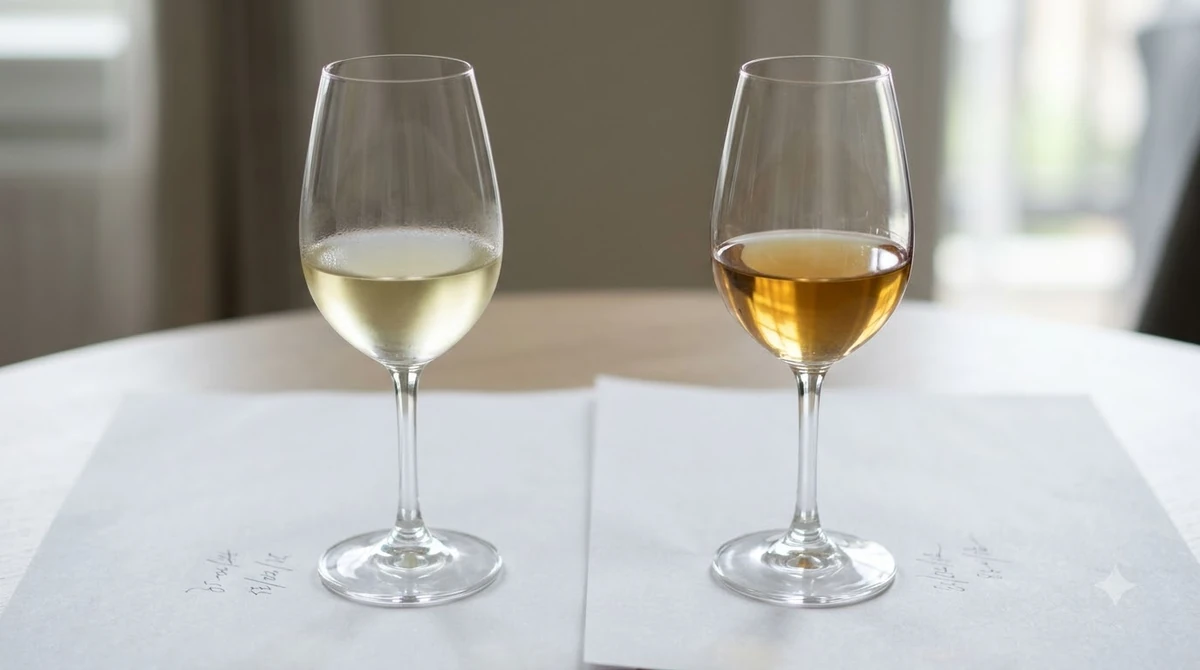
Viognier and Malvasia Bianca are useful names to remember when exploring Arizona whites. Viognier is aromatic, with stone-fruit and floral notes and a fuller texture; Malvasia Bianca can be fragrant, with citrus, floral, and sometimes tropical impressions. Chardonnay offers a familiar reference point, while Grenache rosé gives drinkers a refreshing alternative. Producers vary in their approach: some emphasize ripe fruit and concentration, while others prioritize acidity, restrained oak, and savory complexity. Ask whether the grapes are estate-grown, sourced from another Arizona AVA, or blended across sites; that detail often explains a wine’s style.
Planning a Visit and Serving Arizona Bottles
Arizona wine country is spread across rural and small-town areas, so a visit works best when planned around one region at a time. Cottonwood and Verde Valley offer tasting rooms and nearby attractions, while Willcox and Sonoita are better approached as dedicated day trips with driving time built into the schedule.
In Verde Valley, Cottonwood is a convenient center for Old Town tasting rooms, with Cornville, Page Springs, Jerome, and Sedona adding vineyard or hillside stops. Willcox has tasting rooms in town and vineyards farther out, while Sonoita’s producers are spread along rural roads near Highway 82. Spring and fall are comfortable seasons for multi-stop itineraries, but summer monsoon storms can affect roads and schedules. Confirm opening hours, allow for driving time, bring water, and arrange a designated driver or other safe transportation.
Tip: Serve a structured Arizona red near 60°F and let it warm in the glass. This can make its fruit, acidity, and tannin easier to assess without emphasizing alcohol.
Serve light whites and rosé around 45–50°F, fuller whites around 50–55°F, light reds around 55–60°F, and fuller reds around 60–65°F. Pair Syrah and Mourvèdre with grilled lamb or smoked vegetables; Cabernet Sauvignon can stand up to steak or aged hard cheese; Grenache suits roast chicken and tomato-based dishes; Viognier works with poultry and squash. Avoid pairing a highly tannic red with delicate oily fish, and be cautious with very spicy food because alcohol and tannin can amplify chili heat.
A 5-ounce pour is a practical tasting measure, and a standard 750-milliliter bottle yields about five glasses. Refrigerate opened still wine and aim to finish it within three to five days. A young, full-bodied red may benefit from 30 to 60 minutes of decanting; store unopened bottles on their sides in a cool, dark place near 55°F.
Frequently Asked Questions
Are all Arizona vineyards located inside an AVA?
No. The statewide grower survey found that the second-largest collection of vineyards was outside designated boundaries. About 72 percent of those non-AVA acres were located in Cochise County, showing that Arizona grape growing extends beyond its formal appellations.
Who helped establish modern winemaking in Arizona?
University of Arizona scientist Dr. Gordon Dutt conducted vineyard research in the 1970s to evaluate the state’s suitability for wine grapes. He later established Vina Sonoita Vineyards, identified by Wine Enthusiast as Arizona’s first modern winery. His work helped turn high-desert viticulture into a practical commercial project.
What does terra rossa mean in Arizona wine discussions?
Terra rossa is a red, clay-rich soil type often associated with limestone landscapes. Wine Enthusiast describes a profile with a loamy surface, red clay beneath it, and lime lower in the soil. It is one soil reference in discussions of Arizona vineyard potential, not a description of every vineyard in the state.
How large are Arizona’s individual vineyards?
In the statewide grower survey, the 67 reporting vineyard locations ranged from 0.59 acres to 58.97 acres. This range includes both very small sites and larger commercial properties. The survey’s figures are aggregated and do not identify individual operations.
Does Arizona grow unusual grape varieties?
Yes. Beyond its familiar Syrah, Grenache, and Cabernet Sauvignon, Arizona vineyards include small plantings of Gamay Noir and Lemberger. The statewide report found that some niche varieties occupied less than half an acre each, making them much less common than grapes in a typical tasting flight.
Arizona wine is best understood as a collection of high-desert growing places rather than a single house style. Compare bottles from Sonoita, Willcox, and Verde Valley, and pay attention to grape variety and vineyard source. Whether you begin with Syrah or choose an unfamiliar Italian white, Arizona offers a distinctive American wine experience shaped by altitude, sun, and regional experimentation.
More in Wine Regions
 Willcox Wine Trail: Discover Arizona’s High-Elevation Wine CountryUpdated Nov 20, 2026
 Yakima Valley Wine Region: Find the Best Styles to TryUpdated Nov 20, 2026
 Vosne Romanee Wine Tasting: Identify Aromas and Choose Better PairingsUpdated Nov 20, 2026
 Yakima Valley Wine Festival: Find the Best Seasonal Wine EventsUpdated Nov 20, 2026
 Wales Vineyards: Discover Cool-Climate Wines and Where to VisitUpdated Nov 20, 2026
 Yountville Wine Festival: Discover Napa Wines and Local FoodUpdated Nov 20, 2026