

We may earn a commission when you buy through links on this page, at no extra cost to you. Learn more.
Elgin vineyards are located in South Africa’s Western Cape, approximately 70 kilometers east of Cape Town, and are known for producing elegant cool-climate wines, particularly Chardonnay, Pinot Noir, and Sauvignon Blanc. Their elevated mountain setting, cooling Atlantic influences, and ancient sandstone and shale soils create a long growing season that helps grapes retain freshness and develop complex aromas. For wine lovers, Elgin offers a distinctive alternative to the warmer, fuller-bodied wines associated with other parts of South Africa.
South Africa has several internationally recognized wine districts, but Elgin occupies a particularly interesting position among them. Historically associated with apple and pear orchards, this high-lying valley has developed a reputation for wines with lively acidity, restrained fruit character, and carefully balanced structure. Its vineyards combine the natural advantages of a cool growing environment with a collection of producers interested in expressing individual vineyard sites. Understanding the landscape, grape varieties, and winemaking styles makes it easier to appreciate what distinguishes Elgin from other South African wine destinations.
Where Elgin Vineyards Are Located and What Makes the Landscape Different
Elgin is a mountain-enclosed wine district in the Western Cape, approximately 70 kilometers southeast of Cape Town. Its elevated plateau, surrounding mountain ranges, and proximity to the Atlantic create a growing environment that differs considerably from the warmer inland wine districts.
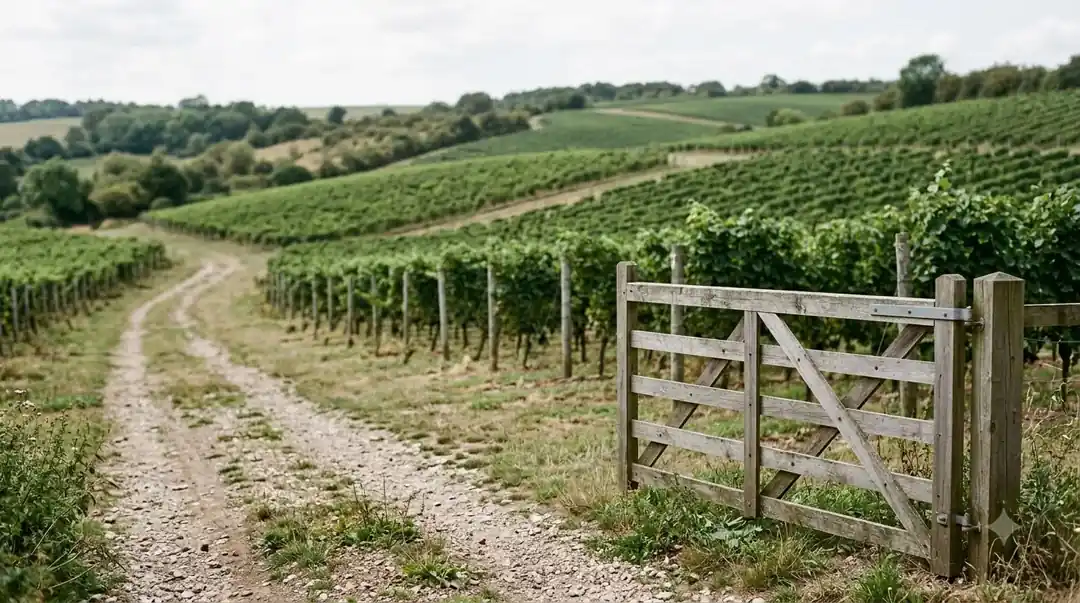
The valley is bordered by the Hottentots Holland Mountains and other mountain ranges that form a natural enclosure. According to Wines of Elgin, the valley floor generally ranges from approximately 300 to 550 meters above sea level. The enclosed valley is roughly 15 kilometers across, creating a collection of hills, slopes, and individual vineyard environments rather than one uniform agricultural landscape.
This variation matters because elevation, slope direction, exposure to wind, and proximity to cooling influences can affect how quickly grapes mature. Two vineyards growing the same grape variety can therefore produce noticeably different wines. A cooler or more exposed site may preserve particularly crisp acidity, while a more sheltered slope may allow fruit to develop greater ripeness without losing the region’s characteristic freshness.
Elgin is also geographically significant because it belongs to the Cape South Coast winegrowing region. South Africa’s Wine of Origin system distinguishes geographical units, regions, districts, and wards. These official geographical designations help communicate where grapes originate and provide consumers with a more precise understanding of a wine’s provenance.
The area’s agricultural history is closely connected to fruit growing. The Clüver family began farming apples at De Rust in 1896, while modern viticultural research during the mid-1980s identified Elgin as a promising location for cool-climate grapes. The district became an official wine ward in 1990, marking an important step in its development as a recognized wine-producing area.
Elgin’s location also makes it an interesting destination for visitors exploring the broader Cape winelands. Its combination of mountain scenery, orchards, vineyards, and natural vegetation gives the district a different atmosphere from the more established wine routes around Stellenbosch and Franschhoek. Travelers planning a wider South African wine itinerary can compare it with other international and regional destinations through our overview of Wine Regions.
Cool Climate, Atlantic Winds, and the Long Growing Season
Elgin’s cool climate is one of the most important reasons its wines have a recognizable style. Cooling southeast winds, mountain elevations, and cloud cover slow grape development, allowing fruit to mature gradually while retaining natural acidity.
The region is frequently described as South Africa’s coolest winegrowing district. Its climate benefits from maritime influences associated with the Atlantic Ocean, while the surrounding mountains shape local weather conditions. During the growing season, southeasterly winds can bring cooler air into the valley and generate cloud cover over the vineyards.
These conditions influence the way grapes accumulate sugar and develop aromatic compounds. In warmer vineyards, high temperatures can accelerate sugar accumulation and cause acidity to decline more quickly. In Elgin, the slower maturation process can preserve a fresher balance between fruit, acidity, and alcohol potential.
According to Wines of Elgin, annual winter rainfall generally ranges from 600 to 1,200 millimeters. A separate regional overview describes rainfall between 800 and 1,200 millimeters. These figures illustrate the district’s relatively generous rainfall compared with many other South African winegrowing environments.
Cloud cover is another defining feature. Mist and low clouds filter sunlight, reducing temperatures around the grape canopy and extending the ripening period. South African Tourism explains that extensive cloud cover can delay ripening by up to two months compared with other Cape vineyards. The resulting conditions can encourage more gradual development of flavors rather than rapid concentration of sugar and ripe fruit characteristics.
For wine drinkers, these climatic influences help explain why Elgin wines often emphasize freshness and definition. Sauvignon Blanc can show citrus and green fruit characteristics supported by crisp acidity. Chardonnay can combine ripe orchard fruit with a more restrained profile, while Pinot Noir can display delicate red fruit and fine tannins rather than the heavier structure associated with warmer growing environments.
It is important to remember that cool climate does not automatically mean every Elgin wine tastes light. Vineyard location, grape variety, harvest decisions, fermentation, and maturation all influence the finished wine. A barrel-fermented Chardonnay may have considerably more texture than a stainless-steel Sauvignon Blanc, even though both originate in the same district.
For additional geographical context, the Wines of South Africa overview of its winegrowing areas describes Elgin’s high-lying position and identifies the varieties that perform particularly well in its later-ripening environment.
Soils, Elevation, and the Character of Individual Vineyards
Elgin’s principal geological influences are Table Mountain Sandstone and Bokkeveld Shale. These ancient formations, together with differences in elevation and vineyard exposure, help explain the variety of wine styles produced across the valley.
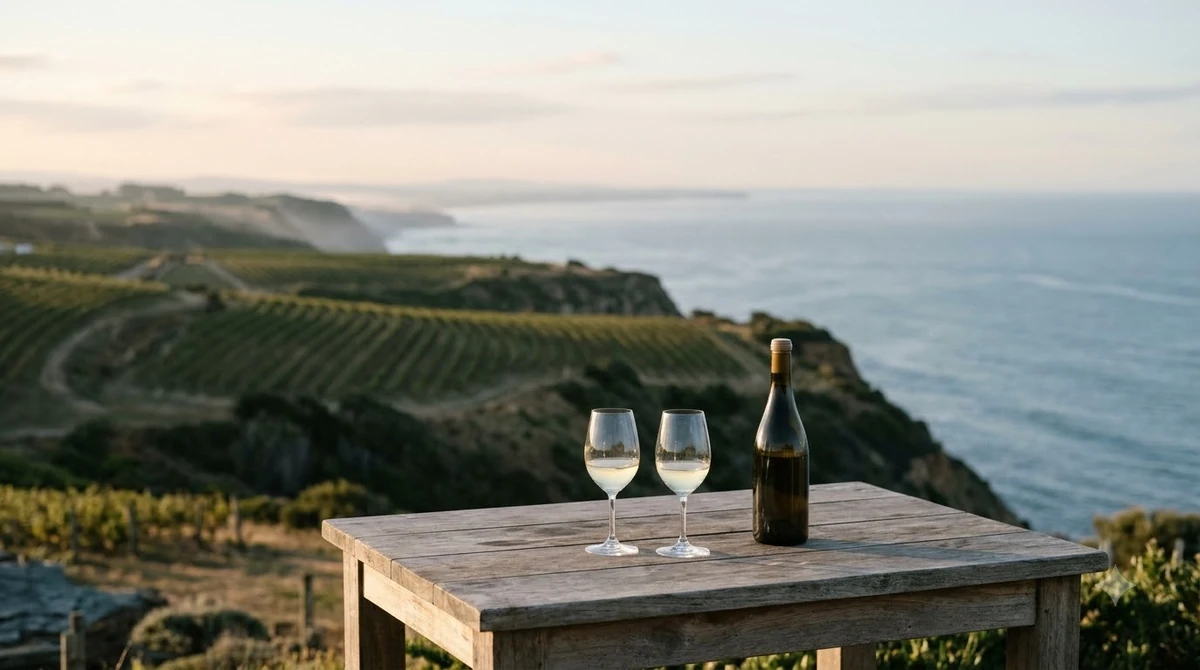
According to Wines of Elgin, the district’s principal sedimentary rock formations date from approximately 375 to 500 million years ago. The resulting soils are mineral-rich but relatively poor in nutrients. Lower natural fertility can help restrict excessive vegetative growth, allowing vineyard managers to concentrate on maintaining a suitable balance between foliage and fruit production.
Table Mountain Sandstone and Bokkeveld Shale do not create a single predictable flavor in the finished wine. Their influence is more complicated, involving drainage, water availability, root development, and the interaction between soil and climate. Vineyard aspect and elevation also influence ripening, so soil type should be understood as one component of a broader growing environment.
Well-draining soils are particularly important in a region that receives substantial winter rainfall. Good drainage helps prevent excessive water accumulation around vine roots, while differences in soil depth and structure influence how much moisture remains available during the growing season.
Shale-derived soils can have different physical properties from sandstone-derived soils. Variations in texture, depth, and water retention may influence vine vigor and the timing of grape development. As a result, producers pay attention to individual vineyard blocks instead of treating the entire estate as one homogeneous growing area.
Elgin’s elevation adds another layer of complexity. Vineyards at approximately 300 meters can experience different conditions from sites approaching 500 meters or higher. Even relatively small differences in altitude and slope orientation can influence sunlight exposure, airflow, and nighttime temperatures.
The surrounding Kogelberg Biosphere also contributes to the district’s environmental identity. This protected natural area belongs to the Cape Floral Kingdom, a region internationally recognized for its exceptional plant diversity. The relationship between vineyards and surrounding natural vegetation is an important part of Elgin’s agricultural landscape.
For consumers, these geological and geographical distinctions provide a useful reason to compare wines from different estates. Rather than assuming every bottle from Elgin will taste identical, look at the producer, grape variety, and vineyard origin. A Chardonnay from one site may emphasize citrus and freshness, while another may offer more texture and ripe stone-fruit characteristics.
The Main Grape Varieties Grown in Elgin Vineyards
Elgin is particularly associated with Sauvignon Blanc, Chardonnay, and Pinot Noir, although its vineyards support a broader range of white and red varieties. The cooler growing season gives these grapes opportunities to develop aromatic complexity while maintaining acidity.
According to Wines of Elgin, Sauvignon Blanc represents approximately 38% of the district’s reported plantings, Chardonnay accounts for 18%, Pinot Noir represents 17%, and Shiraz accounts for 7%. These proportions illustrate the importance of both aromatic white grapes and cool-climate red varieties.
| Grape variety | Share of reported plantings | Typical wine character |
|---|---|---|
| Sauvignon Blanc | 38% | Citrus, green fruit, herbs, crisp acidity |
| Chardonnay | 18% | Apple, citrus, stone fruit, balanced texture |
| Pinot Noir | 17% | Red cherry, raspberry, subtle spice, fine tannins |
| Shiraz | 7% | Dark berries, pepper, spice, structured fruit |
These figures describe the reported composition of plantings rather than the proportion of wine bottles sold or produced. The varieties also differ in how they respond to individual vineyard sites and winemaking decisions.
Sauvignon Blanc
Sauvignon Blanc is Elgin’s most widely planted variety in the regional figures. Its natural acidity makes it particularly suitable for the cool growing environment. Typical wines can display lime, grapefruit, green apple, passion fruit, and fresh herbal characteristics.
Some producers favor stainless-steel fermentation to preserve the grape’s aromatic freshness. Others use lees contact or alternative fermentation vessels to introduce additional texture. The resulting wines can range from sharply focused citrus-driven styles to more layered expressions with a fuller palate.
Chardonnay
Chardonnay is another important variety and one of the reasons Elgin is sometimes compared with Burgundy. The comparison relates mainly to its cool climate and the prominence of Chardonnay and Pinot Noir rather than an assumption that the wines taste identical.
Elgin Chardonnay can show lemon, apple, pear, and stone fruit, with acidity providing structure. Depending on the producer, oak fermentation, barrel maturation, and lees aging can contribute creamier textures, toasted notes, and additional complexity.
Pinot Noir
Pinot Noir is particularly well suited to Elgin’s slower ripening conditions. The variety has relatively delicate tannins and can express fresh cherry, raspberry, strawberry, and earthy characteristics when grown in a suitable cool environment.
Its relatively low-to-medium tannin level and natural acidity make it an adaptable food wine. Producers may use different proportions of whole clusters, fermentation vessels, and oak aging to create styles ranging from light and aromatic to more structured and savory.
Other Varieties
Elgin also grows Riesling, Viognier, Semillon, Chenin Blanc, Merlot, Cabernet Sauvignon, Cabernet Franc, Malbec, and Gamay Noir. These varieties demonstrate that the district is not limited to three headline grapes.
Riesling is particularly interesting because its natural acidity can support both dry and sweeter styles. Shiraz can produce peppery, dark-fruited wines with more structure than Pinot Noir. Merlot offers a softer tannin profile, while Cabernet Sauvignon generally produces more tannic wines that benefit from appropriate food pairings.
What Elgin Wines Taste Like and How to Choose a Style
Elgin wines generally emphasize freshness, balanced acidity, and defined fruit character. The best starting point for exploring the region is to compare its three leading varieties: Sauvignon Blanc, Chardonnay, and Pinot Noir.
For white wine drinkers, Sauvignon Blanc offers one of the clearest expressions of Elgin’s cool climate. Expect citrus, green apple, herbs, and occasionally tropical fruit, supported by lively acidity. The exact balance depends on ripeness at harvest and the winemaking approach.
Chardonnay provides a different experience. Some examples are relatively lean and citrus-focused, while others show greater body from barrel fermentation and lees aging. Oak influence can introduce vanilla, toasted bread, and spice, but it does not have to dominate the fruit. A balanced Elgin Chardonnay should retain enough freshness to keep its texture from feeling heavy.
Pinot Noir is a useful starting point for anyone interested in lighter-bodied red wine. It typically offers red berry aromas, moderate alcohol, and fine tannins. Some examples show earthy or forest-floor notes as well as fruit, particularly when the producer favors a more restrained winemaking style.
Shiraz provides an alternative for drinkers who prefer more pronounced structure. Elgin’s cooler conditions can support peppery spice, dark berry fruit, and a firmer acidity than might be expected from warmer South African Shiraz. Its tannins are generally more noticeable than those of Pinot Noir.
Vintage differences also matter. Weather conditions during flowering, fruit development, and harvest can influence grape quality and final wine character. Cooler or wetter growing seasons may produce different levels of ripeness from warmer, drier ones, so wines from the same estate should not be expected to taste exactly alike every year.
When comparing bottles, consider the following characteristics:
- For freshness: Choose Sauvignon Blanc or a leaner Chardonnay.
- For texture: Look for Chardonnay made with barrel fermentation or lees aging.
- For lighter reds: Choose Pinot Noir with fresh red fruit and moderate tannins.
- For spice: Try Shiraz, particularly if you enjoy peppery and savory flavors.
- For aromatic whites: Explore Riesling and compare dry examples with wines showing some residual sweetness.
Elgin is also worth exploring alongside other cool-climate wine destinations. For a broader comparison, Tasmania vineyards offer another example of how cool growing conditions can shape Chardonnay, Pinot Noir, and sparkling wine. The regional differences make this comparison especially useful for understanding how latitude, altitude, and maritime influences affect wine style.
Food Pairings and Serving Temperatures for Elgin Wines
Elgin wines are versatile at the table because their acidity and generally balanced structure complement a wide range of dishes. Sauvignon Blanc works particularly well with seafood and fresh vegetables, Chardonnay suits richer dishes, and Pinot Noir is a natural partner for poultry, mushrooms, and salmon.
Elgin Sauvignon Blanc is a strong choice for grilled prawns, oysters, white fish, goat cheese, and salads with citrus-based dressings. Its acidity helps refresh the palate between bites, while its herbal and citrus notes complement fresh ingredients. Avoid excessively sweet sauces, which can make a dry wine taste sharper and less balanced.
Chardonnay offers more flexibility depending on its style. A lean, stainless-steel example pairs well with grilled sea bass, roast chicken, and seafood pasta. A richer, oak-influenced bottle can work with creamy chicken dishes, roasted turkey, or mushroom risotto. The key is matching the wine’s weight with the richness of the food.
Pinot Noir works especially well with roast chicken, duck, pork tenderloin, mushroom dishes, and grilled salmon. Its relatively gentle tannins and higher acidity make it suitable for foods that would overwhelm a heavily structured red. Oily fish are generally better matched with low-tannin reds such as Pinot Noir than with tannic Cabernet Sauvignon.
Shiraz can accompany grilled lamb, beef, sausages, and dishes featuring roasted vegetables. Its spice and tannin structure are particularly useful with savory food. Salt and fat can soften the perception of tannin, making richer dishes more comfortable partners for structured red wines.
For serving, temperature is important because excessive warmth can make alcohol seem more prominent, while excessive chilling can suppress aromas and make tannins seem firmer.
- Sauvignon Blanc: Serve at approximately 45–50°F.
- Chardonnay: Serve at approximately 50–55°F for fuller-bodied examples.
- Pinot Noir: Serve at approximately 55–60°F.
- Shiraz: Serve at approximately 60–65°F for fuller-bodied examples.
Tip: Take a bottle of Elgin Chardonnay out of the refrigerator approximately 10–15 minutes before serving if it is very cold. For Pinot Noir, a brief period in the refrigerator can bring an overly warm bottle closer to its ideal serving temperature. Small adjustments can make the wine’s fruit, acidity, and texture easier to appreciate.
Glassware also makes a difference. A medium-sized white wine glass is suitable for Sauvignon Blanc, while Chardonnay benefits from a somewhat wider bowl that allows its aromas and texture to develop. Pinot Noir generally performs well in a larger bowl that gives its delicate aromas room to open.
For a dinner featuring several Elgin wines, start with Sauvignon Blanc, move to Chardonnay, and serve Pinot Noir before Shiraz. This sequence generally moves from lighter to fuller styles, allowing each wine to retain its individual character.
Elgin Wine Estates, Tastings, and Planning a Visit
Visiting Elgin offers an opportunity to explore the relationship between wine production and the valley’s agricultural landscape. The district has approximately 20 estates identified in its regional overview, and visitors can discover different vineyard environments, tasting experiences, and interpretations of cool-climate grapes.
One useful starting point is Paul Clüver Family Wines. Its history is closely connected with the development of modern viticulture in Elgin. The Clüver family began farming apples at De Rust in 1896, and Dr. Paul Clüver helped establish modern viticulture in the valley during the 1980s. The estate is particularly associated with Chardonnay and Pinot Noir.
Iona Wine Estate is another producer worth investigating. The regional terroir article identifies it as Elgin’s highest estate, with vineyards reaching approximately 420 meters above sea level. This elevation makes it an interesting example of how vineyard altitude can contribute to the district’s cool growing conditions.
Other producers associated with the district include Oak Valley, Kershaw Wines, Shannon Vineyards, Highlands Road Estate, and Elgin Vintners. Their presence reflects the range of producers working with the region’s climate and varied vineyard sites.
For a first visit, it is useful to plan around two or three estates rather than attempting to visit every available tasting room. This allows enough time to compare different wines, ask questions about vineyard locations, and understand each producer’s approach to Chardonnay, Sauvignon Blanc, and Pinot Noir.
A tasting is more informative when you compare similar grape varieties from different producers. For example, tasting two or three Chardonnays side by side can reveal differences in oak influence, acidity, body, and fruit ripeness. Comparing Pinot Noir from different vineyards can also highlight the effect of elevation and individual site conditions.
South African Tourism distinguishes between estates that welcome public tastings and those that require appointments. Paul Clüver, Almenkerk, Elgin Vintners, Highlands Road, Oak Valley, Ross Gower, and South Hill are among the estates identified as public tasting destinations. Iona and Shannon Vineyards are among the properties for which visitors should arrange appointments.
Before setting out, confirm tasting availability, opening times, reservation requirements, and any food service arrangements directly with each estate. Opening schedules and visitor facilities can vary, particularly during harvest periods and public holidays.
Elgin is also an attractive destination for travelers interested in the natural environment. Its connection with the Kogelberg Biosphere and the Cape Floral Kingdom adds another dimension to a wine-focused visit. Visitors interested in sustainability can ask producers about biodiversity protection, water management, and agricultural practices.
Those planning a longer international wine itinerary may also enjoy comparing Elgin with Uruguay vineyards, where maritime influences and distinctive grape varieties produce a different expression of South American wine. Another useful comparison is Chianti Classico vineyards, which demonstrate how a region’s geography and dominant grape variety can shape its identity.
The most rewarding way to explore Elgin is to approach each tasting as an opportunity to understand a particular vineyard and producer. The region’s relatively compact geography makes it possible to appreciate several interpretations of the same grape variety without traveling between widely separated wine districts.
Frequently Asked Questions
What does the name Elgin mean?
Elgin takes its name from the town and surrounding agricultural district in the Western Cape. The settlement developed as an important fruit-growing area, particularly for apples and pears, before becoming widely recognized for wine production. The name therefore refers to a geographical area with a much longer agricultural history than its modern wine industry.
Is Elgin an official South African wine appellation?
Elgin is officially recognized as a wine ward within South Africa’s geographical wine-origin system. The designation was established in 1990. The country’s Wine of Origin framework also uses broader geographical units, regions, and districts to identify where wine grapes originate.
What is the best-known white wine from Elgin?
Sauvignon Blanc and Chardonnay are two of Elgin’s most recognizable white wines. The region is also known for Riesling, which can be produced in dry or sweeter styles. The different varieties provide a useful introduction to the range of aromatic and structural characteristics found in the district.
Does Elgin produce sparkling wine?
Yes, sparkling wines are part of the broader range of wines associated with the Elgin district. Chardonnay and Pinot Noir are particularly relevant varieties for traditional-method sparkling production because they can retain acidity in cool growing conditions. Traditional-method sparkling wine undergoes its second fermentation in the bottle, producing its characteristic bubbles.
How far is Elgin from Stellenbosch?
Elgin and Stellenbosch are separate wine districts in South Africa’s Western Cape. Their distance depends on the exact starting and ending points and the route taken through the mountain passes. Travelers planning to visit both should allow additional time for winding regional roads and individual estate visits rather than treating them as neighboring tasting rooms.
Elgin vineyards demonstrate how elevation, mountain geography, ancient soils, and cooling maritime influences can create a distinctive South African wine identity. Chardonnay, Sauvignon Blanc, and Pinot Noir provide an excellent introduction, while varieties such as Riesling and Shiraz reveal further possibilities. Whether exploring bottles at home or visiting the valley’s estates, Elgin is a rewarding region for anyone interested in fresh, balanced, and expressive cool-climate wines.
More in Wine Regions
 Willcox Wine Trail: Discover Arizona’s High-Elevation Wine CountryUpdated Nov 20, 2026
 Yakima Valley Wine Region: Find the Best Styles to TryUpdated Nov 20, 2026
 Vosne Romanee Wine Tasting: Identify Aromas and Choose Better PairingsUpdated Nov 20, 2026
 Yakima Valley Wine Festival: Find the Best Seasonal Wine EventsUpdated Nov 20, 2026
 Wales Vineyards: Discover Cool-Climate Wines and Where to VisitUpdated Nov 20, 2026
 Yountville Wine Festival: Discover Napa Wines and Local FoodUpdated Nov 20, 2026