

We may earn a commission when you buy through links on this page, at no extra cost to you. Learn more.
The Houdini wine chiller is a practical insulated stainless-steel bottle holder designed to help keep previously chilled wine cool during serving. Its double-wall construction, compact 7.5-inch height, and dishwasher-safe design make it a convenient option for everyday dining and entertaining. It is best viewed as a temperature-maintaining accessory rather than a replacement for a refrigerator or an active wine-cooling appliance.
A bottle of wine can warm surprisingly quickly after it leaves the refrigerator, particularly during a long dinner or an outdoor gathering. A traditional ice bucket works, but it takes up space, requires ice, and can leave water on the table. The Houdini Double Wall Wine Chiller offers a simpler alternative: an insulated stainless-steel container that holds a bottle upright while helping preserve its existing chill.
There are several Houdini products described as wine chillers, including an insulated bottle holder, an aerator-and-chiller insert, and a chilling pourer stick. This review focuses primarily on the double-wall stainless-steel bottle holder because it is the tabletop product most directly suited to keeping a bottle cool while serving. The distinctions matter when comparing features, cleaning requirements, and everyday convenience.
Specs and Key Features
The Houdini Double Wall Wine Chiller combines a brushed stainless-steel exterior with an insulated interior. Its relatively compact dimensions make it suitable for a dining table, kitchen counter, or home bar without requiring the space of a traditional ice bucket.
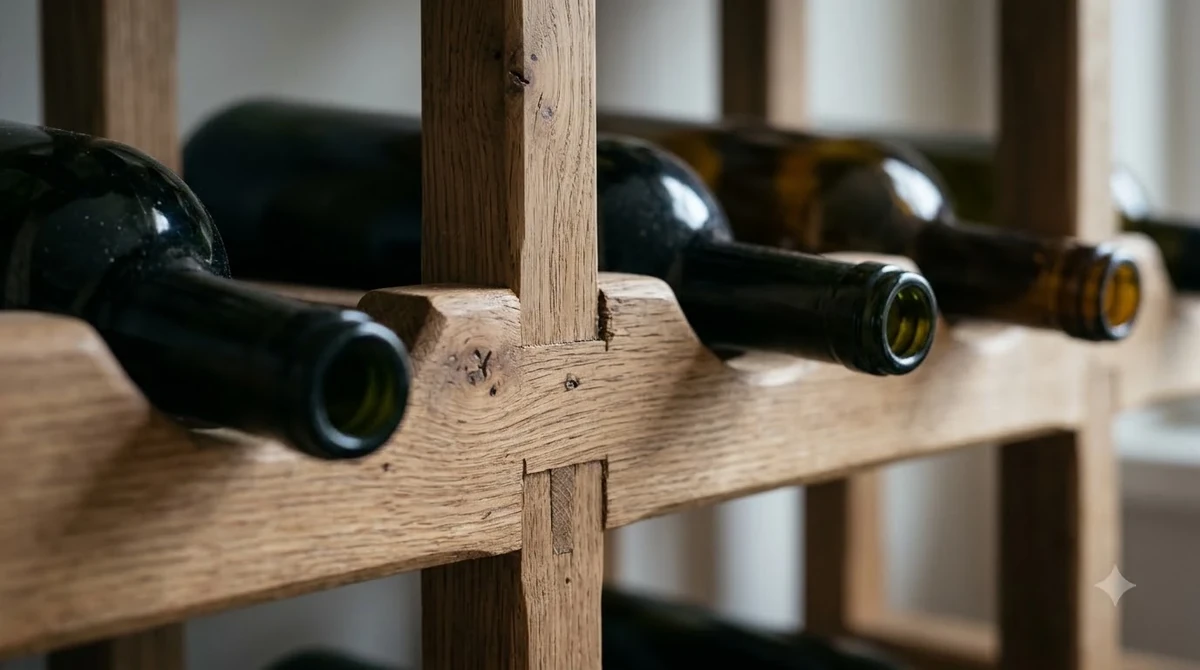
The available product listing identifies the chiller as an indoor and outdoor accessory designed for most standard wine bottles. Its construction emphasizes insulation and straightforward maintenance rather than electronic cooling, complicated controls, or additional serving mechanisms.
| Specification | Houdini Double Wall Wine Chiller |
|---|---|
| Product type | Insulated tabletop wine chiller |
| Material | Brushed stainless steel |
| Construction | Double-wall insulated |
| Height | 7.5 inches |
| Width | 4.75 inches |
| Depth | 4.75 inches |
| Weight | 1.1 pounds |
| Intended capacity | One standard wine bottle |
| Compatibility | Most standard wine bottles |
| Insulation | Yes |
| Indoor/outdoor use | Both |
| Cleaning | Dishwasher-safe |
Double-wall stainless-steel construction
The main feature is the double-wall construction. Instead of relying on a thin, single layer of metal, the design incorporates an insulating space between its walls. This helps reduce the influence of warmer surrounding air on the bottle inside.
That distinction is useful during dinner. A bottle of Sauvignon Blanc, Pinot Grigio, or sparkling wine can spend considerable time on the table while guests pour individual glasses. Insulation helps slow the temperature increase, allowing the wine to remain closer to its initial serving temperature for longer.
The stainless-steel exterior also gives the accessory a neutral appearance that works with different table settings. It is less decorative than some stone or marble alternatives, but its simple finish suits both casual meals and more formal entertaining.
Compact tabletop dimensions
At 7.5 inches tall and 4.75 inches wide, the Houdini is designed to hold a bottle without dominating the available table space. Its 1.1-pound listed weight also makes it manageable to move between a kitchen, dining room, and outdoor serving area.
The dimensions are especially relevant for people who prefer to keep their wine bottle close to the glasses rather than placing a large bucket on the floor or a separate serving table. However, the relatively narrow interior means unusually wide bottles deserve extra consideration before purchase.
For the complete product specifications, see the Houdini Double Wall Wine Chiller product listing.
What Owners and Product Features Suggest
The strongest selling points of the Houdini wine chiller are its simple construction, table-friendly footprint, and low-maintenance design. Its usefulness comes from making bottle service more convenient rather than introducing complicated cooling technology.
Although detailed long-term owner feedback is limited in the product information reviewed, the listed construction and dimensions provide a reasonable basis for assessing its practical strengths. The following advantages are supported by its documented features rather than claims of personal testing.
Convenient temperature maintenance
The insulated design addresses a common serving problem: wine that starts at the correct temperature but gradually warms after being placed on the table. A bottle taken from a refrigerator at approximately 45 degrees F will not remain at that temperature indefinitely in a warm room.
For white wines, that difference can affect how refreshing the wine feels and how clearly its acidity comes through. Sauvignon Blanc, Riesling, and Pinot Grigio generally benefit from being served around 45 to 50 degrees F. A cooler helps slow warming while the bottle is being shared.
The Houdini is particularly useful when a meal lasts longer than expected. Instead of repeatedly returning the bottle to the refrigerator, the host can leave it in the insulated holder between pours.
No complicated setup
Unlike an electric wine chiller, the double-wall Houdini does not require a power outlet, electrical controls, or a charging routine. It is a straightforward tabletop container. That makes it easy to incorporate into an existing bar setup without reorganizing the surrounding space.
It also avoids the water management associated with an ice-filled bucket. There is no requirement to fill a large container with ice and water before guests arrive, and there is less potential for condensation or spilled bucket water to collect around serving dishes.
Simple maintenance
Dishwasher-safe construction is another practical advantage. Stainless steel is generally easier to maintain than accessories with complicated electronic components or multiple delicate mechanisms.
The ability to clean the holder after serving also makes it suitable for regular household use. Wine spills, bottle residue, and fingerprints are normal parts of entertaining, so straightforward cleaning is a meaningful feature rather than an insignificant specification.
Flexible placement
The product is listed for indoor and outdoor use, giving it flexibility beyond the dining room. It can sit on a kitchen island during meal preparation, on a dining table during dinner, or on a patio serving surface during a gathering.
That versatility is useful for hosts who do not want separate wine-serving equipment for different rooms. Its compact shape also makes storage easier than with a large traditional ice bucket.
Common Complaints and Limitations
The Houdini Double Wall Wine Chiller is a passive insulated holder, so its performance depends heavily on the temperature of the bottle when it goes inside. Its construction helps preserve existing coldness, but it should not be mistaken for a device that rapidly cools warm wine.

There are also practical limitations involving bottle dimensions, cooling duration, and the distinction between insulation and active refrigeration. Understanding these points helps prevent disappointment after purchase.
It does not actively refrigerate wine
The most important limitation is the absence of an active cooling system. The double-wall design helps slow heat transfer, but it does not provide the same cooling action as a refrigerator, freezer-cooled insert, or electric cooling appliance.
If a bottle of Chardonnay has been sitting in a warm kitchen, putting it inside the Houdini will not immediately bring it down to the ideal serving temperature. The same applies to sparkling wine that has been stored at room temperature.
For better results, chill the bottle beforehand. The Houdini is intended to help maintain that temperature during serving, not replace the initial chilling process.
Not every bottle shape will fit equally well
The listed 4.75-inch width is a useful reference, but not all wine bottles have identical dimensions. Standard Bordeaux-style bottles are relatively narrow, while some Burgundy bottles, Champagne bottles, and specialty packaging can have wider bodies.
A particularly wide bottle may fit tightly or fail to slide comfortably into the holder. This matters most for sparkling wine, which frequently uses thicker glass and a broader bottle profile.
People who regularly serve Champagne, large-format bottles, or unusually shaped wine packaging should pay attention to the internal clearance rather than relying exclusively on the description that the product fits most standard bottles.
Limited capacity
The Houdini holds one bottle rather than several. That is appropriate for a couple sharing dinner or a small gathering, but it is less convenient for a party with several different wines being served simultaneously.
A host serving Chardonnay, rosé, and sparkling wine at the same time may need multiple holders or a larger ice bucket. The compact design is therefore an advantage for ordinary dining but a limitation for larger events.
Insulation has practical limits
Double-wall construction can slow warming, but the product information does not establish a guaranteed holding time or a specific temperature reduction. It would be misleading to promise that a bottle stays at refrigerator temperature throughout an entire afternoon.
Ambient temperature, direct sunlight, how often the bottle is removed, and its starting temperature all affect the result. An outdoor gathering on a hot afternoon will place greater demands on the chiller than a short indoor dinner in an air-conditioned room.
Limited technical information
The available specifications describe the material, dimensions, weight, and dishwasher-safe construction. They do not provide a quantified insulation-performance rating, an independently measured cooling duration, or a detailed temperature-retention chart.
Buyers who want measurable cooling performance may prefer a product with a documented chilling time or a dedicated refrigeration system. The Houdini is more appropriate for people who value simple bottle presentation and temperature maintenance.
Who Should Buy and Who Should Skip
The Houdini wine chiller makes the most sense for someone who regularly serves already-chilled wine at the table. It is a particularly practical accessory for smaller households, casual dinner parties, and people who prefer a clean stainless-steel appearance.
Its usefulness is less obvious for people who want to chill bottles quickly, serve multiple bottles simultaneously, or maintain wine temperature for extended outdoor events. The distinction between those needs is more important than the accessory’s appearance.
Who should consider buying it
- White-wine drinkers: People who regularly serve Sauvignon Blanc, Pinot Grigio, Riesling, and Chardonnay can benefit from slower warming between pours.
- Rosé drinkers: The insulated holder is useful for keeping previously chilled rosé closer to its preferred serving temperature during dinner.
- Small households: A one-bottle capacity is convenient for couples and smaller gatherings where a large ice bucket would be unnecessary.
- Minimalist hosts: The brushed stainless-steel appearance suits straightforward table settings and contemporary home bars.
- Outdoor entertainers: Its indoor/outdoor designation makes it a practical option for patios and covered entertaining areas.
- Low-maintenance buyers: Dishwasher-safe construction is appealing to people who prefer accessories without complicated cleaning procedures.
Who should skip it
- People who need rapid cooling: A passive insulated holder cannot replace a refrigerator or a properly prepared cooling insert.
- Frequent Champagne hosts: Wider sparkling-wine bottles may require more clearance than the compact dimensions provide.
- Large-party hosts: A one-bottle holder may be inconvenient when several wines need to remain cold simultaneously.
- Buyers seeking temperature controls: The Houdini does not provide electronic temperature settings or active refrigeration.
- People expecting guaranteed long-duration cooling: The available specifications do not establish a fixed number of hours at a particular temperature.
For someone who mainly serves one bottle of chilled white wine with dinner, the Houdini offers a sensible balance between convenience and simplicity. For someone who regularly entertains larger groups or needs to cool bottles from room temperature, a different category of wine accessory will be more suitable.
How It Compares to Alternatives
The Houdini competes with several types of wine-serving accessories, including marble bottle holders, electric cooling devices, and freezer-ready sleeves. These alternatives address similar serving problems, but they use different approaches to temperature maintenance.
The best choice depends on whether the priority is appearance, portability, cooling speed, or convenience. Comparing the underlying designs is more useful than assuming every product described as a wine chiller performs the same job.
Houdini vs. marble wine chiller
A marble wine chiller emphasizes natural stone construction and visual presentation. Marble has substantial thermal mass, which allows a pre-cooled holder to absorb heat gradually while the bottle sits inside.
The Houdini takes a different approach with double-wall stainless steel. Its compact dimensions and 1.1-pound listed weight make it a practical option for people who want an insulated metal holder rather than a decorative stone accessory.
Marble can be attractive in a formal dining setting, but stone holders can be heavy and require attention to their surface and cleaning instructions. Stainless steel is generally a more straightforward material for routine handling.
Neither design should be treated as an active refrigerator. Both are most useful when the bottle has already been chilled appropriately.
Houdini vs. electric wine chiller
An electric wine chiller is a better category to consider when powered temperature maintenance or active cooling is important. Depending on the design, an electric unit may offer temperature settings, powered cooling, or a dedicated bottle compartment.
The Houdini has a simpler operating concept. There is no power cable, electronic interface, or installation requirement, which makes it easier to move between serving locations.
The trade-off is capability. Someone who wants to cool wine from a warmer starting temperature or maintain a particular temperature for a longer period may prefer an electric appliance. Someone who simply wants to keep a refrigerated bottle cool during a meal may not need that additional equipment.
Houdini vs. instant wine chiller
An instant wine chiller generally focuses on bringing wine closer to serving temperature quickly. Depending on the design, it may use a pre-frozen insert, a chilling rod, or another cooling component.
The Houdini double-wall holder is designed around the bottle itself. It is intended to reduce warming during service rather than provide a rapid temperature adjustment.
For someone who frequently forgets to refrigerate wine in advance, an active or pre-frozen cooling accessory may be more useful. For someone who consistently chills bottles before dinner, the Houdini provides a simpler tabletop solution.
Houdini vs. other Houdini chilling accessories
It is also important to distinguish the double-wall bottle holder from the other products sold under the Houdini name.
The Houdini Wine Aerator & Chiller is a separate insert-style accessory. MorningSave describes a stainless-steel chilling component that is frozen before use and inserted into the bottle. Its purpose combines chilling with aeration as wine is poured.
Another product, the Houdini Wine Chiller & Pourer Stick, combines pouring, aeration, and chilling functions. Walmart describes it as a manual stainless-steel accessory and lists a claimed cold-retention period of up to 24 hours. That claim belongs to the pourer-stick product, not the double-wall tabletop holder.
These products solve different serving problems. The tabletop holder keeps the bottle in an insulated container, while the insert-style accessories interact directly with the wine during pouring.
Tip: If the main goal is keeping a bottle of white wine cold during dinner, chill it in the refrigerator first, then transfer it to the Houdini. For faster cooling of a warm bottle, choose a dedicated chilling method instead of relying on an insulated holder.
For a broader look at wine-serving equipment and different accessory categories, visit the wine accessory collection. Choosing the right design for the way wine is served usually matters more than choosing the most complicated accessory.
How to Get the Best Performance
Good results with the Houdini start before the bottle reaches the table. Because the product is insulated rather than powered, preparation and serving conditions determine how effectively it helps maintain the wine’s temperature.
A few simple habits can make a noticeable difference, particularly when serving white wine, rosé, and sparkling wine over a longer meal.
1. Chill the bottle first
Place the wine in a refrigerator before serving. Light whites and rosé generally benefit from serving temperatures around 45 to 50 degrees F, while fuller-bodied whites such as oaked Chardonnay are generally better around 50 to 55 degrees F.
Sparkling wine is usually served colder, around 40 to 50 degrees F. Starting with a properly chilled bottle gives the Houdini a better opportunity to maintain the desired temperature.
2. Keep the holder away from direct sunlight
Although the product is listed for indoor and outdoor use, outdoor placement still matters. A shaded patio table is preferable to a surface receiving direct afternoon sunlight.
Warm air and solar exposure can accelerate the warming of a bottle even when it is surrounded by an insulated holder. An air-conditioned dining room or shaded serving area generally presents less thermal stress.
3. Return the bottle between pours
Leaving a bottle outside the holder while guests finish their glasses defeats much of the convenience of an insulated container. Return it to the holder after pouring and keep the bottle upright during service.
This is particularly useful for small groups where one bottle may be shared over an hour or more. Keeping the bottle in the same insulated environment helps reduce unnecessary exposure to warmer surroundings.
4. Avoid expecting one holder to manage every bottle
If serving several wines at once, plan the cooling arrangements before guests arrive. A single Houdini holder is intended for one standard bottle, so a separate solution may be needed for Champagne, a second white wine, or a bottle of rosé.
For a dinner involving three different wines, a combination of refrigerated storage and appropriate serving accessories is more practical than expecting one holder to handle the entire selection.
5. Clean the holder after use
The product listing identifies the double-wall stainless-steel model as dishwasher-safe. Cleaning after serving helps remove fingerprints, accidental splashes, and residue from bottle contact.
For regular household use, follow the product’s cleaning guidance and allow the holder to dry before putting it away. Avoid confusing this model with the Houdini aerator-and-chiller insert, which has different cleaning instructions and is listed as hand-wash-only.
Frequently Asked Questions
Does the Houdini wine chiller require ice or water?
The double-wall stainless-steel bottle holder is designed as an insulated container rather than a traditional ice bucket. Its listed specifications do not require an ice-and-water filling process. This makes it convenient for serving without preparing a separate bucket, although pre-chilling the bottle remains important.
Can the Houdini wine chiller hold a magnum bottle?
The available product specifications describe compatibility with most standard wine bottles, not magnum bottles. A standard magnum contains 1.5 liters, twice the volume of a conventional 750 ml bottle, and its dimensions may exceed the holder’s clearance. A larger dedicated bottle cooler is a safer choice for oversized formats.
Can the Houdini wine chiller hold a bottle of sparkling wine?
Some sparkling-wine bottles may fit, but their thicker glass and wider bodies can make compatibility less predictable. The listed exterior width is 4.75 inches, and the available specifications do not provide a maximum internal bottle diameter. Measure the bottle before purchasing if Champagne or other broad sparkling-wine formats are your main use.
Does stainless steel affect the flavor of wine?
The Houdini is an external bottle holder, so the wine does not come into direct contact with its stainless-steel walls. It therefore does not function like a stainless-steel fermentation or storage vessel. Its role is to support bottle temperature during serving, not to alter the wine’s composition.
Can the Houdini wine chiller be used for beverages other than wine?
The product is designed around standard wine bottles, and its 7.5-inch height and 4.75-inch width determine what containers it can accommodate. A similarly sized beverage bottle may fit, but the available product specifications do not establish universal compatibility with other drink containers. Check the dimensions of the intended bottle before using it for another beverage.
The Houdini Double Wall Wine Chiller is a straightforward choice for keeping a previously chilled bottle closer to its serving temperature during everyday meals and smaller gatherings. Its stainless-steel construction, insulated walls, compact dimensions, and dishwasher-safe design make it a practical alternative to a traditional ice bucket for people who value convenience.
Its limitations are equally important: it does not actively cool wine, accommodate every bottle shape, or provide a documented cooling duration. For buyers who understand those distinctions, the Houdini is a useful tabletop wine accessory rather than an all-purpose refrigeration solution.
More in Wine Accessories
 Vinglace Wine Tumbler Review: A Glass-Lined Choice for Better SippingUpdated Nov 20, 2026
 ZWILLING Electric Wine Opener Review: Features and DrawbacksUpdated Nov 20, 2026
 Vinturi Electric Wine Opener Review for Easy UncorkingUpdated Nov 20, 2026
 Vinabon Wine Aerator Review for Easier, Cleaner Wine ServingUpdated Nov 20, 2026
 Vacu Vin Electric Wine Opener Review: Easy Cork Removal for Home Wine LoversUpdated Nov 20, 2026
 Rabbit Wine Accessories for Easier Home Wine ServiceUpdated Nov 20, 2026