

We may earn a commission when you buy through links on this page, at no extra cost to you. Learn more.
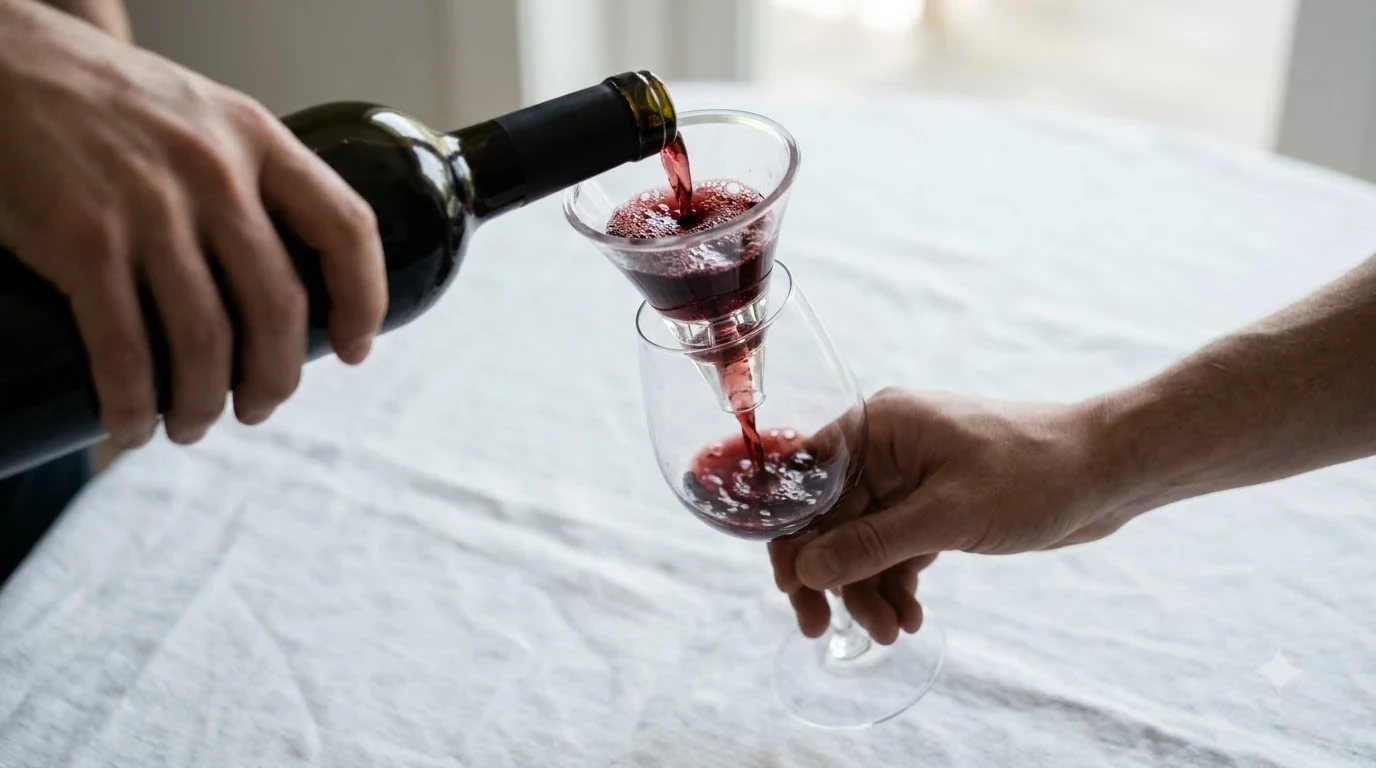
The houdini wine aerator is a convenient wine-pouring accessory that introduces air as wine flows from the bottle into the glass, helping develop aroma and soften the initial impression of some young red wines. The manual Houdini Aerator Pourer, model W9112, combines aeration with a drip-free pouring design without requiring batteries or a separate decanter. Its straightforward operation and easy-cleaning construction make it appealing for everyday serving, although buyers should consider its fit, cleaning requirements, and limited ability to provide the extended aeration of a traditional decanter.
A wine aerator can make serving a bottle easier, particularly when opening a young Cabernet Sauvignon, Merlot, or Syrah that benefits from additional contact with oxygen. Rather than transferring wine into another vessel and waiting, an aerating pourer works during the normal act of pouring. Houdini offers this approach through its manual chrome aerating pourer, alongside other wine accessories and a separate electric aerator. Understanding which product is being considered matters because these designs have different operating methods, maintenance requirements, and practical advantages.
Specs and Key Features
The Houdini Aerator Pourer is designed to combine two everyday tasks: pouring wine and introducing air during the pour. Its main appeal is simplicity, with a bottle-mounted design that does not require a powered motor, charging cable, or separate serving vessel.
The W9112 model is sold under the Houdini by Rabbit name. Fante’s Kitchen Shop describes its operation as similar to inserting a conventional wine pourer, with aeration taking place while wine flows toward the glass. The same retailer identifies a separable construction, hand-washing instructions, and a 10-year warranty. These details make the manual model a practical choice for someone who wants an accessory that can stay with the rest of their wine-opening equipment.
The chrome aerating pourer is also described by Lowe’s as allowing the user to see and hear aeration during pouring. Lowe’s lists hardened-metal gear teeth tested for 20,000 pulls, a durability detail associated with its Deluxe Chrome Aerator listing. Buyers should distinguish this listing from other Houdini aerator variations rather than assume every product sold under the brand has identical construction.
| Specification | Houdini manual aerator | What it means |
|---|---|---|
| Product identity | W9112 | Identifies the manual aerating pourer listed by Fante’s |
| Brand presentation | Houdini by Rabbit | Useful when checking product listings |
| Operating method | Manual, bottle-mounted | No electrical power needed |
| Aeration method | During pouring | Air is introduced as wine passes through the accessory |
| Pouring function | Drip-free pour design | Combines aeration with serving |
| Cleaning | Separates for cleaning | Components can be taken apart |
| Cleaning method | Hand wash | Requires manual cleaning |
| Listed warranty | 10 years | Warranty information reported by Fante’s |
| Gear durability detail | 20,000 pulls | Lowe’s specification for its Deluxe Chrome listing |
There is one important distinction between the available specifications. At Home lists a Houdini Aerating Chrome Wine Pourer with plastic construction, a black color designation, and compact product dimensions, while Lowe’s describes its Deluxe model as chrome. Product names and listings can cover different variations, so the finish and construction should be confirmed against the particular item being purchased. The W9112 identification is especially useful when comparing the manual model.
For more information about how this particular design is described by its retailer, see the Houdini Aerator Pourer product description at Fante’s Kitchen Shop.
What Owners Like
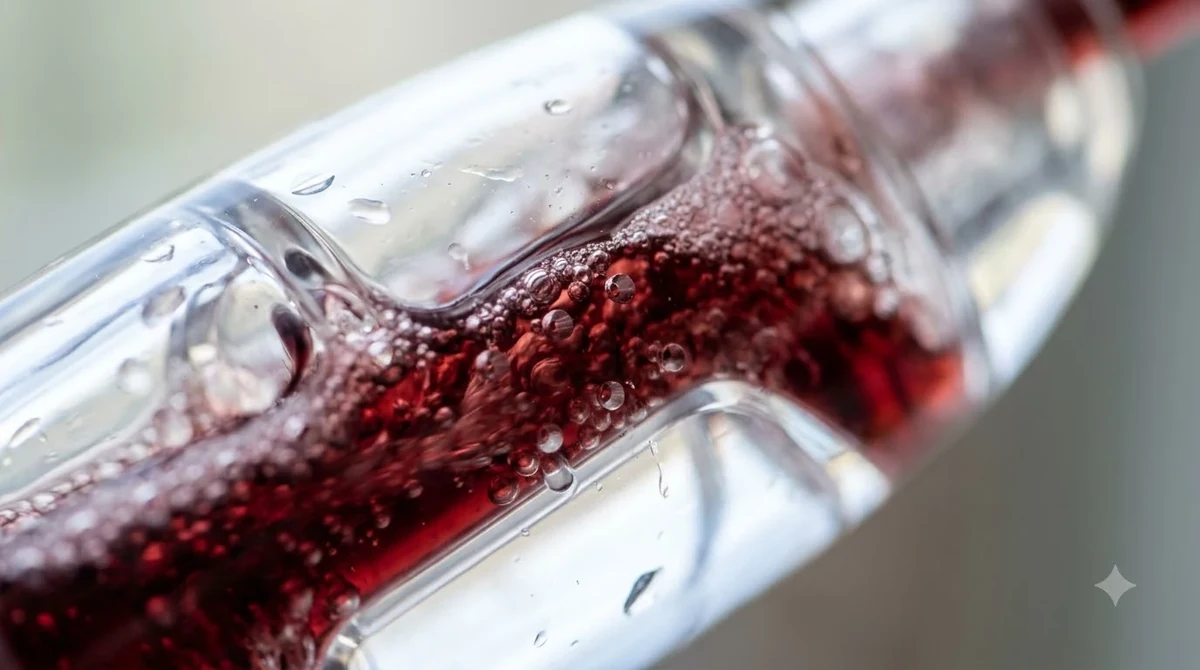
The main advantage of the Houdini wine aerator is that it simplifies serving. Instead of pouring wine into a decanter, waiting for it to develop, and then serving it, the user can insert the accessory into the bottle and pour directly into a glass.
This design is especially useful for ordinary weeknight dinners, informal gatherings, and situations where only one or two glasses are being poured at a time. A young Merlot served alongside roasted chicken, for example, can be poured through the aerator without preparing a separate vessel. A Cabernet Sauvignon served with grilled steak is another suitable occasion, particularly if the wine seems closed or restrained immediately after opening.
Owners may also appreciate the lack of batteries in the manual W9112. There is no battery compartment to maintain, no motor to operate, and no charging routine to remember. That simplicity makes the accessory easy to keep in a kitchen drawer, wine cabinet, or serving area.
Convenient serving without a separate vessel
Traditional decanting involves transferring wine into a larger vessel, which increases the wine’s exposure to oxygen. A bottle-mounted aerator takes a different approach. It introduces air during the relatively short period in which wine passes through the pourer.
That distinction is important because the Houdini is not intended to reproduce every benefit of decanting. It is better understood as a serving accessory that provides aeration while reducing the number of steps involved in pouring.
Useful for casual entertaining
A manual aerator can also be convenient when several guests are sharing a bottle. The person serving does not need to handle a separate funnel or repeatedly transfer wine between containers. This is helpful when setting up a small wine station or organizing drinks on a bar cart.
Fante’s product description specifically identifies the drip-free pouring function, and At Home’s customer feedback includes a verified review describing the aerating pourer as effective. The available owner feedback is limited, however, so it should be treated as an indication of individual experience rather than proof of consistent performance across every bottle and wine style.
Easy-cleaning construction
The W9112’s separable construction is another practical advantage. Fante’s describes the product as coming apart for cleaning, which makes it easier to address wine residue than a permanently assembled accessory with inaccessible internal passages.
For people who regularly alternate between different bottles, this is particularly relevant. A pourer used for a fruit-forward Pinot Noir should not carry lingering residue into the next bottle of Sauvignon Blanc. Proper cleaning helps keep the aromas of different wines distinct.
Common Complaints and Limitations
The Houdini aerator has a relatively simple purpose, but its compact design introduces a few limitations. Bottle fit, removal, cleaning, and the amount of aeration available are all worth considering before choosing this type of accessory.
One verified At Home customer specifically mentioned that removing the pourer from a bottle felt stiff and raised concerns about possible breakage. This is useful feedback because the accessory must create a sufficiently secure fit to pour properly, but it should not require excessive force during removal.
That observation does not establish that the product commonly breaks. The available written owner feedback is too limited to establish a failure rate. Nevertheless, it highlights a sensible buying consideration: an accessory that is difficult to remove may be less convenient for someone who frequently switches between bottles.
Removal and bottle compatibility
Wine bottles are not always identical around the neck and opening. Differences in dimensions and the condition of a bottle’s rim can affect how securely a pourer fits. A tight fit can help prevent unwanted movement during serving, but a connection that feels excessively resistant can make removal uncomfortable.
Insert the Houdini carefully and avoid forcing it into a bottle. When removing it, hold the bottle securely and work the accessory out gently. Twisting or pulling aggressively is not a good way to compensate for an incompatible fit.
Hand washing takes extra effort
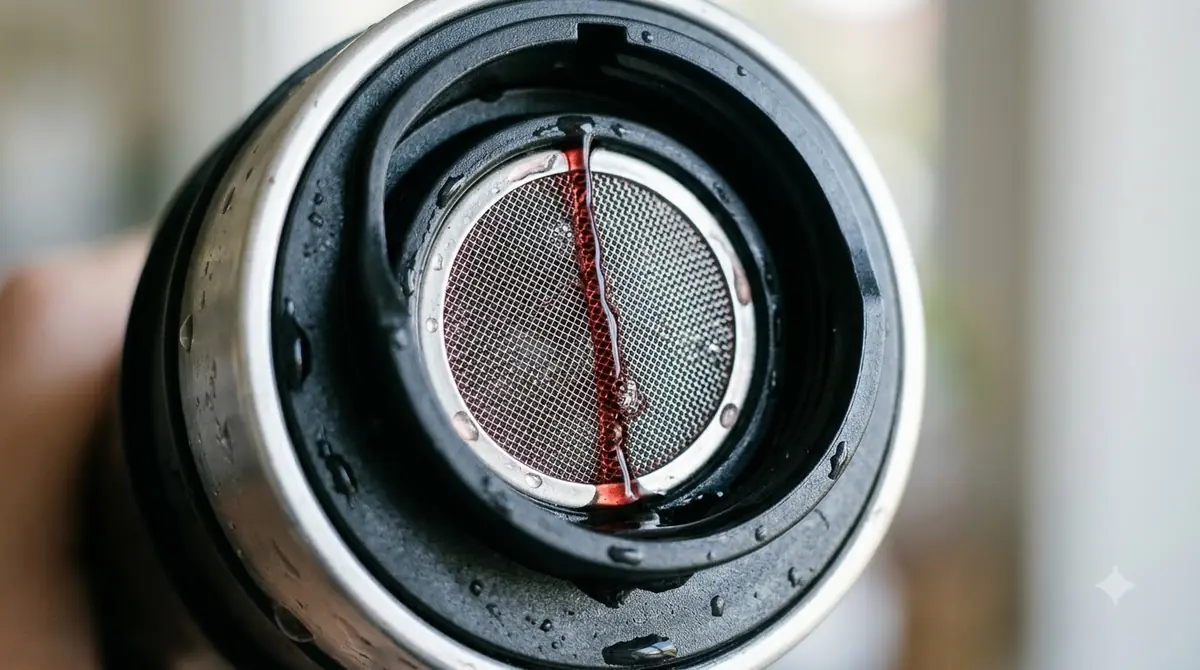
The manual W9112 is not a maintenance-free accessory. Fante’s specifically recommends hand washing, even though the product separates for cleaning. That means buyers who prefer putting all their kitchen accessories into a dishwasher may find the routine less convenient.
Wine can leave residue in narrow passages, especially after a full-bodied red with noticeable color and extract. Rinsing the accessory promptly after use is a sensible habit. Letting residue dry inside small channels can make later cleaning more difficult.
Aeration is not the same as extended decanting
The most important limitation concerns the aeration process itself. Wine passes through a compact accessory over a short period. That is different from allowing an entire bottle of wine to sit in a broad-bottomed decanter for 30 to 60 minutes.
A young, tannic Cabernet Sauvignon may still benefit from additional time in a decanter after passing through the Houdini. A softer Merlot might be ready to enjoy sooner, depending on its age, structure, and serving conditions. The aerator should therefore be viewed as one useful serving tool rather than a guaranteed substitute for every wine preparation method.
Tip: If a young red still tastes tight after passing through the Houdini aerator, pour it into a glass and give it another 10 to 15 minutes before deciding whether it needs more air. For a particularly concentrated Cabernet Sauvignon, consider a separate 30- to 60-minute decanting period.
Who Should Buy and Who Should Skip
The Houdini wine aerator is most appropriate for people who value convenience and regularly pour wine directly from the bottle. It is less suitable for someone who wants precise control over aeration time or frequently prepares older bottles that require careful sediment management.
Its manual operation makes it particularly appealing for occasional wine drinkers and hosts who want a small accessory without additional electronics. It also makes sense for someone who already owns a corkscrew and basic wine glasses but wants to add a simple serving tool.
Good reasons to buy
- You regularly drink young red wine. Cabernet Sauvignon, Syrah, and some structured Merlot wines can benefit from additional oxygen exposure.
- You prefer direct bottle-to-glass serving. The Houdini combines the aerating and pouring steps.
- You do not want batteries. The manual W9112 operates without an electrical power source.
- You entertain casually. It provides a straightforward way to serve wine without preparing a separate decanter.
- You have limited storage space. A compact pourer requires less cabinet room than a large glass decanter.
- You value separable construction. The components can be separated for cleaning.
Reasons to skip it
- You frequently decant older red wines. A traditional decanter provides more room to separate sediment from the wine.
- You want controlled aeration time. A bottle-mounted pourer does not offer the same time-based preparation as decanting.
- You dislike hand washing. The W9112’s listed care instructions specify hand washing.
- You prefer an electric dispenser. The manual model does not offer push-button dispensing.
- You want one accessory for several specialized jobs. The Houdini is primarily a pouring and aeration tool, not a wine preservation system or temperature-control device.
There is also a question of how frequently the accessory will be used. Someone opening a bottle once every few weeks may get more practical value from a good corkscrew and a basic decanter. Someone who pours several glasses throughout the week may appreciate the convenience of having an aerator permanently available in the wine-accessory drawer.
How It Compares to Alternatives
The Houdini Aerator Pourer occupies a useful middle ground between an ordinary bottle pourer and a full-size decanter. Its closest alternatives include other bottle-mounted aerators, aerator-and-stand combinations, traditional decanters, and electric wine dispensers.
These alternatives solve related problems, but they are not interchangeable. The best choice depends on whether the priority is quick serving, longer aeration, sediment separation, or powered dispensing.
Houdini manual pourer vs. traditional decanter
A decanter provides a broad surface area that exposes wine to air after it has been transferred from the bottle. This gives the wine more time to develop and allows the user to observe its aromas and structure as it opens.
The Houdini takes less preparation. It works during pouring and is convenient for a single glass. A decanter is more appropriate for a full bottle of young Cabernet Sauvignon that benefits from 30 to 60 minutes of air exposure.
Decanting also provides a practical advantage when handling older wine with sediment. The wine can be poured slowly into the vessel while leaving the sediment behind. A small bottle-mounted aerator is not designed to perform that same task.
Houdini manual pourer vs. aerator with a stand
Fante’s lists a separate Houdini Aerator Pourer With Base, making it important not to confuse the standalone W9112 with every accessory in the range. A stand can provide a designated place to store an aerator between uses and may be useful when setting up a serving area.
The basic manual pourer is more direct if the objective is simply to keep an aerator attached to the bottle while pouring. A stand-based arrangement may be preferable for someone who wants the accessory displayed or stored upright between bottles.
Houdini manual pourer vs. electric Houdini aerator
The electric Houdini wine aerator is a separate product with a different purpose and operating method. Target describes it as a combined aerator and dispenser that releases wine with the touch of a button. Its listed features include an adjustable aeration switch and a precision spout designed for steady pouring.
The electric version requires four AAA batteries, which are not included. Its construction also includes steel, silicone, and plastic, according to Target’s product specifications.
The manual W9112 is the simpler choice for someone who does not need powered dispensing. The electric model makes more sense for a user who values push-button serving and wants an adjustable aeration setting. These are different products, not simply two finishes of the same accessory.
For a broader look at serving equipment, a decanter with aerator combines the idea of aeration with a separate serving vessel. That approach may be preferable when preparing a whole bottle rather than pouring individual glasses directly from the bottle.
Which alternative makes the most sense?
Choose the manual Houdini when compact storage and straightforward pouring matter most. Choose a decanter when the wine needs more time to breathe or when sediment separation is important. Choose the electric model when dispensing convenience is a bigger priority than avoiding batteries.
There is no need to purchase all these accessories at once. A manual aerator and a basic decanter cover many everyday situations. Additional equipment becomes useful only when it solves a specific serving problem.
How to Use and Maintain the Houdini Wine Aerator
Getting the most from the Houdini starts with correct installation and sensible wine selection. Its intended use is straightforward, but careful handling and prompt cleaning can help avoid the problems associated with a stiff fit or dried wine residue.
The basic process is similar to using a conventional bottle pourer. The accessory is inserted into the bottle, and wine passes through its aerating mechanism as it is served. The manual design does not require batteries or a separate activation step.
Step-by-step setup
- Prepare the bottle. Remove the cork or closure and clean any loose material around the bottle opening.
- Inspect the aerator. Make sure the components are properly assembled and free from dried wine residue.
- Insert the pourer. Position the Houdini carefully in the bottle opening without applying excessive pressure.
- Pour steadily. Tilt the bottle over the glass and allow the wine to pass through the aerator at a controlled speed.
- Observe the pour. Look for an even flow and avoid forcing the accessory if the wine does not pour normally.
- Evaluate the wine. Smell and taste a small amount to determine whether the wine has opened sufficiently.
- Remove the accessory. Once serving is complete, remove the pourer carefully and avoid pulling aggressively.
- Clean promptly. Separate the components as appropriate and follow the hand-washing instructions.
Choosing suitable wines
Although the Houdini is marketed for wine aeration, its benefits will not be identical for every bottle. Young reds with noticeable tannin are generally more likely to show a difference than delicate wines that already have an open aromatic profile.
Cabernet Sauvignon is a sensible wine to use when exploring aeration because its tannin structure can initially create a firm, drying impression. Syrah can also benefit from additional air, particularly when its aromas seem restrained immediately after opening.
Merlot generally has softer tannins, so a pour-through aerator may be more of a convenience than a necessity. Pinot Noir is another wine to approach gently. Its delicate aromas and relatively lower tannin structure mean that extended aeration is not always required.
White wines can also be served through an aerating pourer, but they do not automatically benefit from additional oxygen to the same extent as some young reds. Sauvignon Blanc, for example, is appreciated for its freshness and acidity. A simple, controlled pour is often sufficient.
Cleaning and storage
After serving, rinse away wine residue as soon as practical. Disassemble the accessory according to its construction and clean the individual parts by hand. Avoid assuming that a product is dishwasher-safe simply because it has removable components.
Allow the cleaned parts to dry before putting the aerator away. Storing the accessory while moisture and wine residue remain inside narrow passages can create unpleasant odors and affect the next bottle.
Keep it in a dry location alongside other wine-serving accessories. If the pourer becomes unusually difficult to insert or remove, inspect it for residue or damage rather than forcing it into another bottle.
Frequently Asked Questions
Does the Houdini wine aerator work with screw-cap bottles?
A screw-cap closure does not by itself determine whether a bottle-mounted aerator will fit. The important factor is the opening and neck dimensions after the cap has been removed. Some screw-cap bottles have different neck profiles from conventional cork-finished bottles, so compatibility should not be assumed without checking the physical fit.
Can the Houdini aerator be used for sparkling wine?
Aerating sparkling wine is generally not the intended application because introducing additional air can accelerate the loss of carbonation. Sparkling wines such as Champagne, Cava, and Prosecco are normally served directly into suitable glasses rather than through an aerating pourer. Preserving their bubbles is usually more important than increasing oxygen exposure.
Does an aerator remove sulfites from wine?
No. A wine aerator is a pouring accessory, not a chemical filtration system. It introduces air during serving and does not remove sulfites, alcohol, or other dissolved wine components.
Should the Houdini aerator be used with an unfinished bottle?
Yes, it can be used when pouring from an unfinished bottle, provided it is removed and cleaned appropriately after serving. For storage, use a suitable wine stopper rather than treating the aerator as an airtight preservation device. Sparkling wine requires a dedicated sparkling-wine closure to help retain carbonation.
Can a Houdini aerator improve wine that has already spoiled?
No. Aeration cannot reverse oxidation, cork taint, or other forms of wine spoilage. A wine with persistent vinegar-like aromas, musty cork characteristics, or an unpleasantly stale flavor will not become sound simply by passing it through an aerator. Aeration is intended to influence how an otherwise sound wine opens during serving.
The Houdini wine aerator is a sensible accessory for wine drinkers who want a simple way to combine pouring and aeration without using batteries or preparing a separate vessel. The manual W9112 stands out for its straightforward operation, separable construction, and listed 10-year warranty, although careful handling and hand washing are part of ownership. For everyday serving of young reds, it is a useful addition to a home wine setup; for extended aeration or sediment separation, a traditional decanter remains the more appropriate tool.
More in Wine Accessories
 Vinglace Wine Tumbler Review: A Glass-Lined Choice for Better SippingUpdated Nov 20, 2026
 ZWILLING Electric Wine Opener Review: Features and DrawbacksUpdated Nov 20, 2026
 Vinturi Electric Wine Opener Review for Easy UncorkingUpdated Nov 20, 2026
 Vinabon Wine Aerator Review for Easier, Cleaner Wine ServingUpdated Nov 20, 2026
 Vacu Vin Electric Wine Opener Review: Easy Cork Removal for Home Wine LoversUpdated Nov 20, 2026
 Rabbit Wine Accessories for Easier Home Wine ServiceUpdated Nov 20, 2026